How to Design a Quiet Luxury Living Room That Feels Effortless and Refined
There is a kind of luxury that whispers rather than shouts, a living room that feels composed, calm, and instinctively right. When we talk about quiet luxury we mean spaces where the color story is subdued, the materials are unmistakably good, and every piece feels chosen for comfort and longevity rather than trendiness. It should read as effortless and refined, like a well-edited outfit that still invites you to sit down and stay awhile.
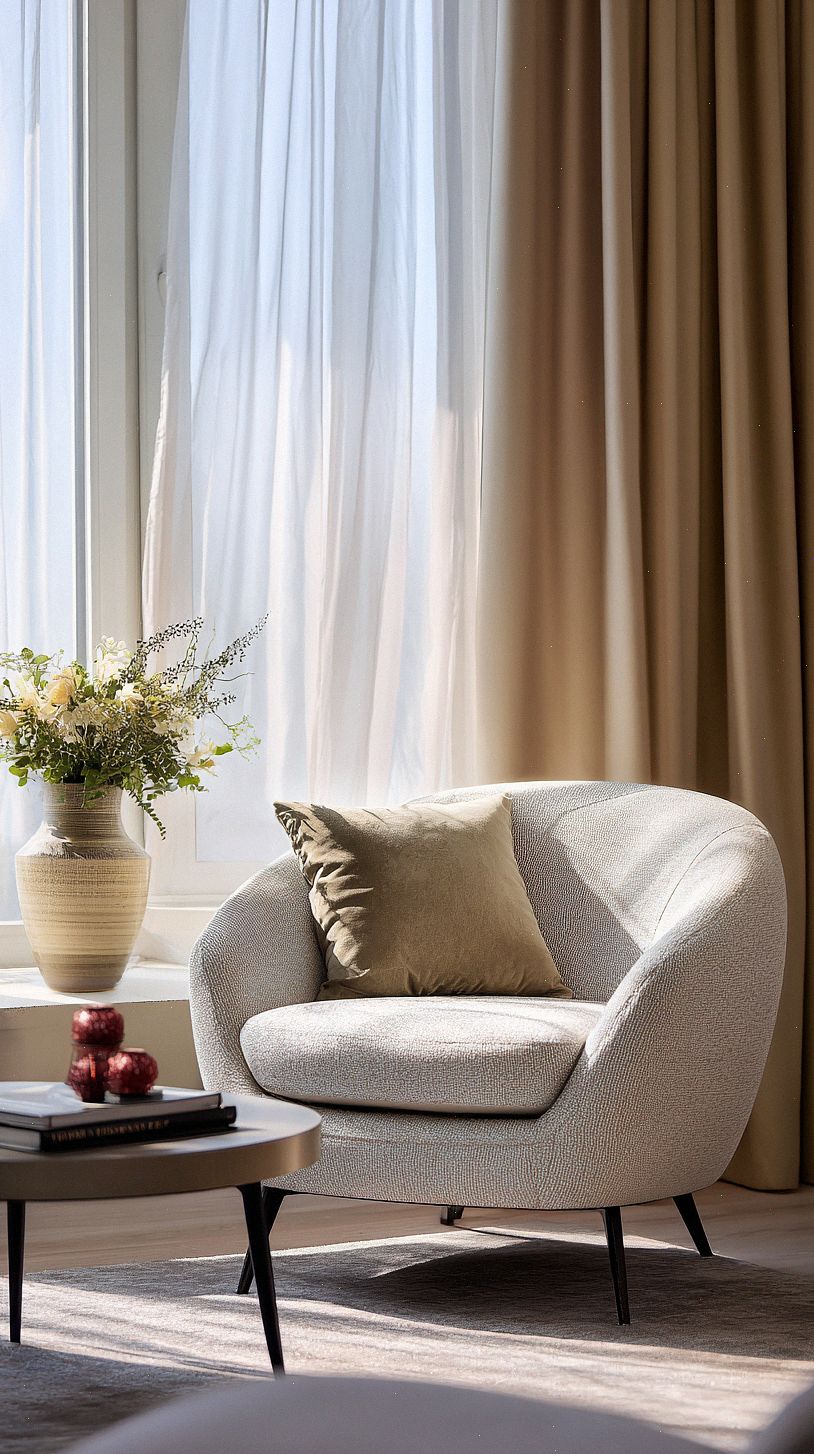
To get that look we focus less on flashy statements and more on a handful of thoughtful decisions: a sophisticated palette, timeless textures, furniture with the right shape and scale, a layout that promotes easy movement, layered textiles, natural-feeling lighting, and art and accessories edited with restraint. Below we’ll explore practical choices and simple styling moves that help a room feel quietly luxurious while remaining warm and welcoming.
Defining Quiet Luxury: What “Effortless and Refined” Really Means
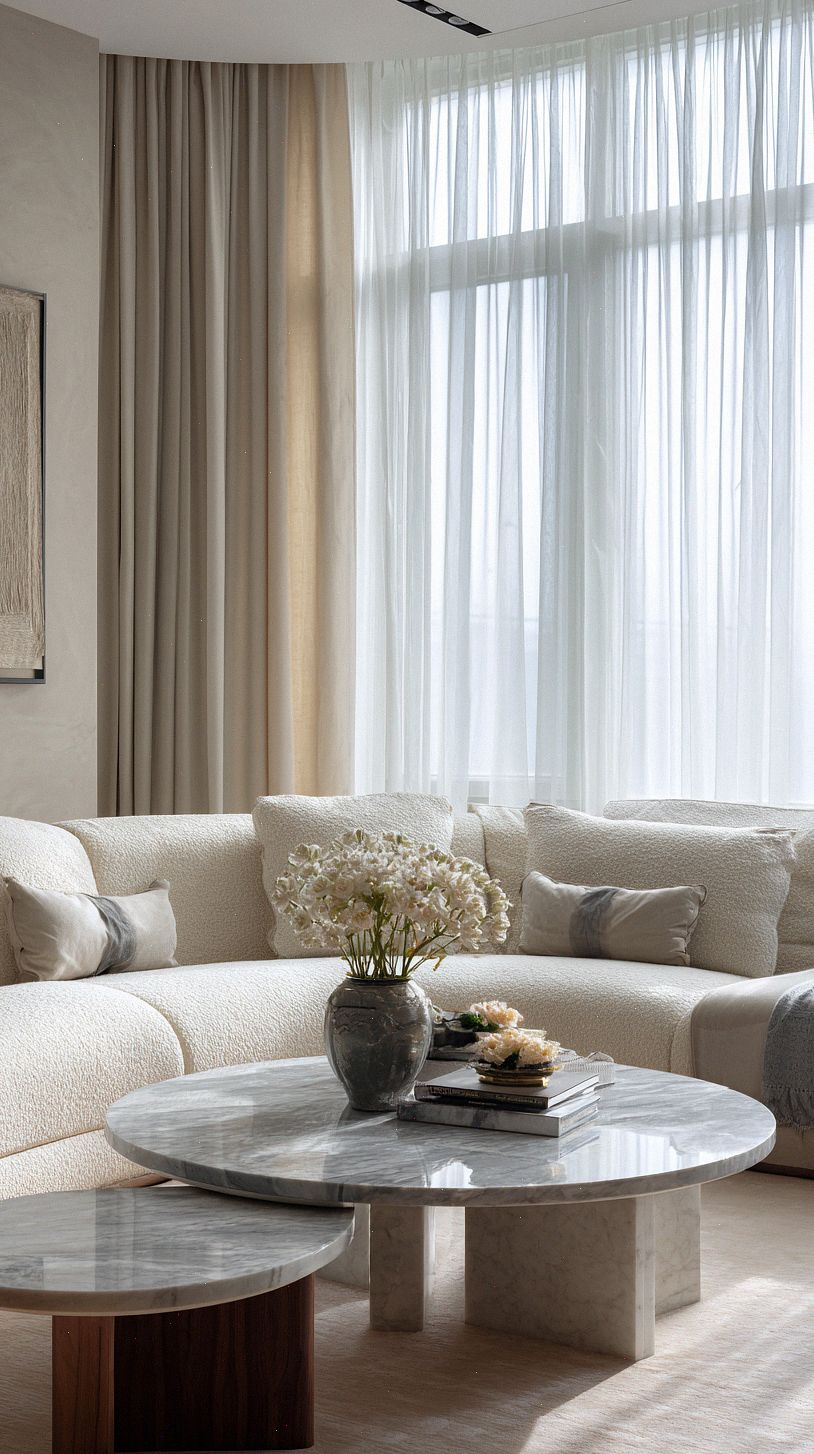
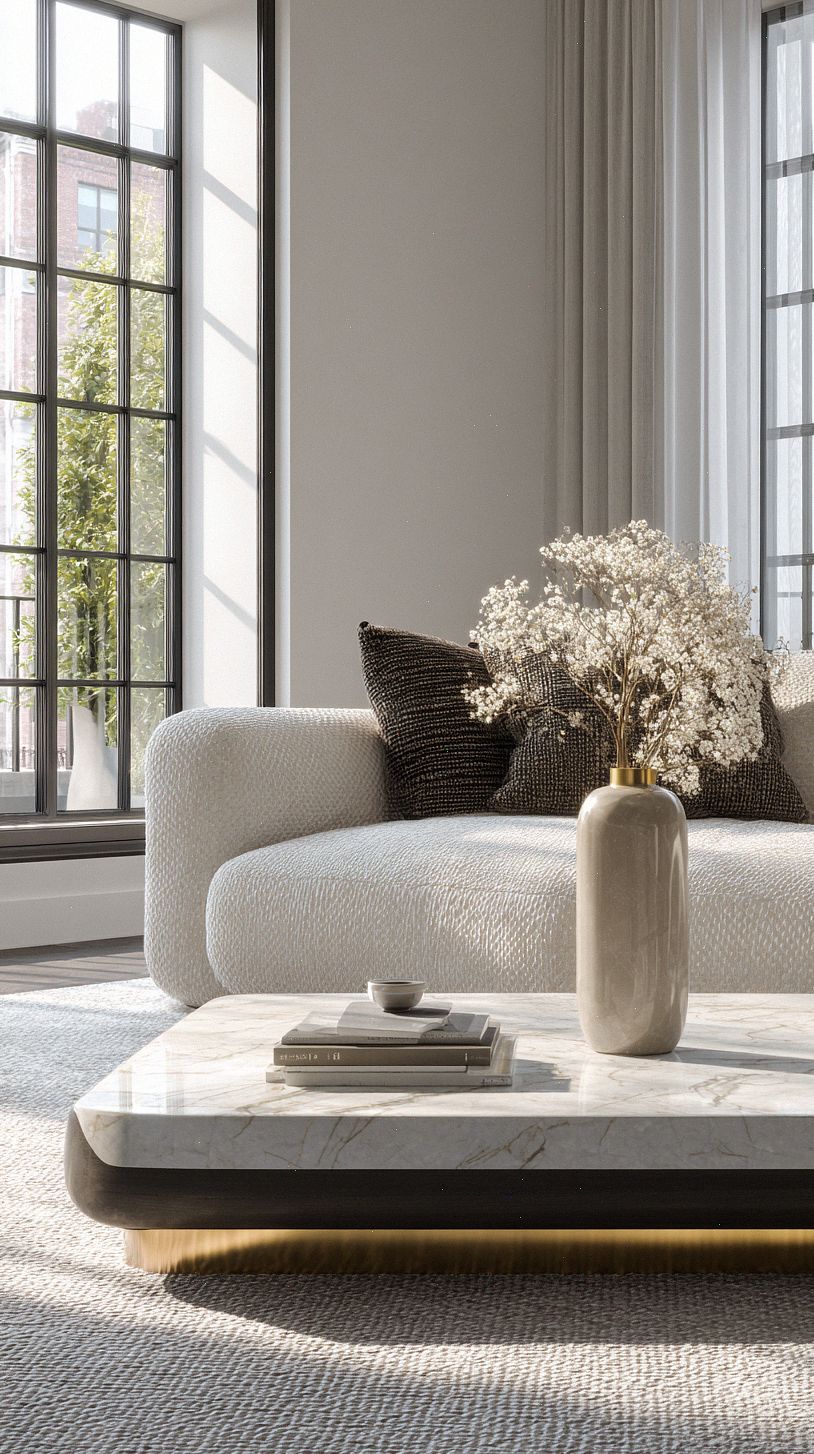
Quiet luxury is about restraint and quality, not labels or loud statements. You create a living room that feels expensive by choosing well-made pieces, a muted color story, and timeless shapes that age gracefully rather than chasing trends.
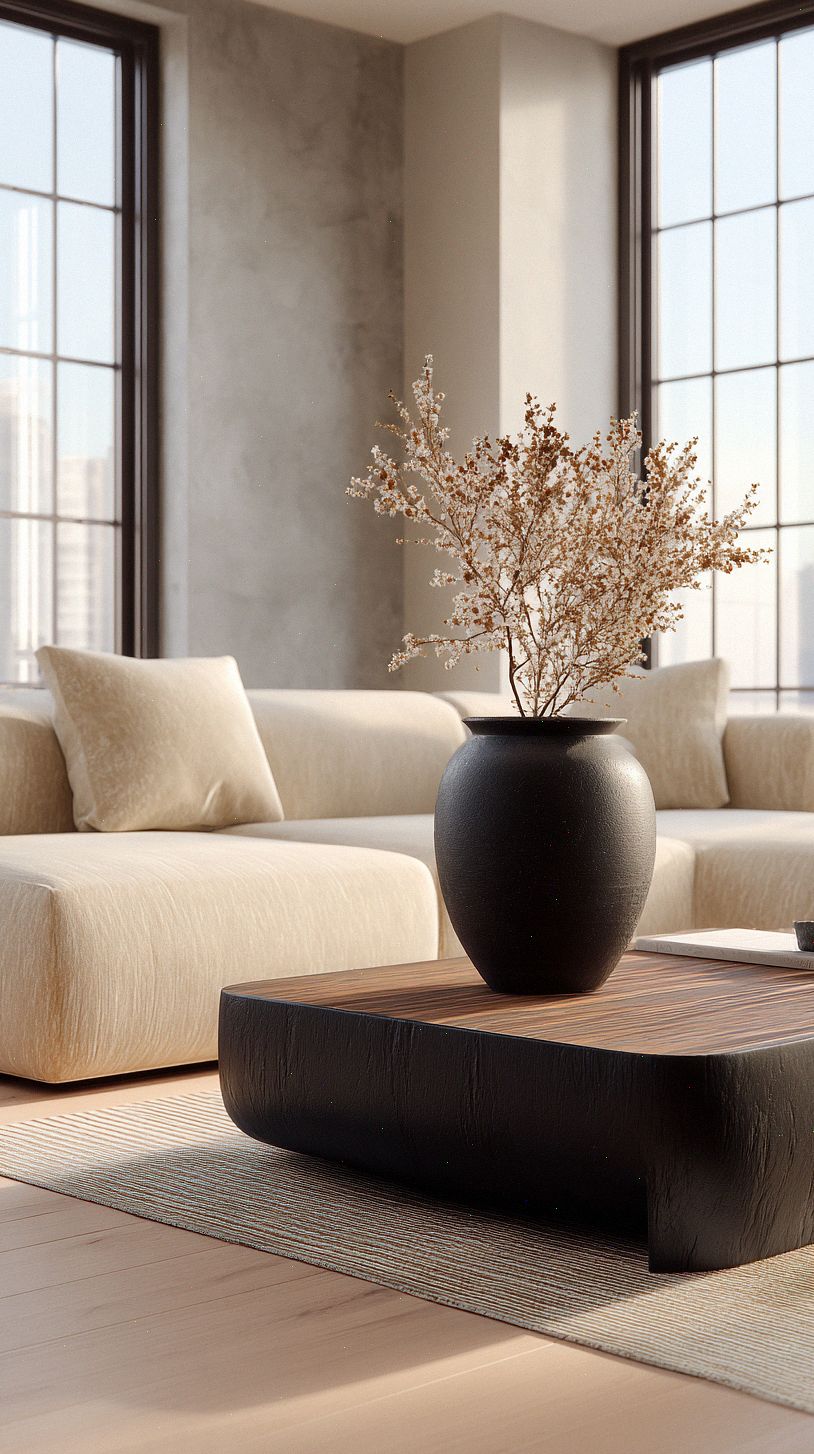
Effortless and refined means the room looks curated without looking staged, with thoughtful layering of texture, proportion and negative space. Focus on materials, soft lighting and subtle details so everything feels intentional and comfortable, like it was always meant to be there.
A Subdued, Sophisticated Color Palette
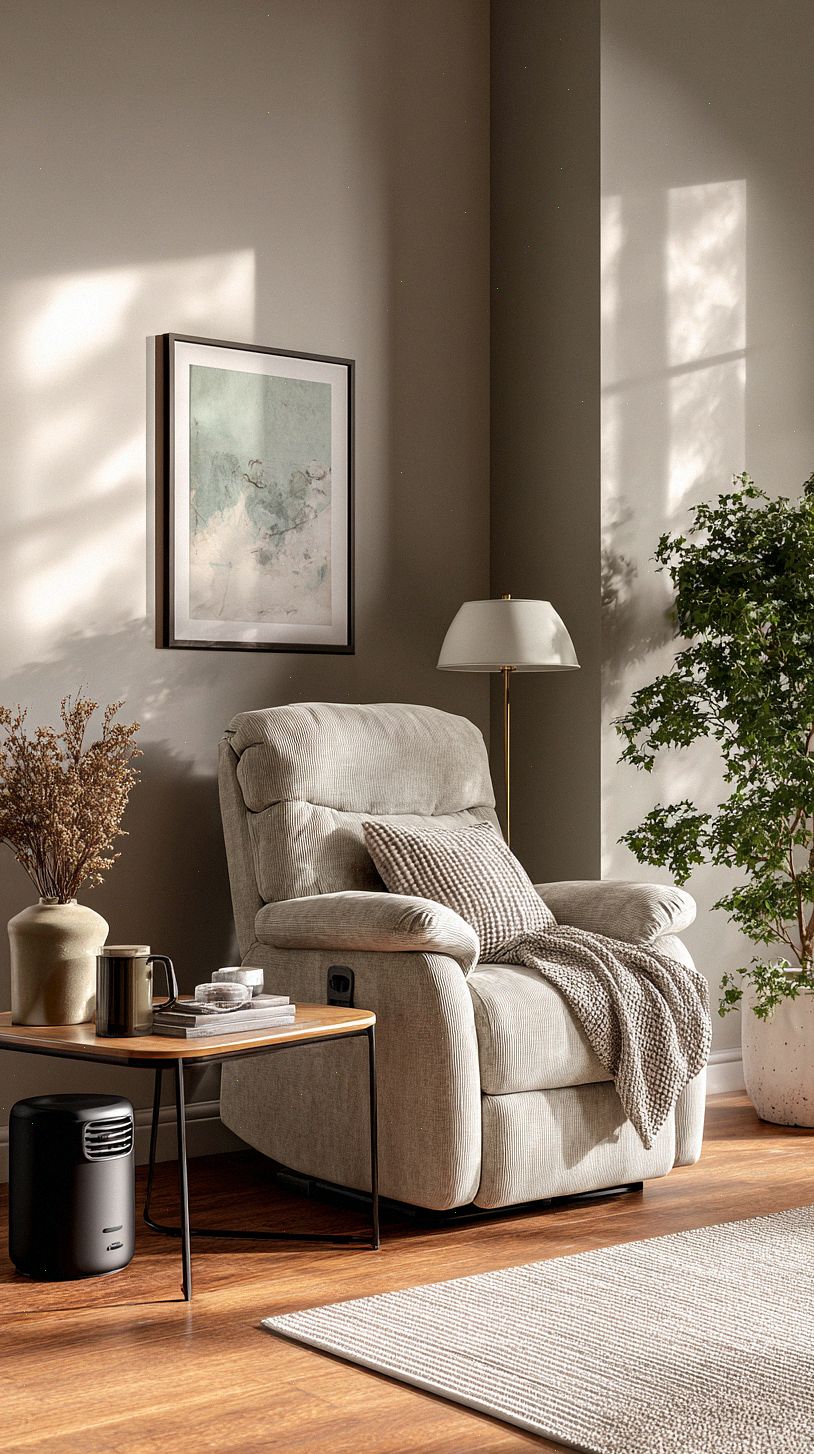
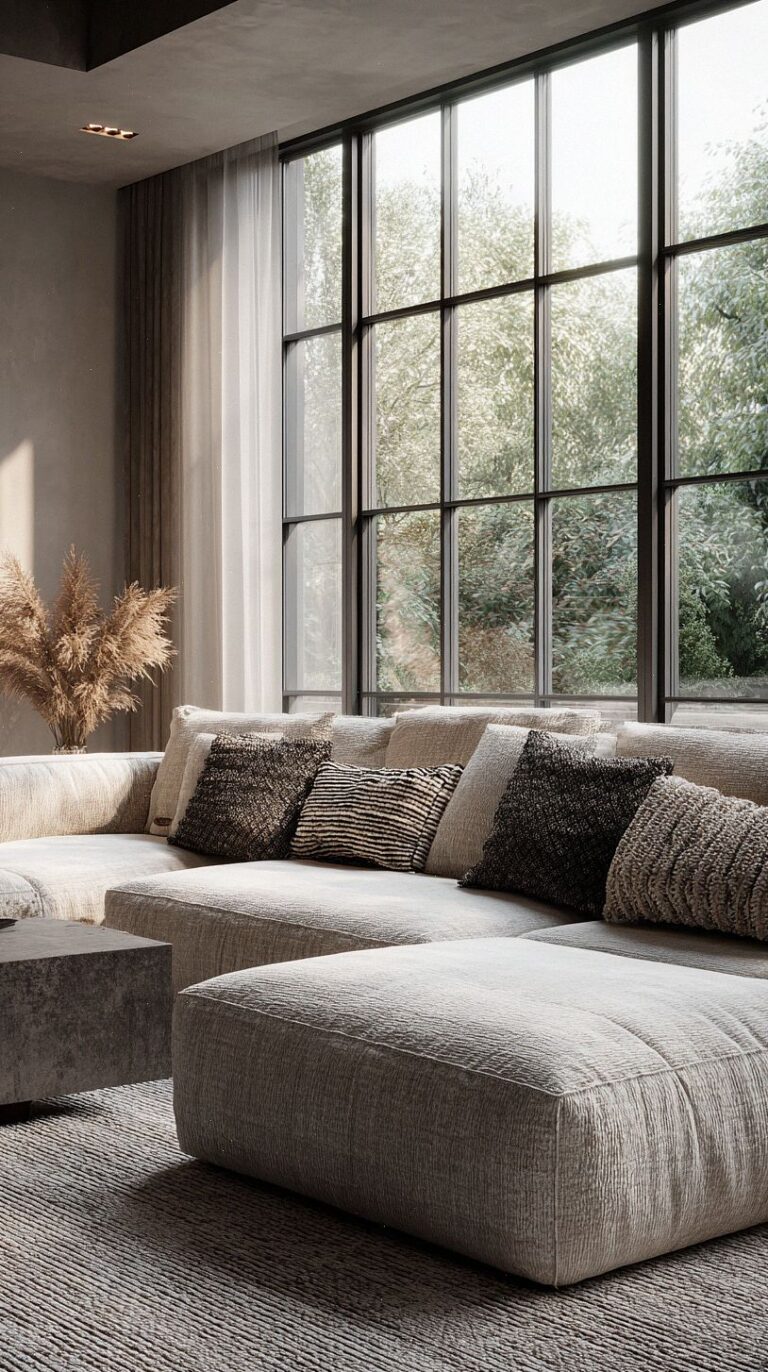
Think of your palette like the soundtrack to the room: quiet, layered, and oddly luxurious. Stick to muted neutrals—warm greige, soft taupe, stone, and a grounding charcoal—and let texture, shape, and matte finishes do the heavy lifting so the colors feel intentionally calm rather than flat.

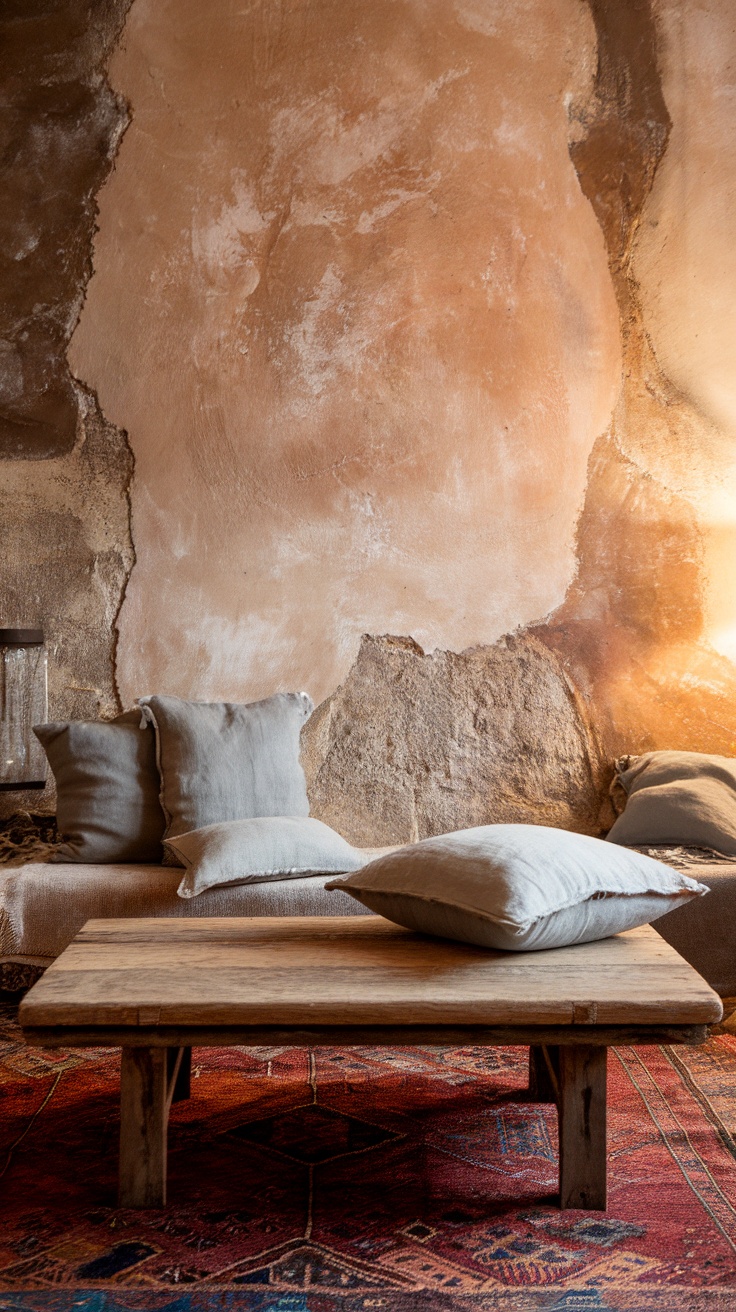
Introduce depth with low-saturation accents such as olive, navy, or deep terracotta used sparingly in a pillow, vase, or art piece to avoid stealing the scene. Finish with restrained metallics like brushed brass or aged bronze and keep the overall scheme to a few related tones so your living room reads as cohesive and effortlessly refined.
Investing in Timeless Materials and Textures
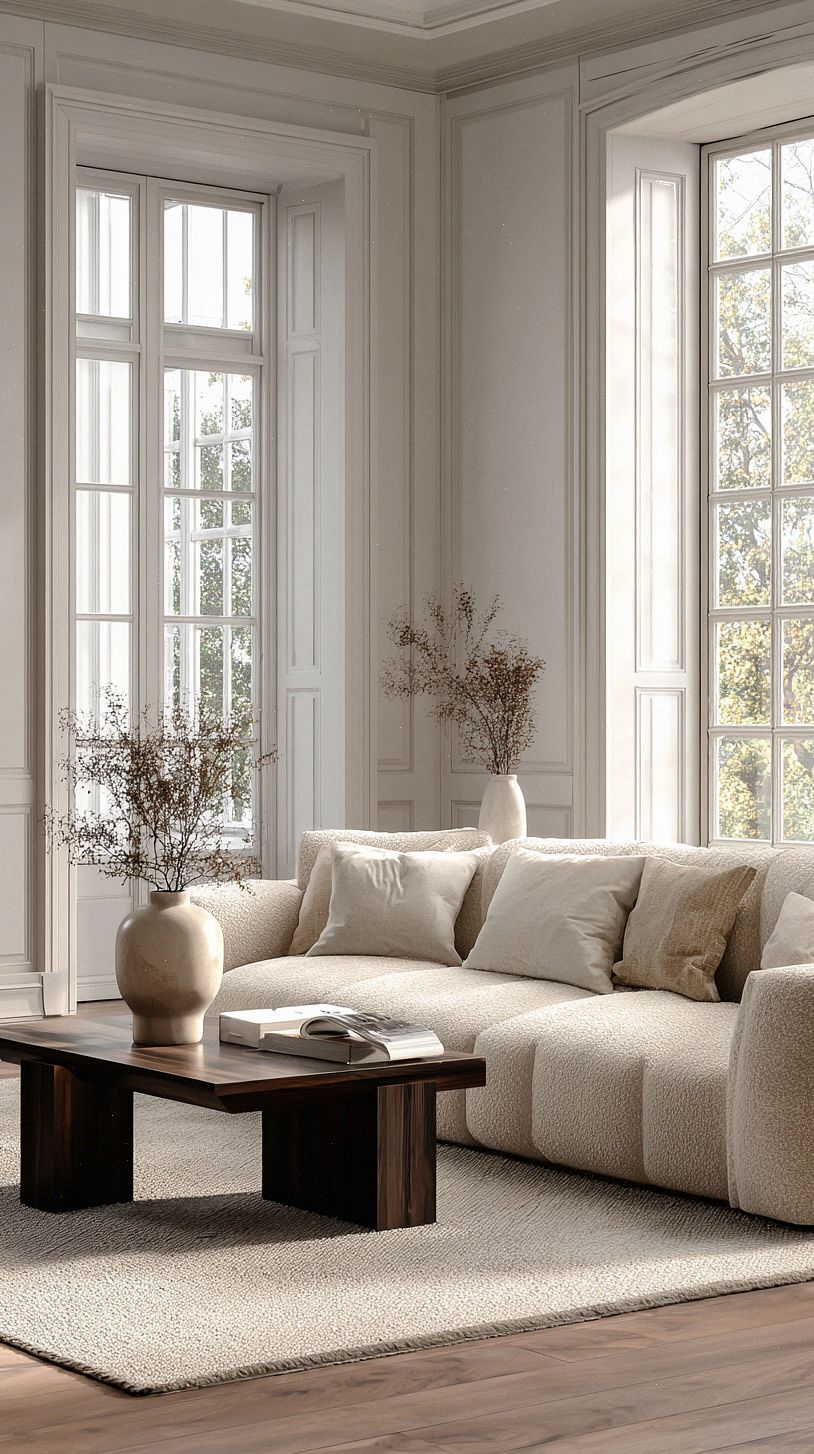
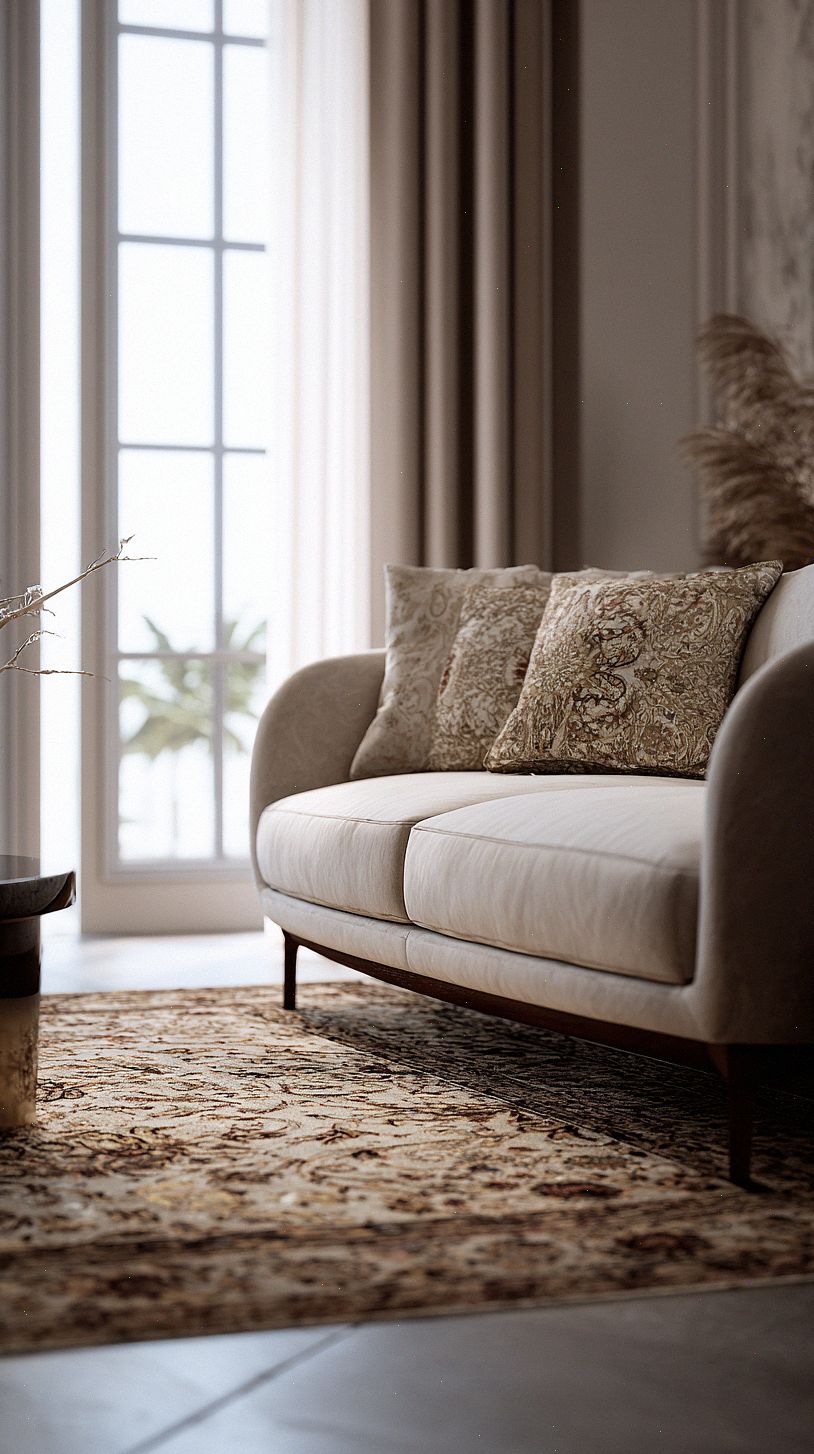
Choose materials that look and feel rich without shouting for attention. Think linen and wool for sofas and throws, cashmere or silk for pillows, supple leather or soft suede for occasional chairs, and natural stone or warm oak for tables and mantels. These finishes read quiet but luxurious and give your room a tactile depth that invites you to linger.
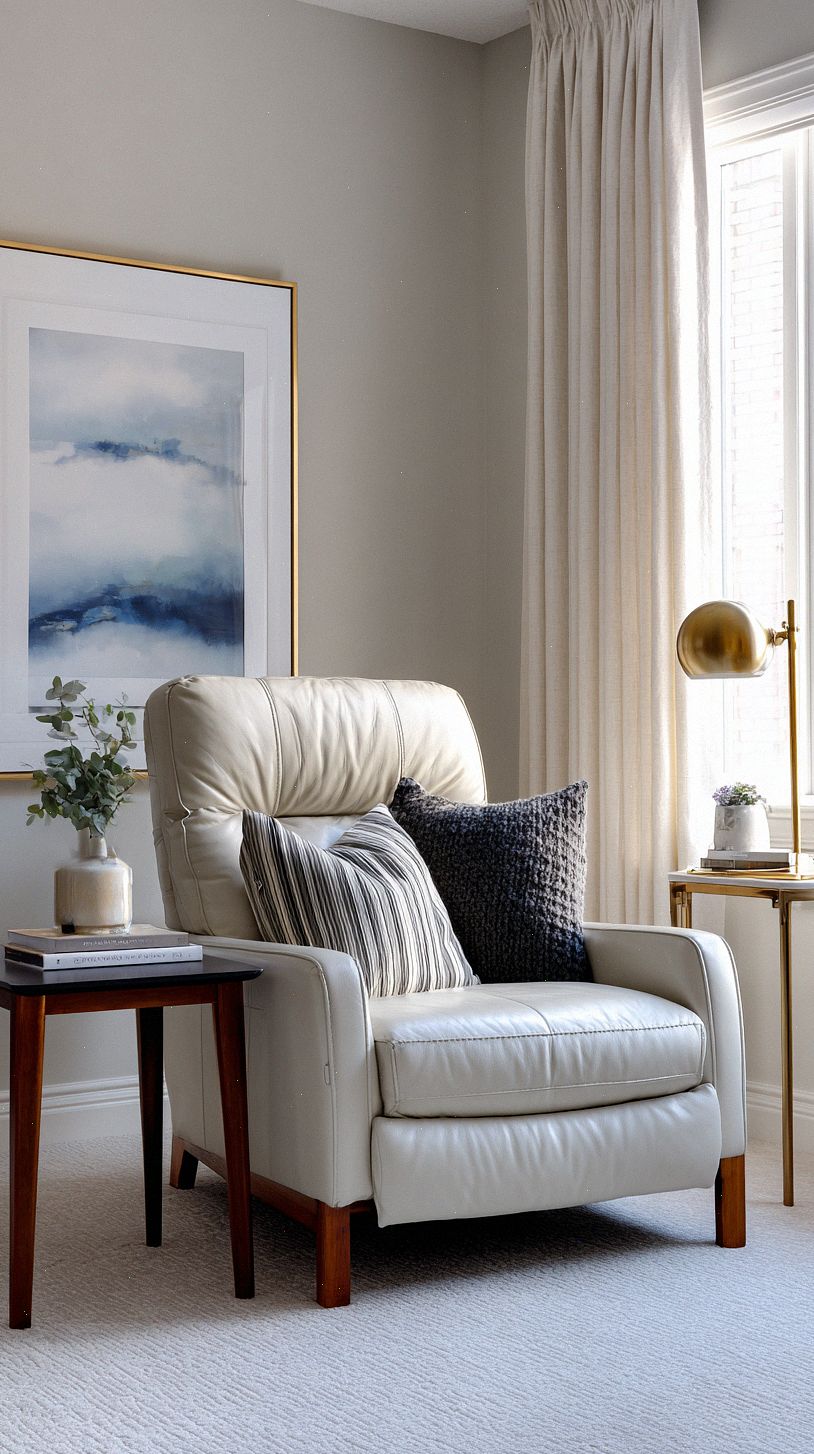
Commit to quality over quantity so pieces age gracefully and develop a beautiful patina. Mix textures purposefully—matte metals, nubby textiles, smooth stone—to create contrast within a restrained palette, and invest in timeless silhouettes and durable fabrics that reward care rather than follow fast trends.
Furniture Choices: Shape, Scale, and Quality
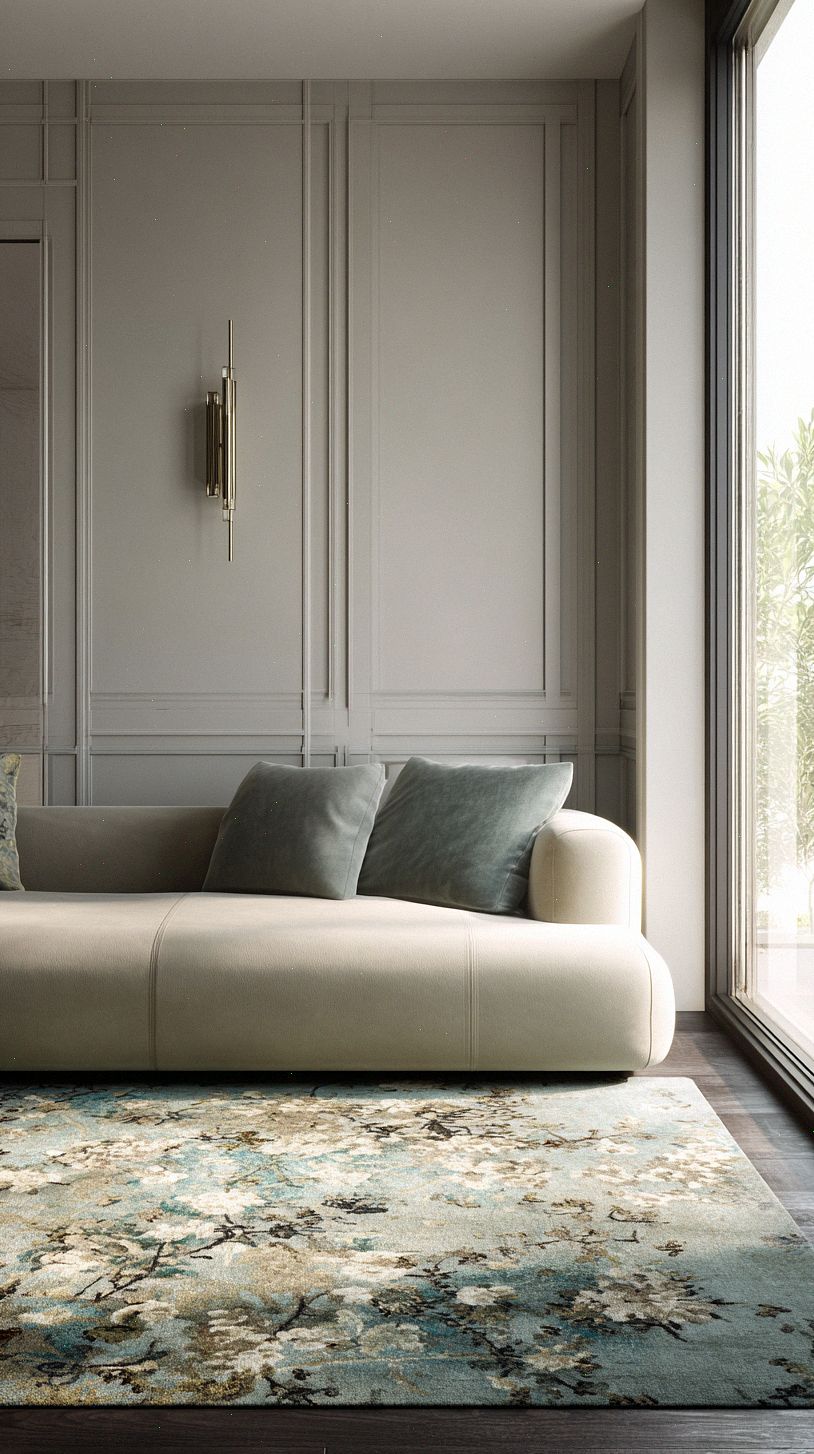
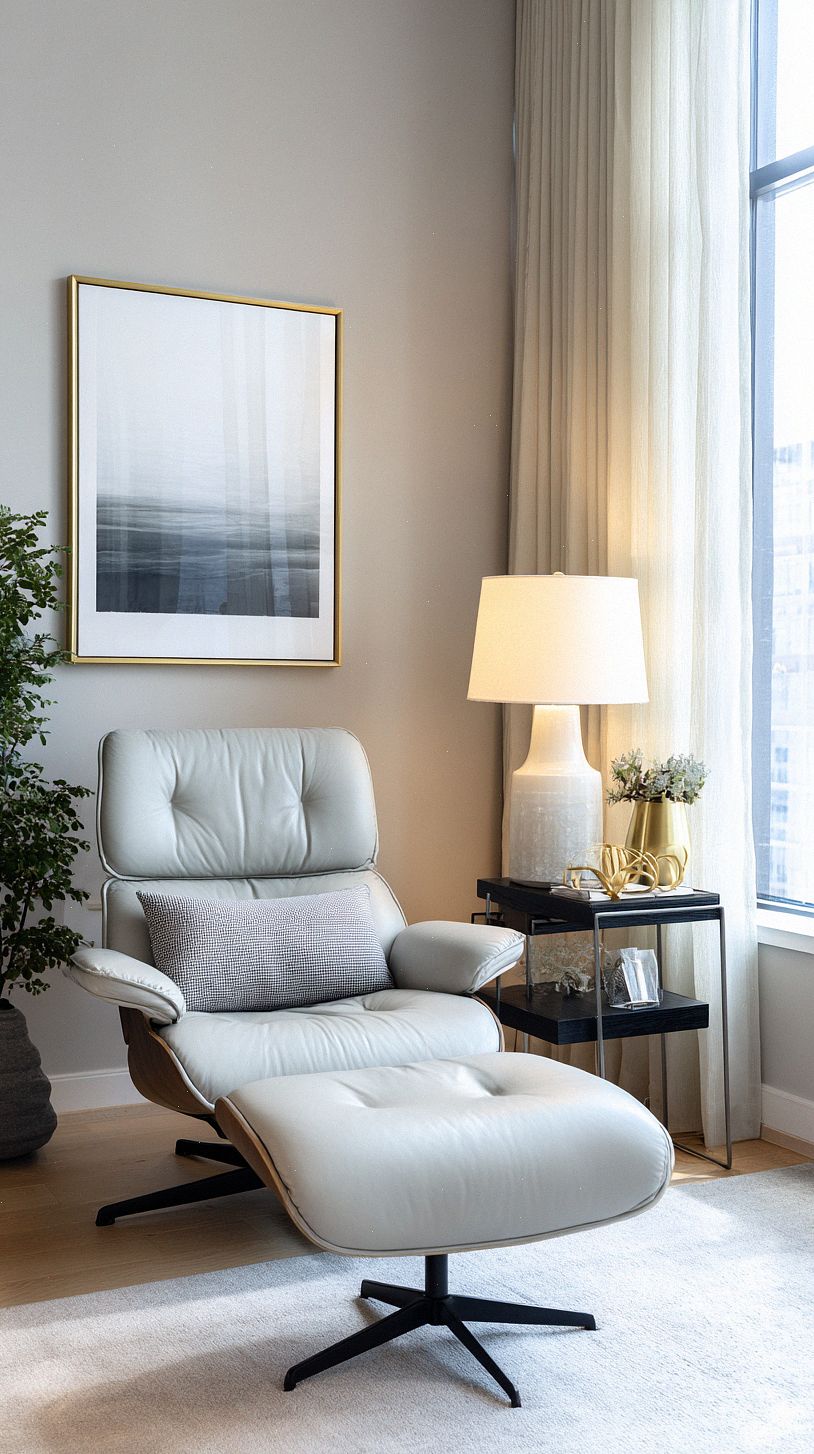
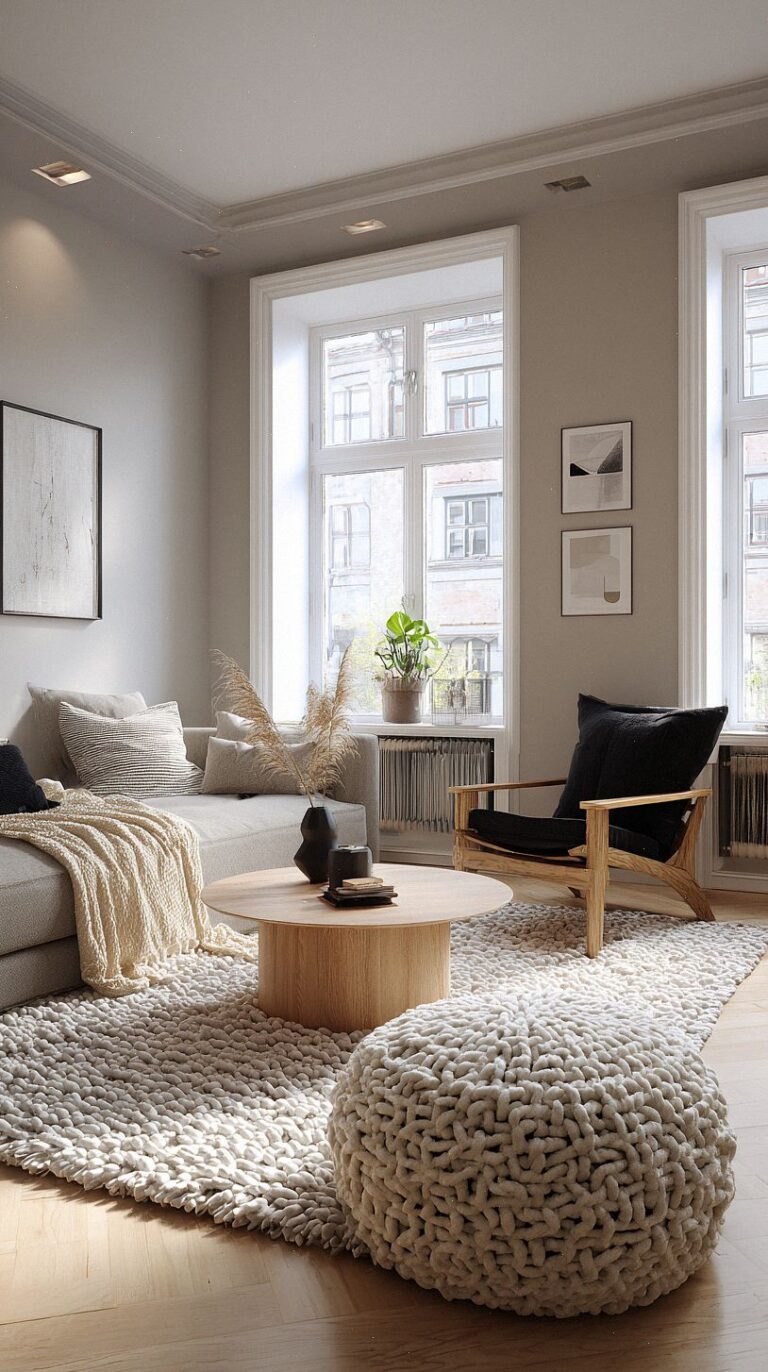
Pick furniture with restrained, timeless shapes—soft curves or clean straight lines that read calm rather than trendy. Think about scale: a low, generous sofa and a couple of well-sized chairs will feel more luxurious than cramming in too many small pieces; leave space around each item so the room can breathe.
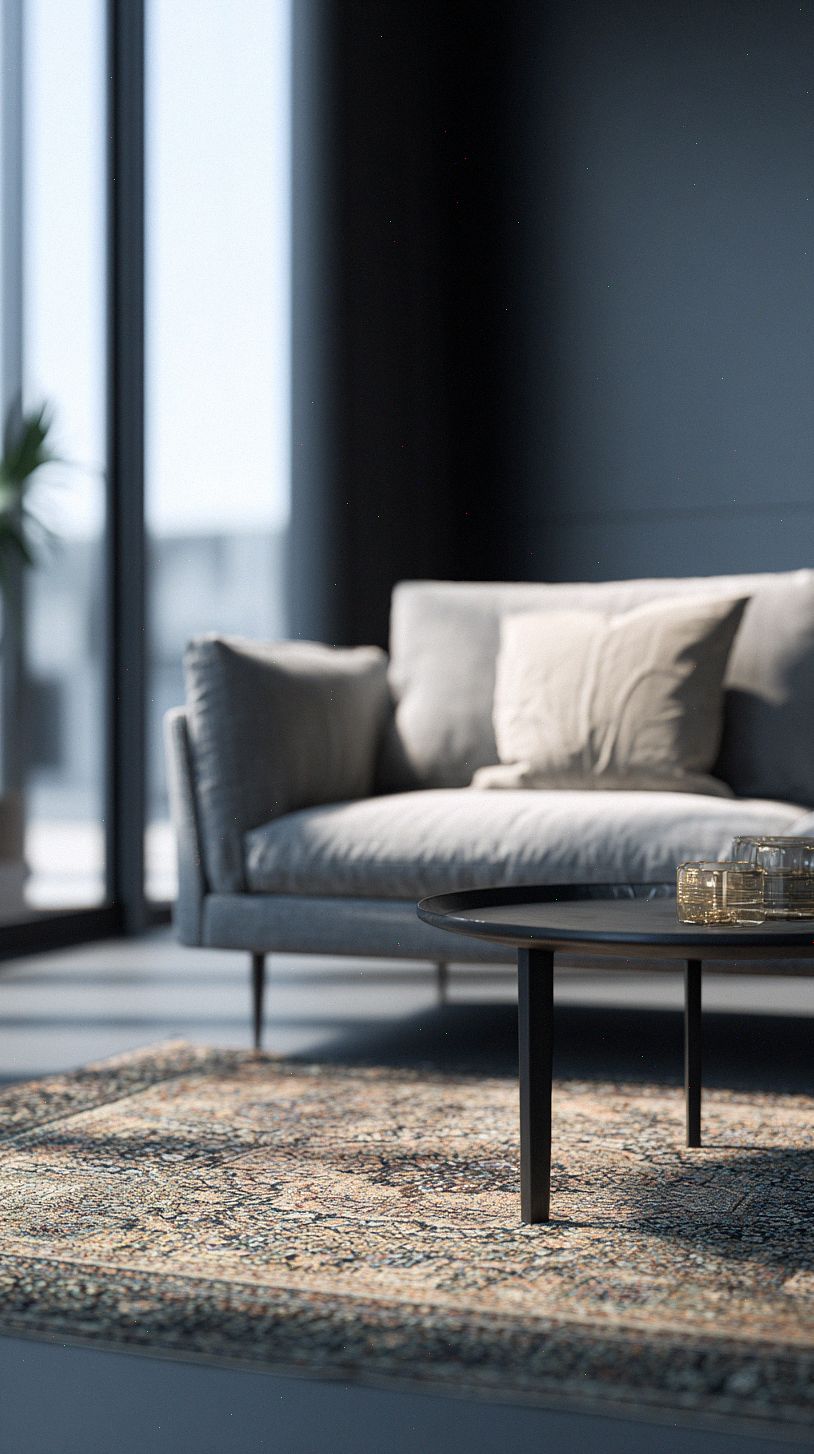
Prioritize quality over quantity by investing in solid frames, natural fabrics, and thoughtful detailing like tailored seams or hand-finished wood. Combine subtle textures—linen, wool, matte leather, satin metal—within a muted palette so each piece feels purposeful and collected, not flashy.
Streamlined Layout and Calm Traffic Flow
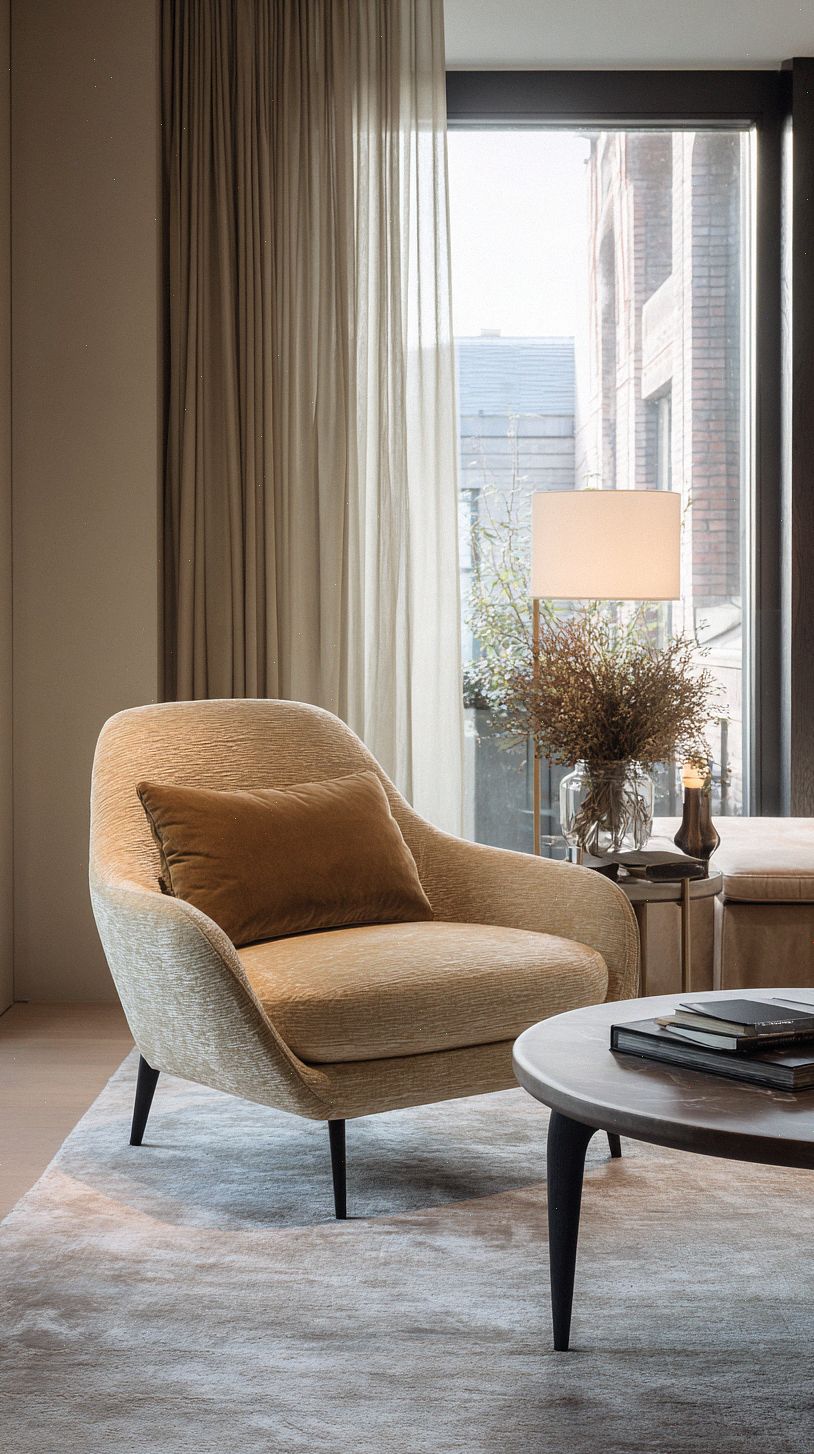
Think of your living room like a well-edited outfit: every piece has a purpose and nothing gets in the way. Float seating around a central rug and coffee table to create an intimate conversation zone, and leave 30 to 36 inches for main walkways so people can move without brushing past corners. Keep larger pieces proportionate to the room and use low-profile or streamlined silhouettes to preserve sightlines to windows or a fireplace.
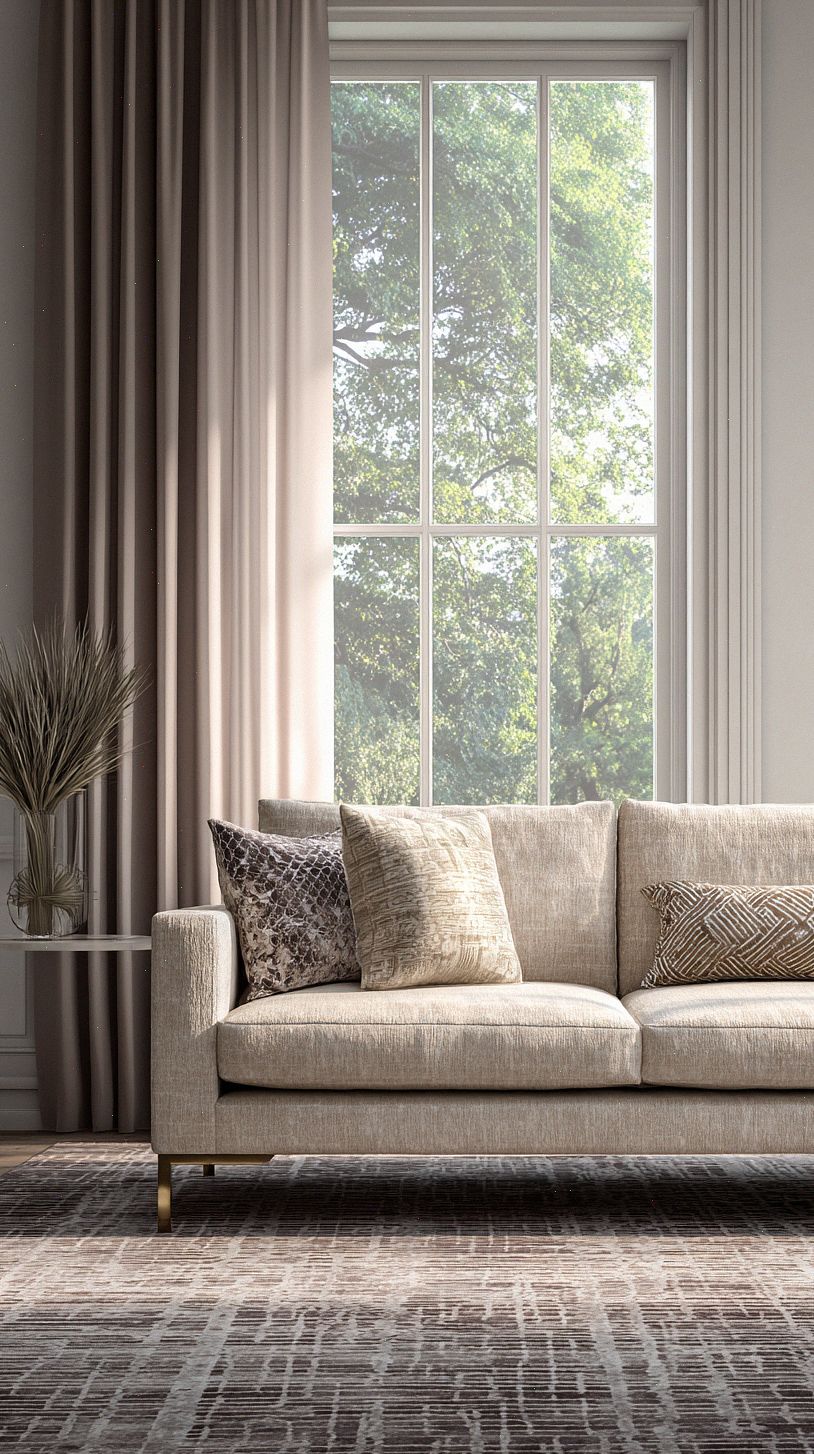
Limit furniture to what you actually use and tuck storage into built-ins or concealed cabinets to keep surfaces calm. Define zones with rugs and layered lighting rather than clutter, and orient seating toward one another so the room feels effortless, not crowded, whenever people come and go.
Layering Textiles for Comfort without Clutter
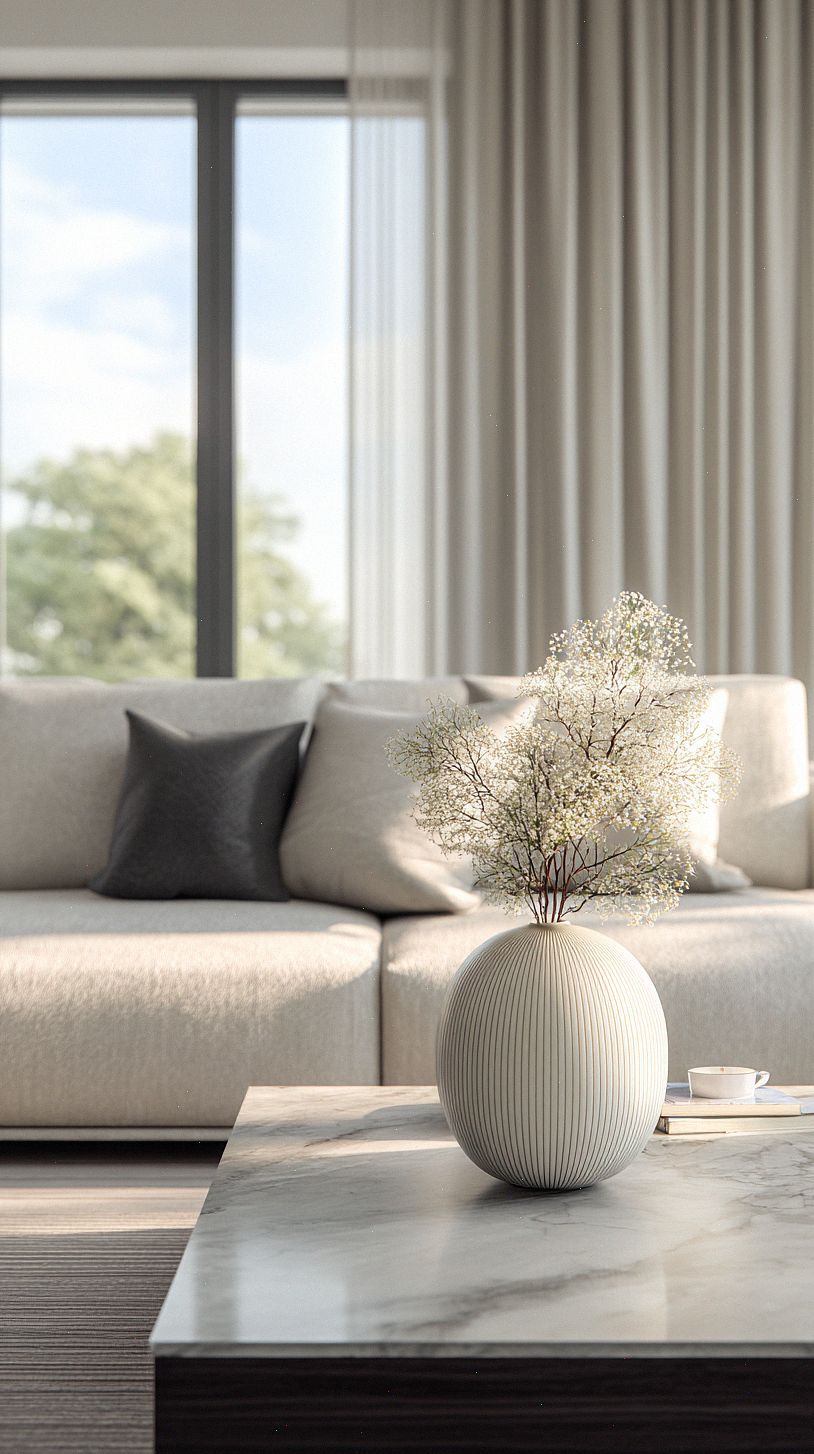
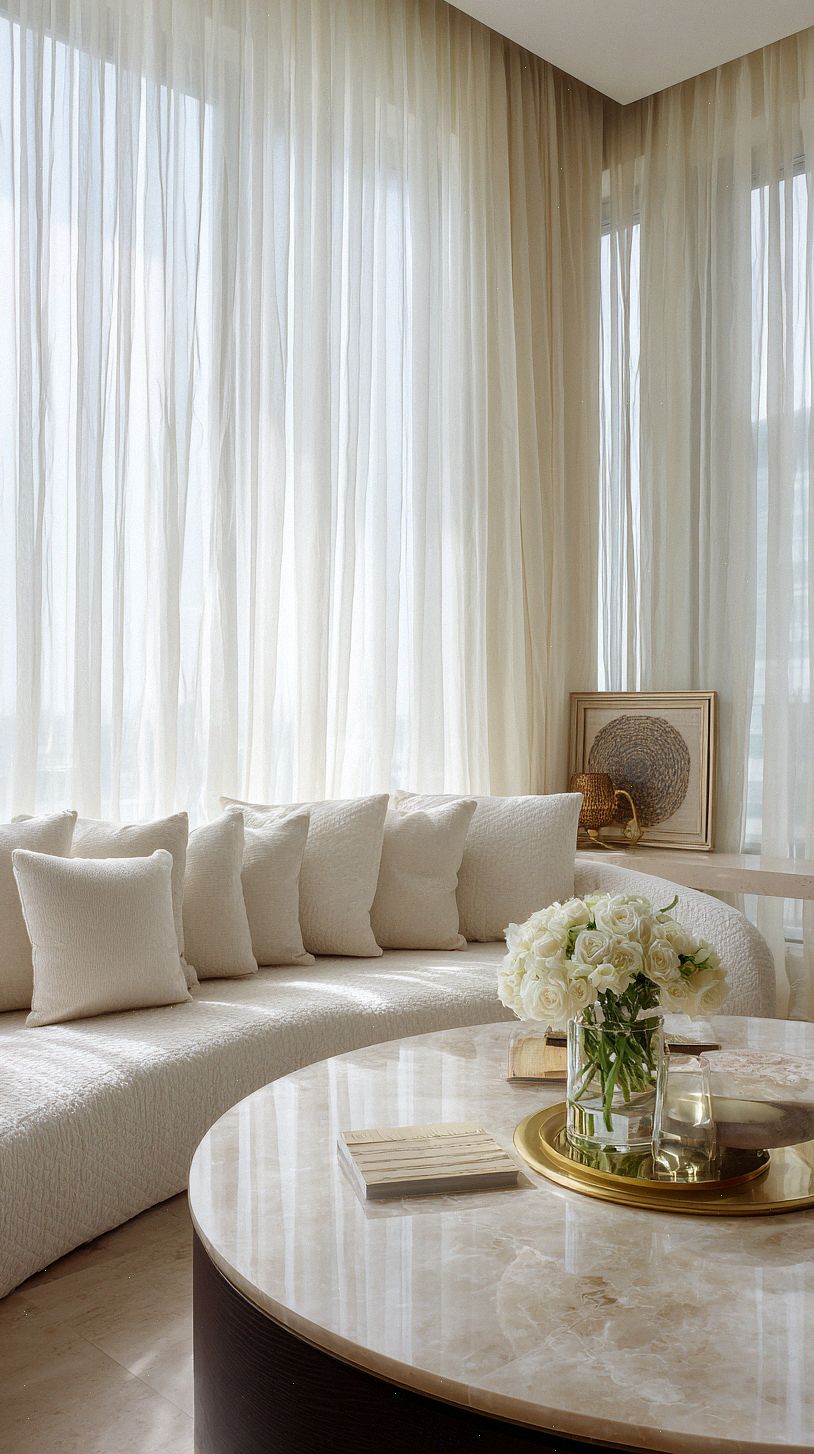
Choose a small, refined palette and let texture do the talking. You can swap busy patterns for subtle weaves like linen, bouclé, cashmere and washed wool so each layer feels luxurious without competing. Stick to two or three tones within the same family so the room reads calm and cohesive while still inviting to the touch.

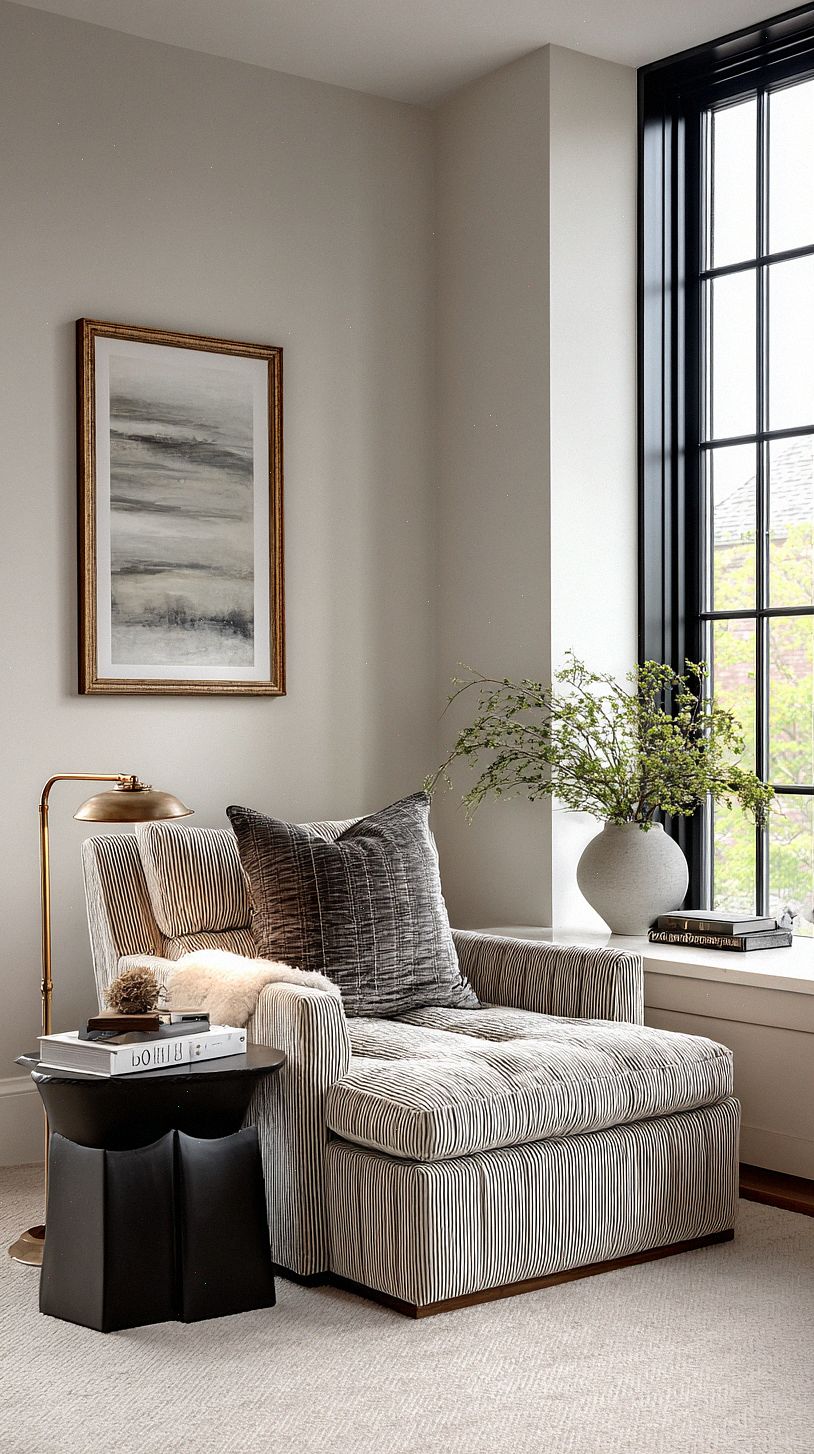
Be intentional with placement and quantity to avoid clutter. Keep pillows to a curated few in varied sizes and textures, fold a high-quality throw at the arm or drape it casually over the back, and layer a low-pile rug over a natural fiber base to anchor the seating area without crowding it. Leave breathing room around each piece so the textiles enhance the furniture rather than overwhelm it.
Lighting That Feels Natural and Curated
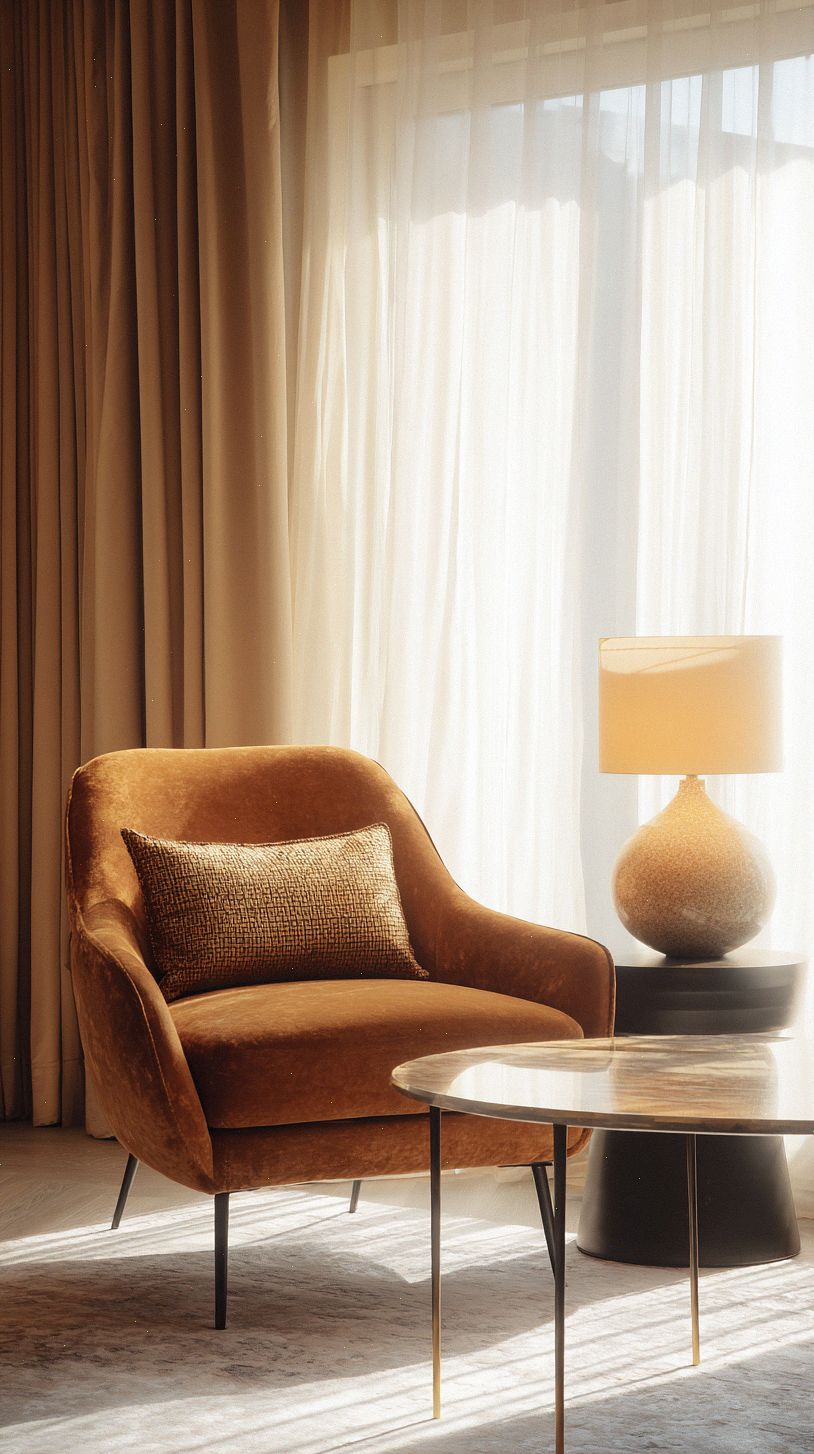
You want lighting that reads as effortless, like it was always meant to be there. Layer soft ambient light with targeted task lamps and a few subtle accent fixtures, keep color temperature warm around 2700 to 3000K, and add dimmers or smart controls so you can shift the mood without thinking. High CRI bulbs keep textiles and art looking true to life, which makes the whole room feel more refined.

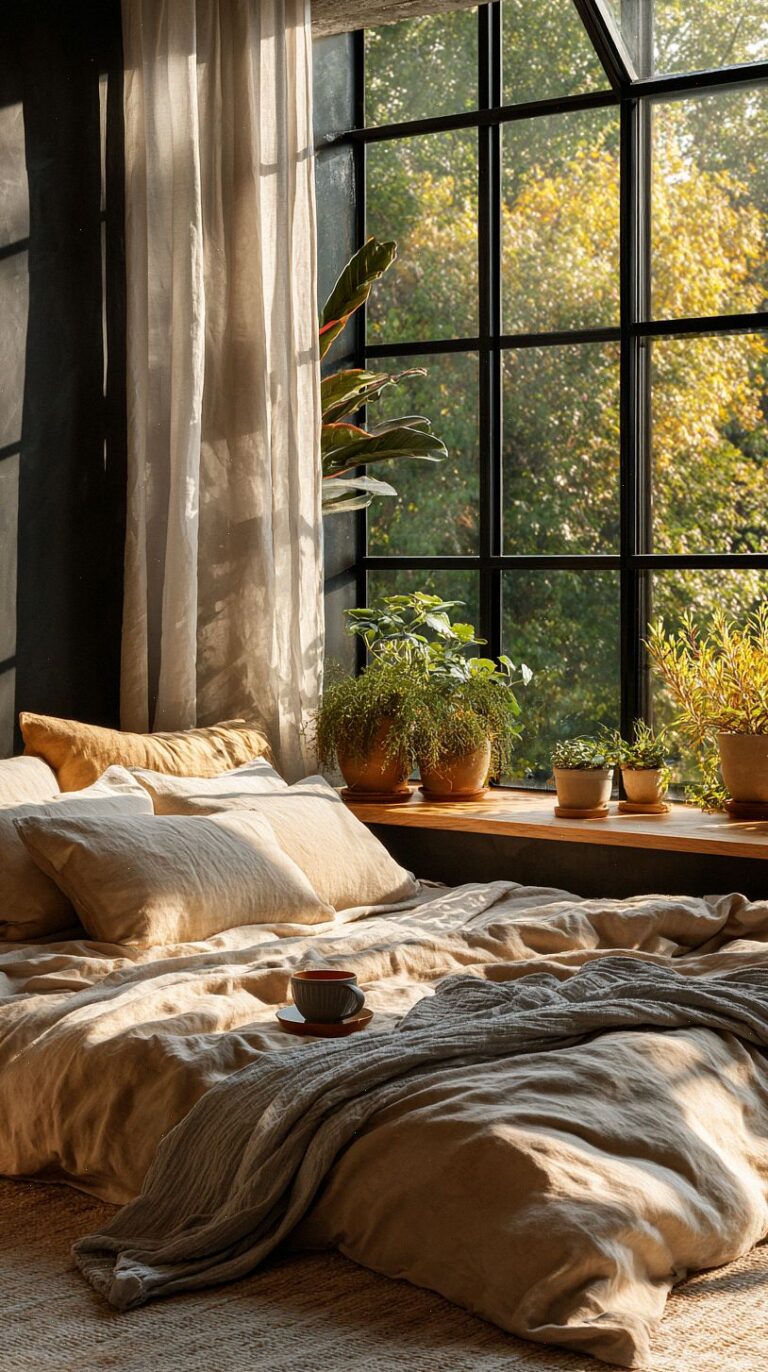
Maximize natural light with sheer curtains and a strategically placed mirror, then supplement with lamps that have linen or frosted shades for a soft, tactile glow. Choose sculptural fixtures with matte or muted metallic finishes so they act like quiet decor, and place light sources where you actually use them: flanking the sofa, behind a reading chair, or low on a console to wash the wall.
Curating Art and Accessories with Restraint
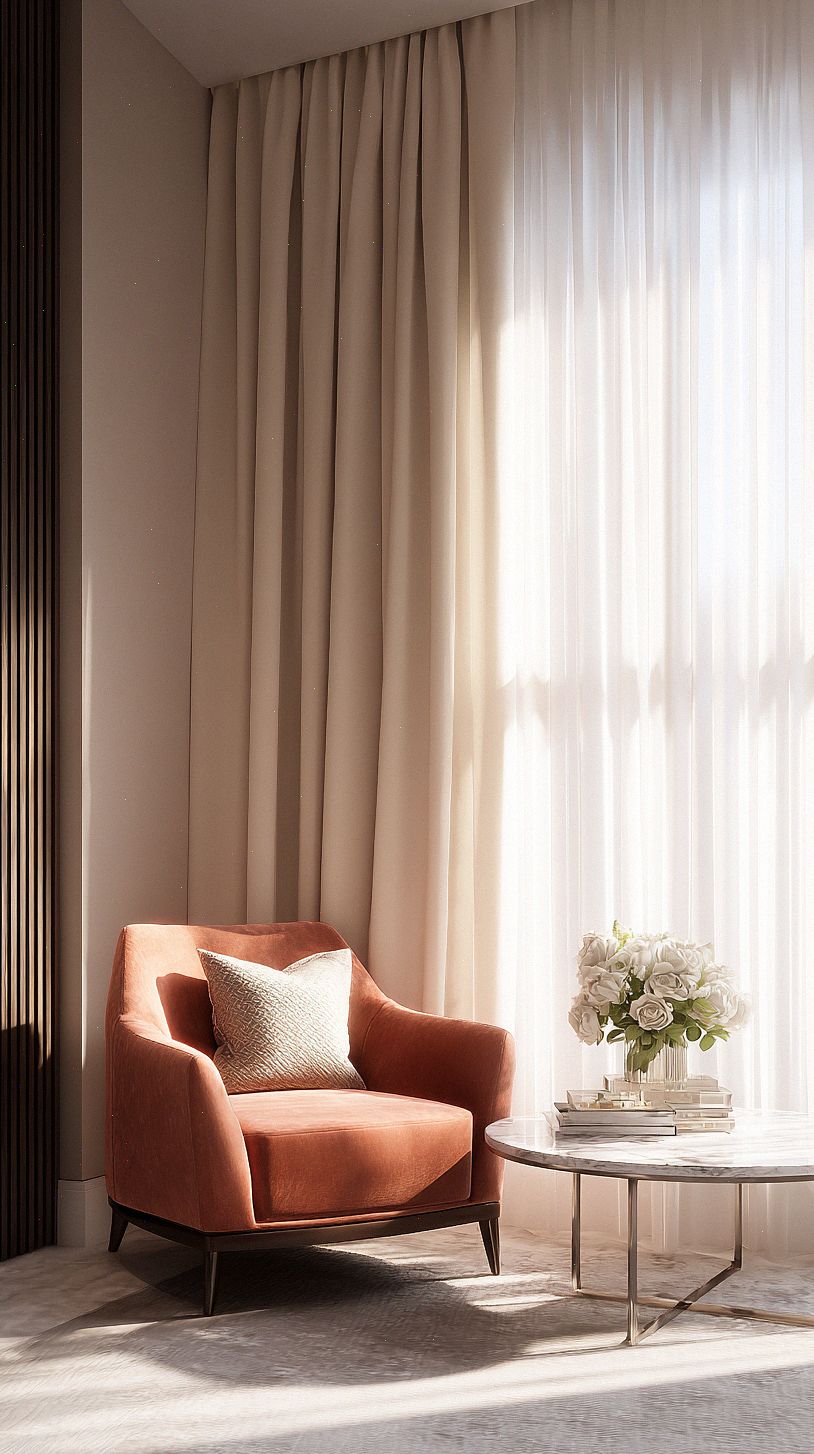
Think about art and accessories the way you treat perfume: a little goes a long way. Choose one meaningful piece of art or a single large-scale work to set the tone, then let surrounding walls and surfaces breathe. When you do add smaller objects, stick to a simple palette and varied textures so everything reads as intentional instead of cluttered.
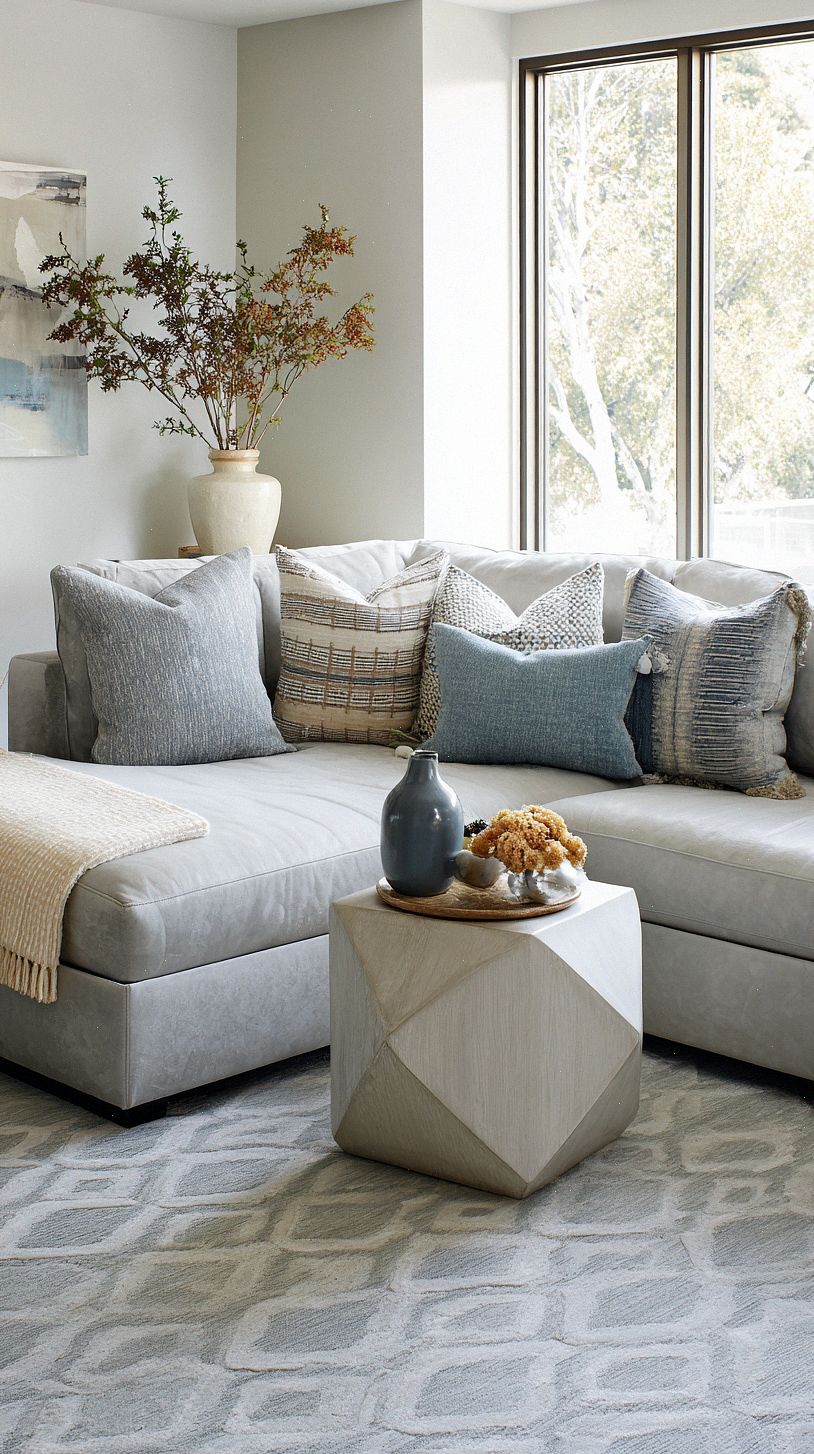
Group accessories in odd numbers and keep vignettes low and layered, using trays, books, and a single sculptural object to anchor each arrangement. Invest in quality frames and timeless pieces that feel calm rather than trendy, and edit often so every item earns its place.
Practical Tips for Long-Lasting Elegance
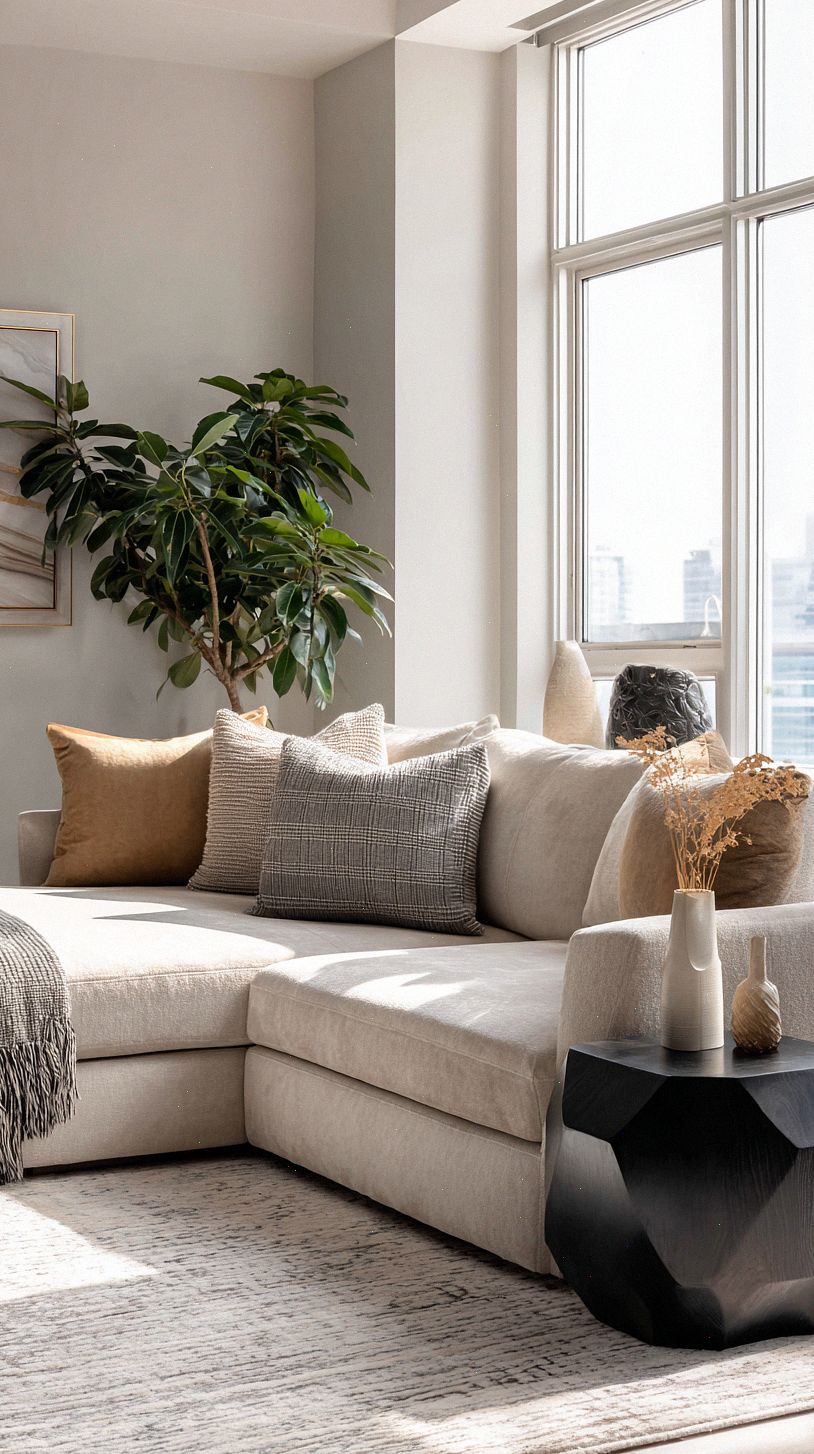
Start by investing in a few high quality pieces in neutral tones and classic shapes so your room reads calm and collected without trying too hard. Choose durable textiles like leather, wool, mohair or performance linen, pick finishes that age well such as brushed brass or matte black, and layer tactile textures to keep the look warm and interesting rather than busy.
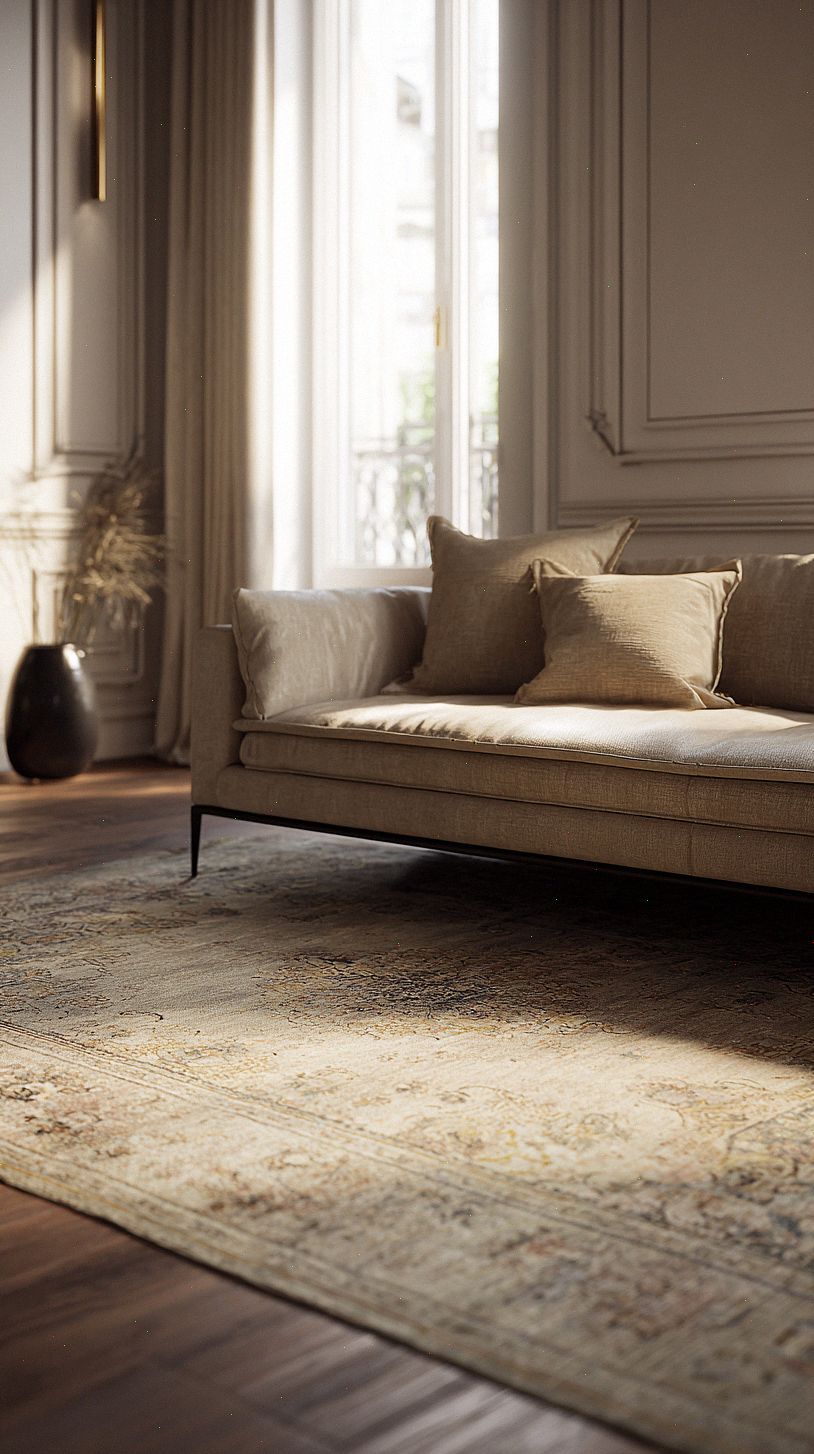
Keep the elegance long lived with simple care routines: rotate and plump cushions, use protectors under heavy legs, and get rugs and upholstery professionally cleaned when needed. Add dimmable lighting, hide clutter in smart storage, and edit accessories down to a few meaningful pieces so your space stays effortless and refined day after day.
Final Styling: The Unforced, Edited Look
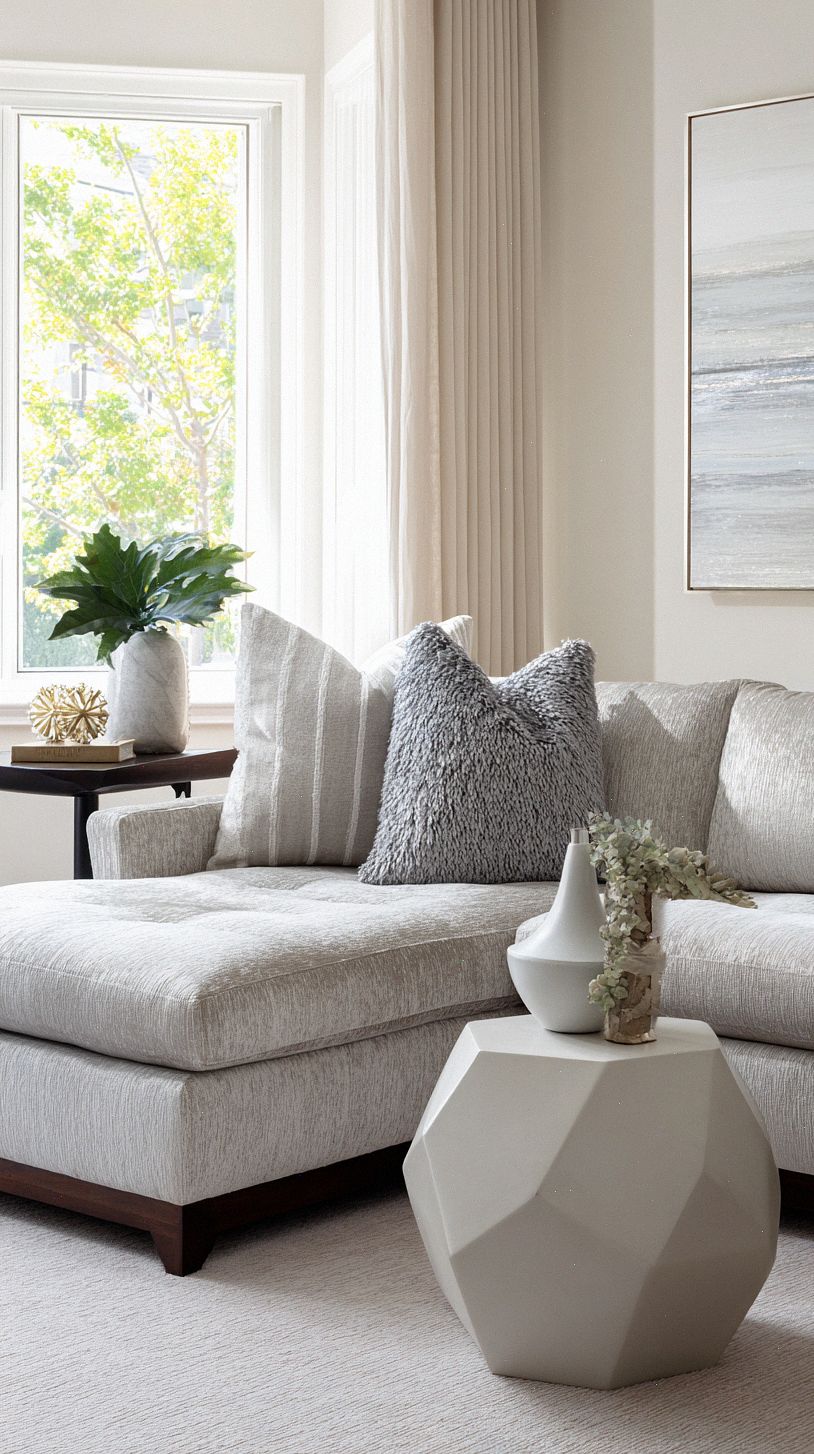
Think of the final styling as gentle editing: let a few superb pieces breathe instead of crowding the room. Choose one or two sculptural objects, a stack of well-loved books, and a textile with a subtle weave to add warmth. Keep the palette restrained so textures and form do the work, and resist filling every surface just because you can.
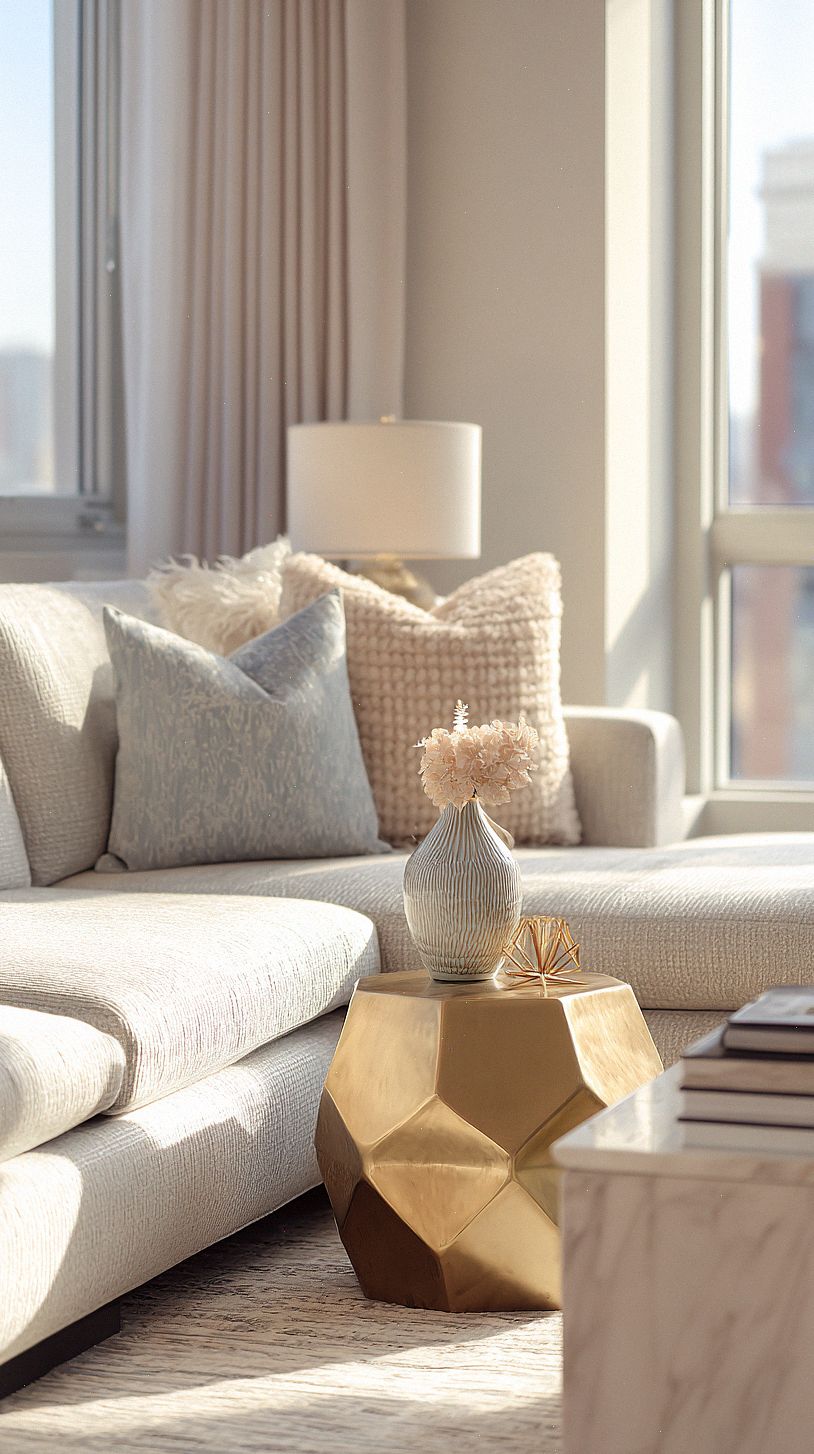
Pay attention to placement and negative space so the room reads calm and curated. Group items in small vignettes with varying heights, leave areas intentionally bare, and use soft lighting and a single lush plant to bring life without clutter. Edit again after a few days; if something feels like noise, put it away.