How to Design an RH-Inspired Living Room With Timeless, Elevated Style
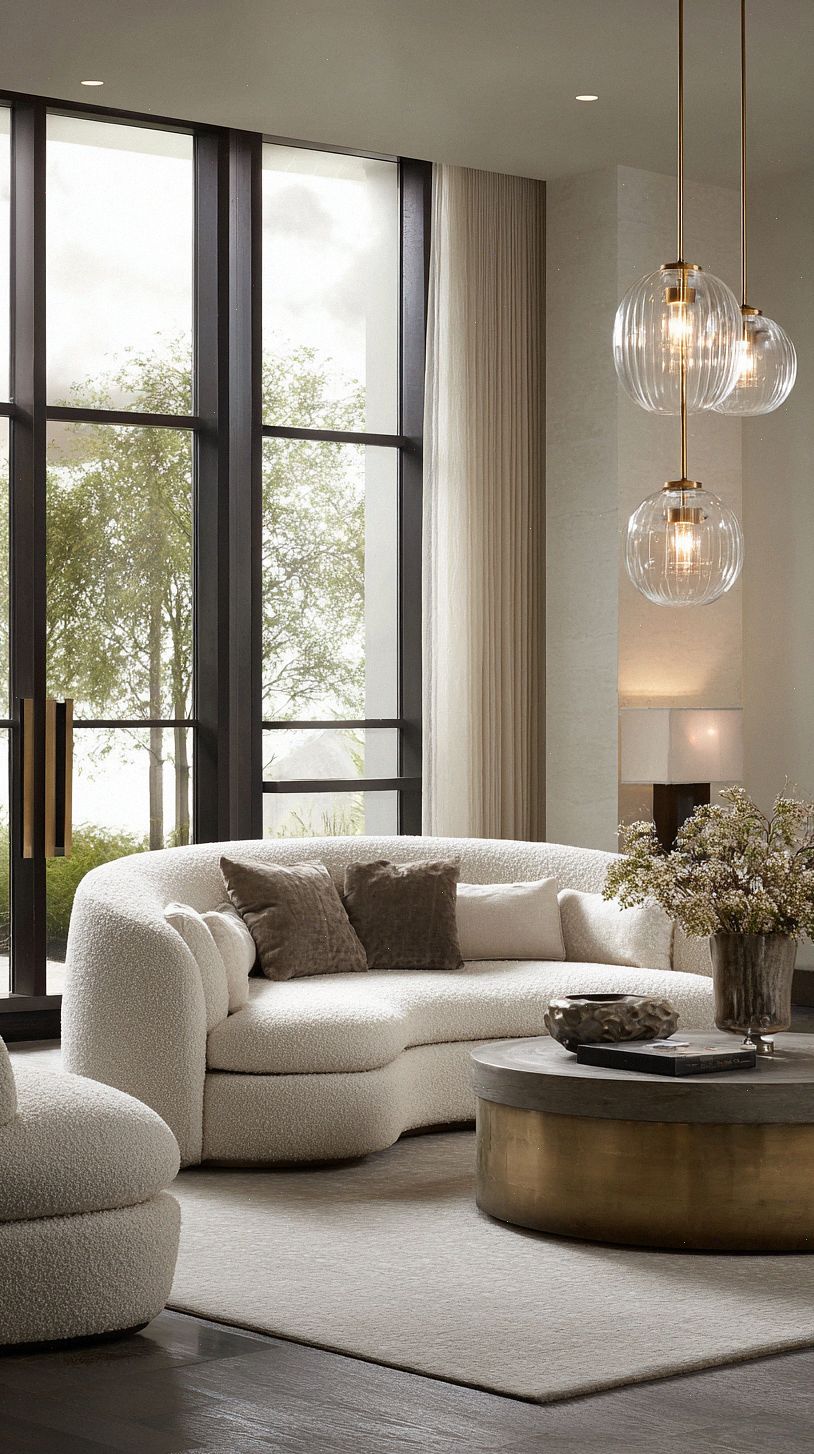
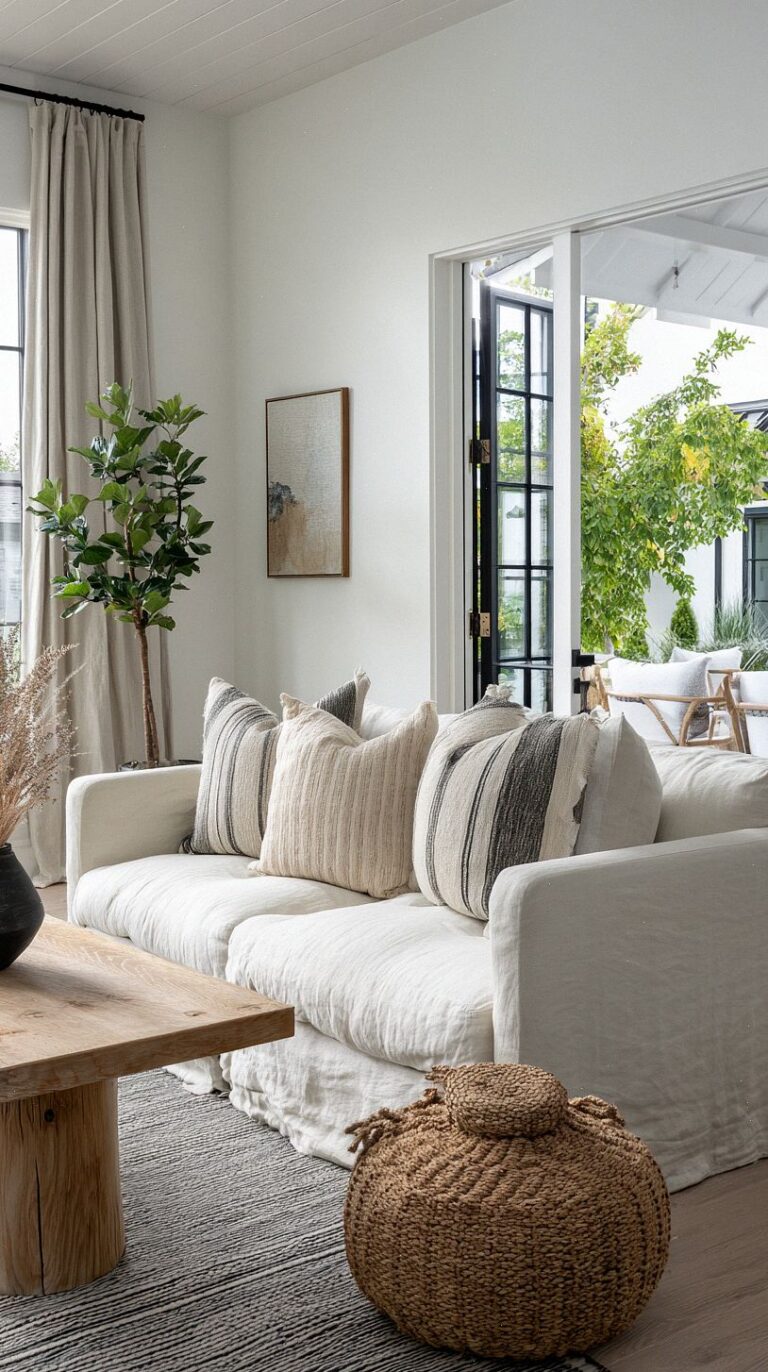
When we think about an RH inspired living room, what comes to mind is timeless comfort elevated to feel deliberate and luxe. It is the quiet confidence of a neutral palette, the way scale and proportion make a sofa feel like the anchor of a room, and the tactile richness of leather, linen, and marble that reads expensive without shouting. We want spaces that are both liveable and impeccably styled, where layered molding and architectural details give a room presence, statement lighting acts like sculpture, and curated art and objects tell a collected story.
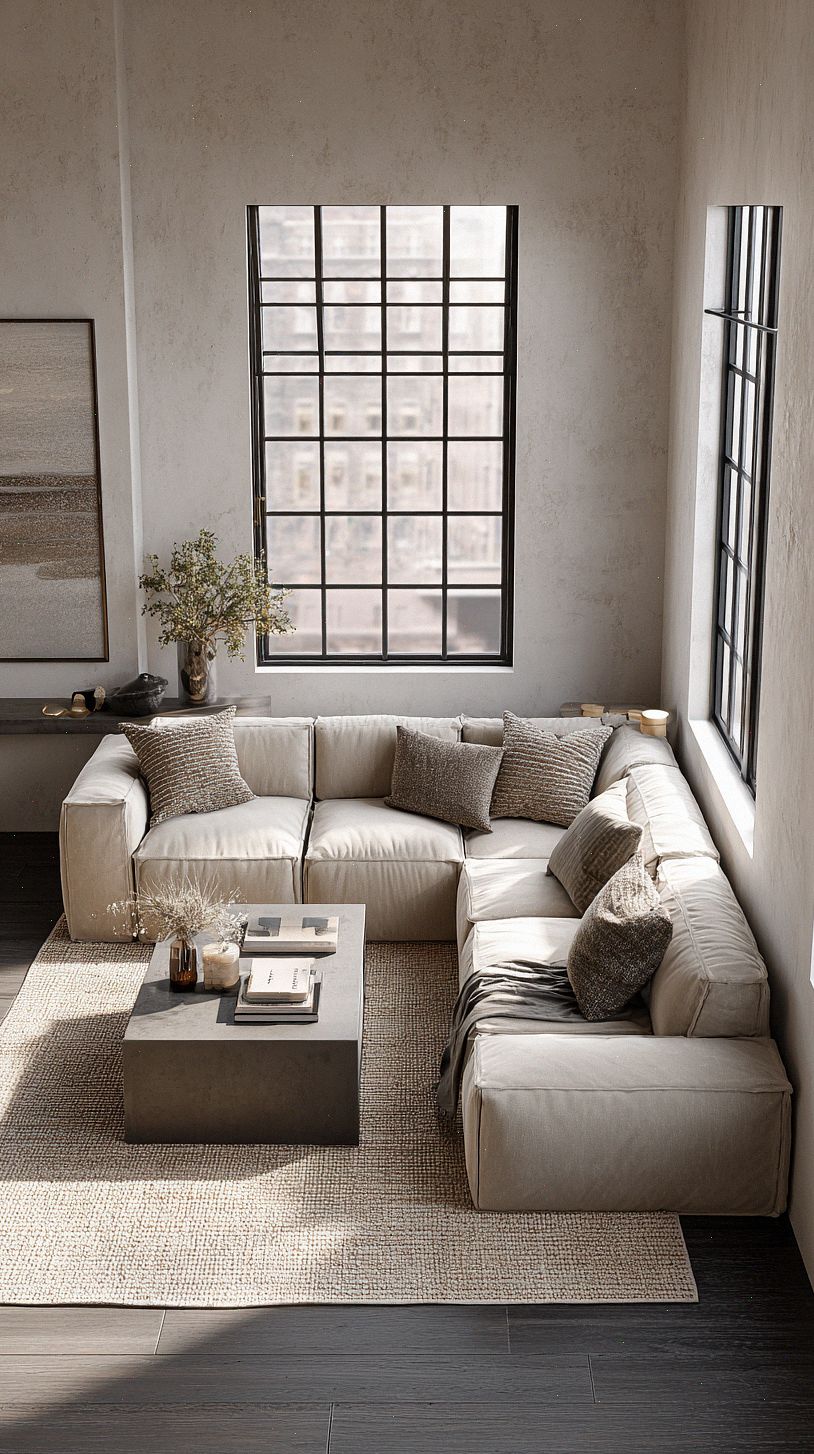
Designing this kind of space is less about copying a look and more about understanding layers: the foundational palette, the right furniture scale, and the materials that age beautifully, followed by textiles, lighting, and art that add warmth and personality. Along the way we will cover practical choices for layouts that function for everyday life, sourcing strategies for authenticity on a budget, and how to decide where to splurge versus save so the room feels cohesive and effortless rather than contrived.
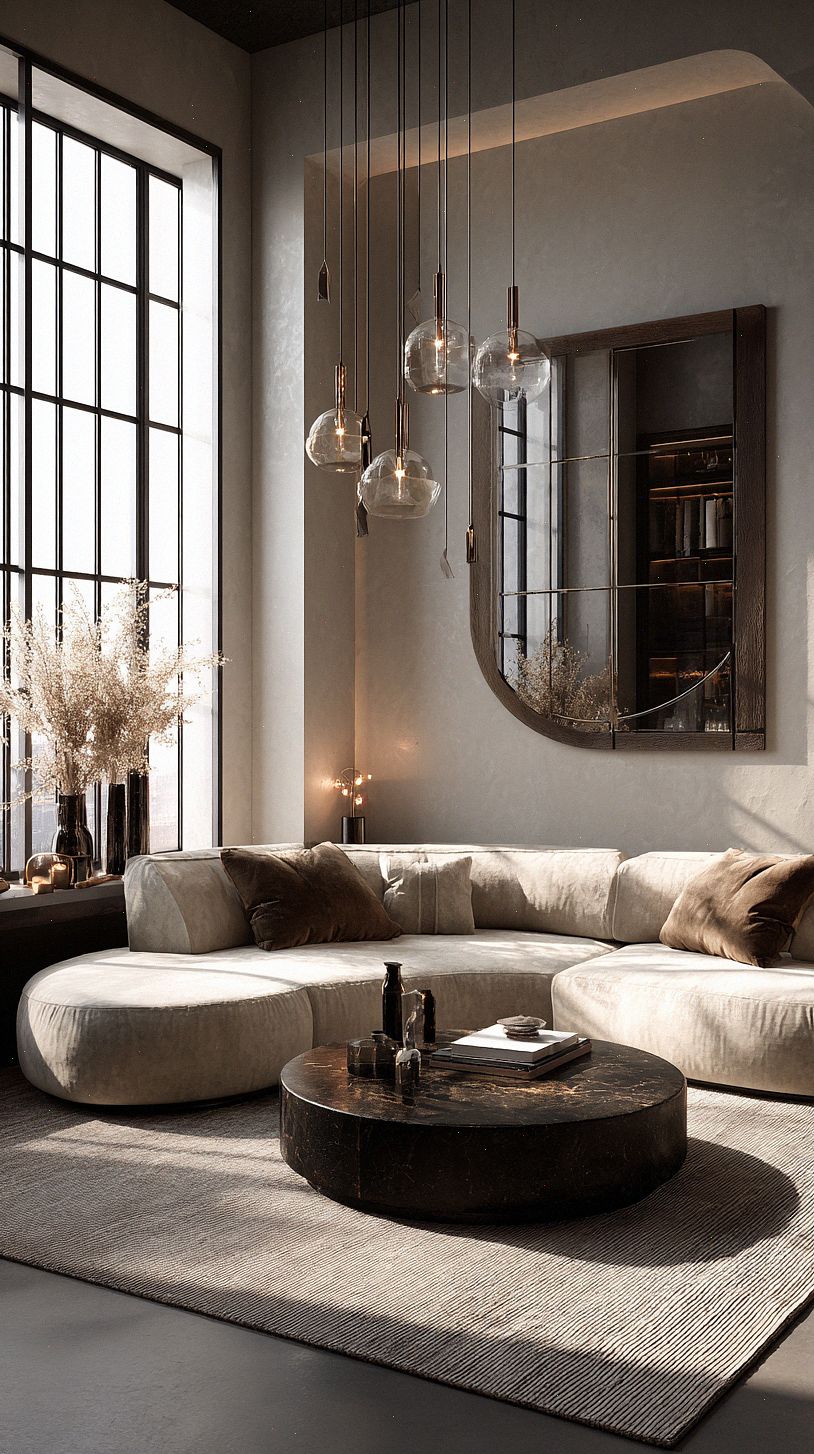
The Essence of RH: Timeless, Elevated Comfort
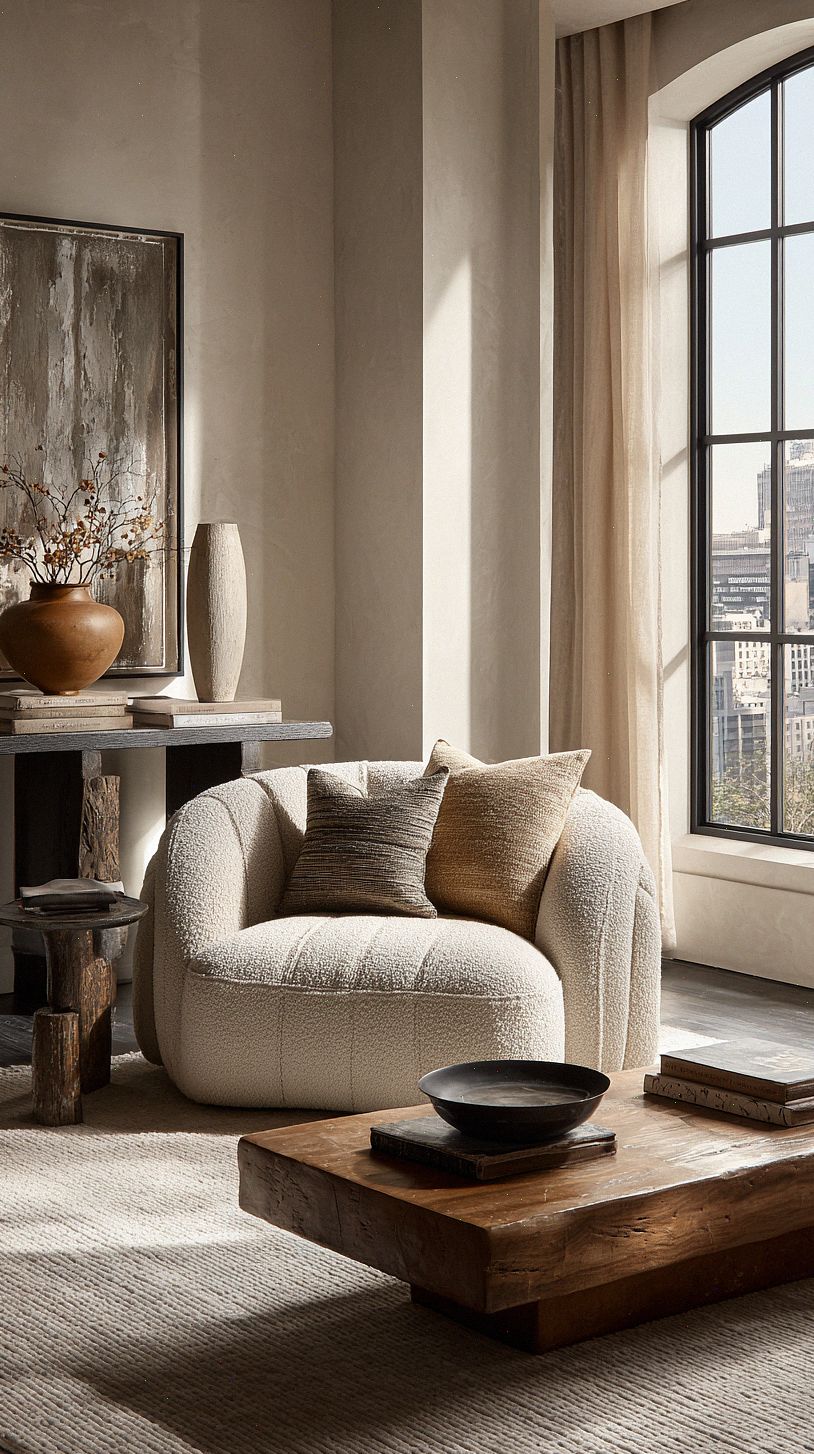
Think of RH as a quiet confidence in design: you lean into a neutral palette, generous scale, and pieces that feel both tailored and lived in. The look is all about quality materials like leather, linen, and aged metals, arranged with clean lines so everything reads polished without feeling precious.
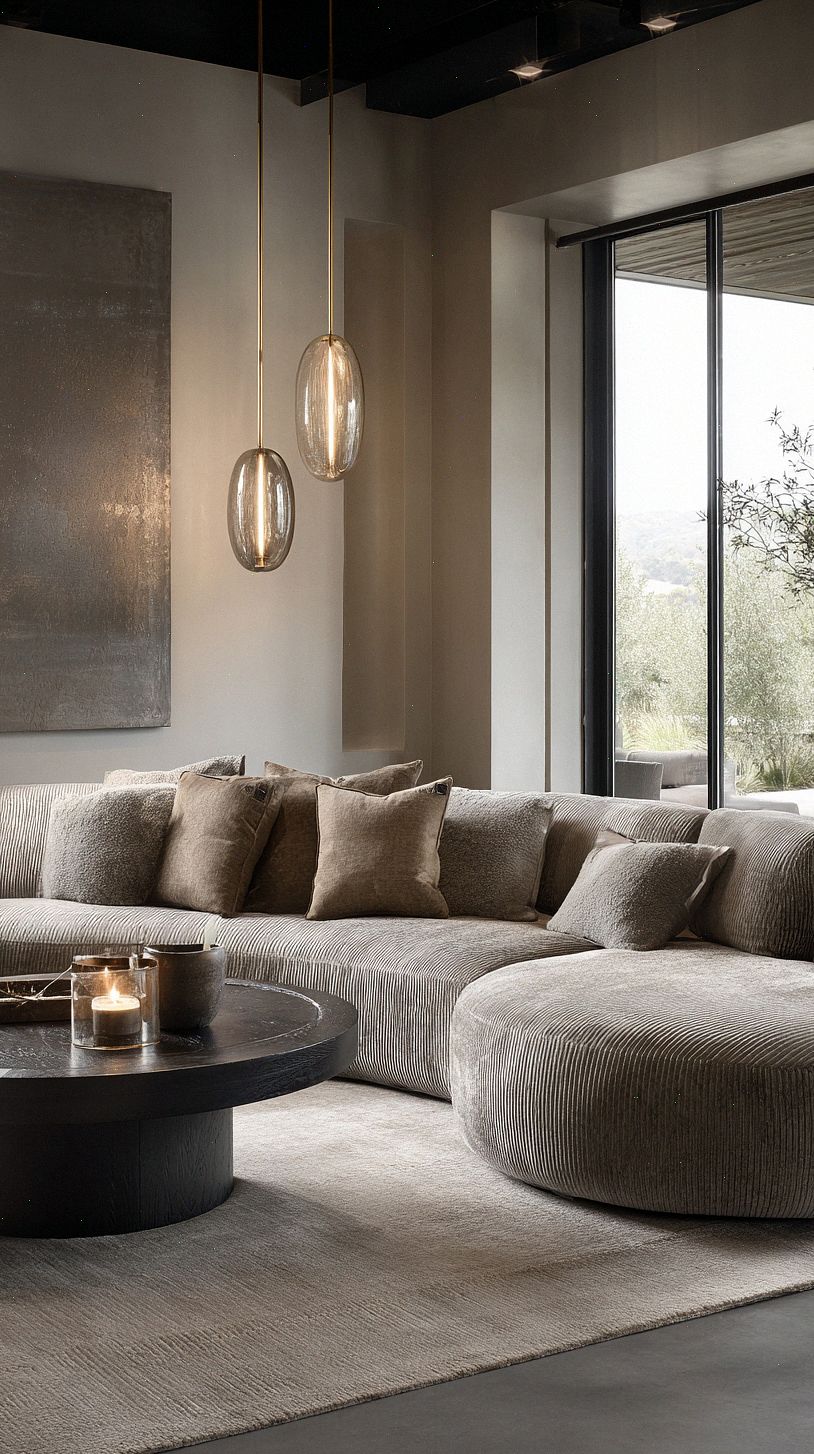
To get that elevated comfort, start with a few investment anchors and build around them with layered textures and soft, oversized seating that invites you to sink in. Keep accessories minimal and purposeful, let natural light and sculptural fixtures do the talking, and balance formality with relaxed touches so your room feels curated but utterly livable.
Building the Classic RH Color Palette

Start with a restrained neutral base: think warm creams, greige, and stone gray for walls and large upholstery. Anchor the room with one deeper tone like charcoal or deep navy for a sofa or an accent wall, then introduce black or aged bronze as your grounding metal to give the space that elevated RH feel.
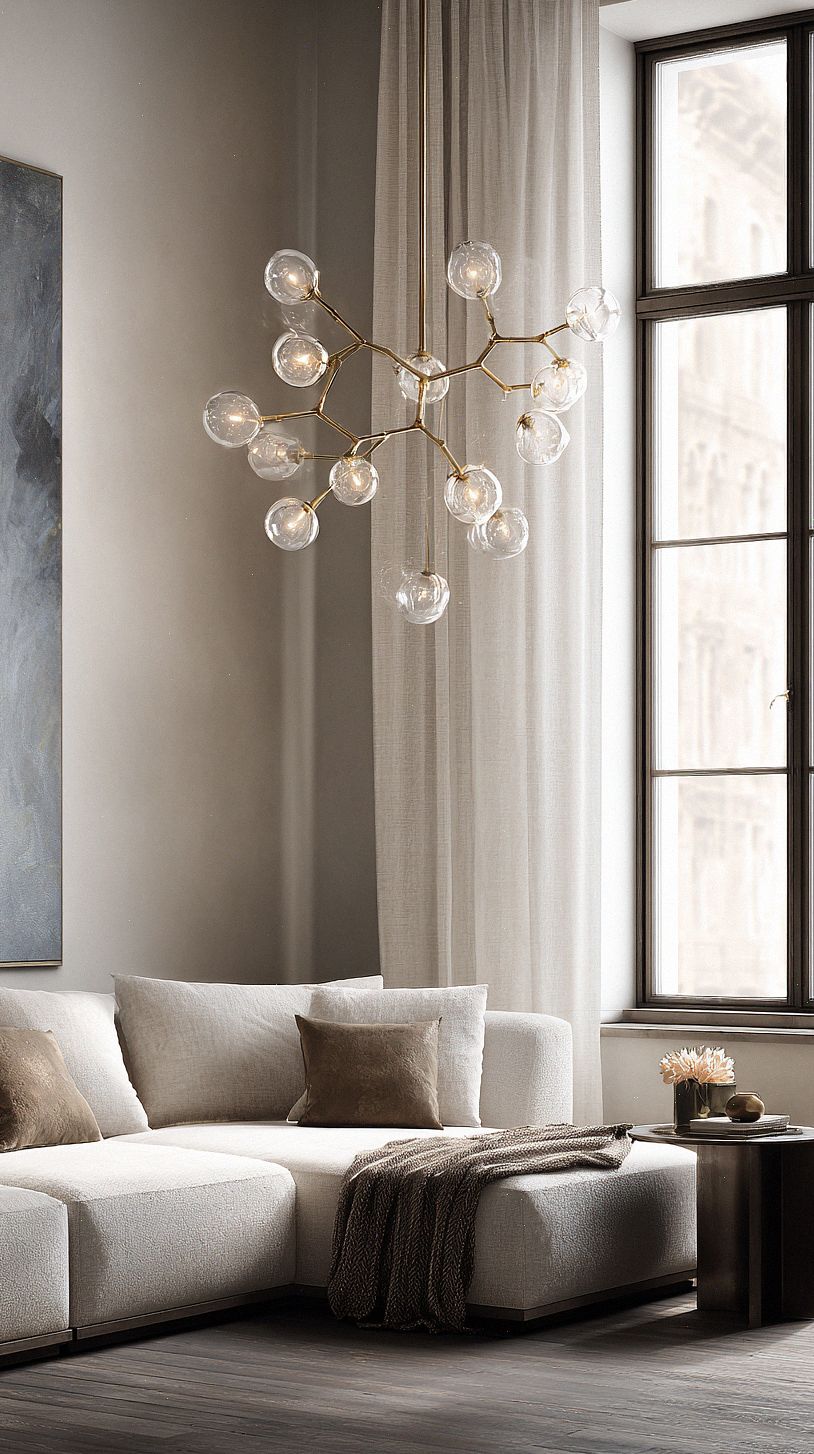
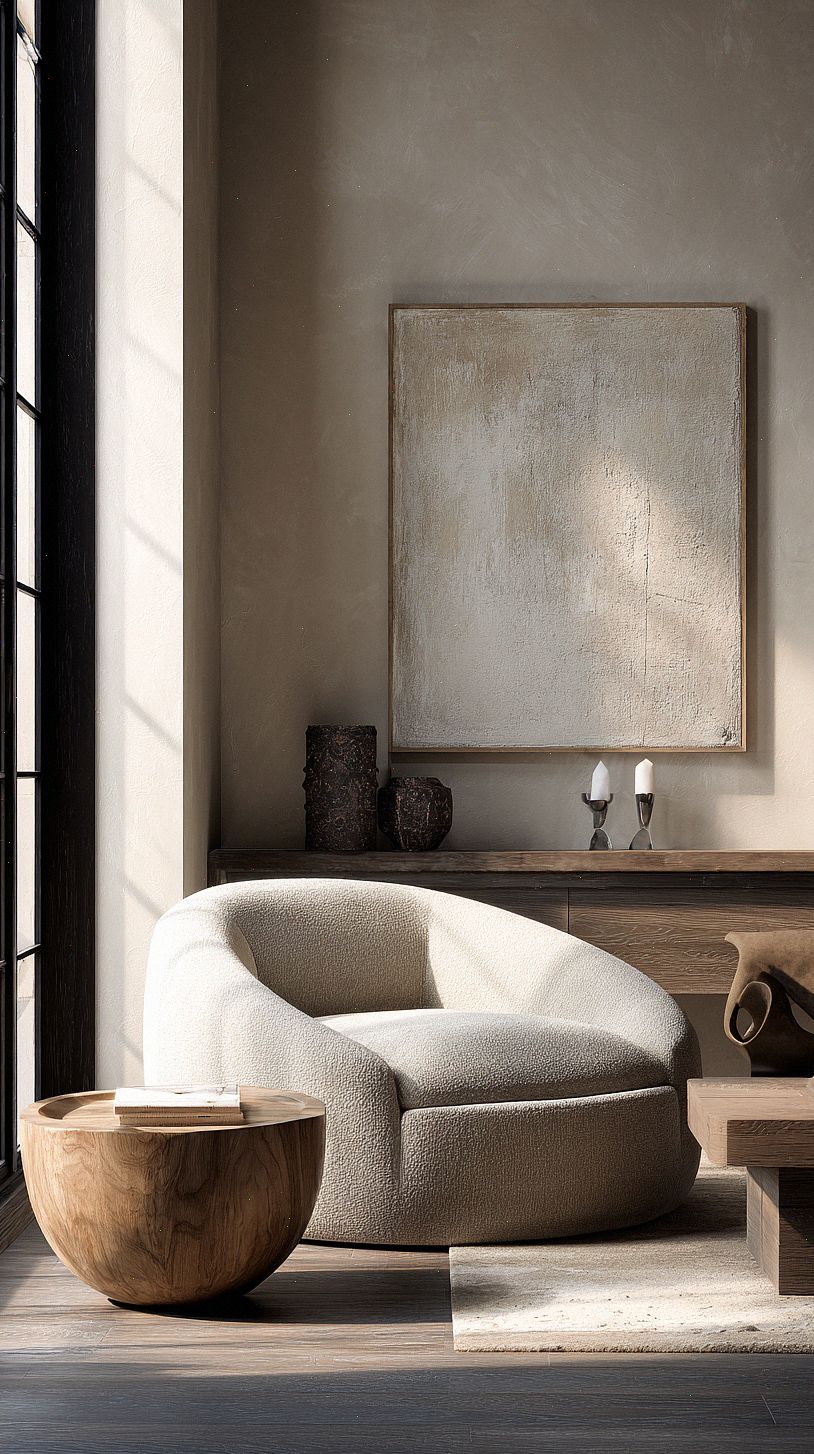
Layer in tactile finishes to keep the palette from feeling flat: natural wood, weathered leather, linen, and boucle add depth while staying within the neutral family. Reserve small, deliberate pops of color in artwork, a vintage rug, or greenery so the overall look reads timeless and collected rather than busy.
Choosing Signature Furniture: Scale and Proportion
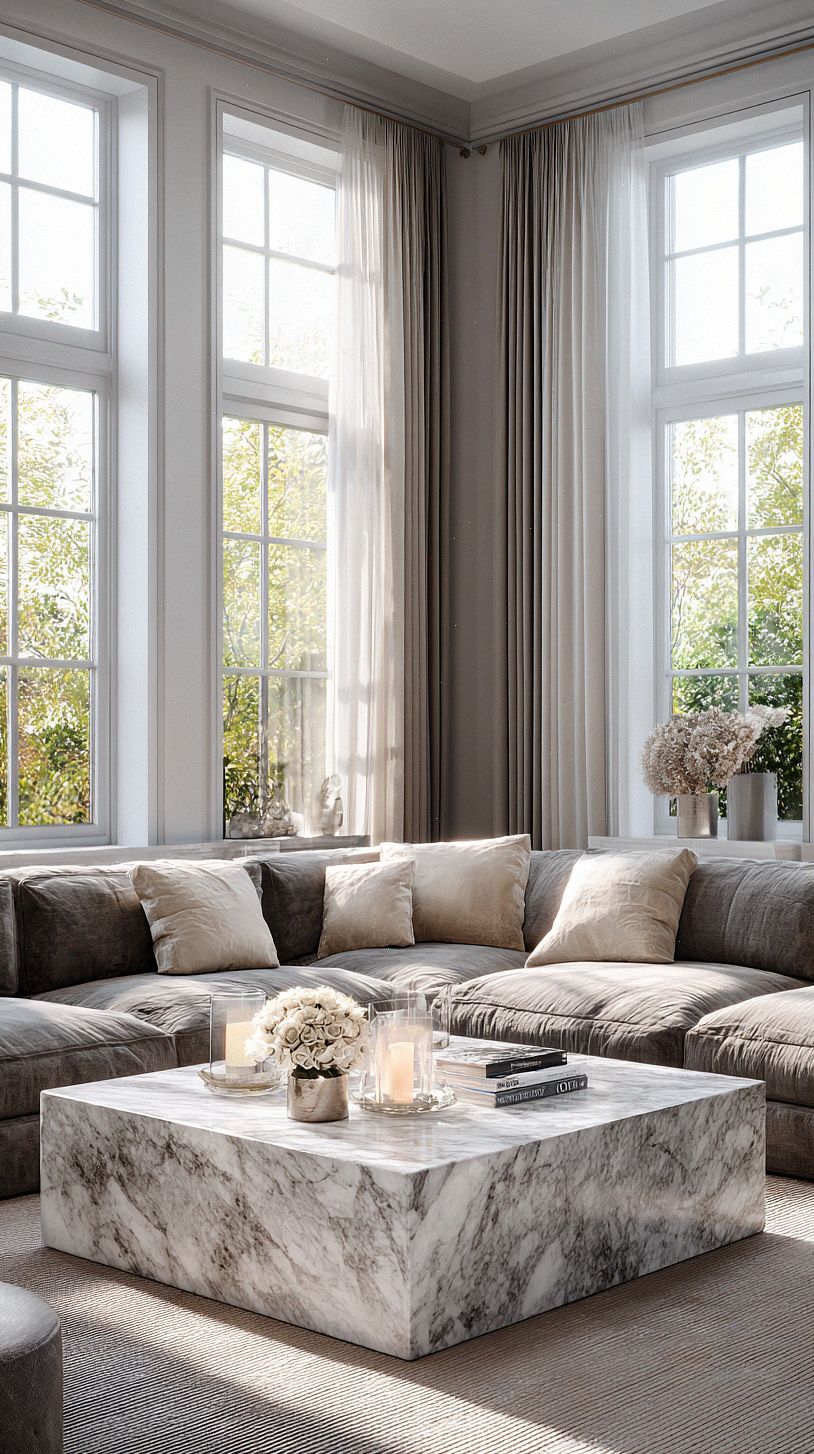
When you choose a signature piece, think about the room like a whole silhouette rather than individual items. Pick one anchor item, usually a sofa, that matches your ceiling height and room width, then build around it. Measure first, because RH-inspired pieces often read large and low, and you want them to feel purposeful rather than overpowering.
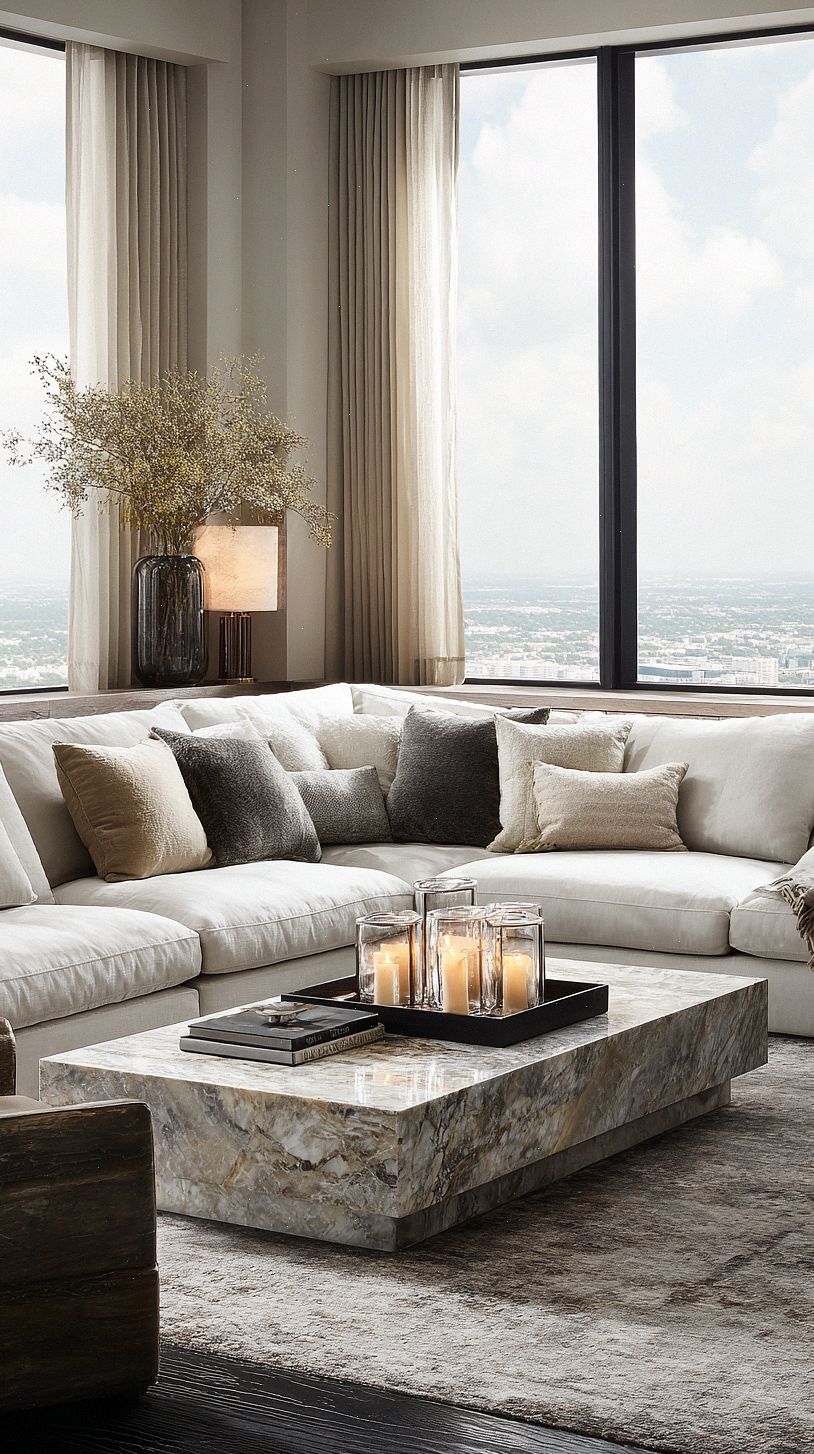
Balance large forms with negative space and proportionate accents. Leave at least 18 to 24 inches around a coffee table for circulation, set your rug so all front legs of seating sit on it, and pair a generous sofa with slightly smaller, sculptural chairs or a slender console to keep sightlines open. Scale accessories to the furniture, not the other way around, so the room breathes and each piece looks intentionally chosen.
Luxurious Materials: Leather, Linen, and Marble
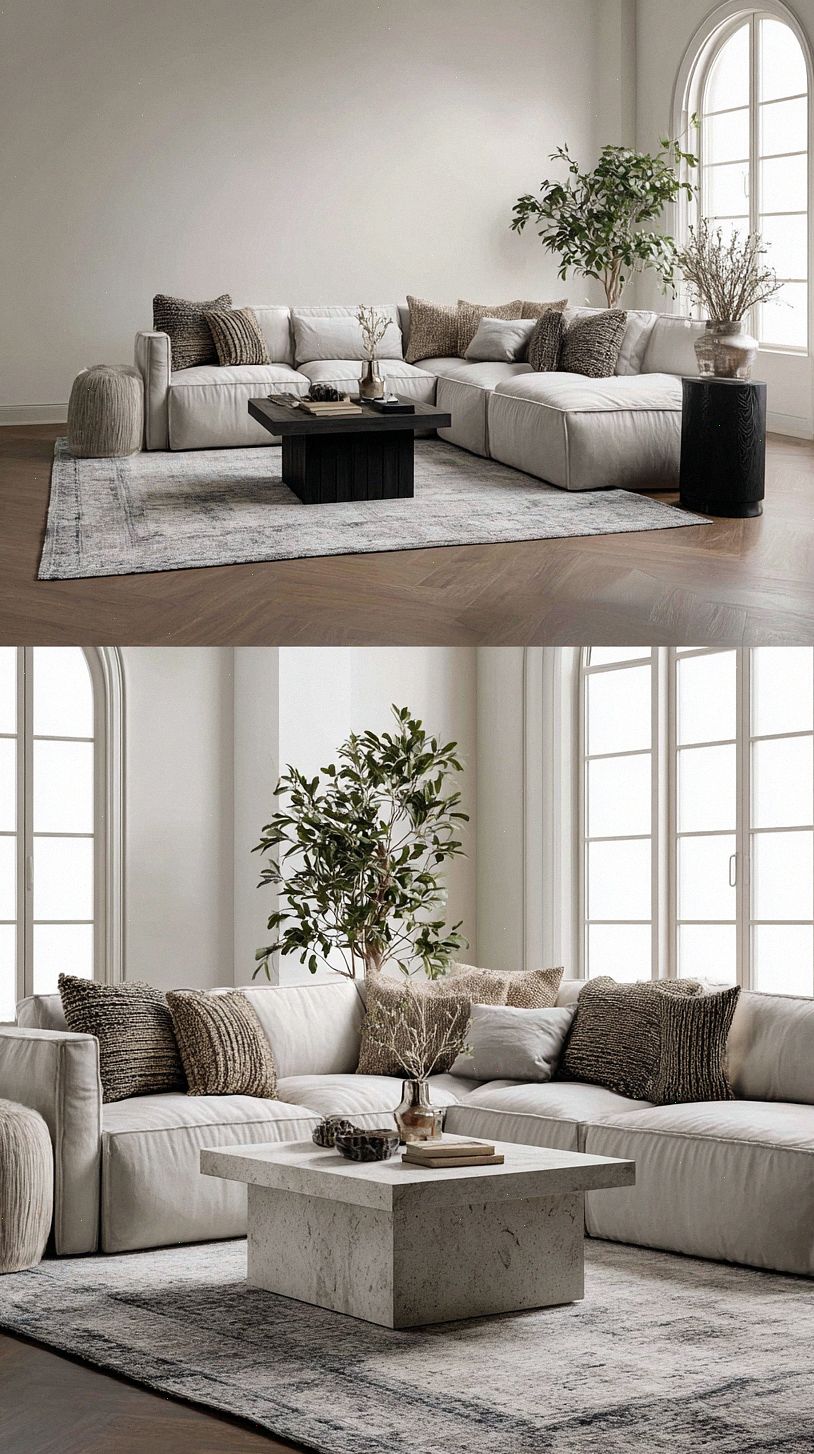
Choose leather, linen, and marble to build a room that feels both lived in and elevated. A deep leather sofa gives you warmth and rich patina that improves with time, while linen slipcovers, throw pillows, and curtains add an airy, relaxed counterpoint. Stick to a neutral palette so the materials can shine, and mix finishes like matte leather with nubby linen to keep the look layered and inviting.
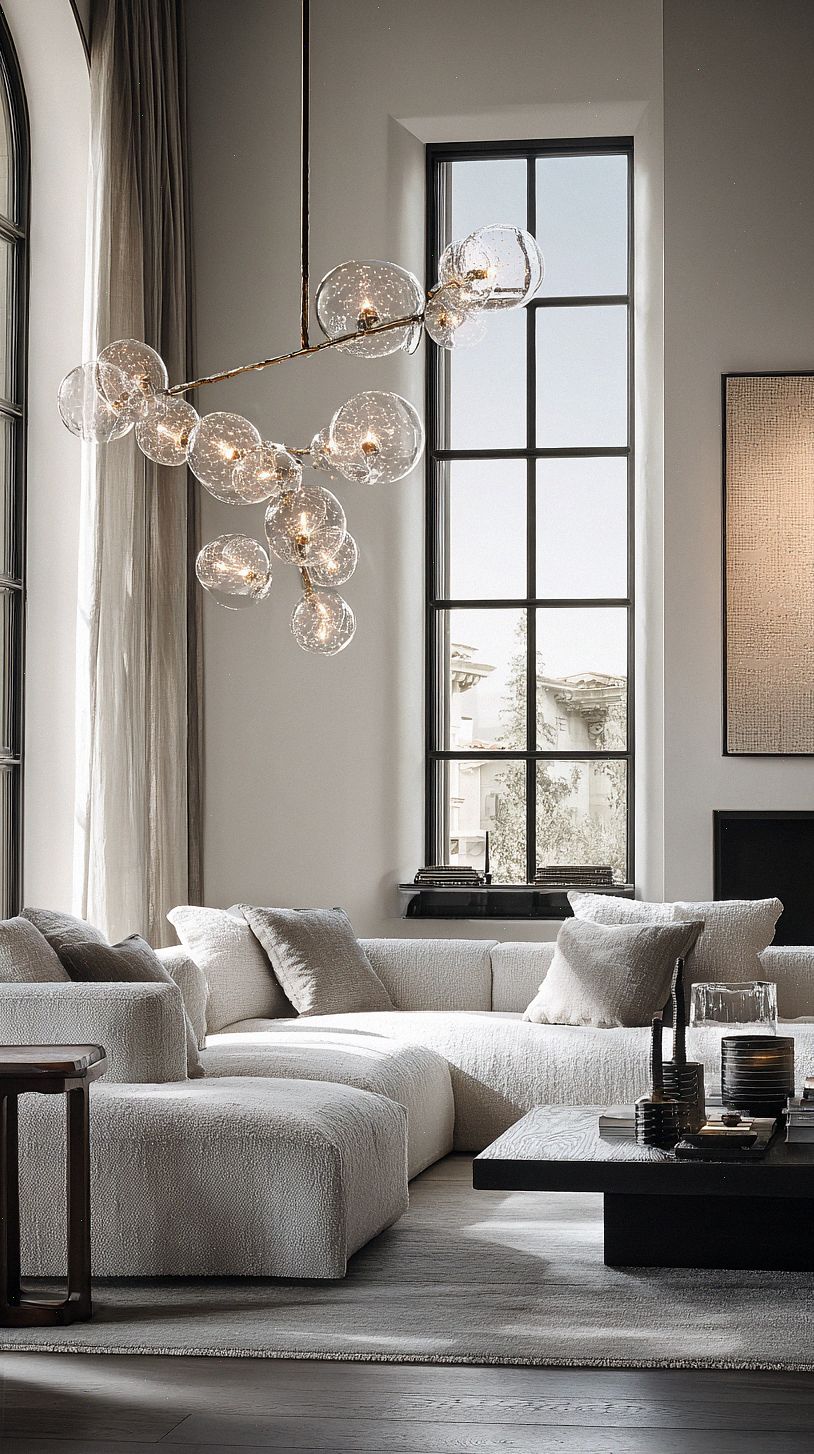
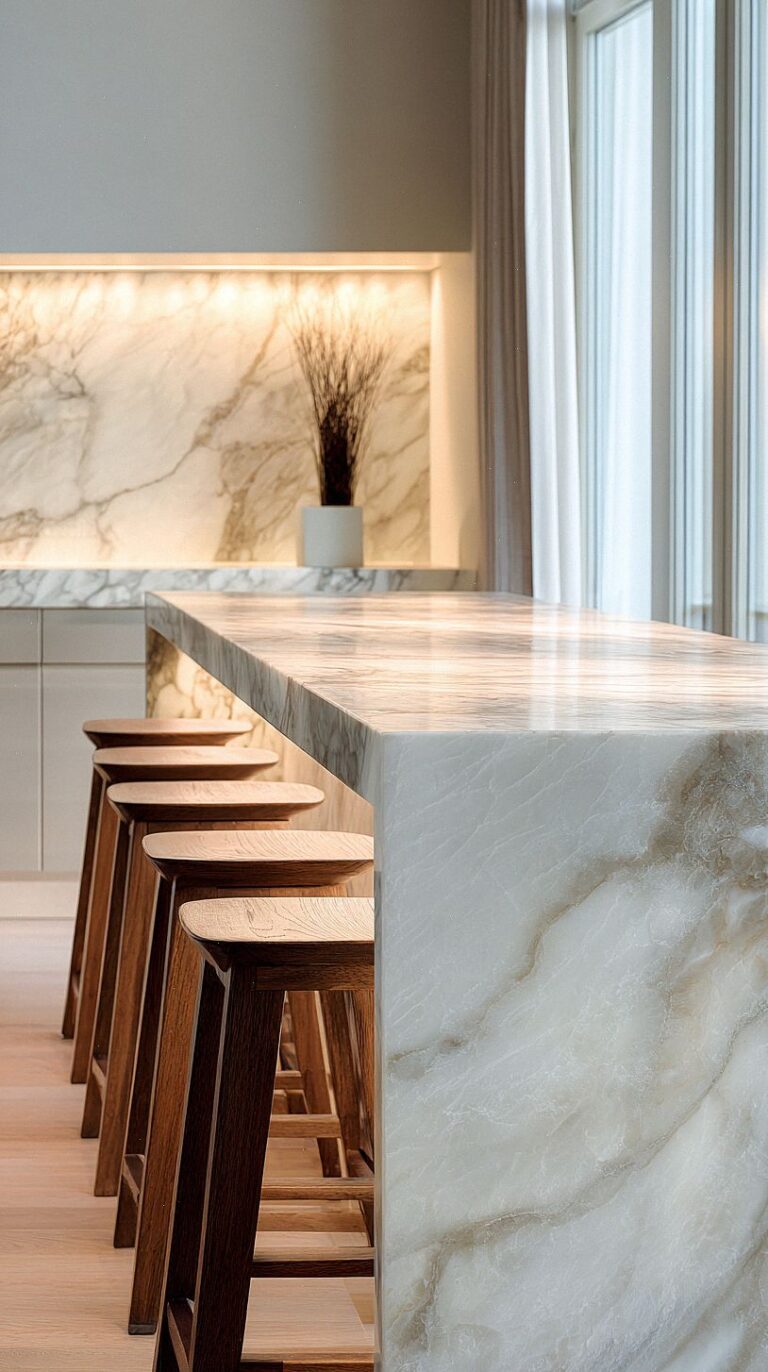
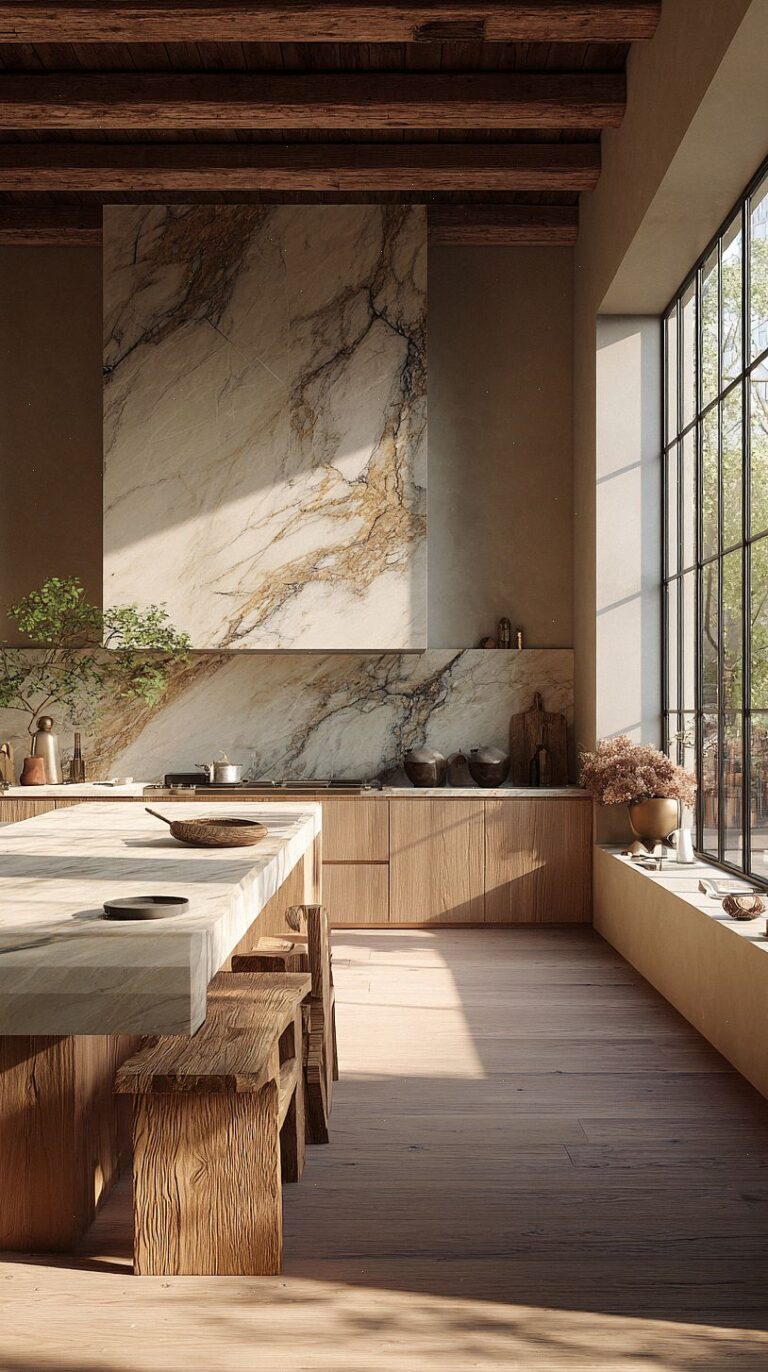
Use marble selectively to create moments of quiet luxury, on a coffee table, mantel, or side table top where its veining becomes a focal point. Pair marble with warm metals or dark wood to avoid a cold feel, and balance solid, weighty pieces with lighter linen accents so the room remains timeless and easy to live in.
Architectural Details and Layered Molding
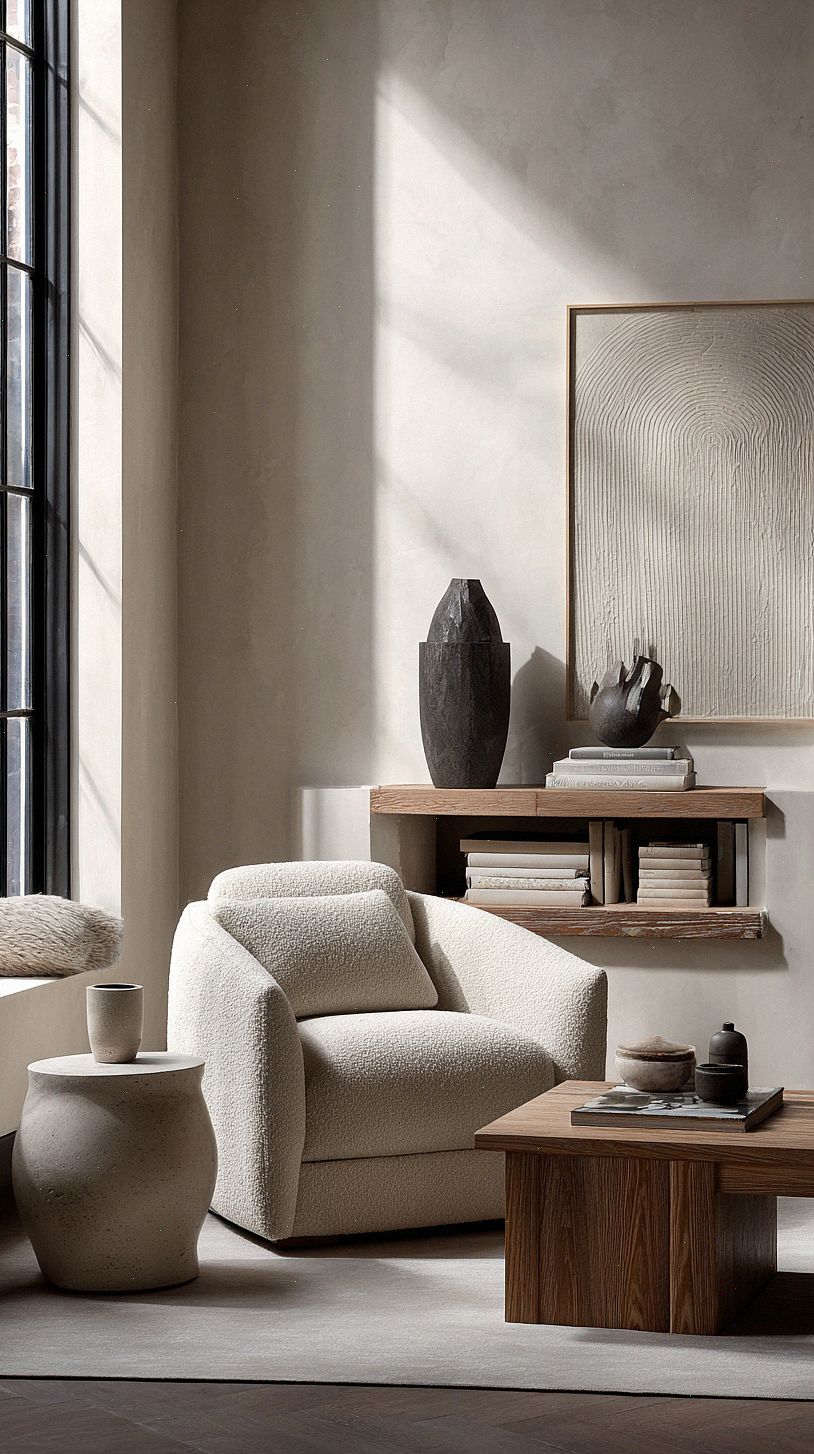
Think of architectural details as the bones of your RH-inspired living room. Layered moldings like a substantial baseboard, picture frame panels on the walls, a modest crown and a coffered or beamed ceiling create depth and a quietly luxurious backdrop for your furniture. Keep the profiles simple and proportionate to the room size so the lines read elegant rather than fussy.
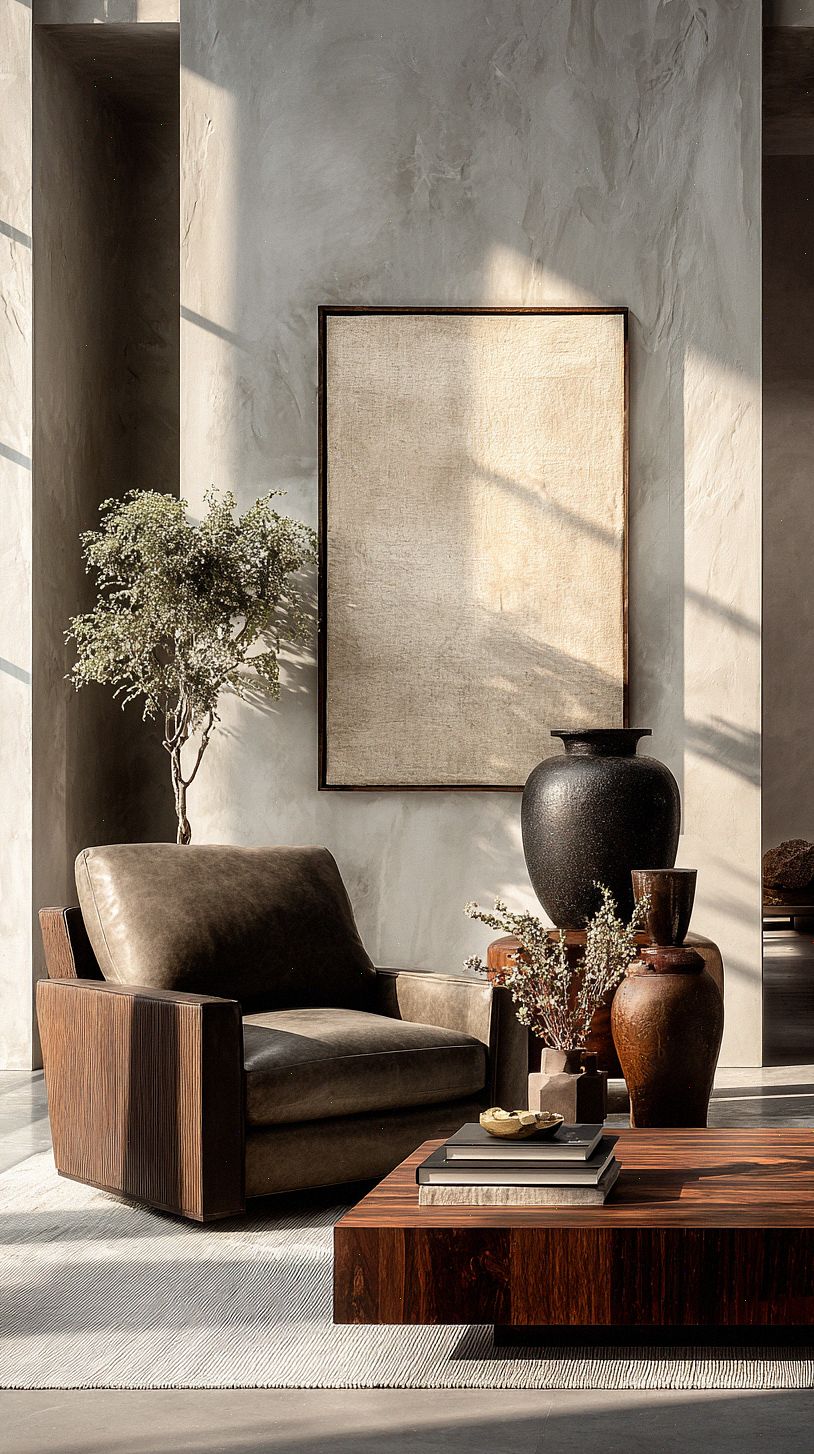
For a refined look, paint the moldings the same soft neutral as the walls to read cohesive, or go crisp white for a classic contrast that highlights shadow and texture. Use picture-frame molding to frame art or the TV, add a mantel surround to anchor seating, and consider subtle shadow gaps between layers to catch light. Balance is key, so match the scale of the trim to your furnishings and resist the urge to over-ornament.
Statement Lighting and Sculptural Fixtures
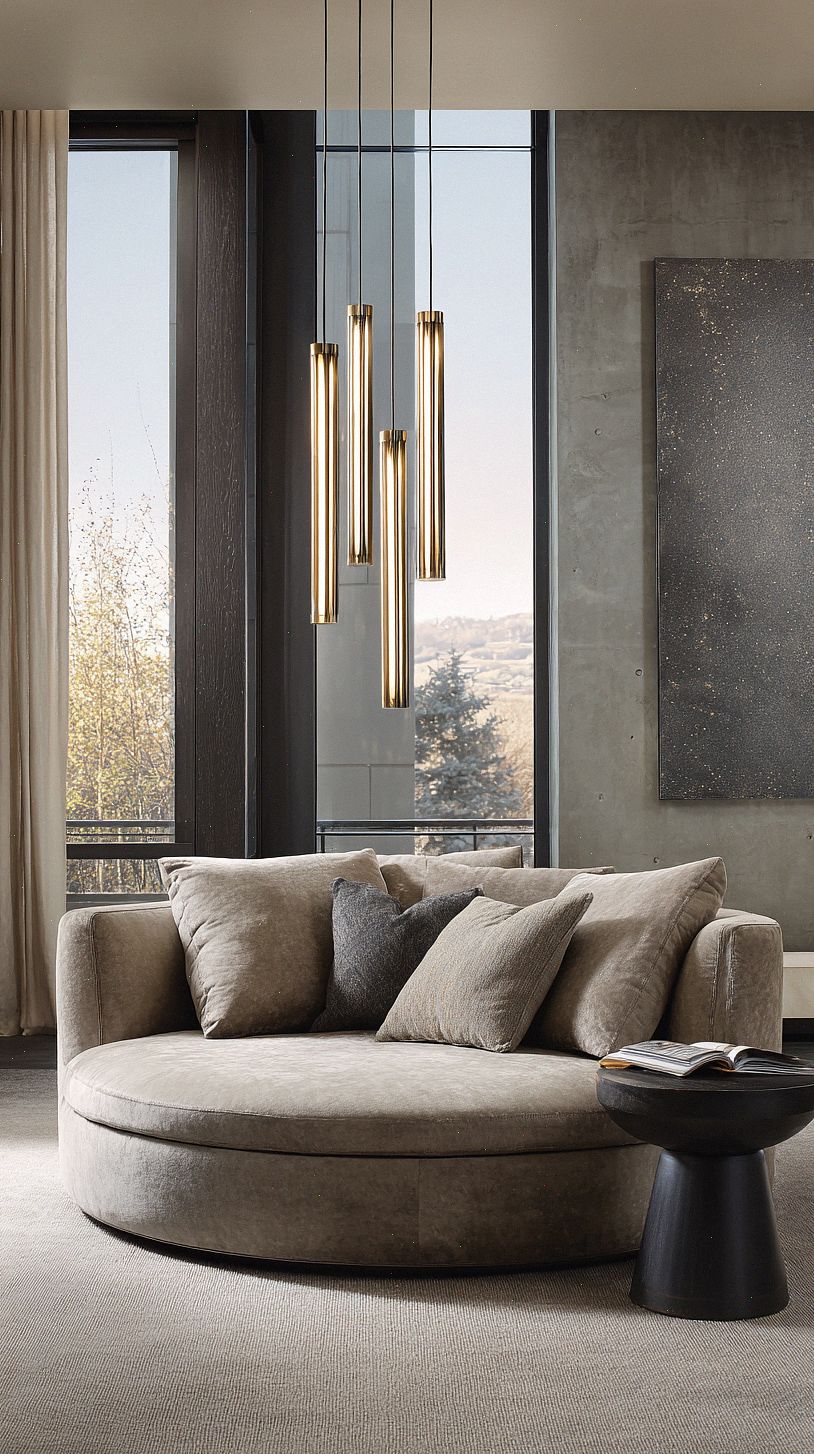
Choose one bold fixture to anchor the room and let the rest follow. A large chandelier or a linear pendant hung low over the seating area gives instant RH polish and sets the room’s scale, while dimmers allow you to shift from bright and social to warm and intimate. Stick to rich finishes like aged brass, matte black, or smoked glass so the fixture reads luxurious without feeling fussy.

Treat sculptural lighting as wearable art for your room: look for organic curves, stacked forms, or cluster pendants that create movement and shadow. Place them where they can be seen from multiple angles, balance size with your furniture, and coordinate metals and textures with other accents so the fixture complements rather than competes with your curated pieces.
Textiles and Layering for Cozy Sophistication
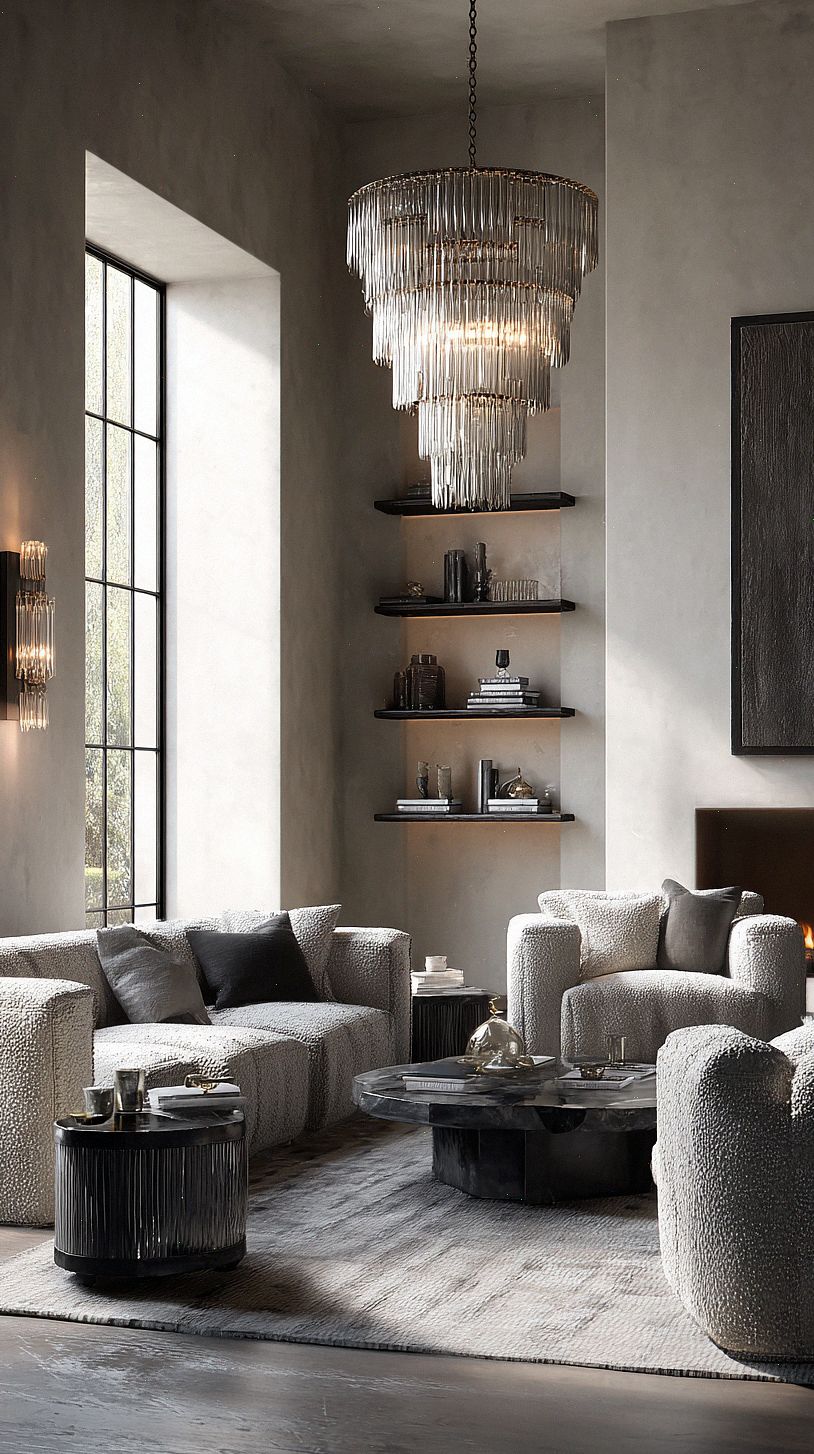
Start with rich, tactile foundations: a low-pile wool rug to anchor the seating, upholstery in linen, leather, or tight-weave velvet, and floor-to-ceiling drapery in a soft neutral. Then introduce contrast through texture rather than loud color, adding a silk-luster pillow, a cashmere throw, and a faux-fur or sheepskin layer to create that pulled-together RH feel.

Layer thoughtfully by varying pile, weight, and scale so each piece reads as deliberate. Keep patterns subtle and colors tonal, repeat textures across the room to unify the scheme, and swap lighter linens for heavier wools seasonally to maintain both comfort and refined style.
Styling with Curated Art and Sculptural Objects
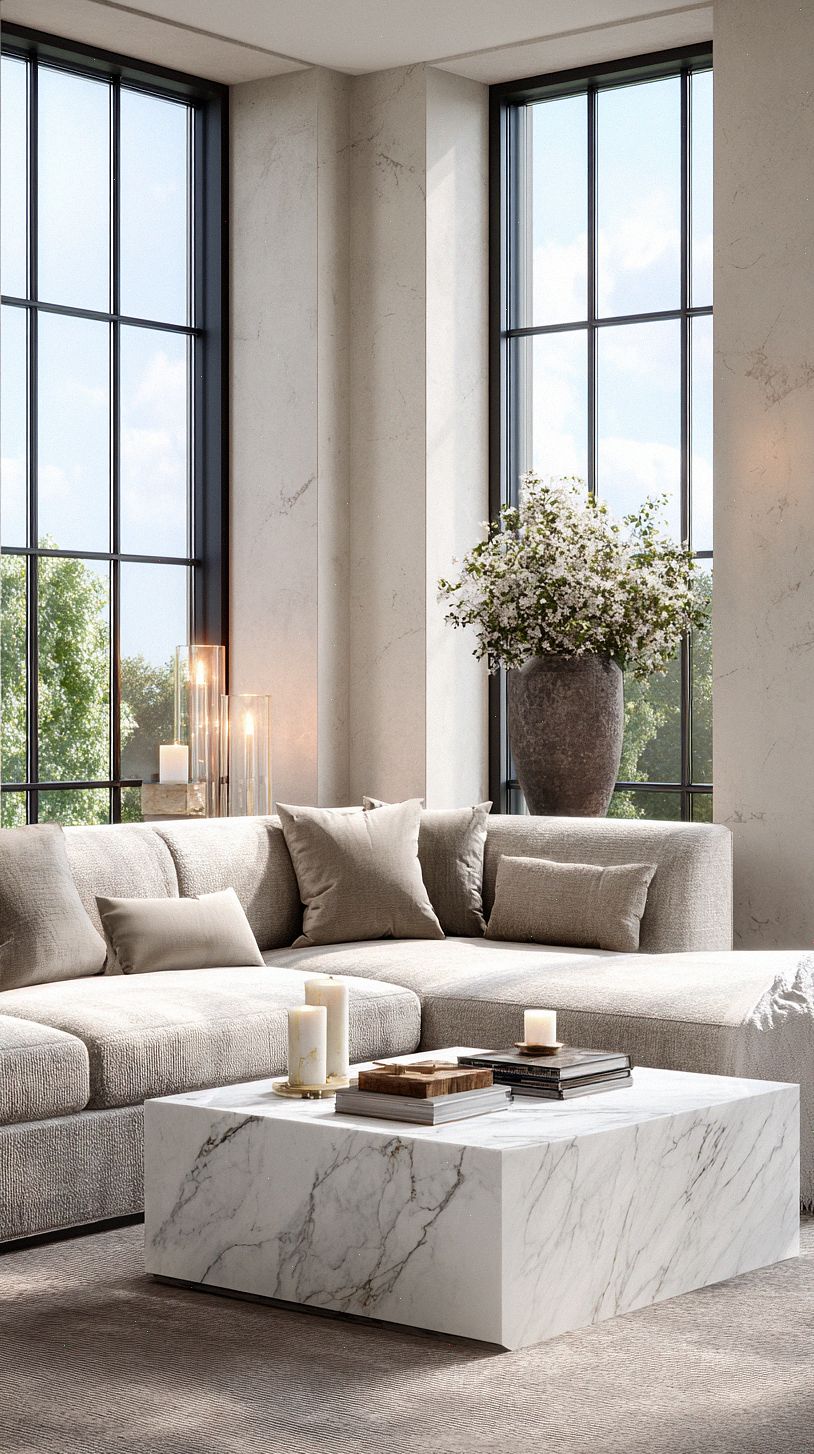
Choose one strong piece of art to anchor the room and keep the rest understated so everything feels curated, not cluttered. Think large scale above the sofa or a single oversized canvas in a calm palette, then add smaller works with consistent frames or mats so your eye moves through the space smoothly; leave plenty of breathing room around each piece to maintain that elevated, gallery-like feel.
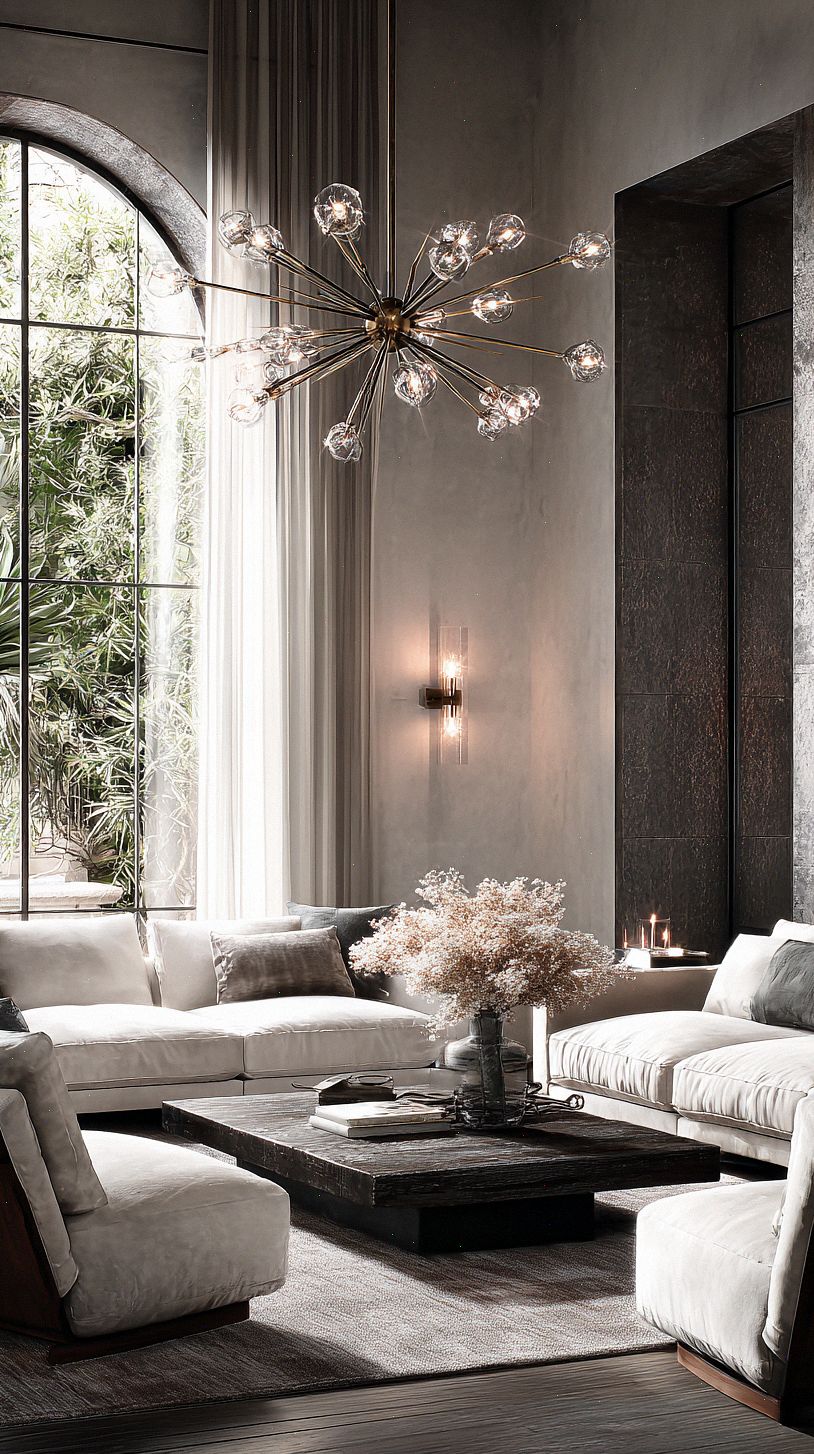
Treat sculptural objects like punctuation marks that punctuate negative space rather than fill it up. Mix materials like stone, hand-blown glass, and warm metal in odd-number groupings, vary heights with pedestals or stacks of books, and place them on a coffee table, console, or a floating shelf where directional light can pick up their forms.
Creating Functional, Elegant Layouts
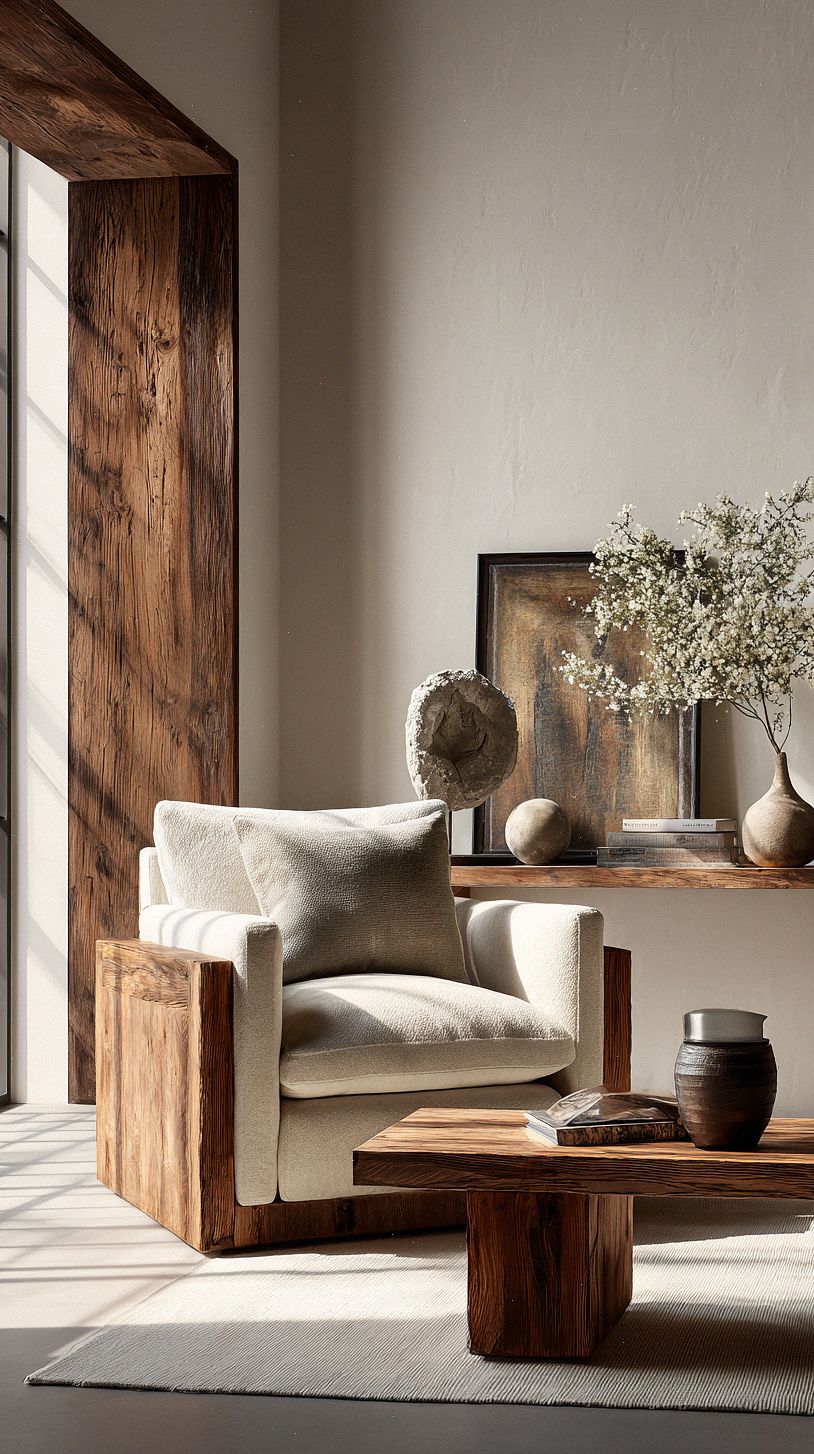
Start by arranging the room around a clear focal point, whether it’s a fireplace, a large window, or a piece of art, and build a conversation area that invites people to linger. Float the sofa away from the wall if space allows, anchor the seating with a rug, and keep traffic paths about 30 to 36 inches wide so movement feels effortless. Pay attention to scale and proportion: low, deep seating feels inviting, but balance it with taller lamps or a console table so nothing looks dwarfed.
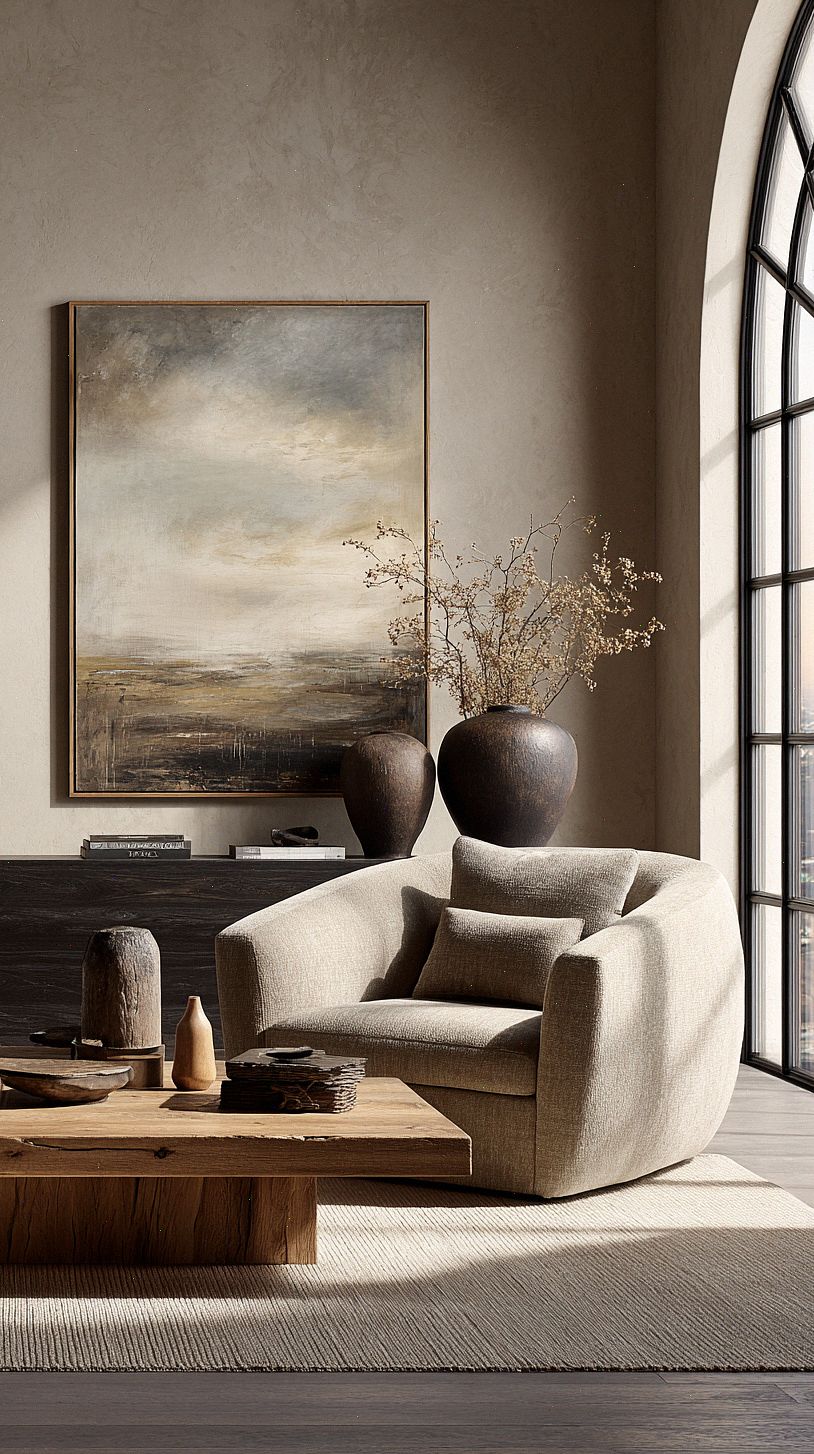
Make every piece earn its place by combining beauty with purpose—think storage ottomans, slim side tables, and a console behind the sofa for extra surface and visual layering. Layer lighting with overhead, task, and accent sources to create warmth, and curate accessories in small, intentional groupings so the room reads elegant rather than cluttered.
Sourcing, Budgeting, and Achieving Authenticity

Start by deciding where you want to spend and where you can save. Invest in a well-made sofa, rug, and statement lighting because those anchors set the room’s tone, then hunt for budget-friendly accents like side tables, art, and pillows. Look beyond big retailers: consignment stores, estate sales, online marketplaces, and outlet or floor model sales will get you the look for less, and reupholstery or refinishing can transform a thrifted find into something that reads high-end.
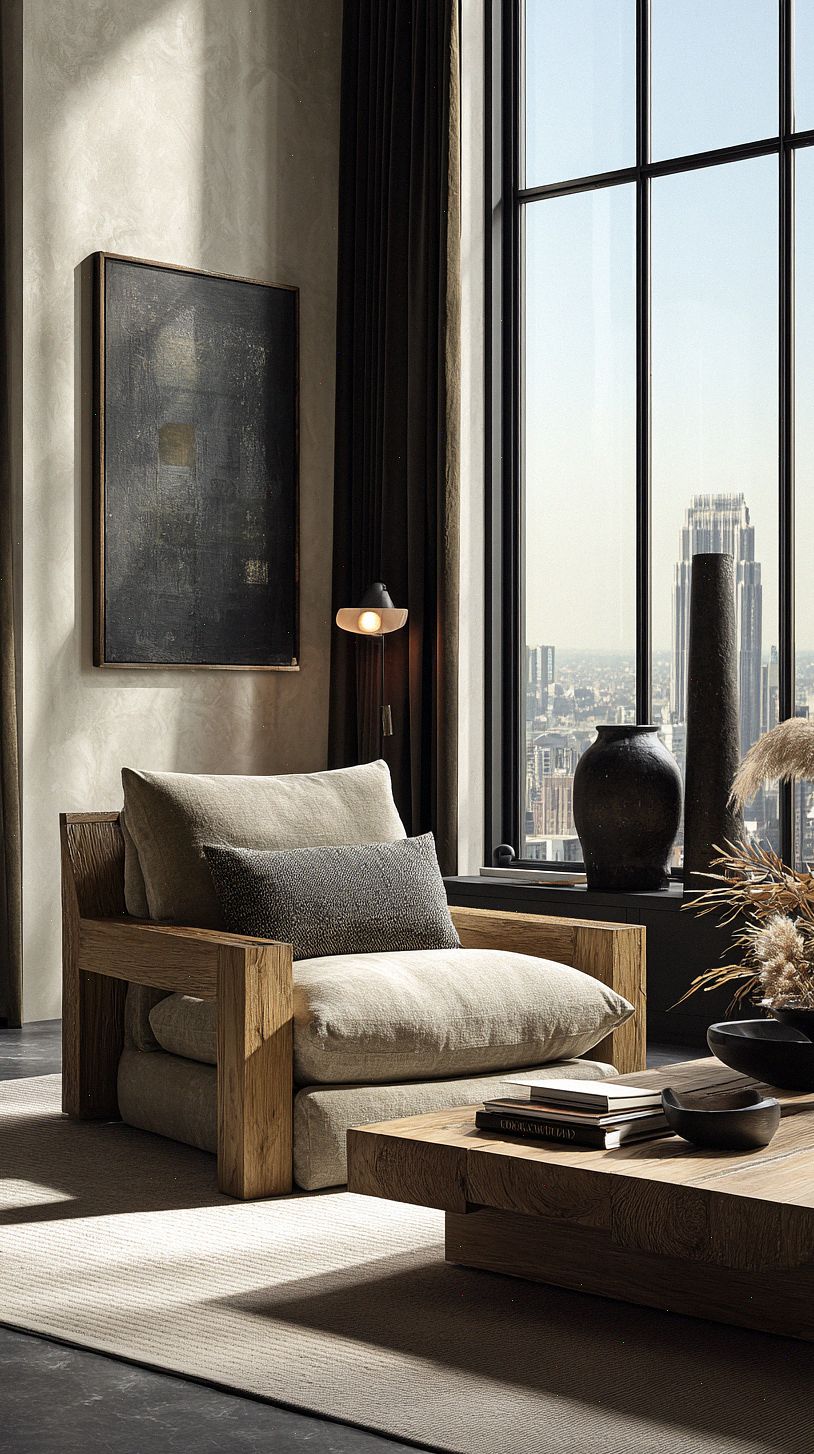
Authenticity comes from materials, scale, and a lived-in feel, not from labels. Stick to natural linens, leathers, and solid woods, layer textures and warm metallics, and mix a few genuine vintage pieces with newer, cleaner items to create depth. Keep proportions right for your space and edit accessories so each piece looks intentional rather than staged.