A Guide to Creating a Japandi Kitchen That Feels Calm and Intentional
We love kitchens that feel like a calm, intentional pause in a busy day, and Japandi gives us exactly that: the spare elegance of Japanese design paired with the cozy warmth of Scandinavian style. By focusing on a soft, soothing palette, honest natural materials like wood and stone, and layouts that prioritize function and flow, we can create a space that feels both minimal and inviting rather than cold or austere.
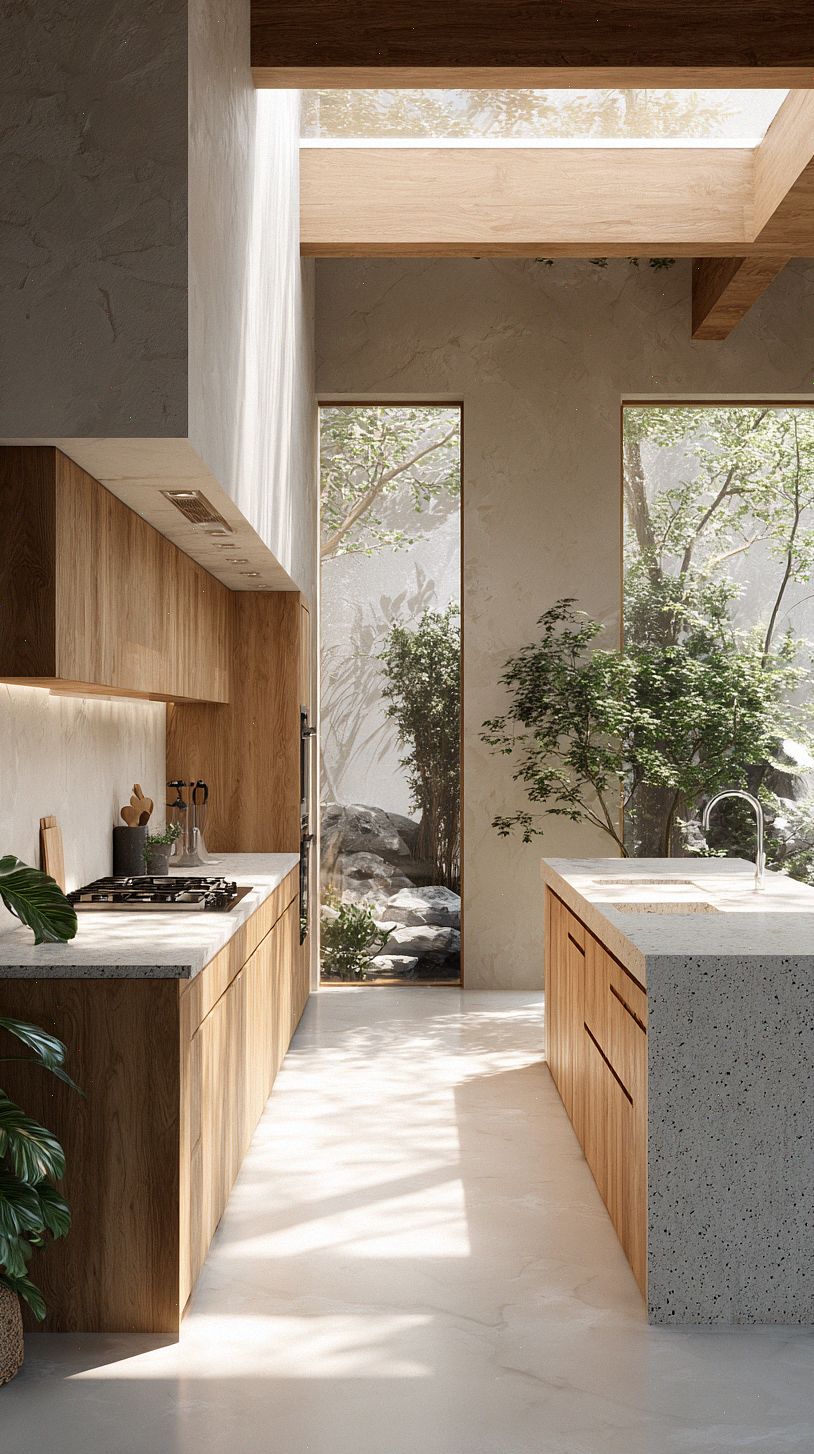
Throughout this guide we’ll explore practical choices that make a big difference—smart hidden storage to keep counters clear, simple fixtures and hardware that whisper rather than shout, layered textures from linens and ceramics that add tactile comfort, and lighting that brings out the warmth and grain of materials. We’ll also dig into small styling rituals, the quiet power of greenery, and sustainable habits that help a Japandi kitchen stay serene for years to come.
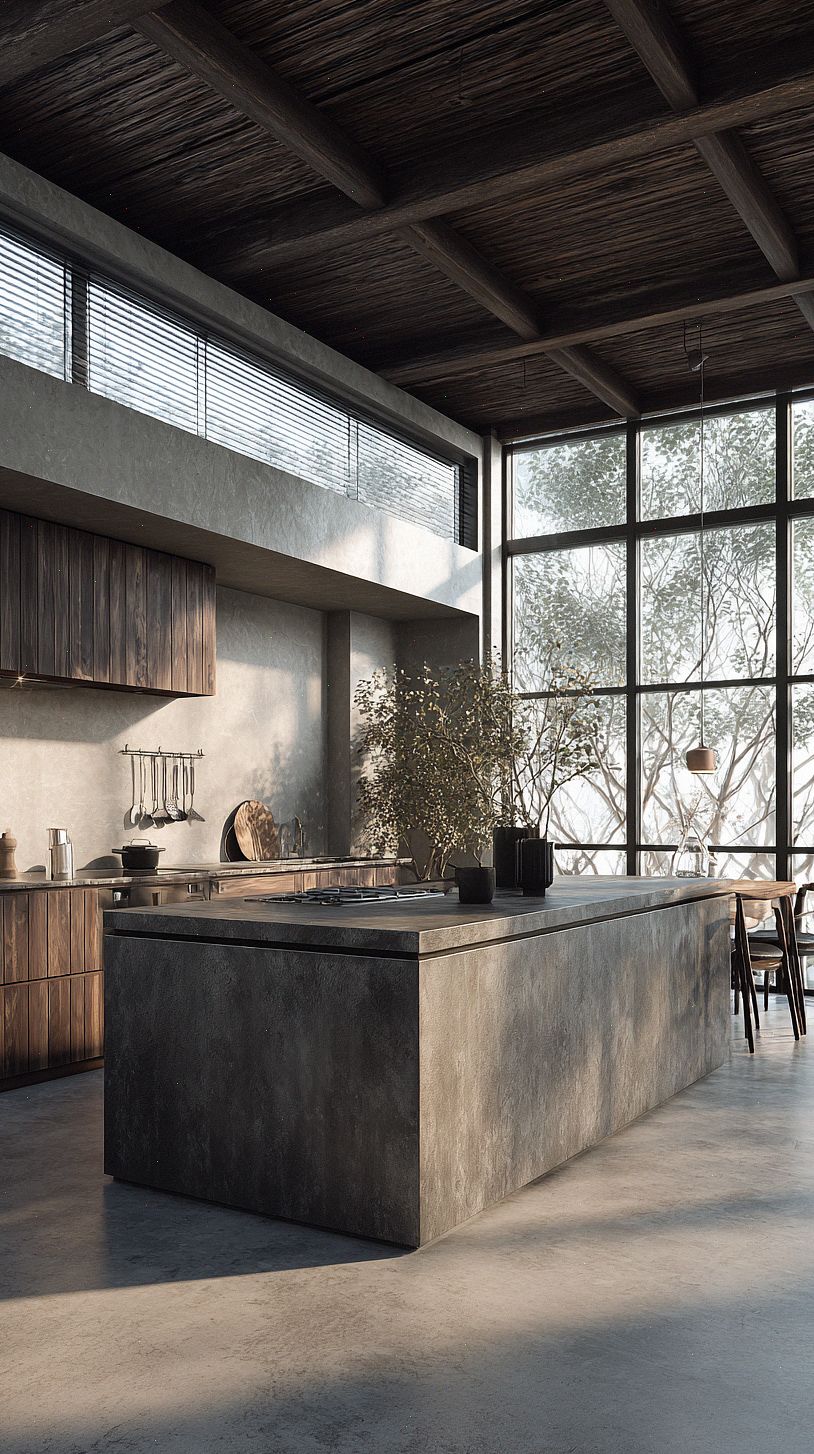
The Essence of Japandi: Calm, Minimal, and Warm
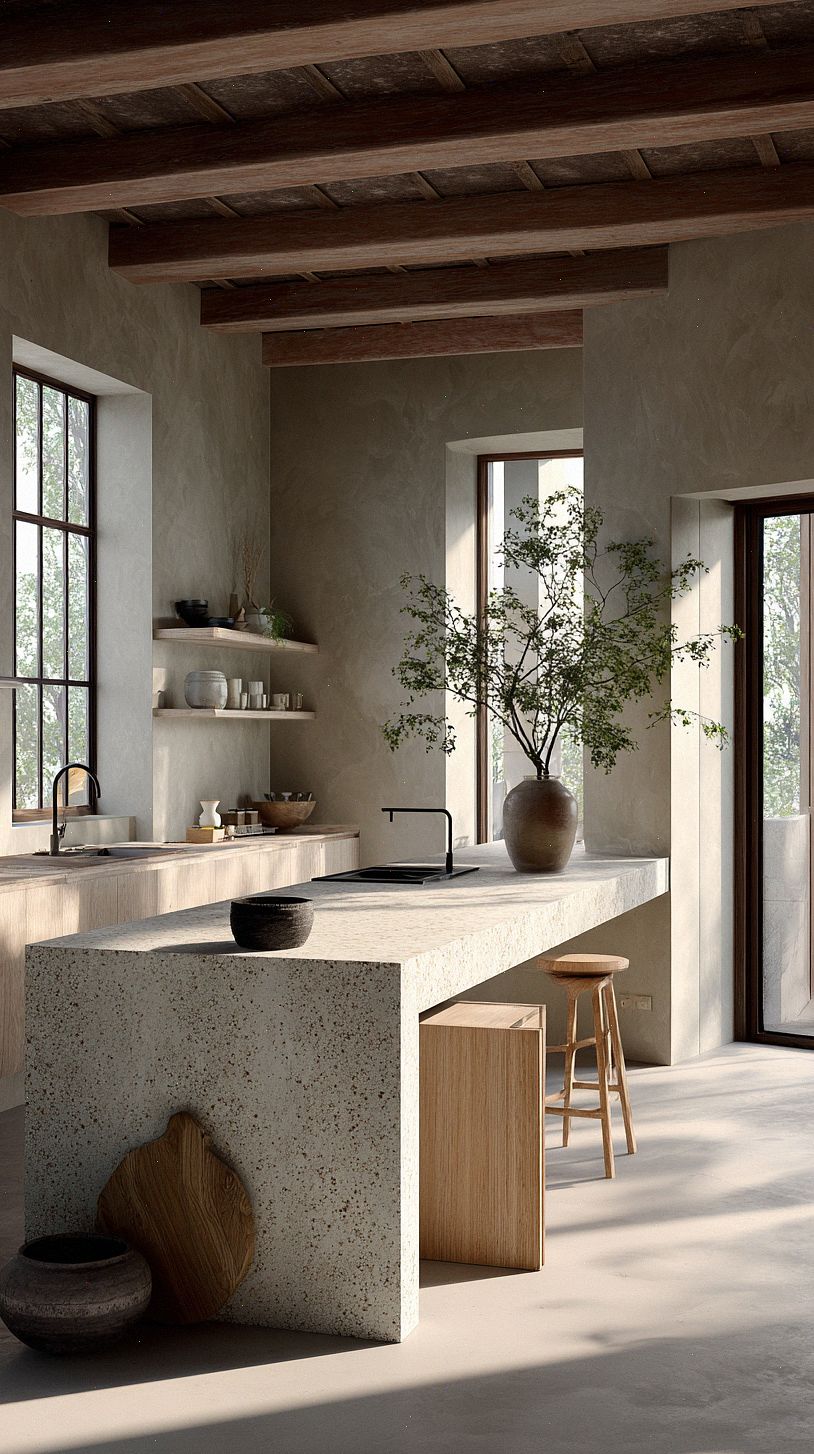
Think of Japandi as a quiet handshake between Japanese restraint and Scandinavian coziness. You get calm from clean lines, uncluttered surfaces, and a muted palette, and warmth from natural wood, tactile ceramics, soft textiles, and careful lighting that invites you to linger in the kitchen instead of rush through it.
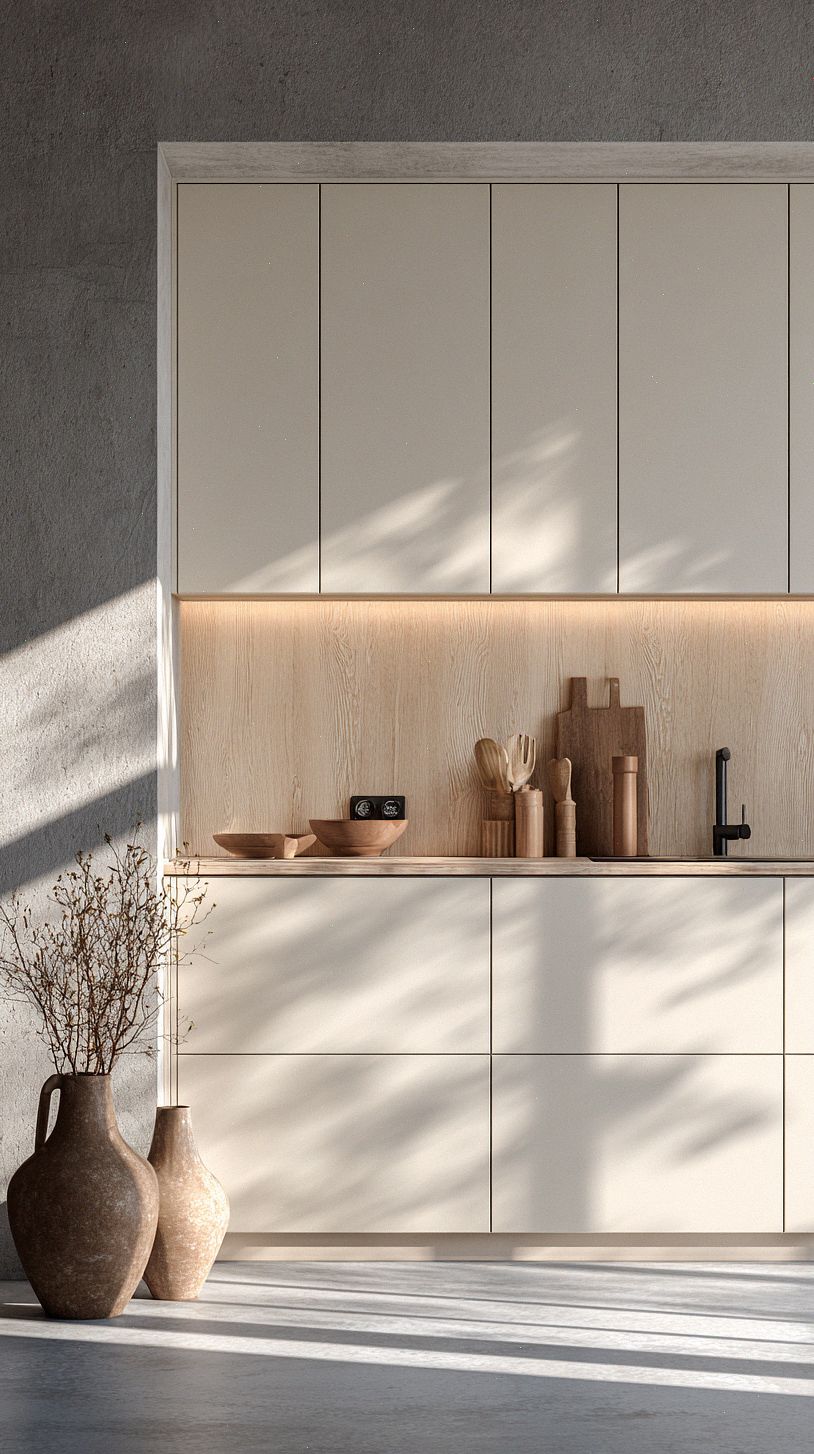
Bring that feeling to life by curating what stays on your counters and choosing pieces that are both useful and beautiful. A few well made bowls, open shelving with neatly arranged essentials, a single potted plant, and warm wood tones will make your space feel intentional, peaceful, and ready for slow, joyful cooking.
A Soothing Japandi Color Palette
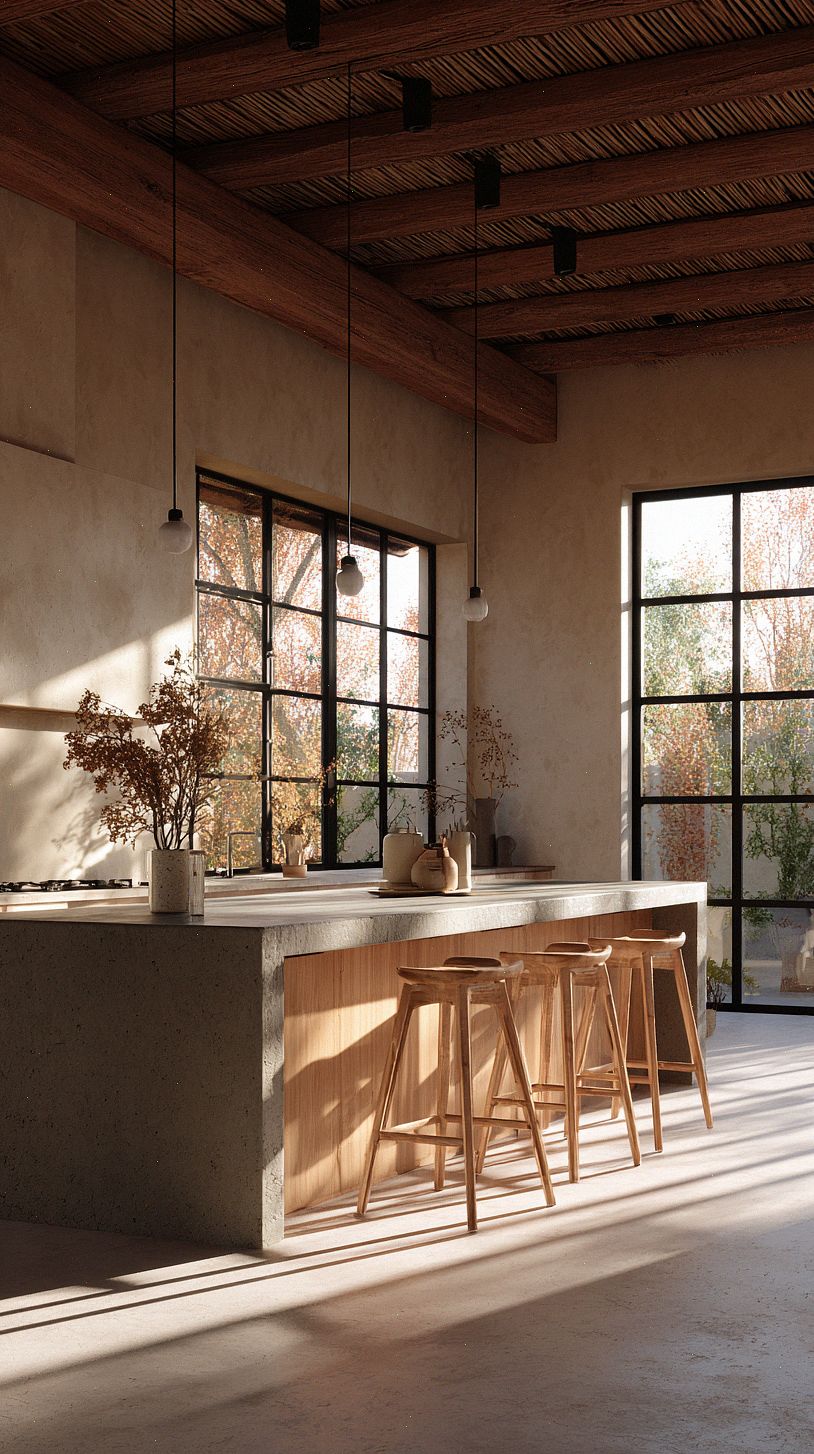
Think soft, not saturated: start with a base of warm whites or creamy beiges, layer in earthy greys and muted greens, and let natural wood tones bring warmth. A few matte black touches or deep charcoal details can add quiet contrast without stealing the calm, while tactile materials like stone, linen, and rattan keep the palette feeling lived in.
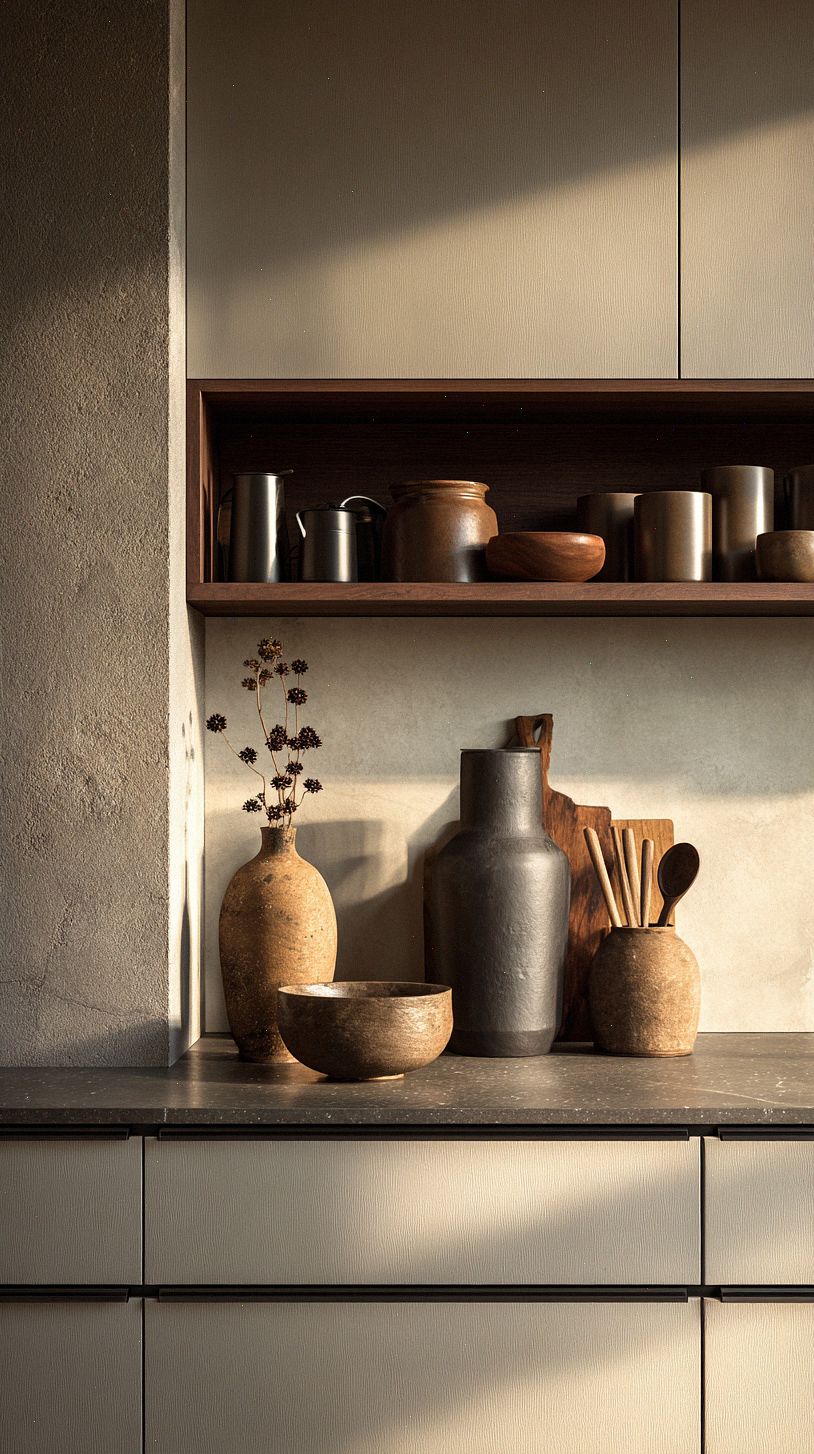
Limit yourself to three or four key tones and repeat them across cabinets, countertops, and textiles so everything reads as intentional. Use wood finishes and subtle variations in tone to create depth, and let texture do the heavy lifting so the colors stay soothing rather than flat.
Natural Materials: Wood, Stone, and Wabi‑Sabi Textures
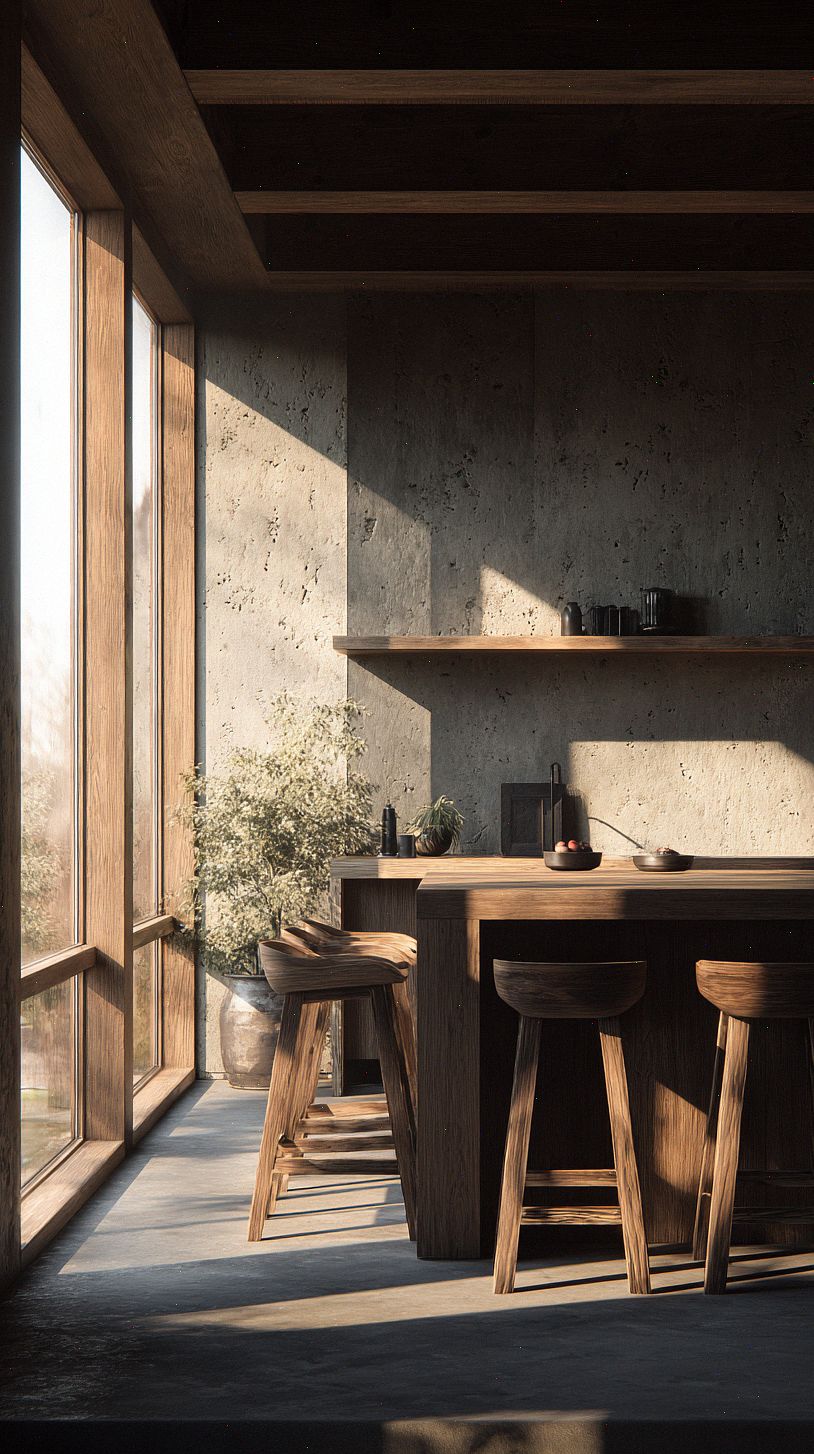
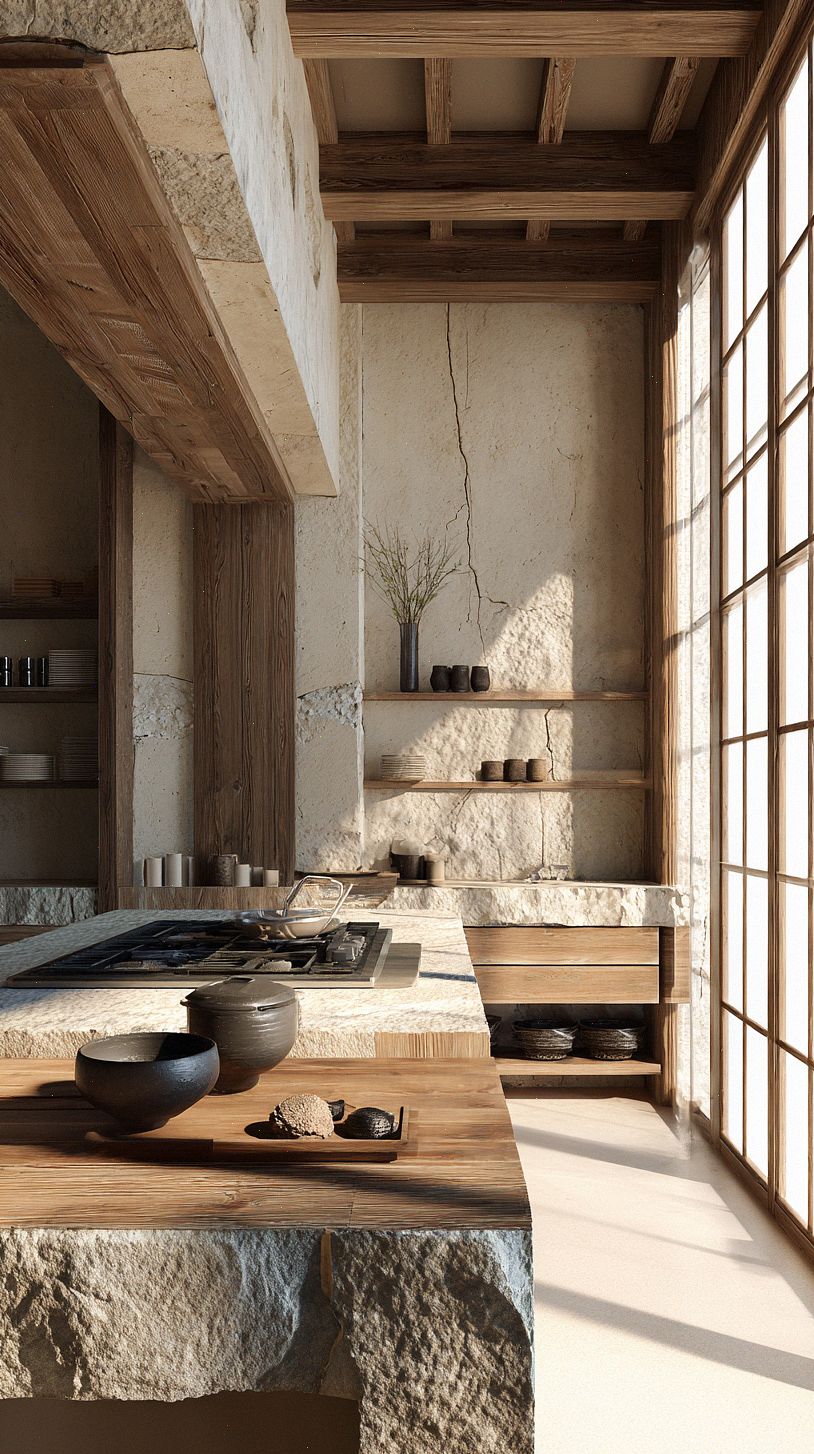
Choose warm, light woods for cabinets and shelving to bring that cozy Scandinavian feel, and pair them with darker accents like walnut or blackened oak for depth. For worktops and floors, go for honed stone, soapstone, or concrete to introduce grounding texture without high shine, and keep finishes matte so surfaces feel calm and lived in.
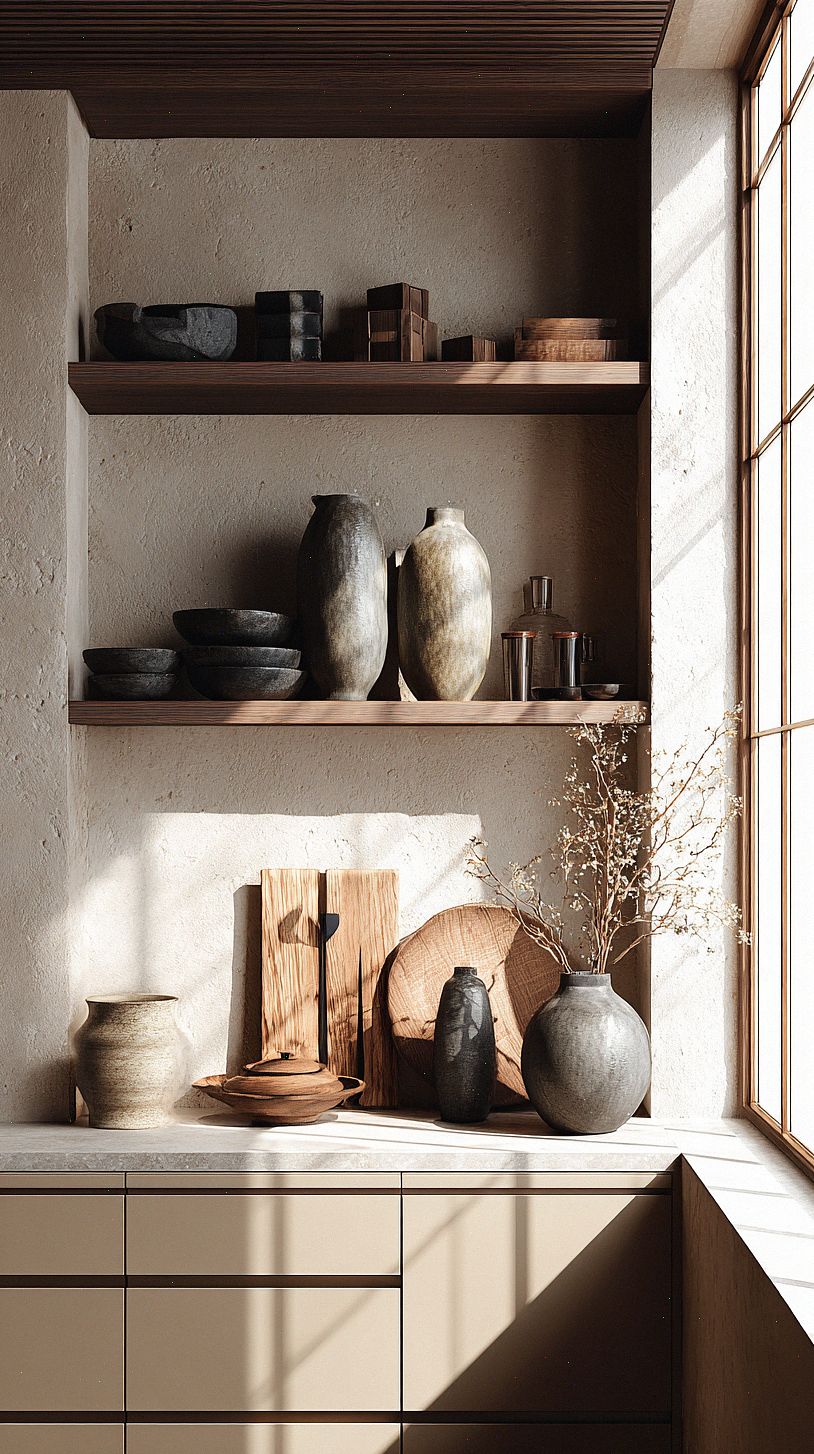
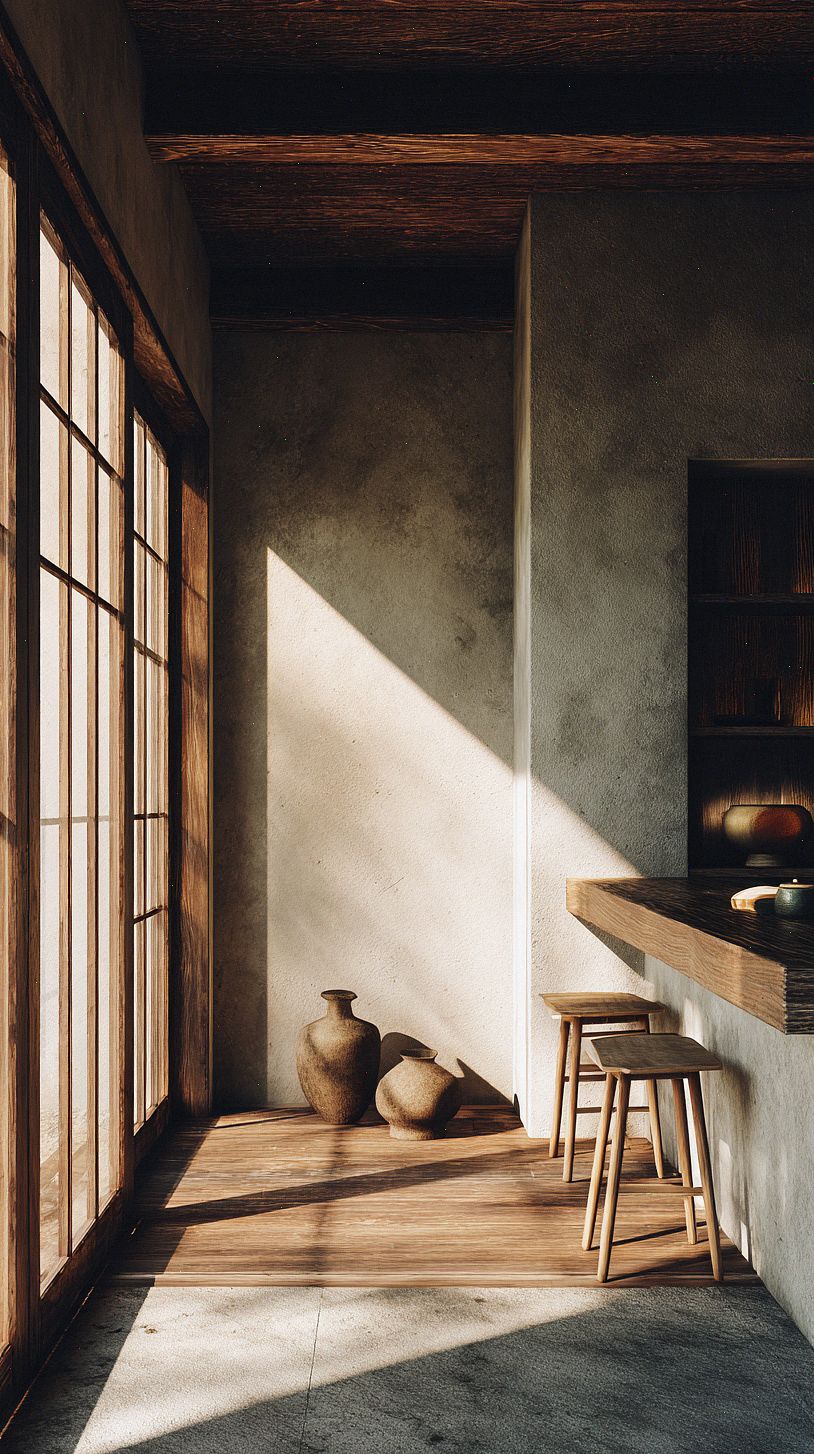
Embrace wabi-sabi by letting raw textures and small imperfections show, whether in handmade ceramics, rough plaster walls, or the natural knots in timber. Layer these elements thoughtfully so your kitchen reads as intentional and tactile rather than cluttered, and pick durable, easy-care materials that age gracefully and tell a story over time.
Streamlined Layouts for Function and Flow
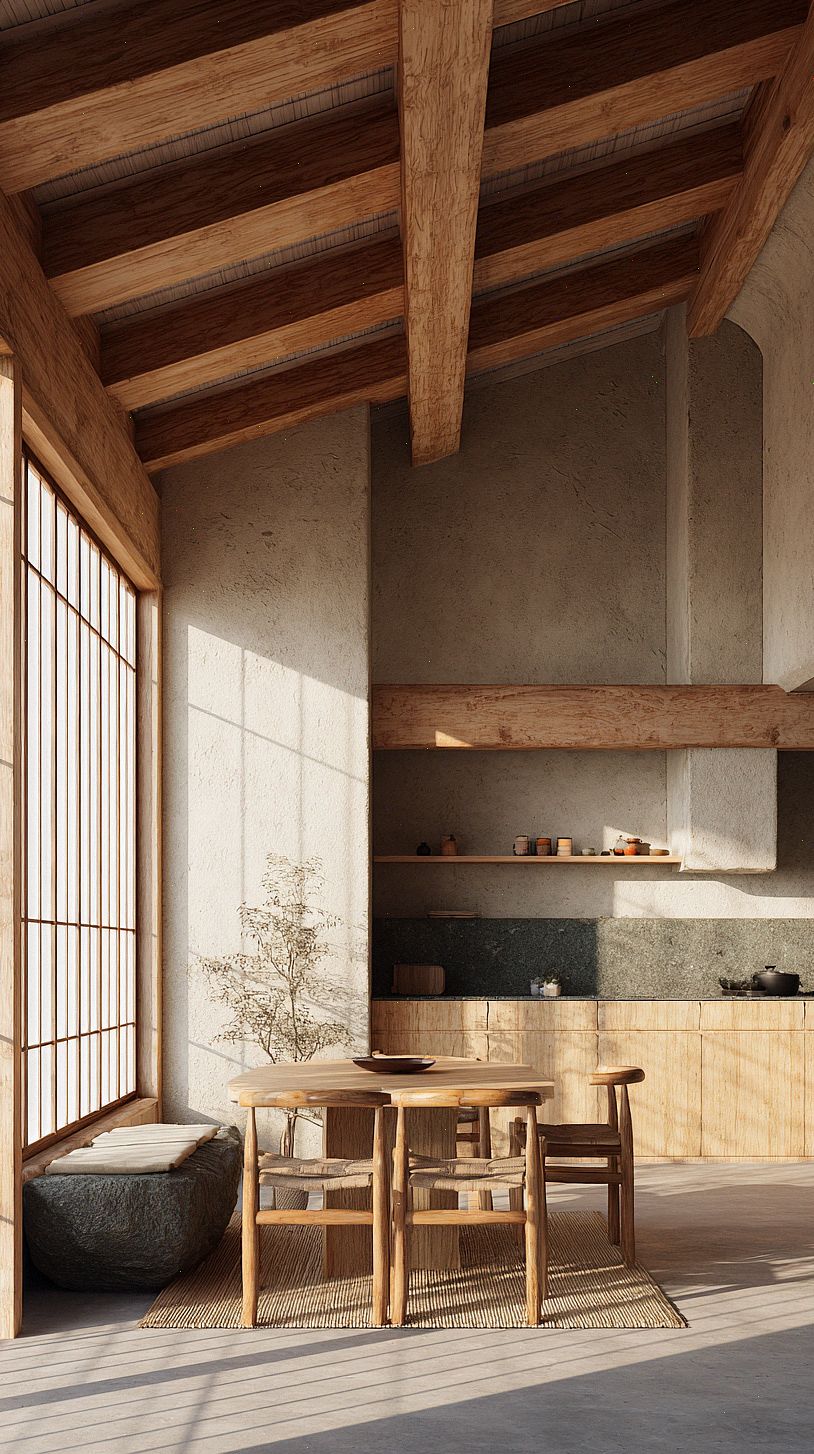
Keep your layout simple so everyday tasks feel effortless. Arrange cooking, prep, and cleanup zones so you move naturally between them; aim for a compact work triangle and clear sightlines that prevent unnecessary steps. Position islands and dining nooks to preserve a smooth walkway, and choose cabinetry with clean lines that guide the eye and the flow of movement.
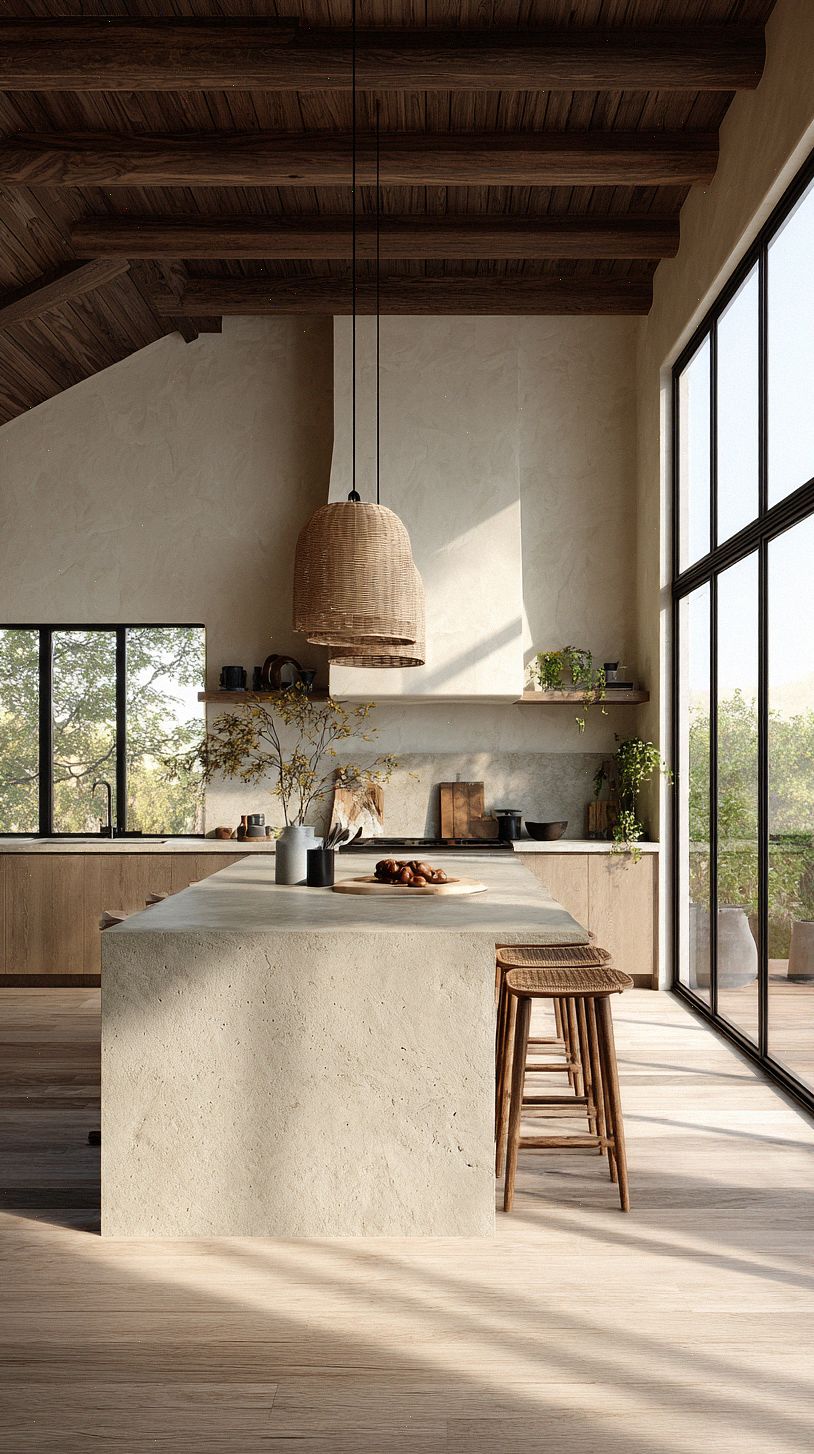
Let storage do the heavy lifting so surfaces stay calm. Use deep drawers, pull-out organizers, and integrated appliance garages to keep essentials within reach but out of sight. Limit open shelving to a few curated items so your kitchen reads airy, not cluttered, and stick to consistent materials and finishes to support a quiet, intentional rhythm.
Smart, Hidden Storage and Decluttered Surfaces
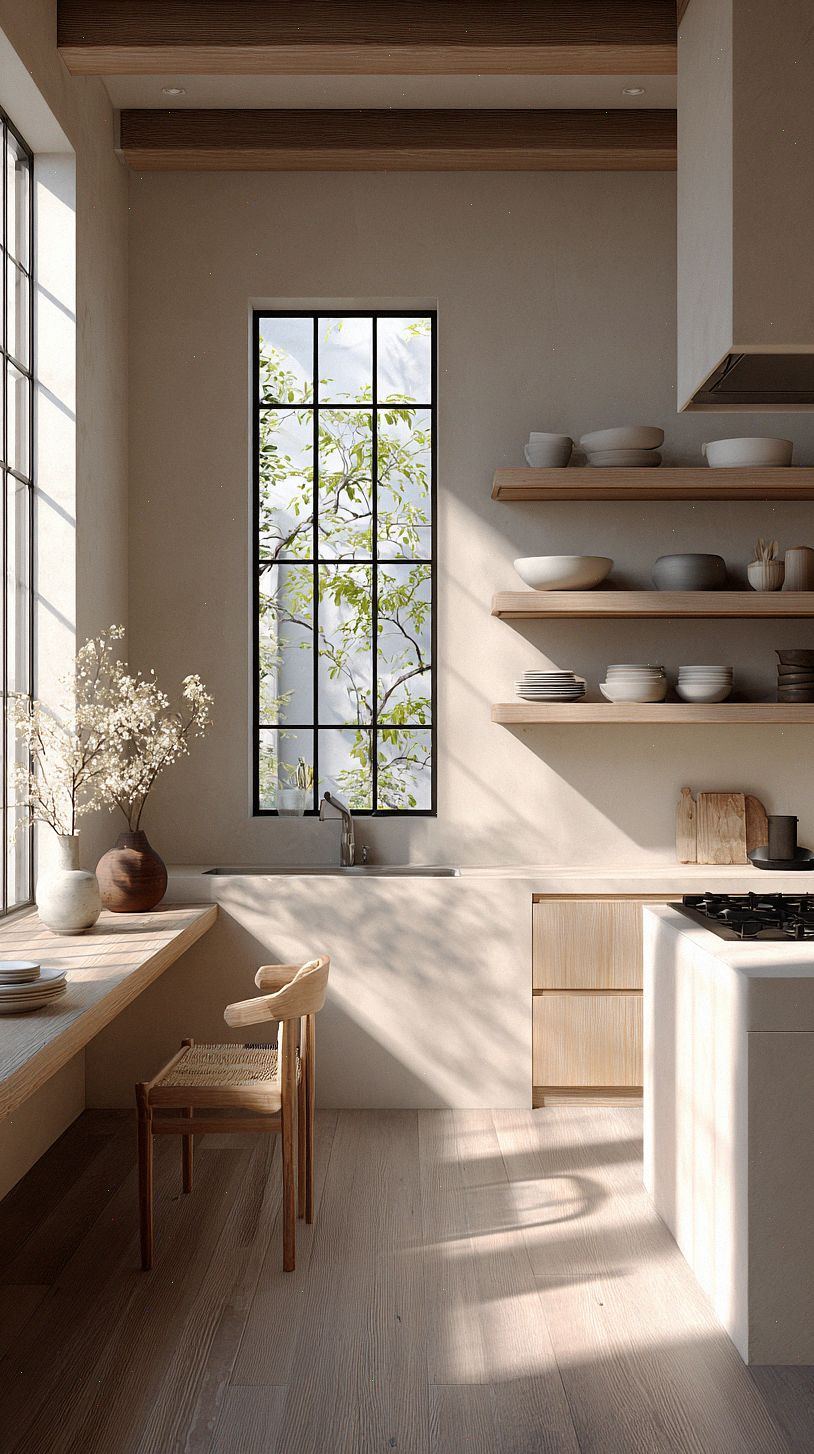
Plan your storage so everything has a home out of sight. Use deep drawers for pots and pans, vertical dividers for baking sheets, and pull-out trays for spices and pantry items. Conceal trash and recycling, tuck appliances behind cabinet doors, and add drawer inserts or built-in knife blocks so small tools are accessible without crowding surfaces.
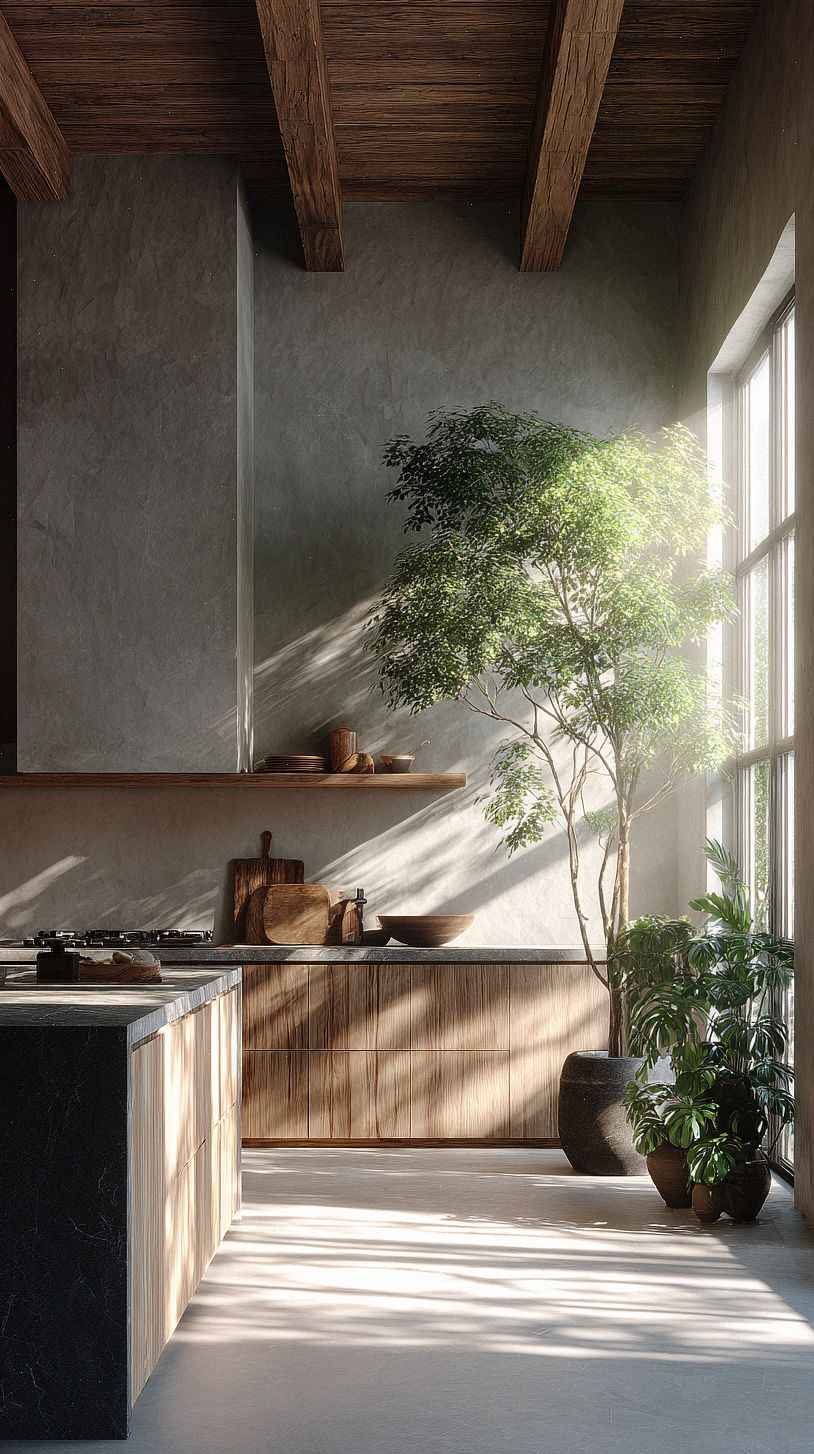
Keep counters intentionally bare, showing only one or two practical, beautiful items like a wooden bowl or a favorite kettle. Corral daily essentials on a small tray or in matching canisters so the eye rests on calm materials and clean lines rather than a jumble of stuff.
Simple, Purposeful Fixtures and Hardware

You’ll want fixtures and hardware that whisper rather than shout: clean profiles, simple pulls or integrated handles, and finishes that harmonize with wood and stone. Choose matte black, soft brass, or warm steel for a quiet contrast, and favor tactile, durable materials that feel good every time you reach for them.

Think about how each piece performs as much as how it looks. A single-lever faucet with a smooth curve, an undermount sink, and well-proportioned pulls make everyday tasks easier while keeping visual clutter to a minimum. Stick to one metal family or pair only two complementary tones so the details read intentional, not busy.
Lighting that Enhances Mood and Texture

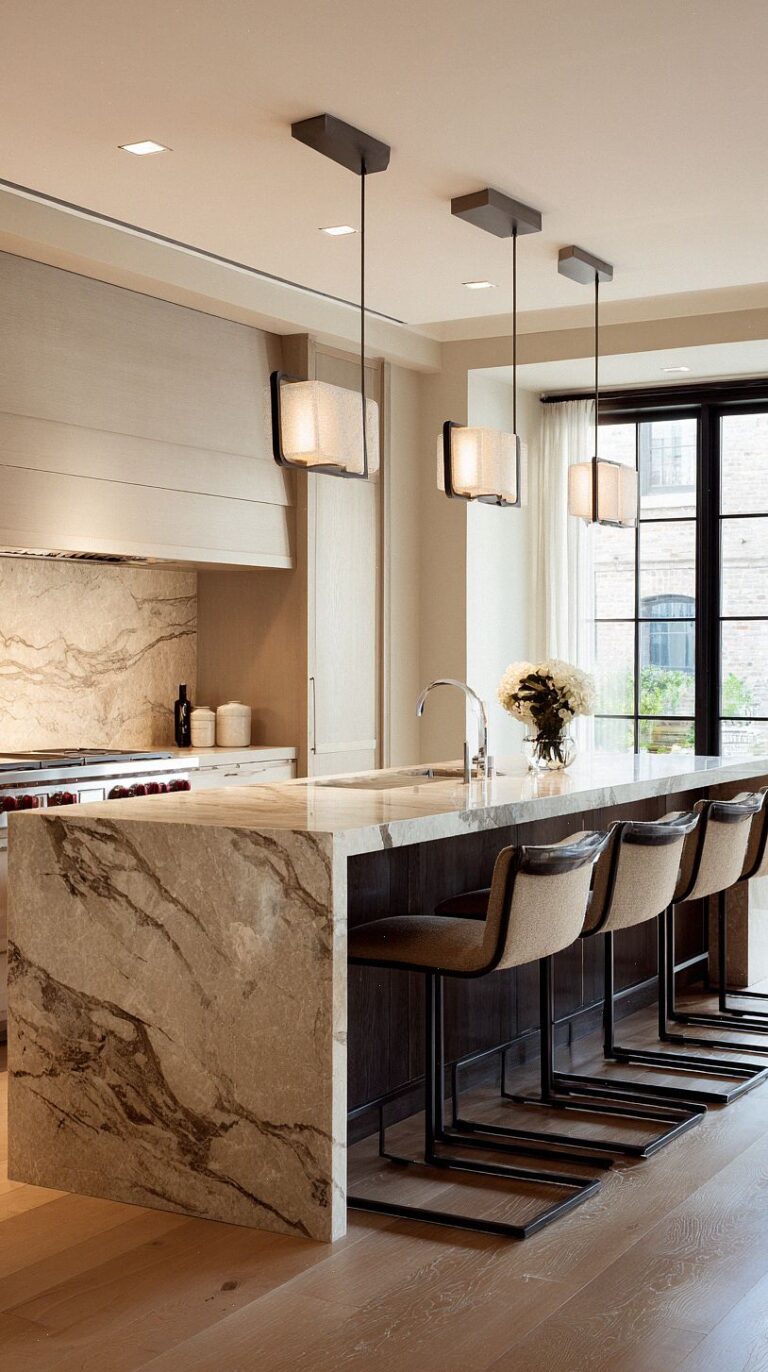
Let natural light lead the way, then layer in warm, dimmable sources so you can shift the mood as needed. Choose pendants with paper or linen shades over the island and soft recessed or wall sconces for general light, and add dimmers so the space moves from focused to cozy in seconds.
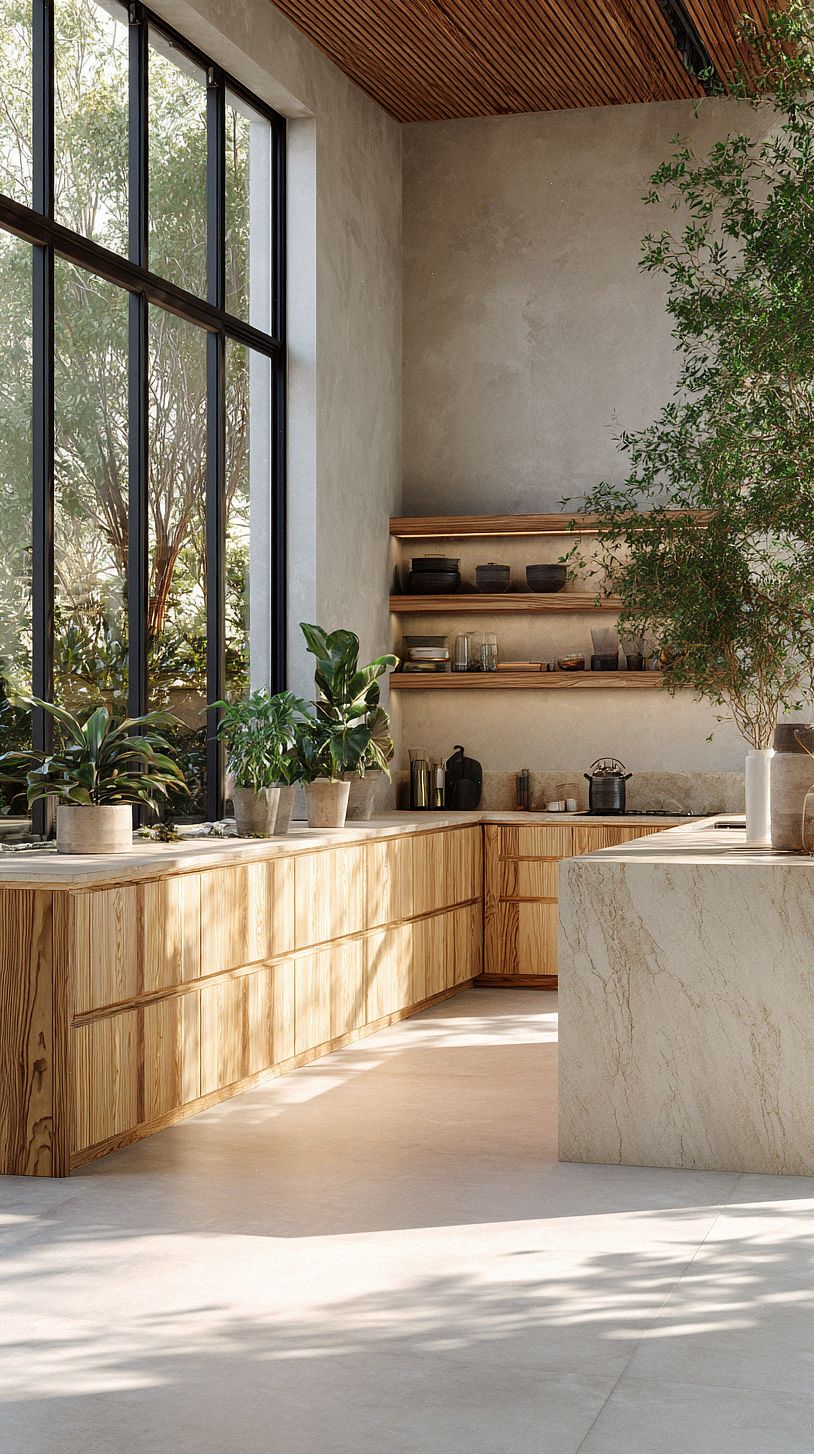
Use directional and accent lighting to reveal texture; under-cabinet LEDs wash across wood grain and stone, while small spotlights or shelf strips make ceramics sing. Avoid harsh glare that flattens surfaces, and keep color temperature warm so materials read true and your kitchen feels calm and intentional.
Layering Textures: Linens, Ceramics, and Baskets
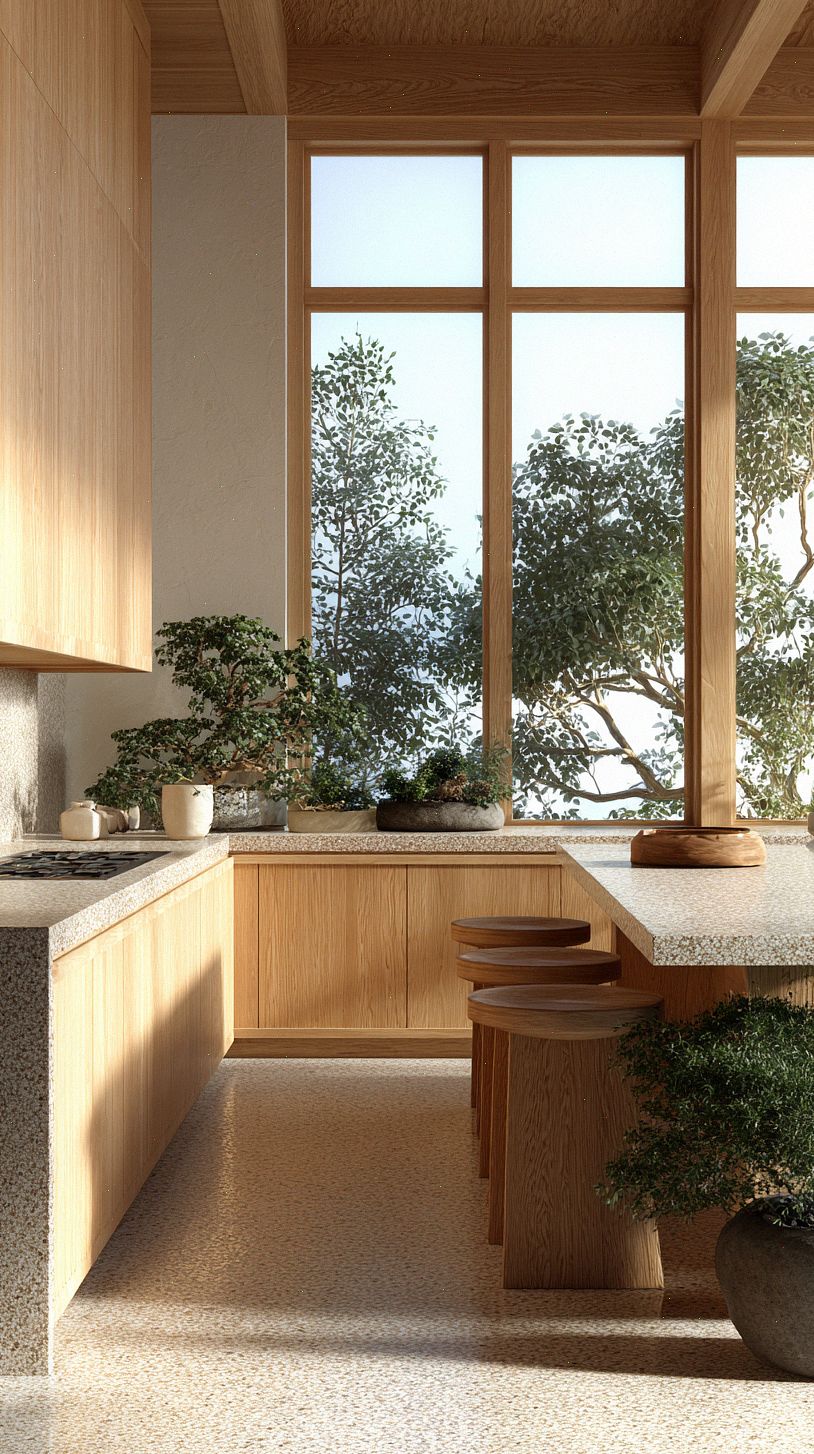
Soften the clean lines of your Japandi kitchen with natural linens in muted tones. Think linen tea towels and cotton napkins folded or casually draped to show texture and movement. Pair them with handmade ceramics that celebrate slight imperfections. Matte glazes and organic shapes add a calm, tactile quality that feels both refined and lived in.
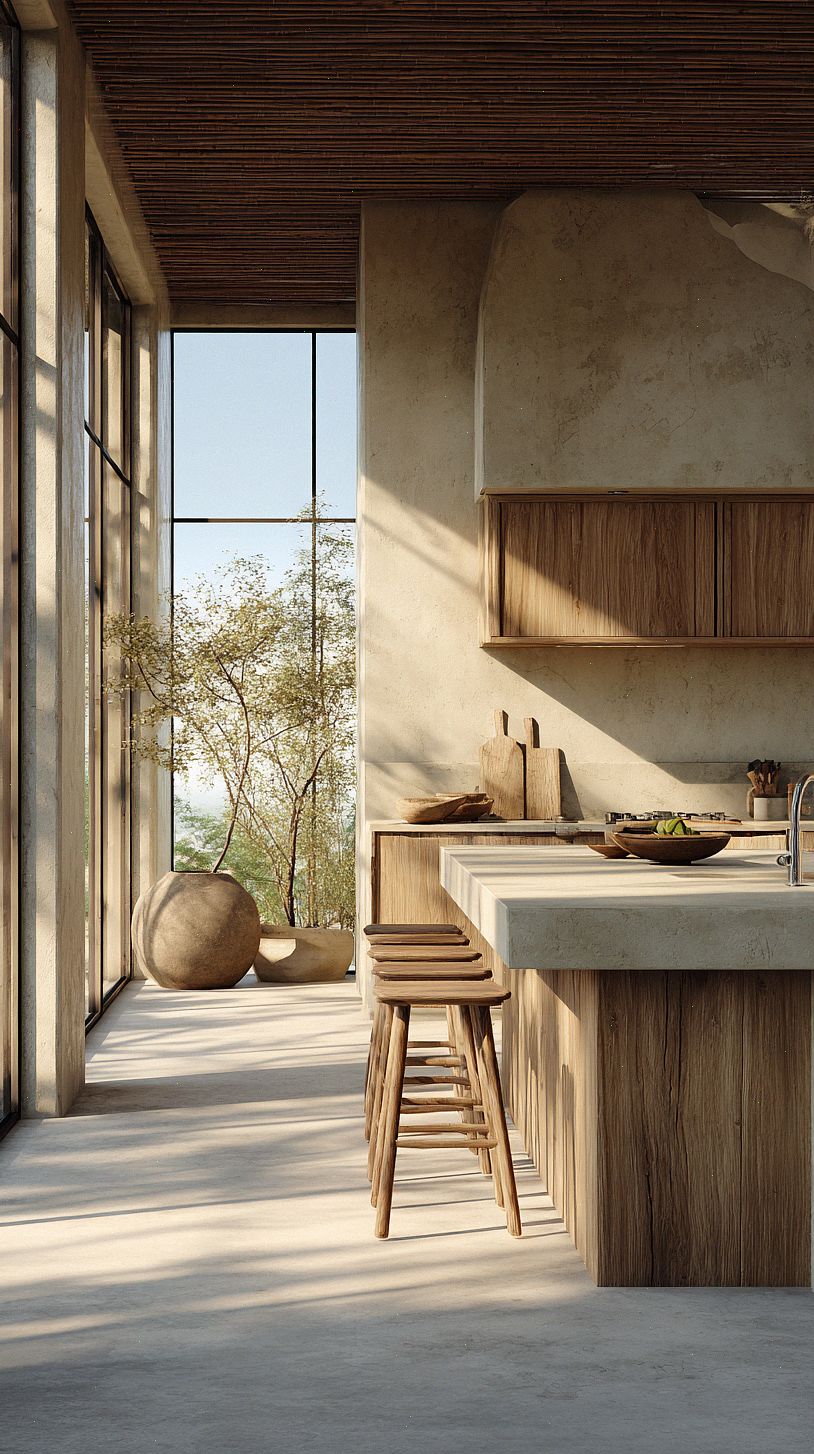
Use woven baskets to introduce warmth and practical storage without visual clutter. Group a couple of sizes on open shelves or under counters to hide essentials while keeping everything accessible. Layer a small basket with a wooden tray and a ceramic bowl to create a simple vignette that reads as intentional rather than busy.
Styling Rituals: Intentional Objects and Greenery
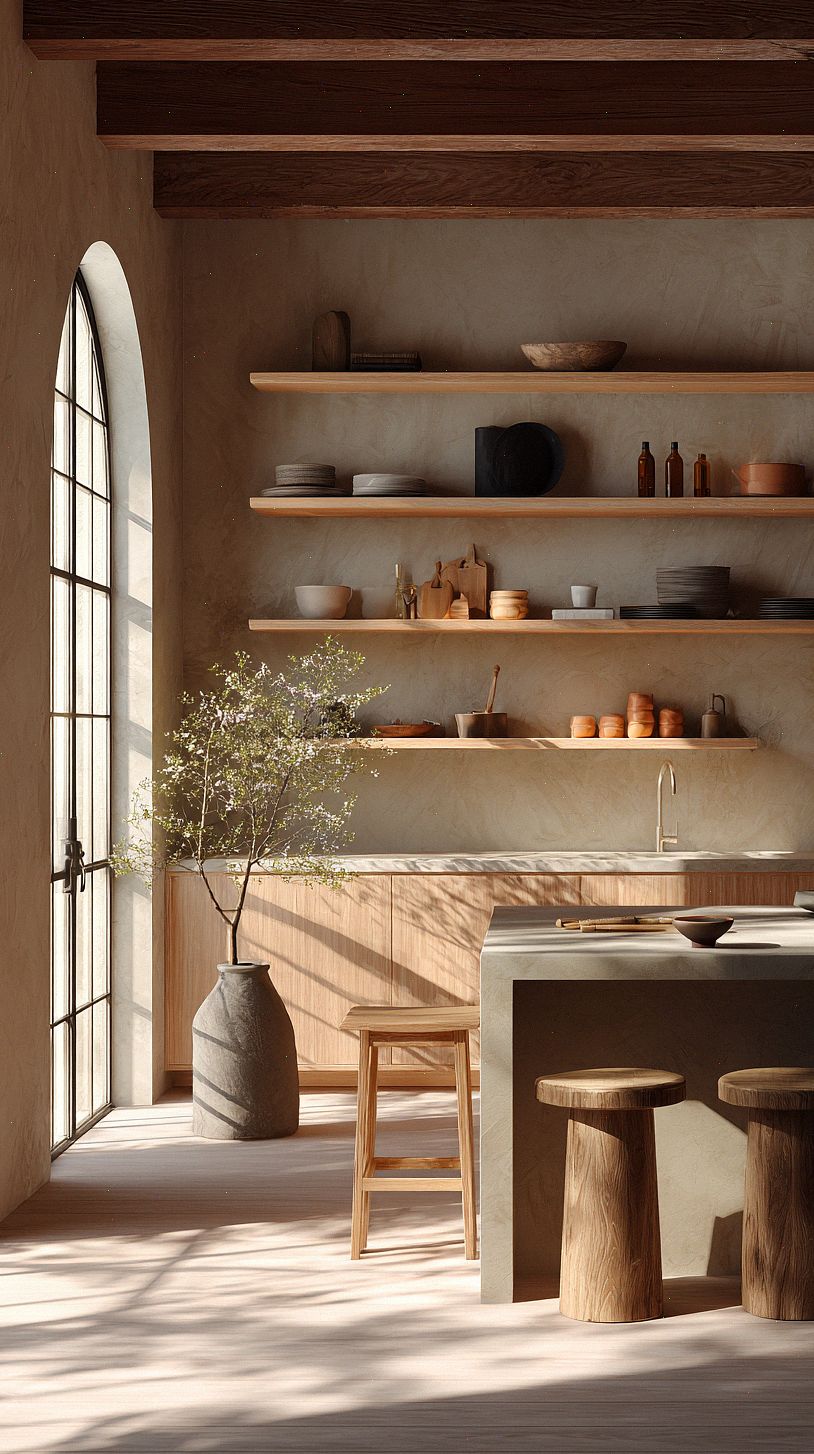
Choose a few objects that matter and let the rest breathe. Keep countertops clear and let curated ceramics, a wooden tray, a linen towel, or a simple tea set act as small vignettes that feel both useful and beautiful. Stick to muted, natural tones and textures so each piece reads as intentional rather than decorative noise.
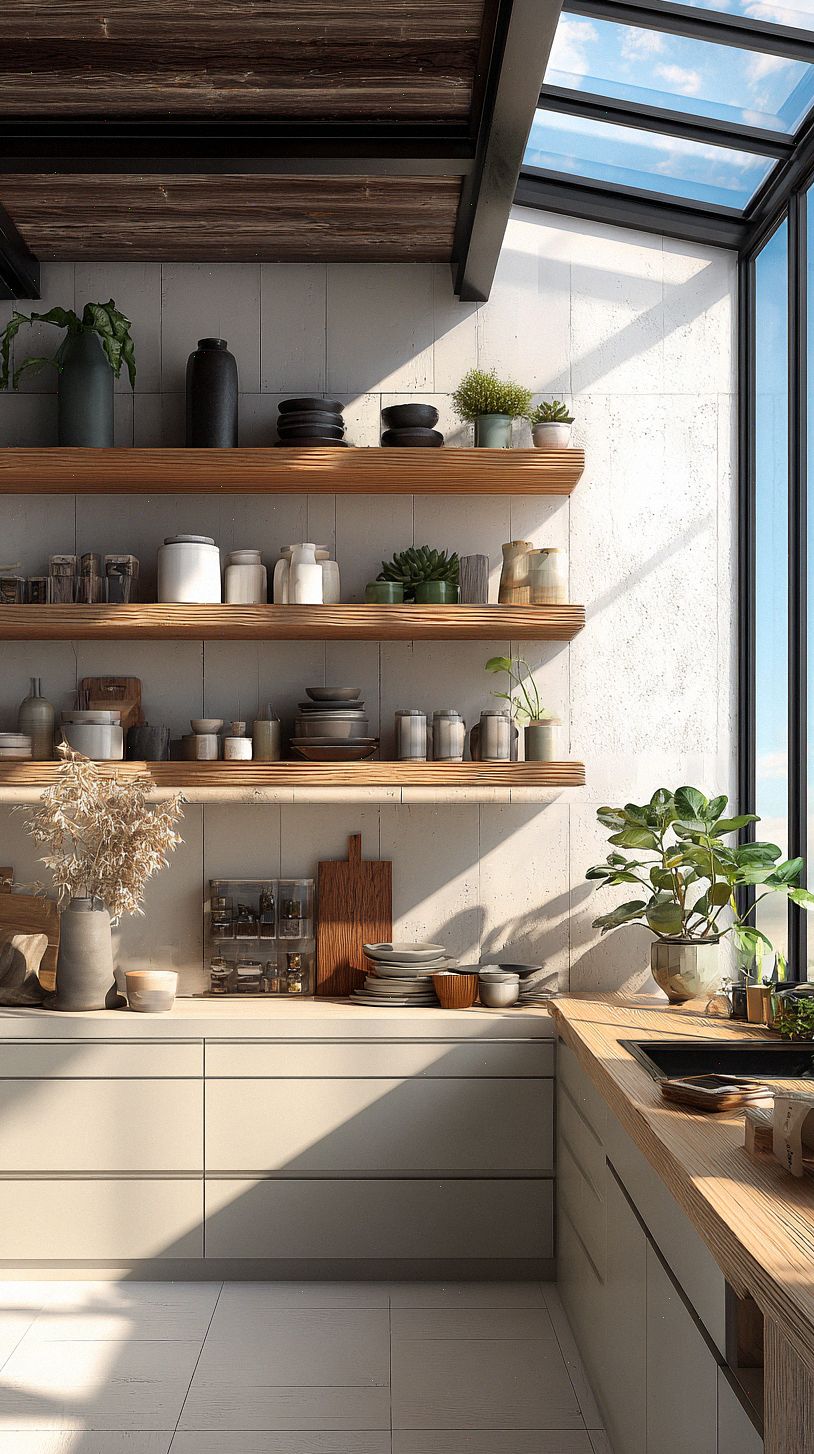
Bring in greenery that doubles as function and calm. A small pot of herbs, a single-stem vase, or a sculptural ikebana branch adds life without clutter, and rotating plants seasonally keeps the kitchen feeling fresh. Make these items part of a daily ritual—brewing tea, tending a basil plant, or arranging a stem—and your kitchen will quietly support your routines.
Practical Tips for Long‑Term Calm and Sustainability
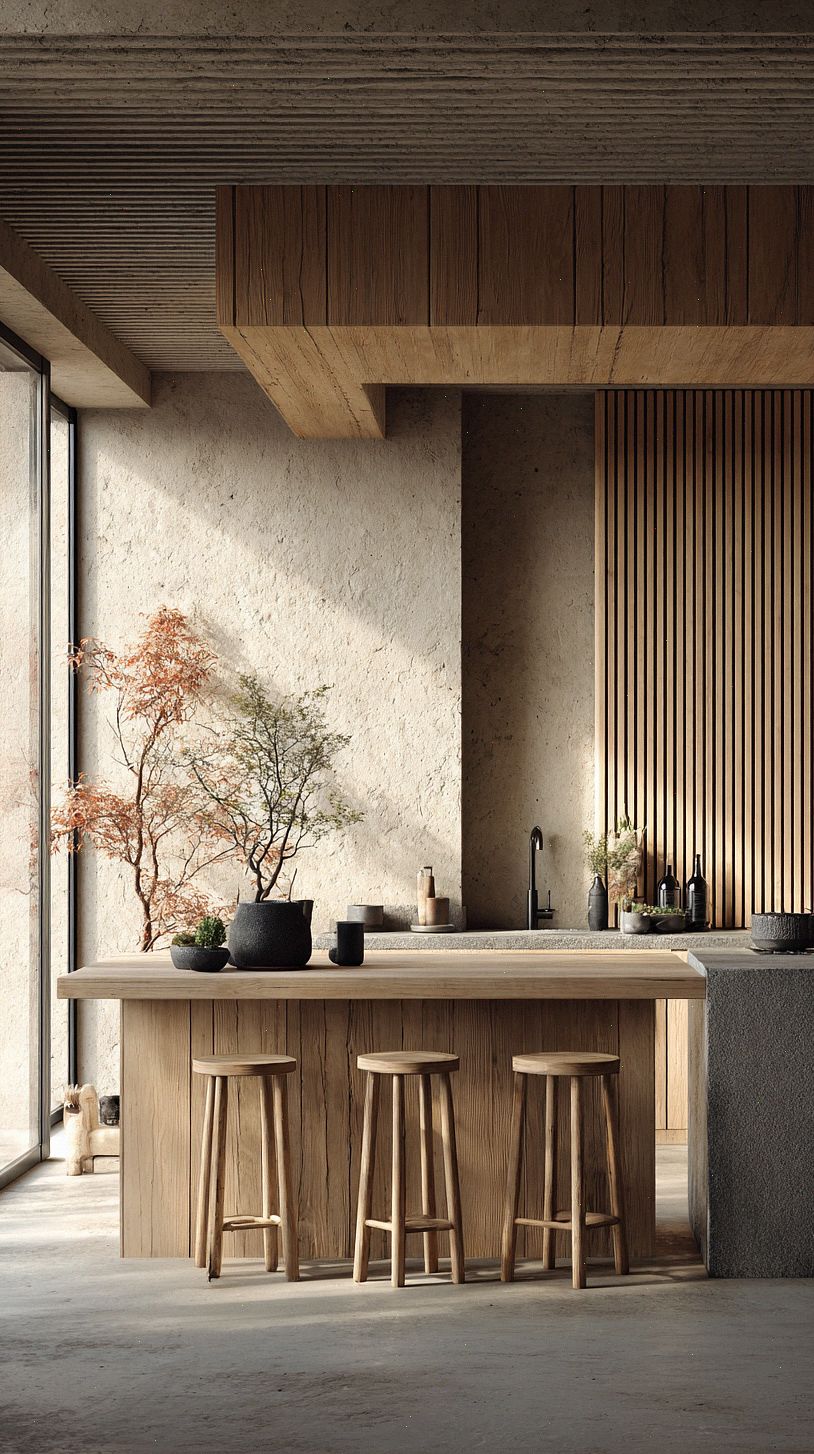
Keep your kitchen minimal by choosing multipurpose, well-made pieces that you actually use. Invest in a great knife, a sturdy pan, and simple storage that hides clutter; natural materials like wood, stone, and linen age beautifully and require little fuss. Aim for energy-efficient appliances and easy-to-clean surfaces so upkeep stays small and your space stays calm.
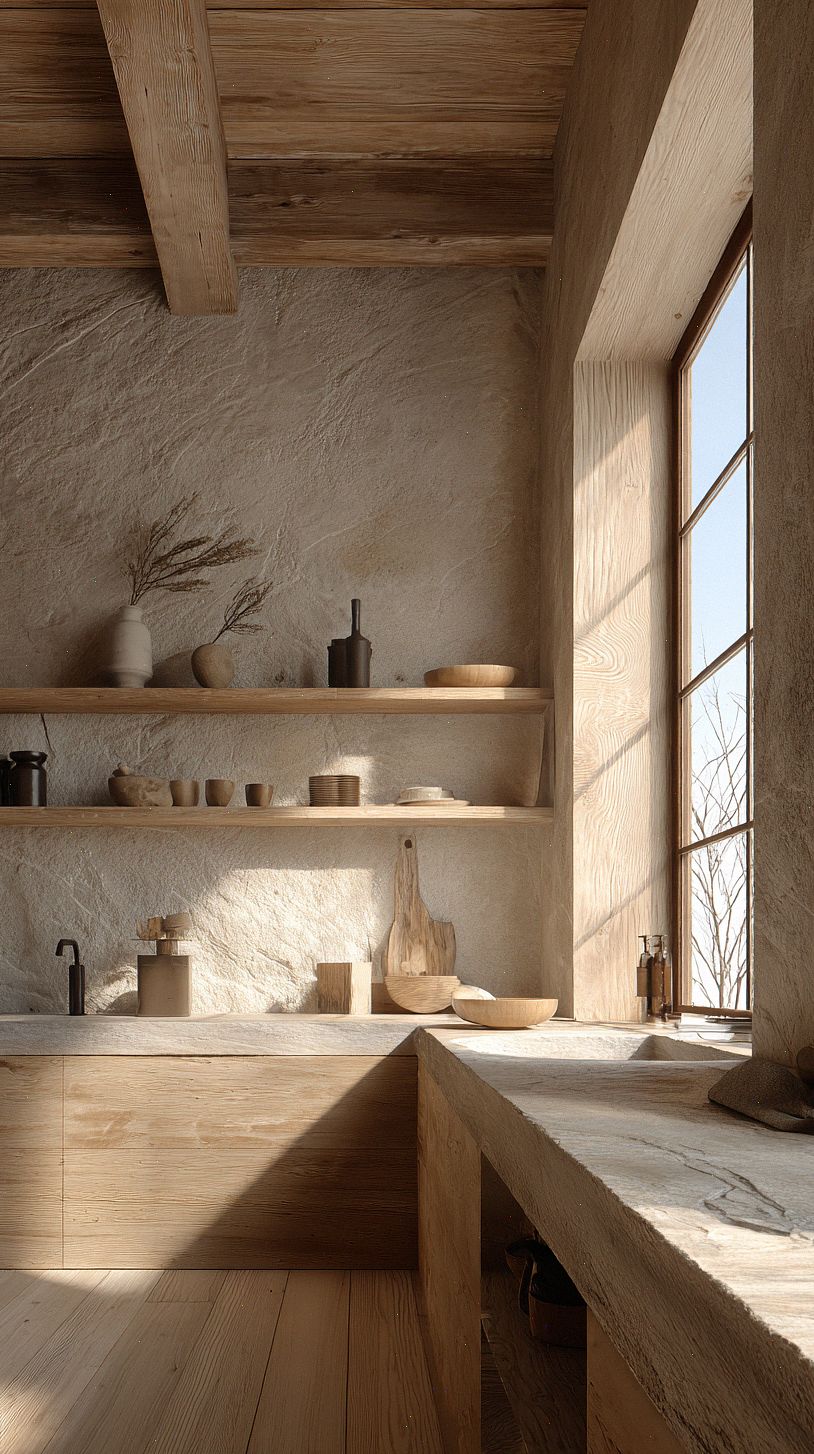
Build tiny daily habits: a 10-minute tidy after cooking, quick wipe-downs, and a weekly scan to return items to their place keeps things serene with minimal effort. Favor repair, secondhand finds, and local produce to reduce waste, set up a small compost bin, and include a few low-maintenance plants to boost air quality and calm while keeping your kitchen intentional and sustainable.