Designing a Minimal Kitchen That Feels Warm, Clean, and Functional
Minimal doesn’t have to mean sterile. We want a kitchen that breathes: clean lines and calm surfaces that make everyday tasks feel effortless, but still welcomes us to linger over coffee or cook for friends. When done right, a pared-back approach can feel both warm and highly functional, a place where every detail has purpose and nothing competes for attention.
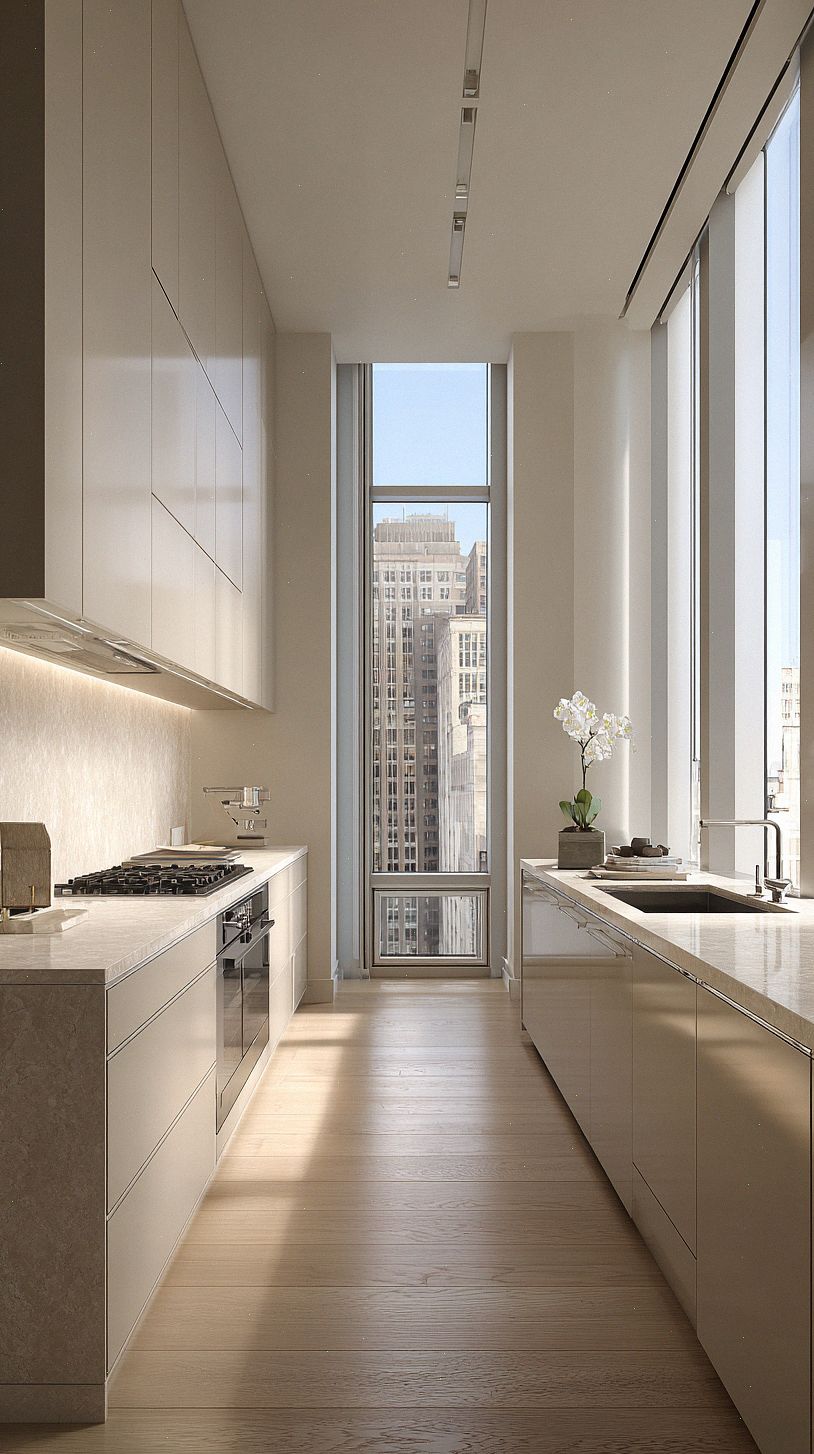
We’ll lean into soft, neutral palettes, natural materials, and textural layers that add subtle depth, while hiding the clutter with smart storage and smart layouts that promote flow. Thoughtful lighting, appliances that melt into the background, and a few carefully chosen accessories and greenery bring personality without noise, so maintaining that serene look becomes second nature.
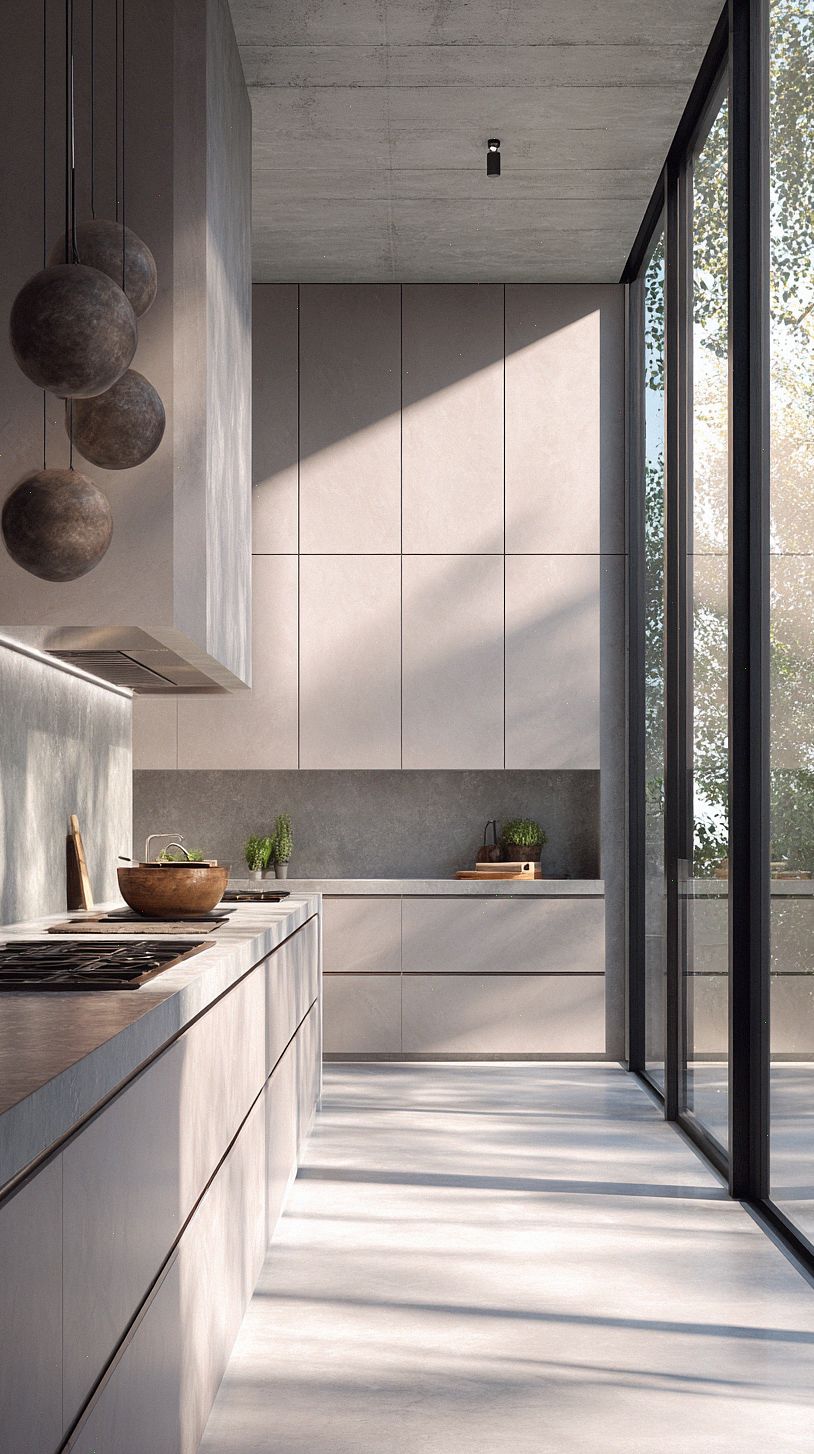
The Essence of a Warm Minimal Kitchen
A warm minimal kitchen feels clean because you edit down to essentials while keeping materials that invite touch. You use a neutral palette and introduce warmth with wood grain, matte finishes, soft textiles, and a few plants so the space reads calm instead of cold.
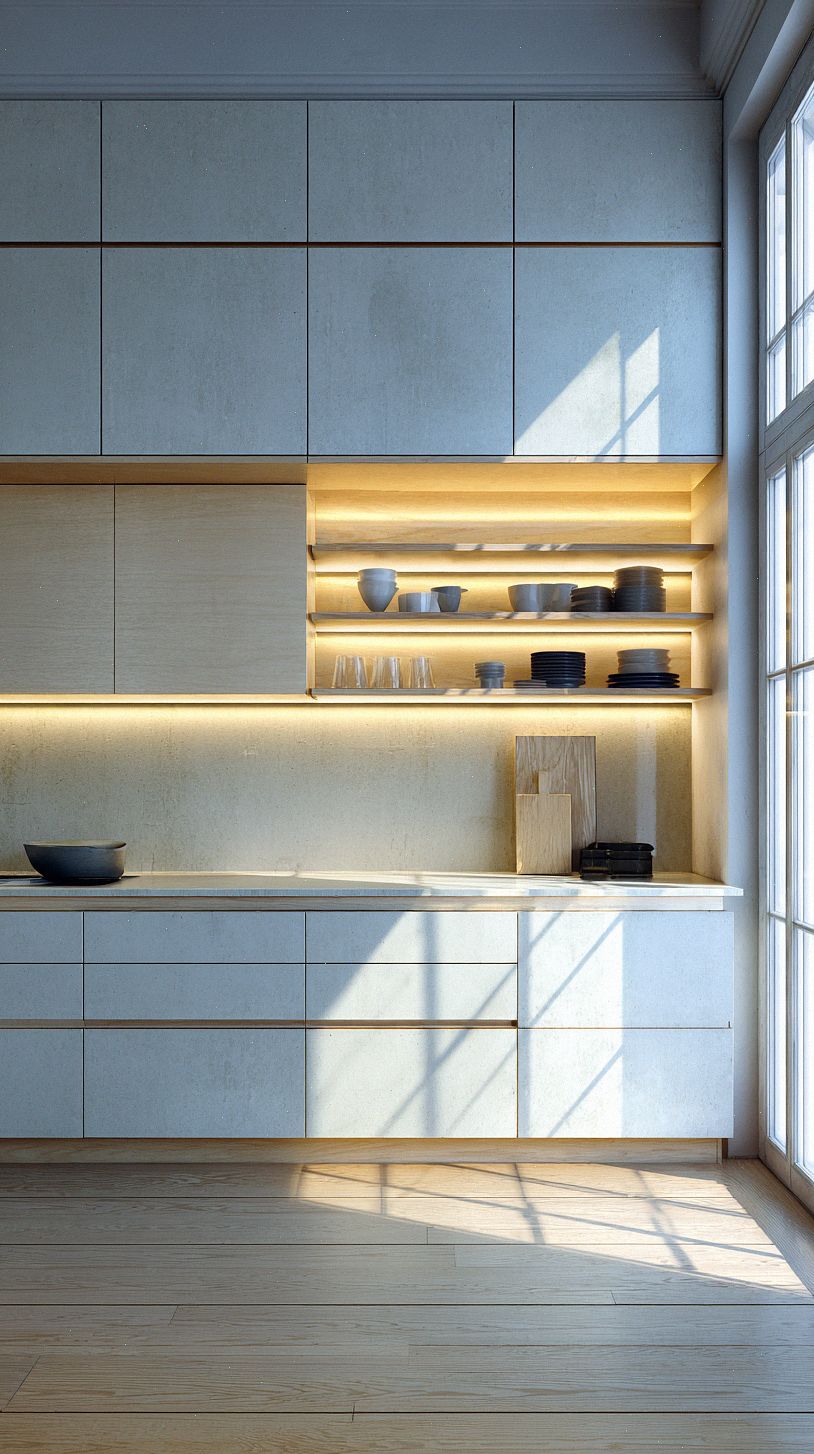
Functionally it’s about clear surfaces, smart storage, and intentional displays that make daily tasks easy and beautiful. With layered lighting, a couple of well-made tools on show, and a few designated spots for a cutting board or a mug to land, your kitchen becomes both efficient and welcoming.
Core Principles: Clean Lines, Calm Surfaces
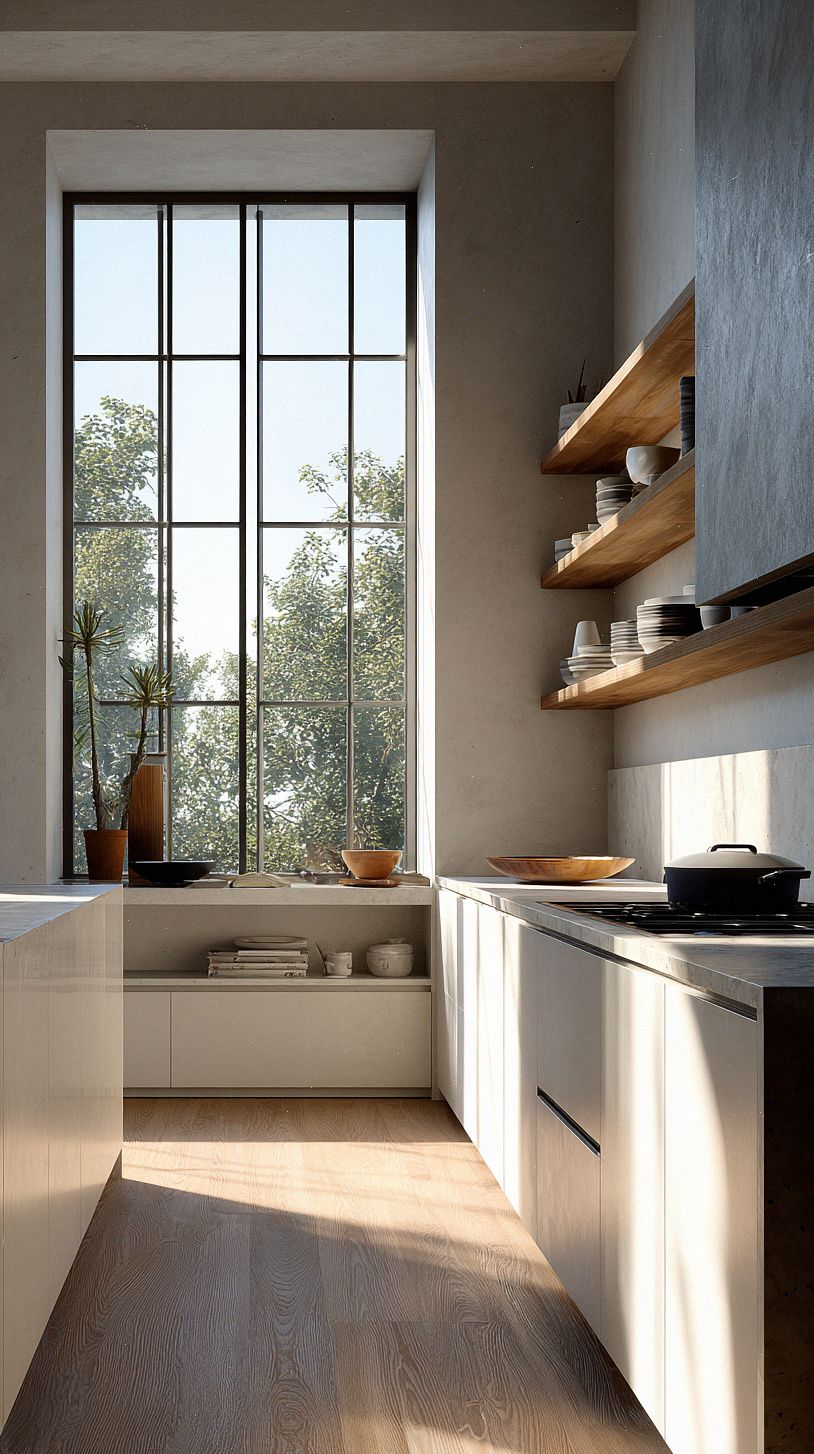
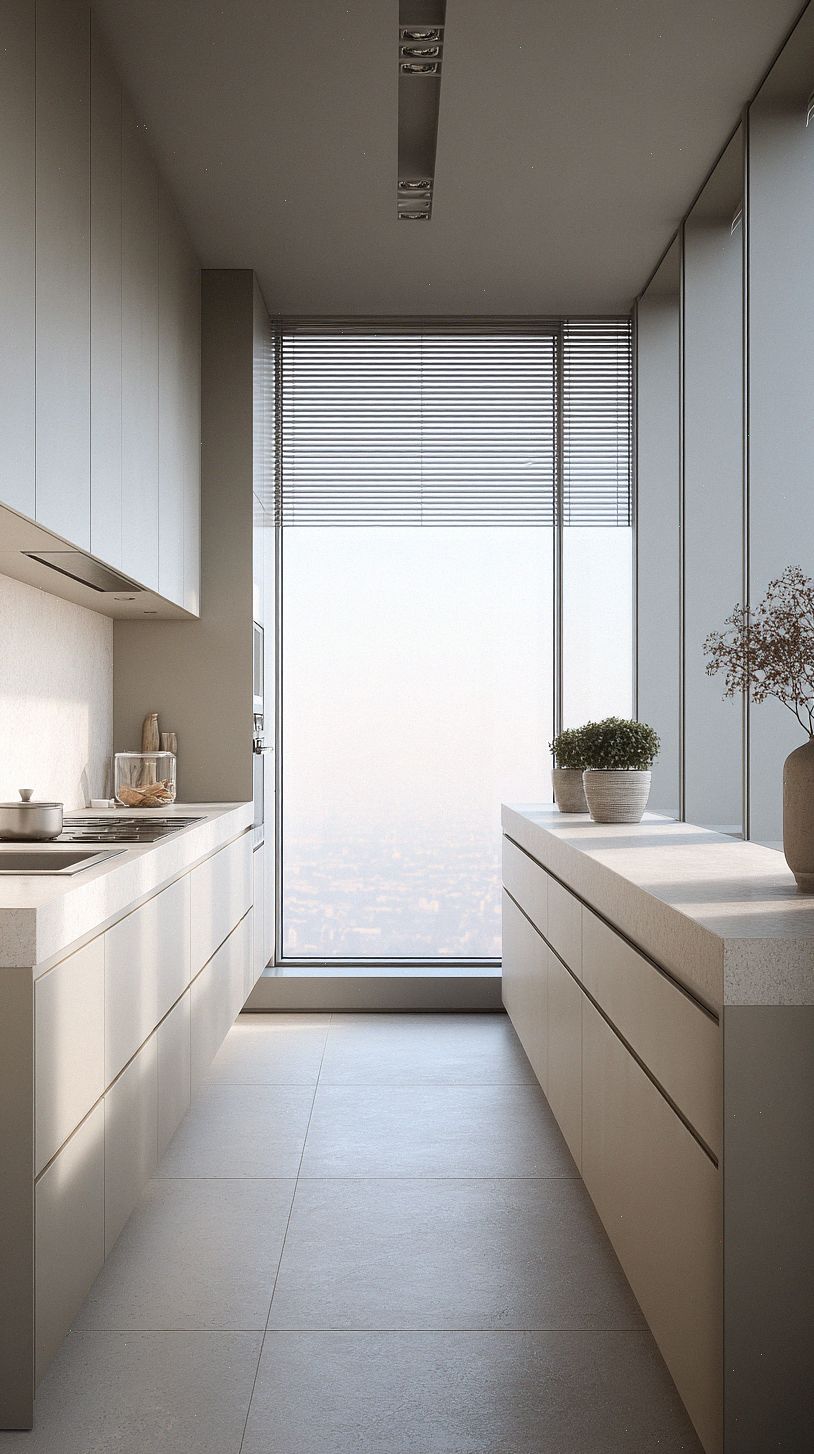
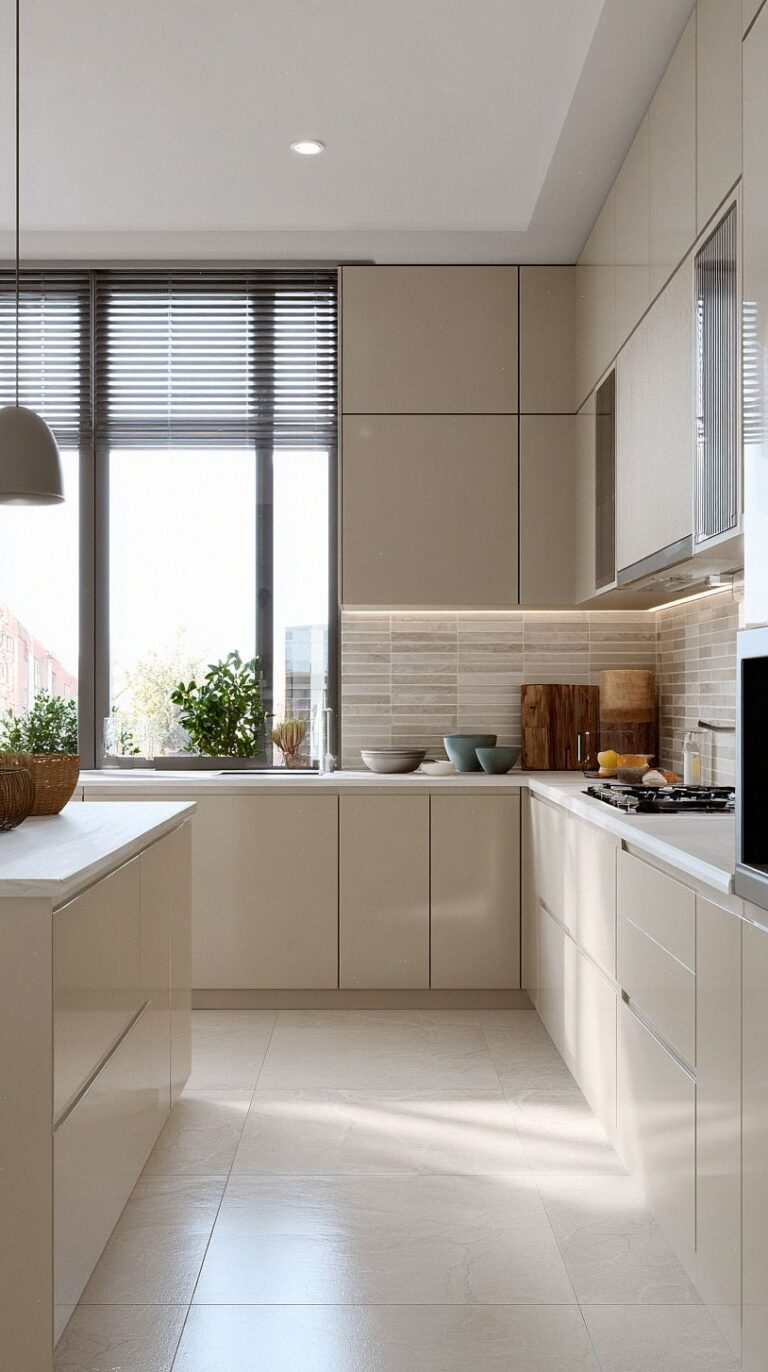
Think of clean lines as the skeleton of your kitchen: flat-front cabinets, integrated handles, and continuous countertops create an unbroken flow that makes the space feel calm and infinitely easier to clean. When you align seams, hide appliances, and choose simple geometric shapes, you reduce visual noise so what stays on your counters actually matters.

Calm surfaces come from a restrained palette and tactile materials that add warmth without clutter — matte finishes, warm woods, and soft stone or concrete tones work well together. Keep surfaces wipeable and purposeful, then add one or two natural elements like a wooden board or a small plant to bring softness and personality without breaking the minimal vibe.
Choosing a Soft, Neutral Color Palette
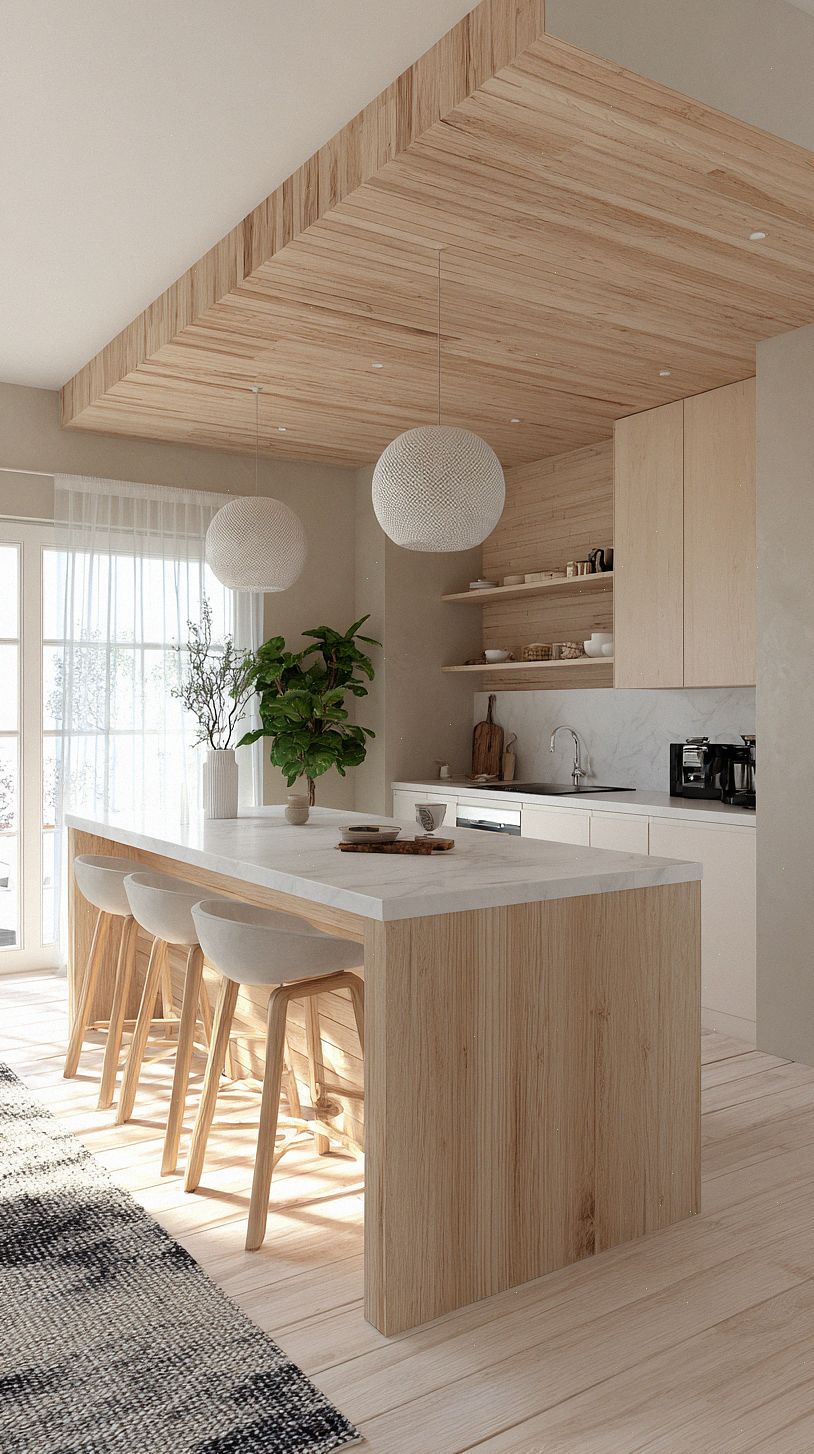
Pick warm, muted neutrals that read soft instead of stark so your kitchen feels inviting and clean. Think warm white, greige, soft taupe, pale clay or a muted warm grey; the undertone makes all the difference, so bring swatches into your space and view them at different times of day before committing.
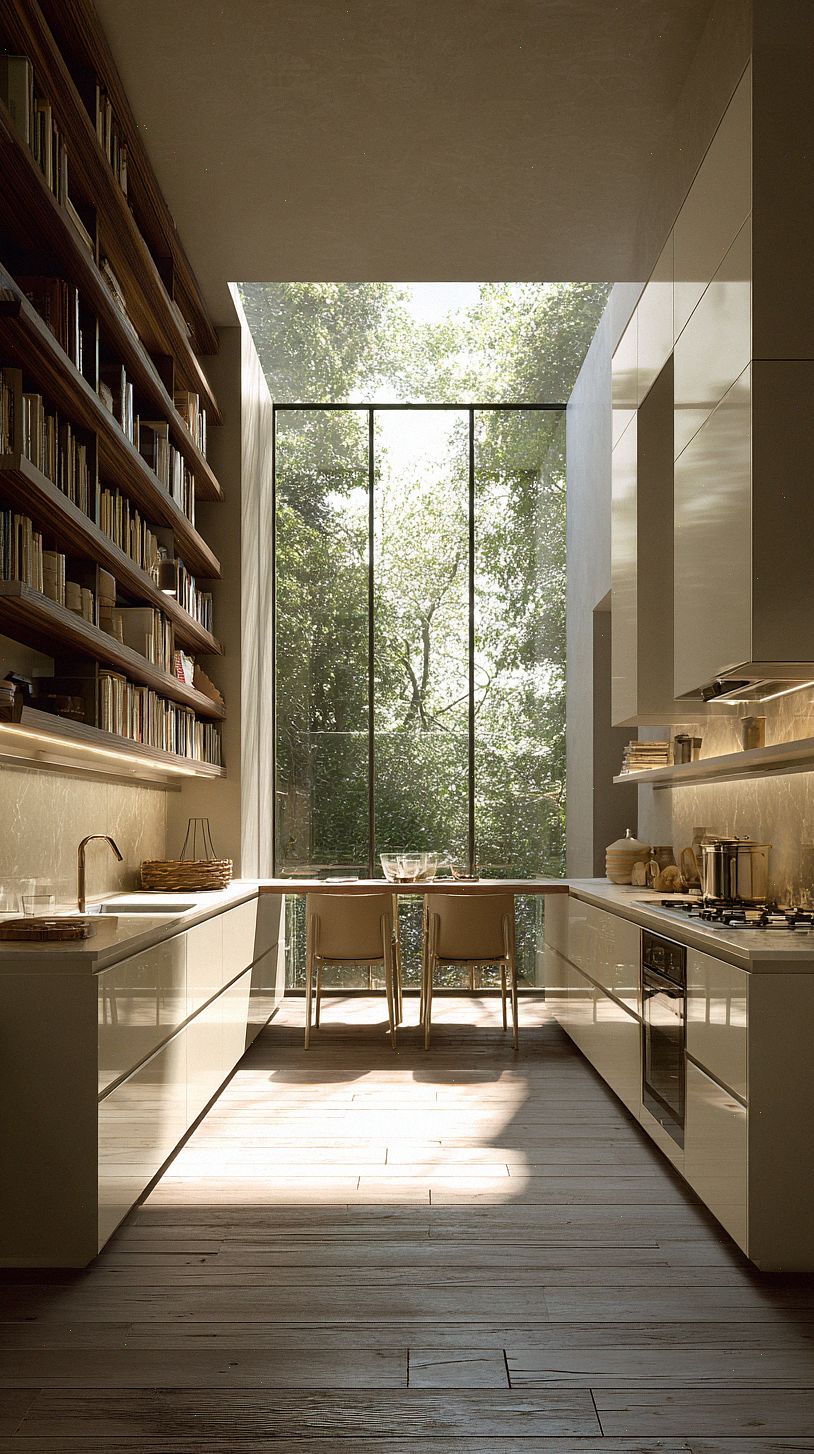
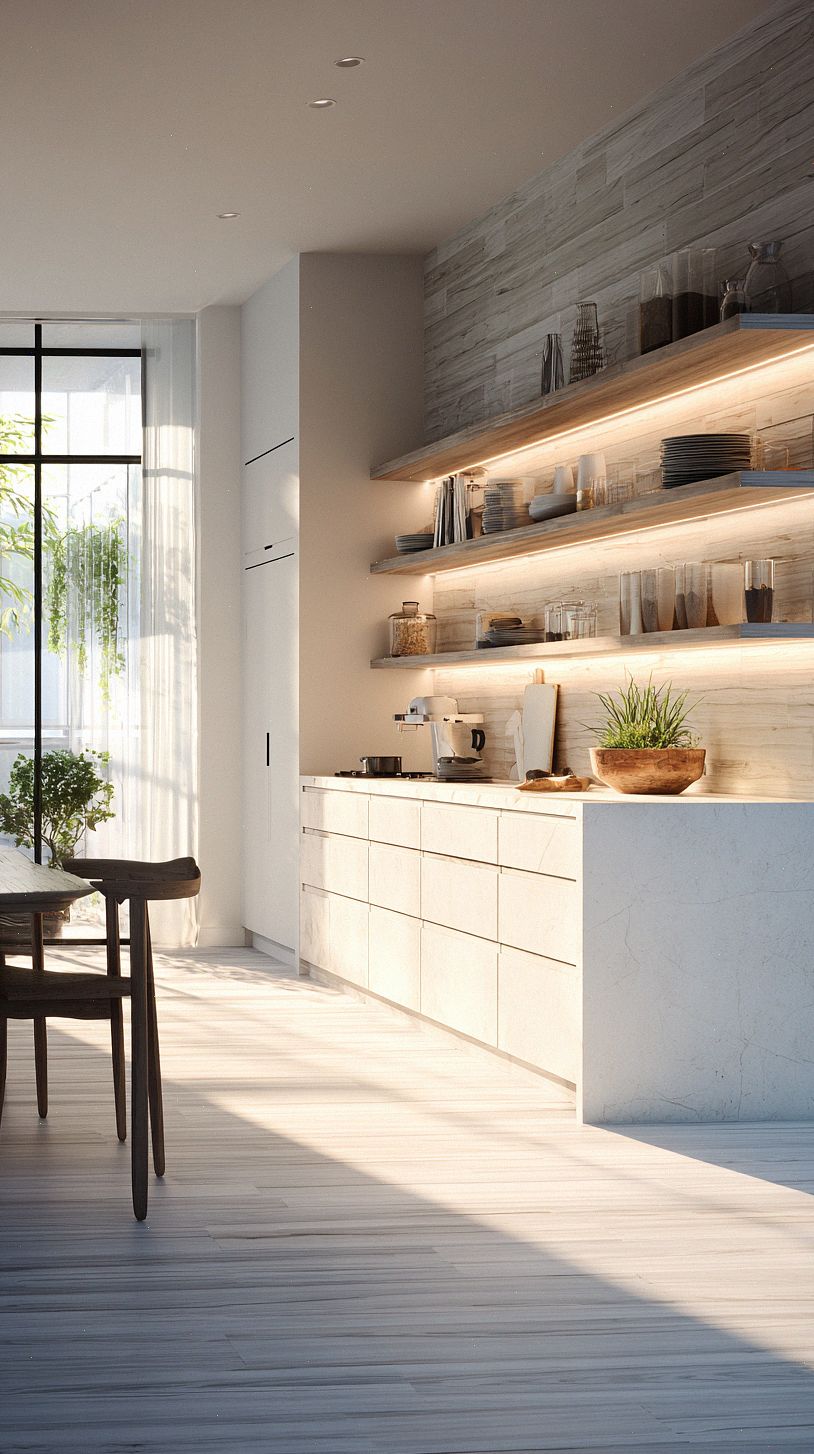
Layer those neutrals across materials to create depth: painted cabinets in a matte finish, natural wood open shelving, a stone countertop and a textured tile backsplash work together to feel deliberate, not flat. Keep contrast subtle by varying lightness and texture, and introduce one gentle accent like a dusty blue or sage for visual interest without breaking the calm.
Natural Materials and Textural Layering
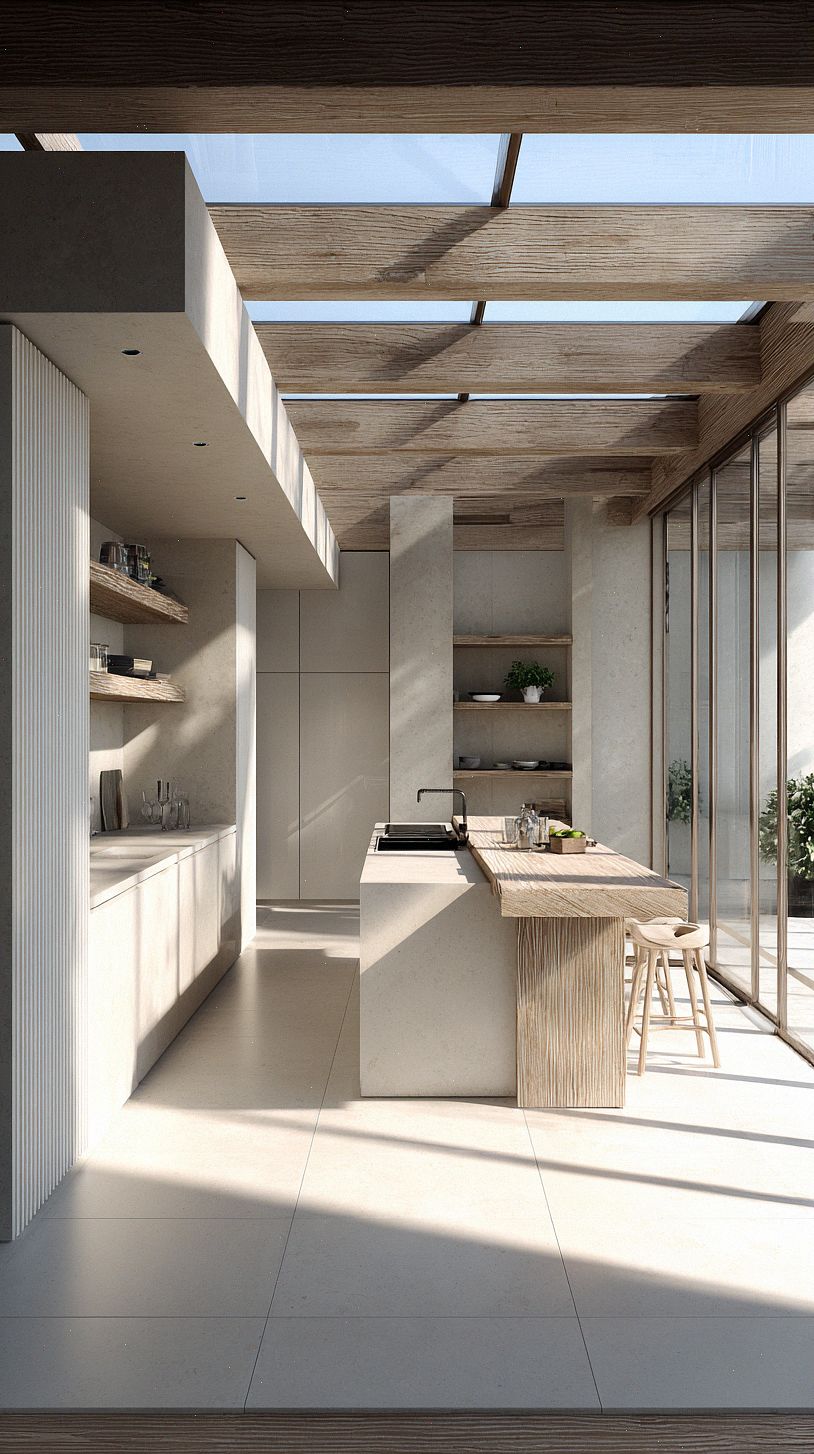
Choose a few natural materials you love and stick with them: warm wood for lower cabinets or open shelving, a honed stone countertop, and matte ceramic or plaster for backsplashes. These elements bring warmth and depth without visual clutter, and when you pick durable, easy-care finishes they stay looking clean and intentional with minimal upkeep.
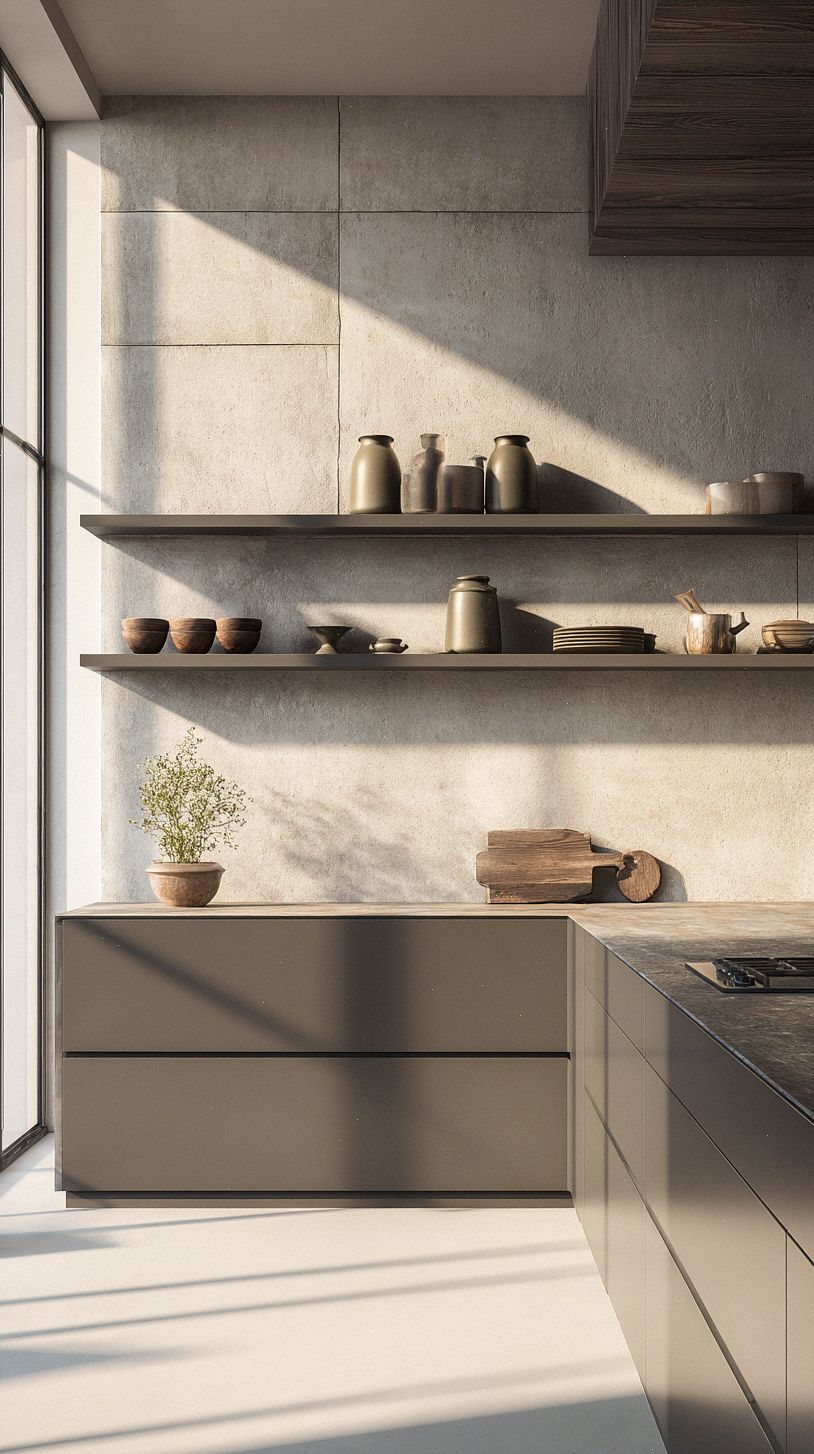
Layer textures thoughtfully using functional pieces like woven baskets for pantry storage, linen tea towels, a low-profile runner, and metal hardware for contrast. Keep the palette and quantity limited so each texture reads clearly; that way your kitchen feels cozy and tactile but remains efficient and easy to maintain.
Smart Storage Solutions to Hide Clutter
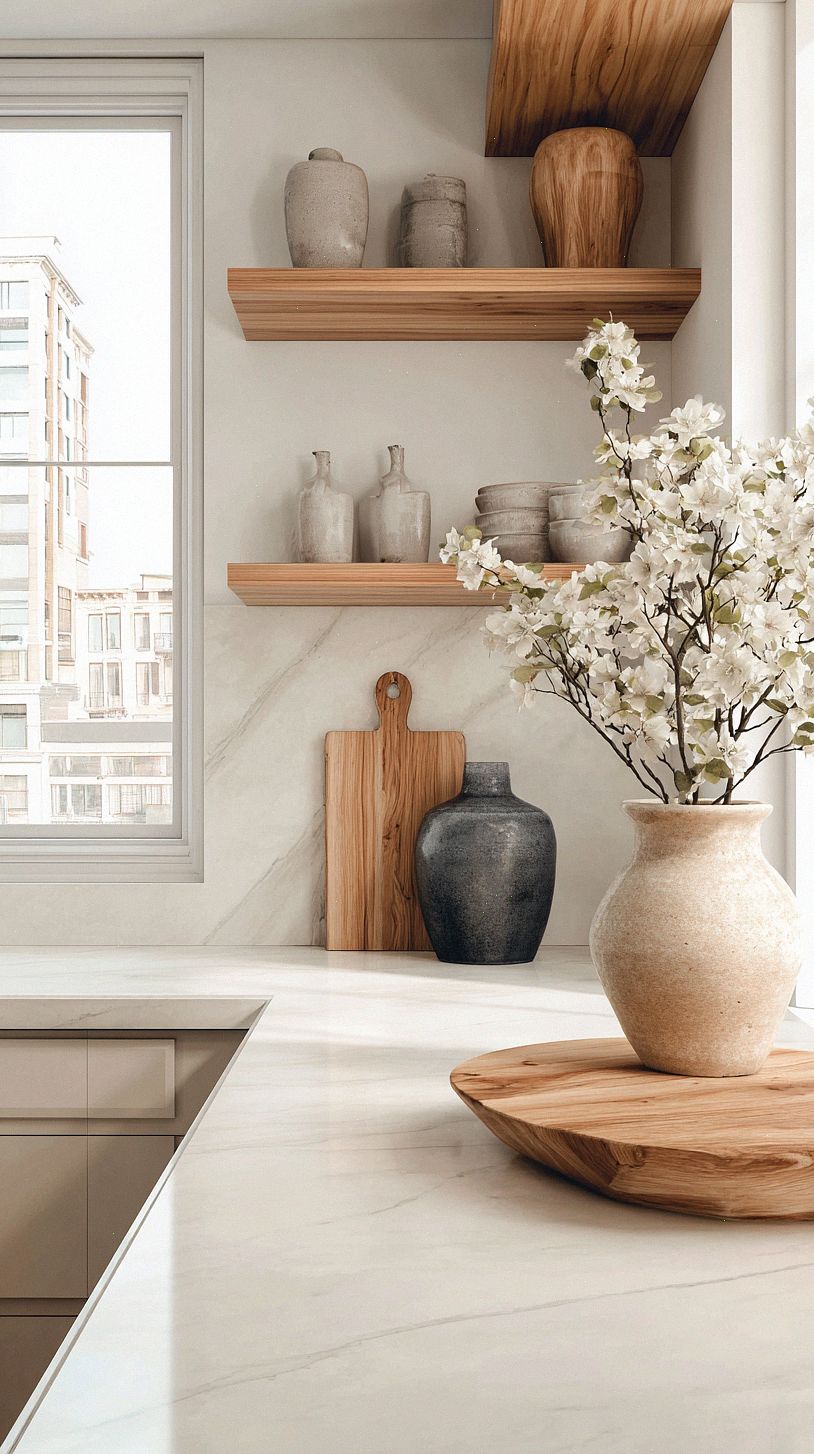
Hide bulky items behind clean cabinet faces so your counters stay clear and the room reads minimal and warm. Use full-height cabinets and deep drawers for pots and pans, tuck small appliances into an appliance garage or a pull-out shelf, and hide trash and recycling in a slide-out cabinet so nothing attracts the eye.

Once things are out of sight, make the inside work harder for you with inserts and dividers that keep everything orderly. Add vertical racks for baking sheets, clear bins and labels in the pantry, a lazy Susan for corner cupboards, and a magnetic strip or under-cabinet hooks for utensils so you can grab what you need without creating visual noise.
Functional Layouts for Flow and Efficiency
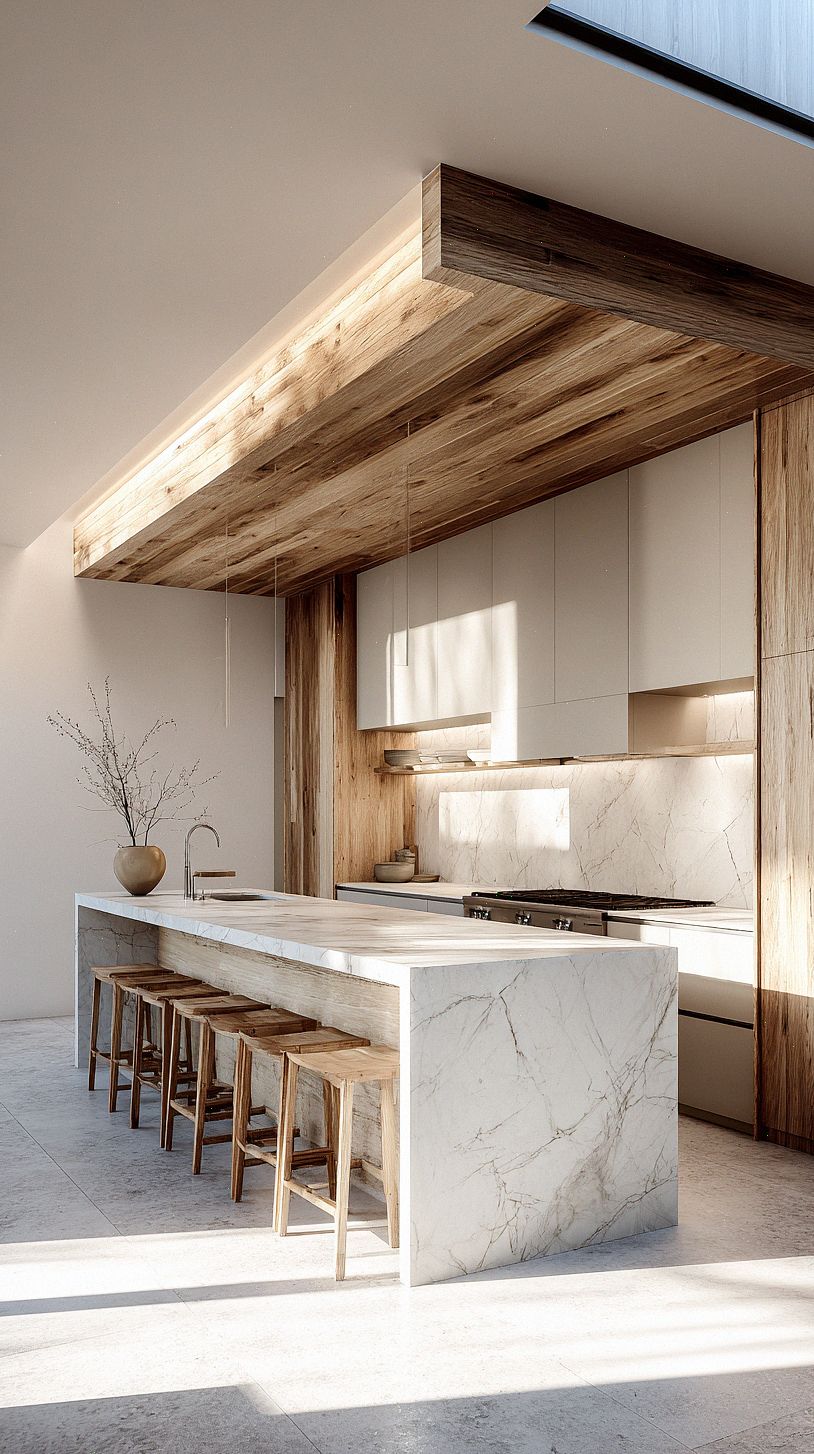
Think about how you move through your kitchen and arrange zones to match that flow: prep near the sink, cooktop and oven close by, and the fridge within easy reach without cutting through your workspace. Keep pathways wide and uninterrupted so multiple people can move around; place the dishwasher next to the sink, tuck the trash near prep, and position an island to support work without becoming a traffic jam.
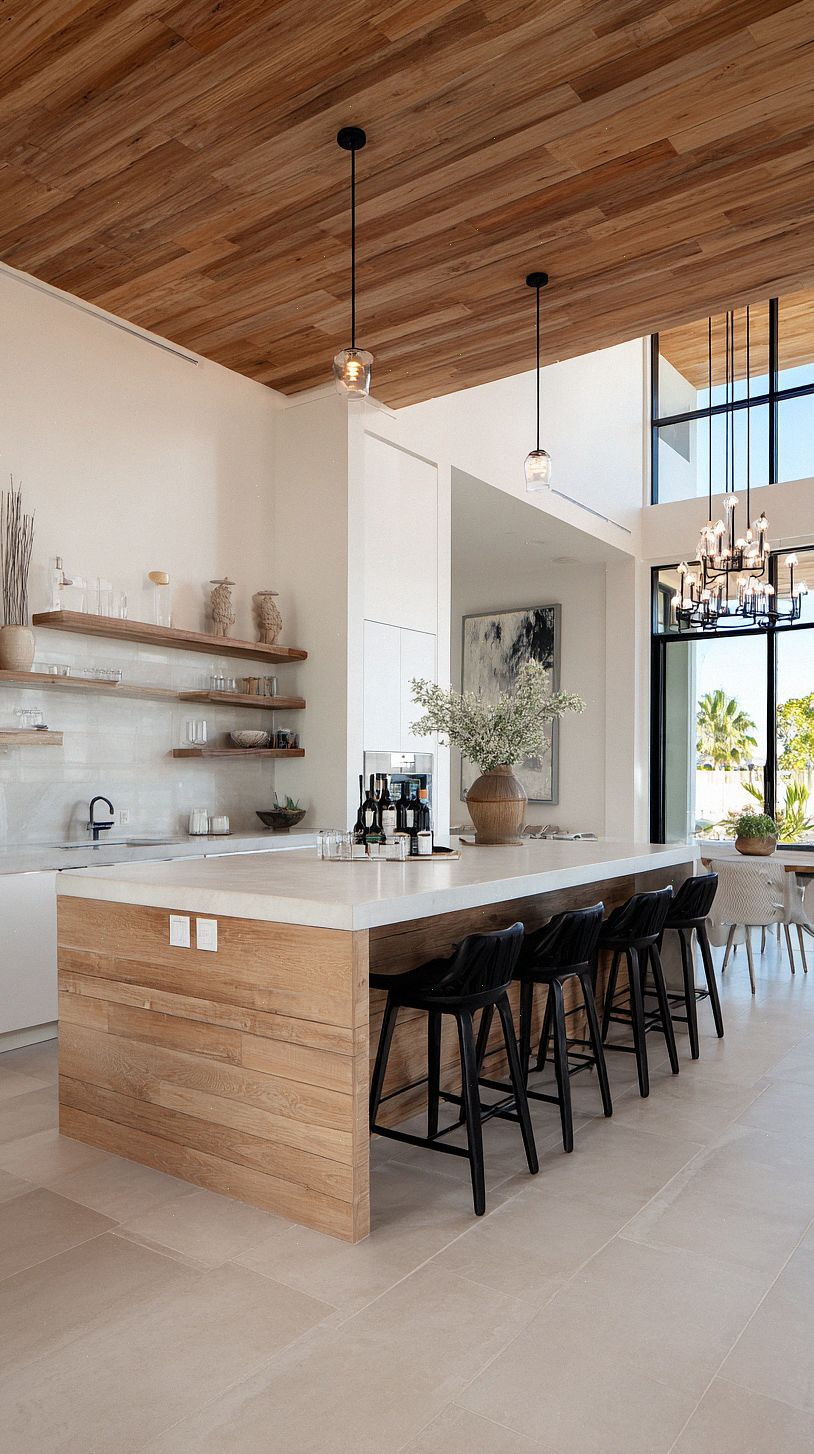
Make storage and surfaces work for you by prioritizing deep drawers for pots, pull-out shelves for pantry items, and vertical racks for baking sheets so everything you need is within arm’s reach. Keep countertops generous and clutter-free, use an island as a flexible prep and serving area with seating that tucks away, and add targeted task lighting so your minimal kitchen stays warm, clean, and highly functional.
Layered Lighting: Ambient, Task, and Accent
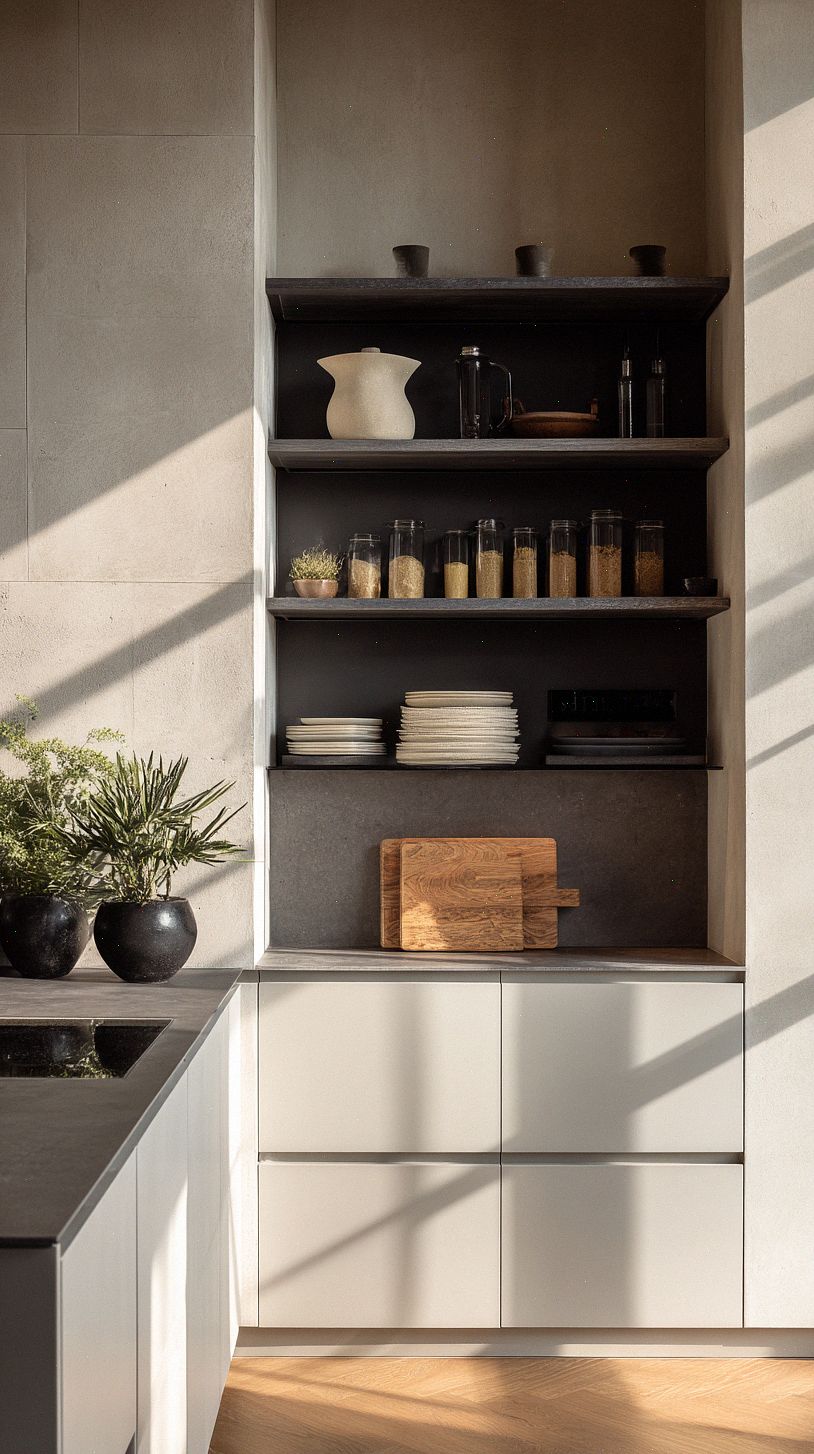
Think of lighting in layers: ambient gives you the overall glow, task lights make cooking safe and easy, and accent lights add a cozy, curated feel. Choose warm color temperatures around 2700–3000K and wire dimmers so you can go from bright and functional to soft and inviting with one switch.
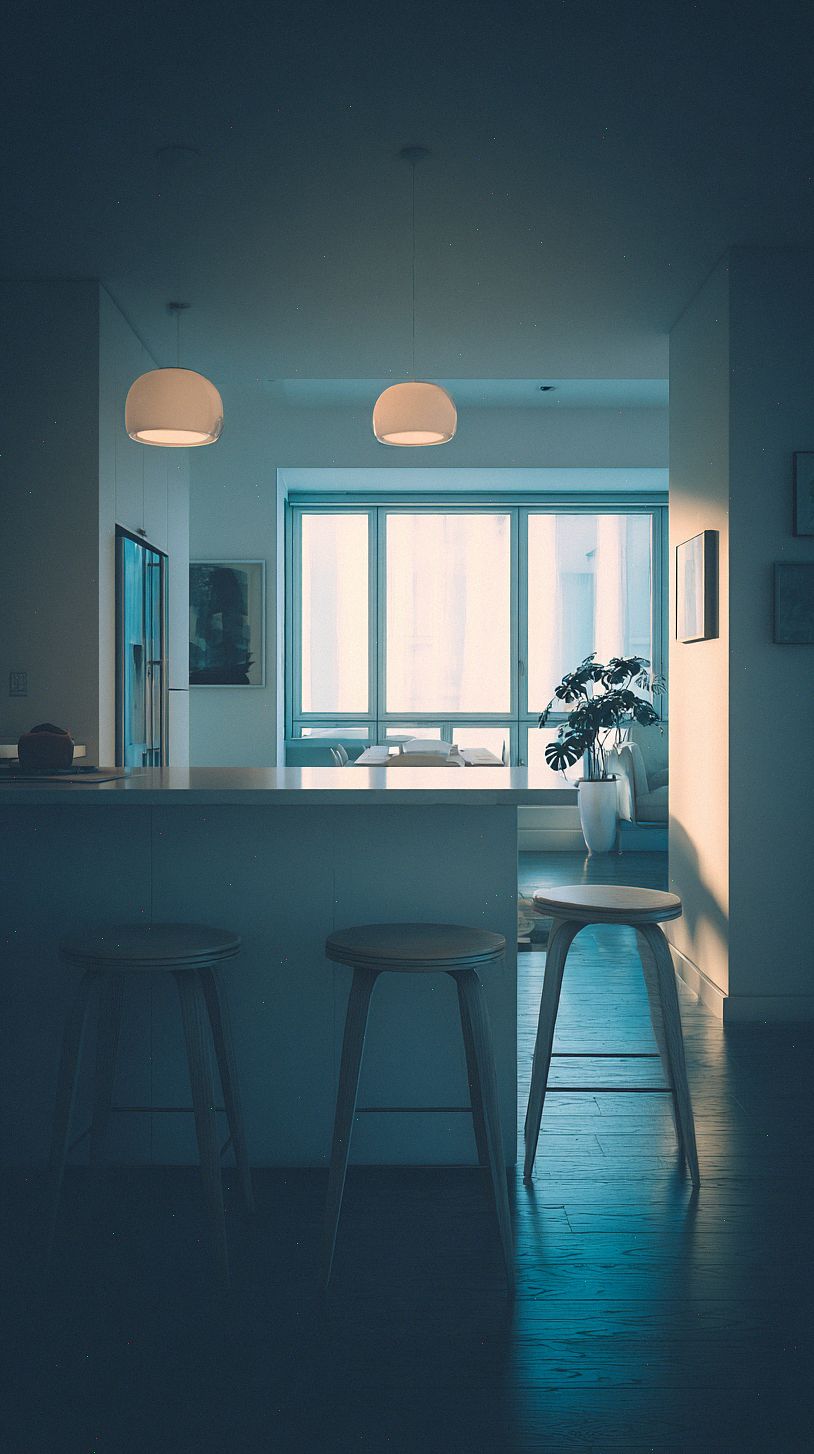
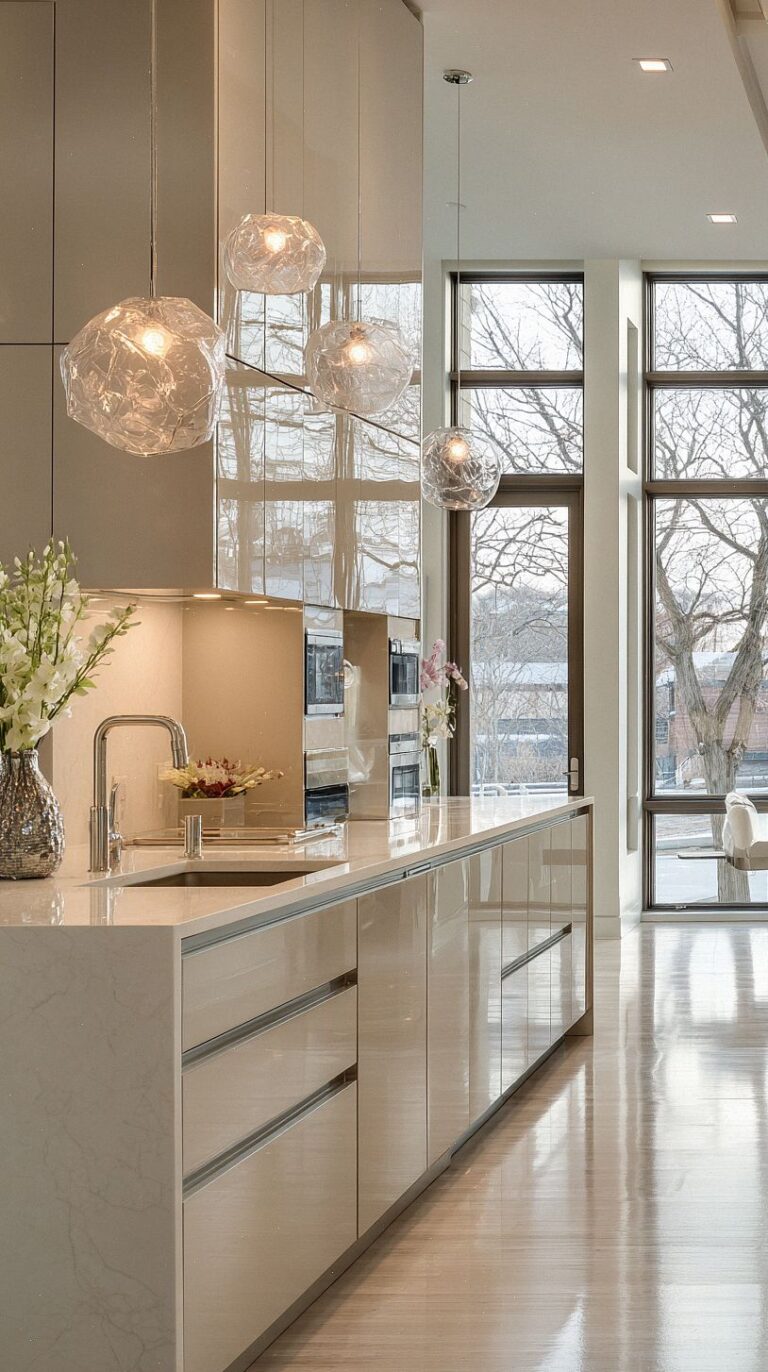
Install under-cabinet LEDs or focused recessed lights for countertops and a simple pendant over an island or sink for focused work, and tuck slim LED strips into open shelves, toe-kicks, or above cabinets to highlight textures and add depth. Keep fixtures minimal and integrated so the lighting feels intentional, not cluttered.
Appliances and Fixtures That Fade Into the Design
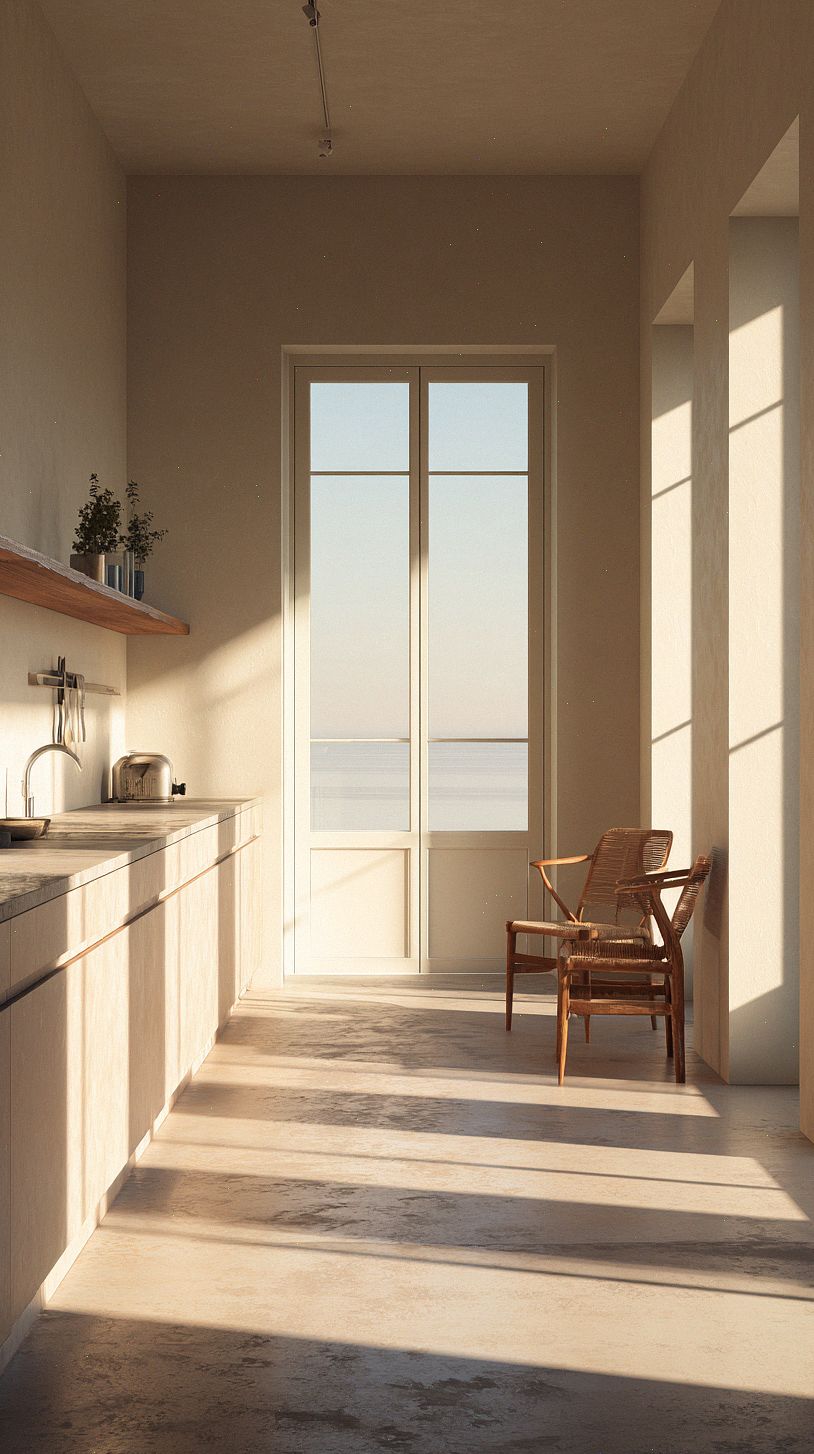
Pick appliances that almost disappear into your cabinets: panel-ready fridges and dishwashers, flush cooktops, and built-in ovens with minimal control faces keep visual clutter low. Look for downdraft or integrated ventilation, undercounter microwaves, and quiet, simple controls so function stays high while your eye rests on clean planes.

Choose fixtures that feel intentional but unobtrusive, like low-profile faucets, integrated sinks, and matte finishes that hide fingerprints and glare. Match metals and use concealed pulls or recessed handles, and prioritize easy-clean, water-saving features so your kitchen stays warm and usable without shouting for attention.
Styling with Minimal Accessories and Greenery
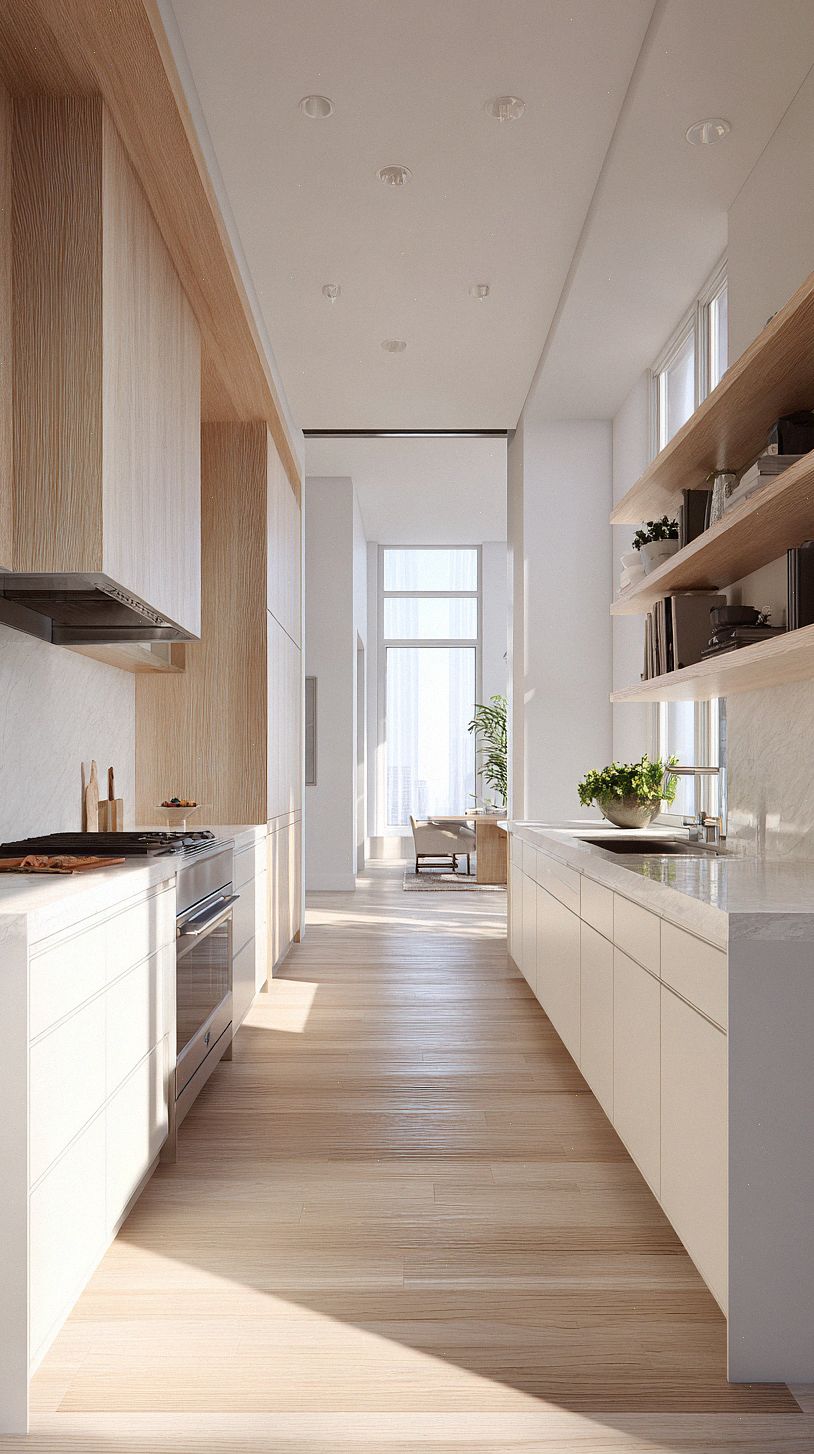
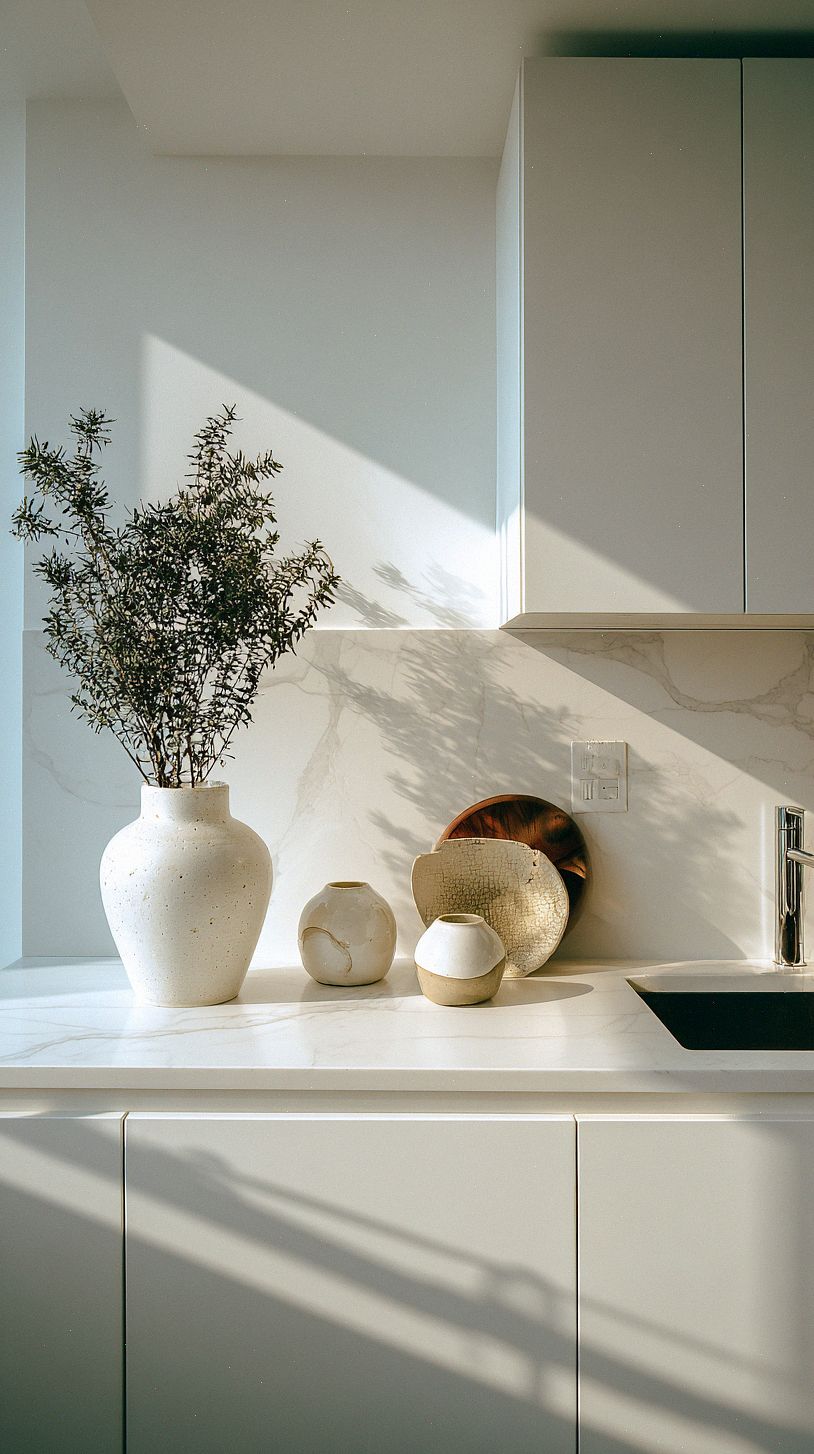
Let only what you use and love live on the counters. Choose a few functional accessories like a wooden utensil jar, a simple cutting board, and a neutral tray to corral oils or soaps. Stick to warm materials and a limited palette so each piece reads intentional, and leave plenty of clear surface to let the space breathe.
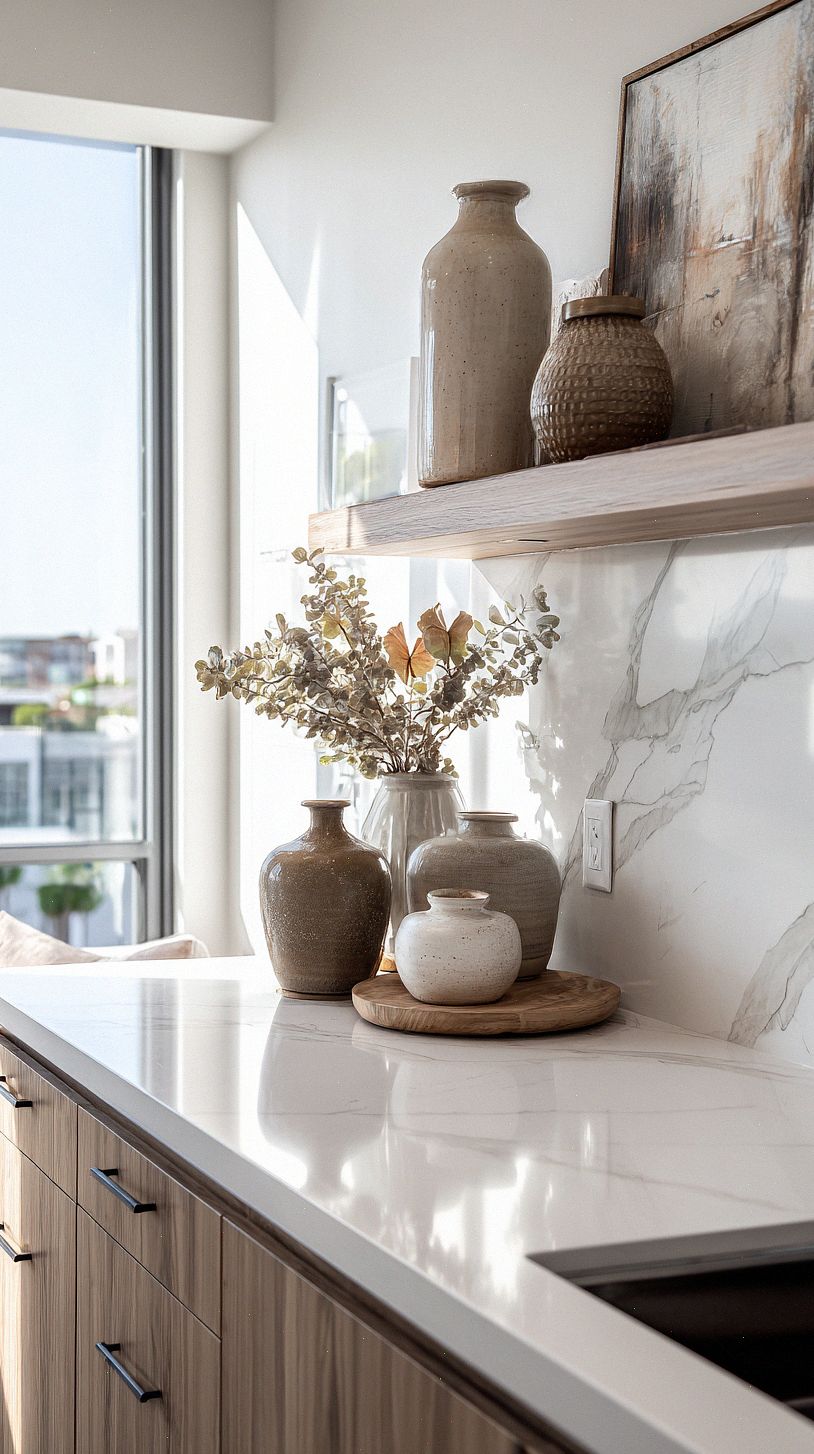
Bring in greenery to add life without clutter. A couple of small potted herbs on the windowsill, a trailing plant on an open shelf, or a single sculptural snake plant near the sink will soften lines and introduce color. Keep pots simple and consistent, group plants in odd numbers, and pick low-maintenance varieties so your kitchen stays calm and welcoming.
Easy Maintenance to Preserve the Minimal Look
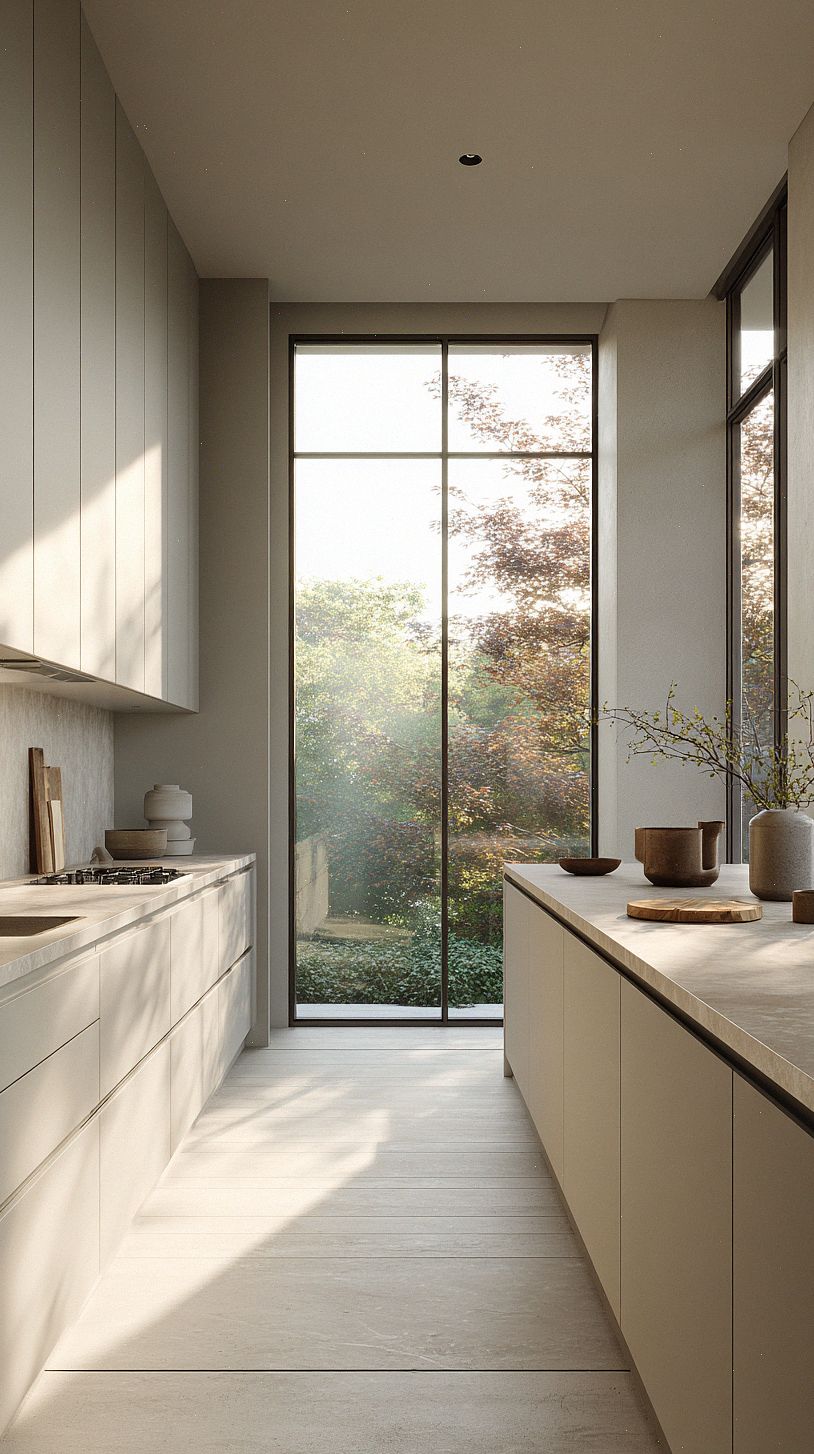
Keep surfaces clear and make maintenance part of your routine. Wipe counters and the cooktop after each use with a microfiber cloth and a gentle cleaner so crumbs and spills never build up. Do a five-minute reset at the end of the day: stash small appliances, wipe visible spots, and return items to their homes so the kitchen reads as minimal even when you use it.
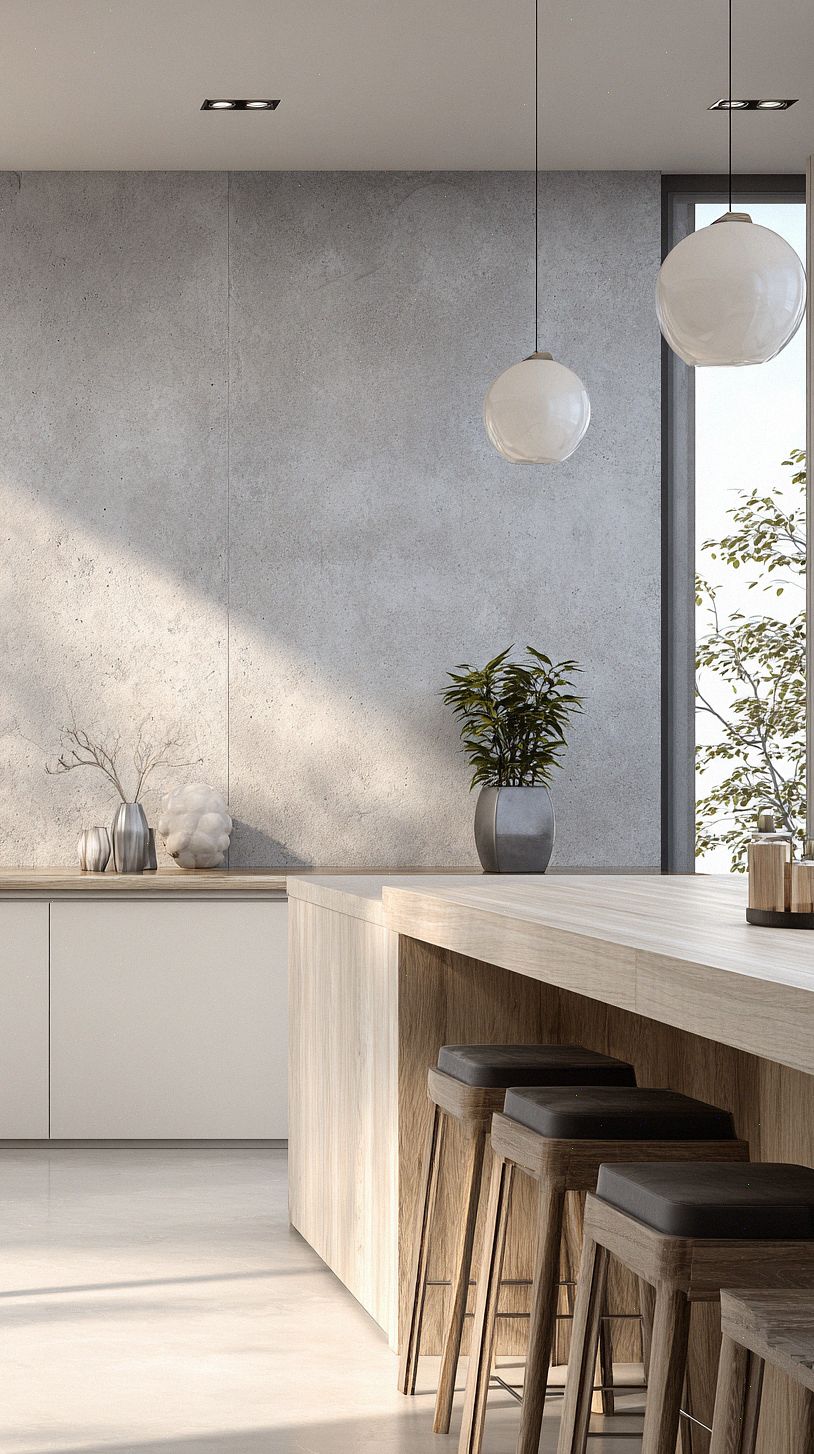
Pick materials and details that work for real life, not just looks. Smooth, nonporous countertops, full-height backsplashes, and slab cabinet fronts hide grime and are quick to clean. Favor satin or textured finishes over high gloss to minimize fingerprints, and invest in smart storage like pull-outs, drawer organizers, and built-in trash so everything has a place out of sight.