How to Create a Maximalist Home That Feels Bold, Curated, and Personal
We love a home that announces itself the moment you step inside: saturated colors that feel intentional, patterns that play off one another, and treasures that tell stories about where we’ve been and who we are. Maximalism, when done with purpose, is not about piling things up at random. It is about confidence in color, thoughtful layering of texture and scale, and the kind of curation that makes a space unmistakably personal.
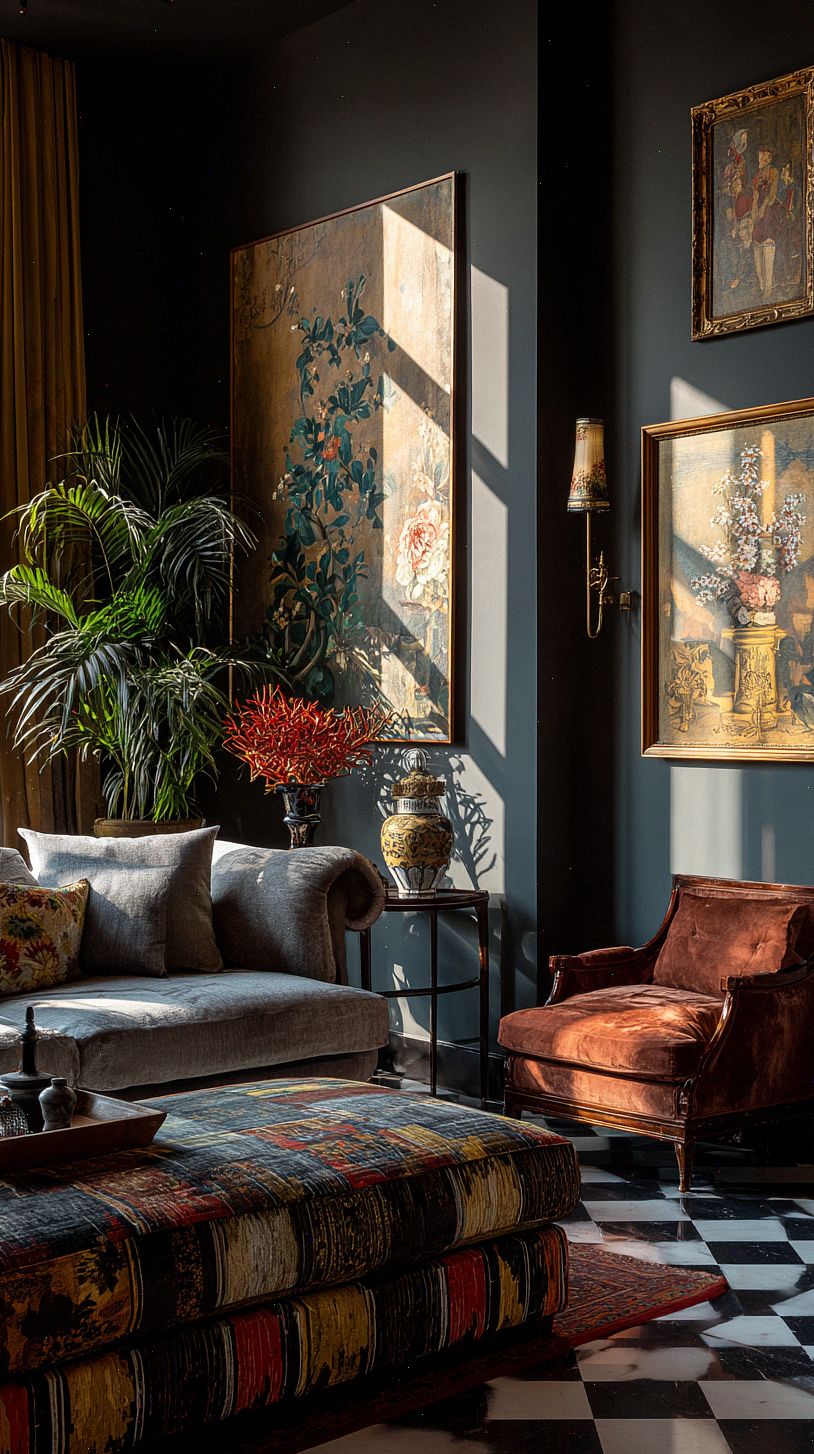
As we walk through how to create a maximalist home that feels bold, curated, and intimate, we’ll unpack how to build a rich, cohesive palette, layer patterns and textures with confidence, and mix vintage finds, global pieces, and new buys. We’ll also look at choosing statement furniture and sculptural anchors, curating art in unexpected ways, styling collections and souvenirs so they read as design rather than clutter, and using lighting, mirrors, and metallic accents to add drama. Along the way we’ll share practical tips for carving functional zones in busy rooms and simple rules for editing so your maximalism always feels intentional.
The Philosophy of Maximalism: Bold, Curated, and Personal

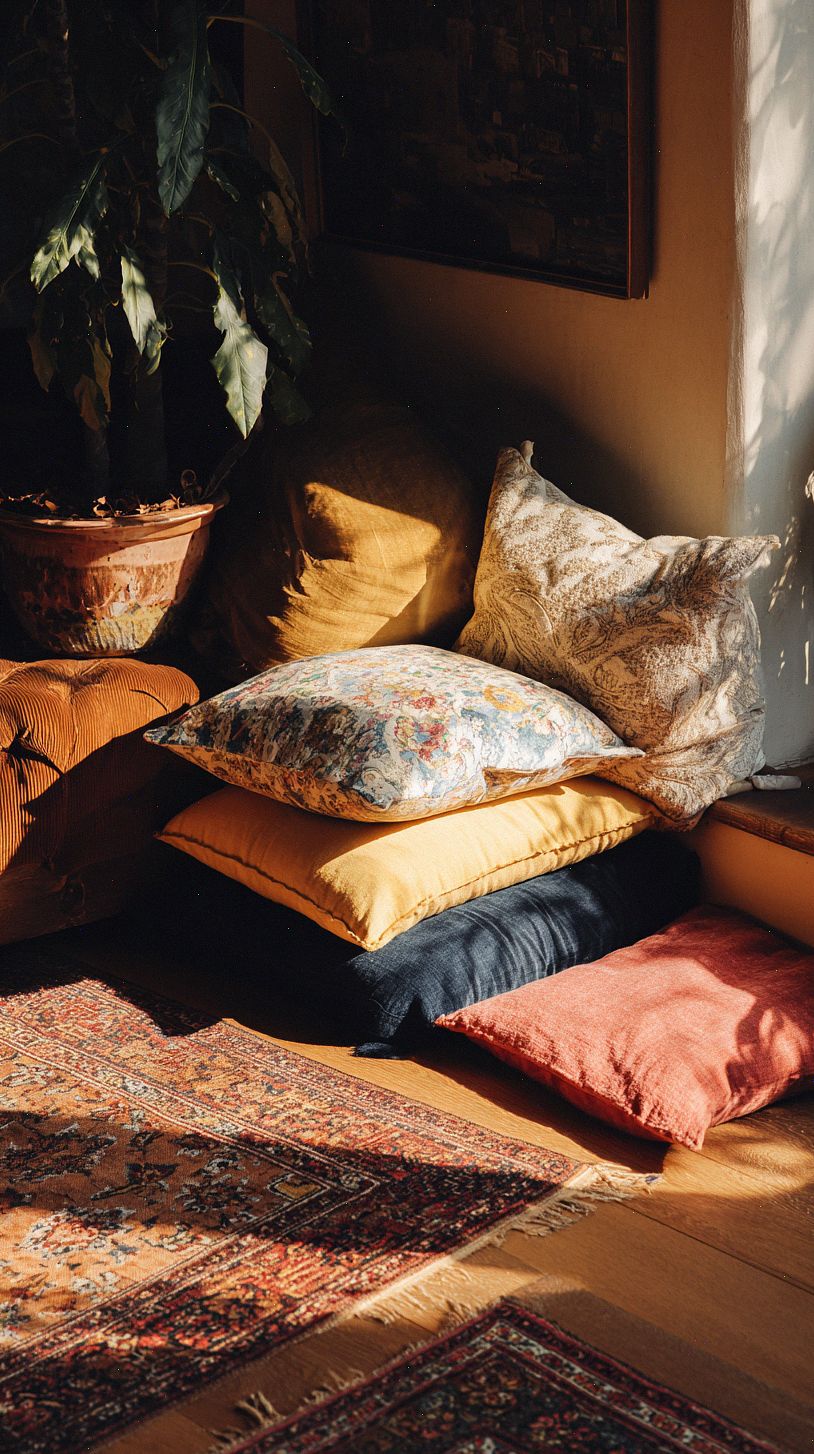
Maximalism is permission to choose boldly. You let color, pattern, and objects coexist because they speak to you, not because they match some neutral rule. It is about layering with intention: scale up one element, repeat a motif, and mix finishes so the room feels energetic rather than chaotic.
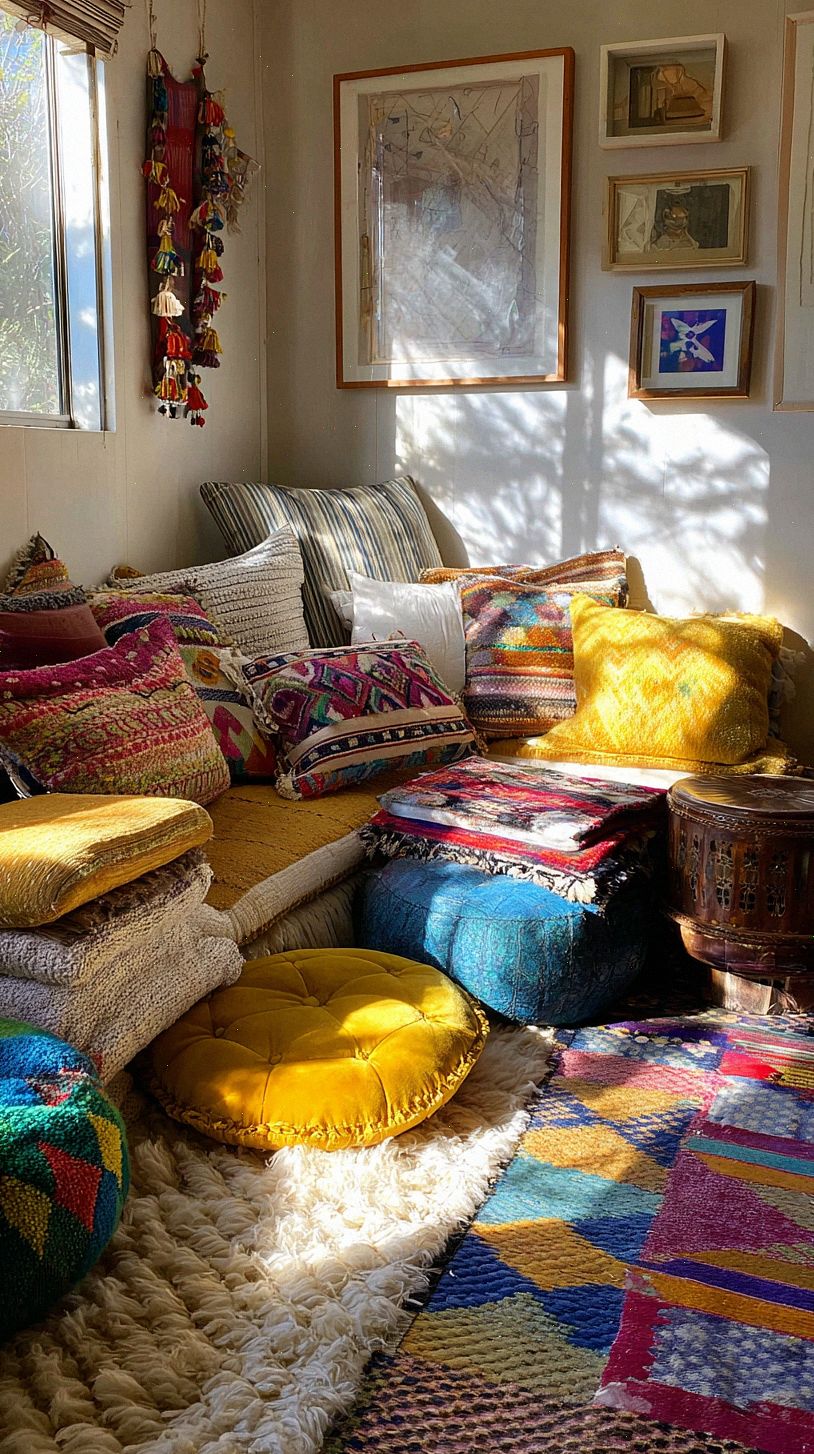
At its heart, maximalism is curated storytelling. You collect pieces that mean something and group them with purpose, balancing vintage finds, art, and souvenirs so each vignette feels edited and intentional. The result is a space that reads like you—full of personality, memory, and confident choices.
Defining a Rich, Cohesive Color Palette

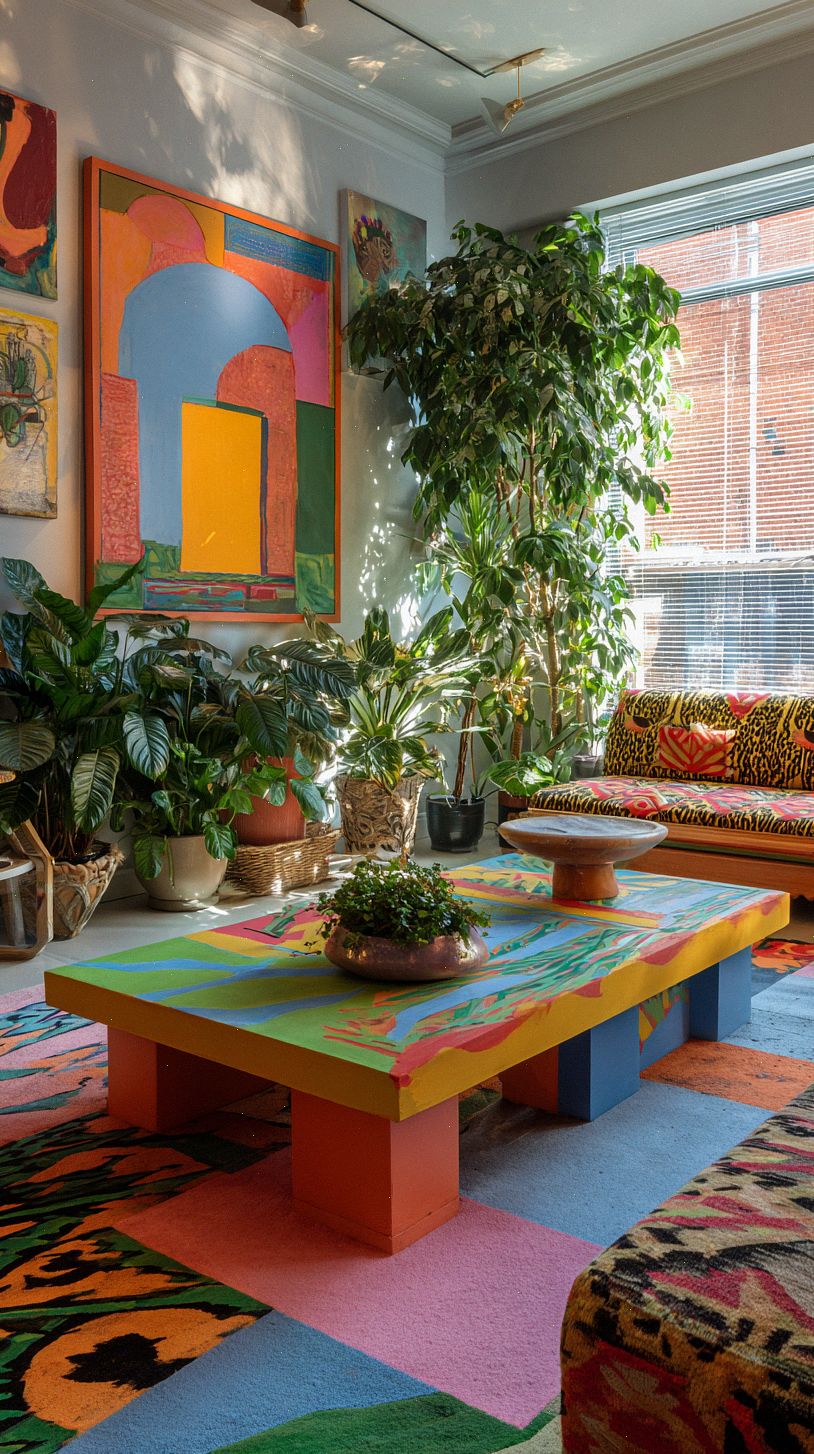
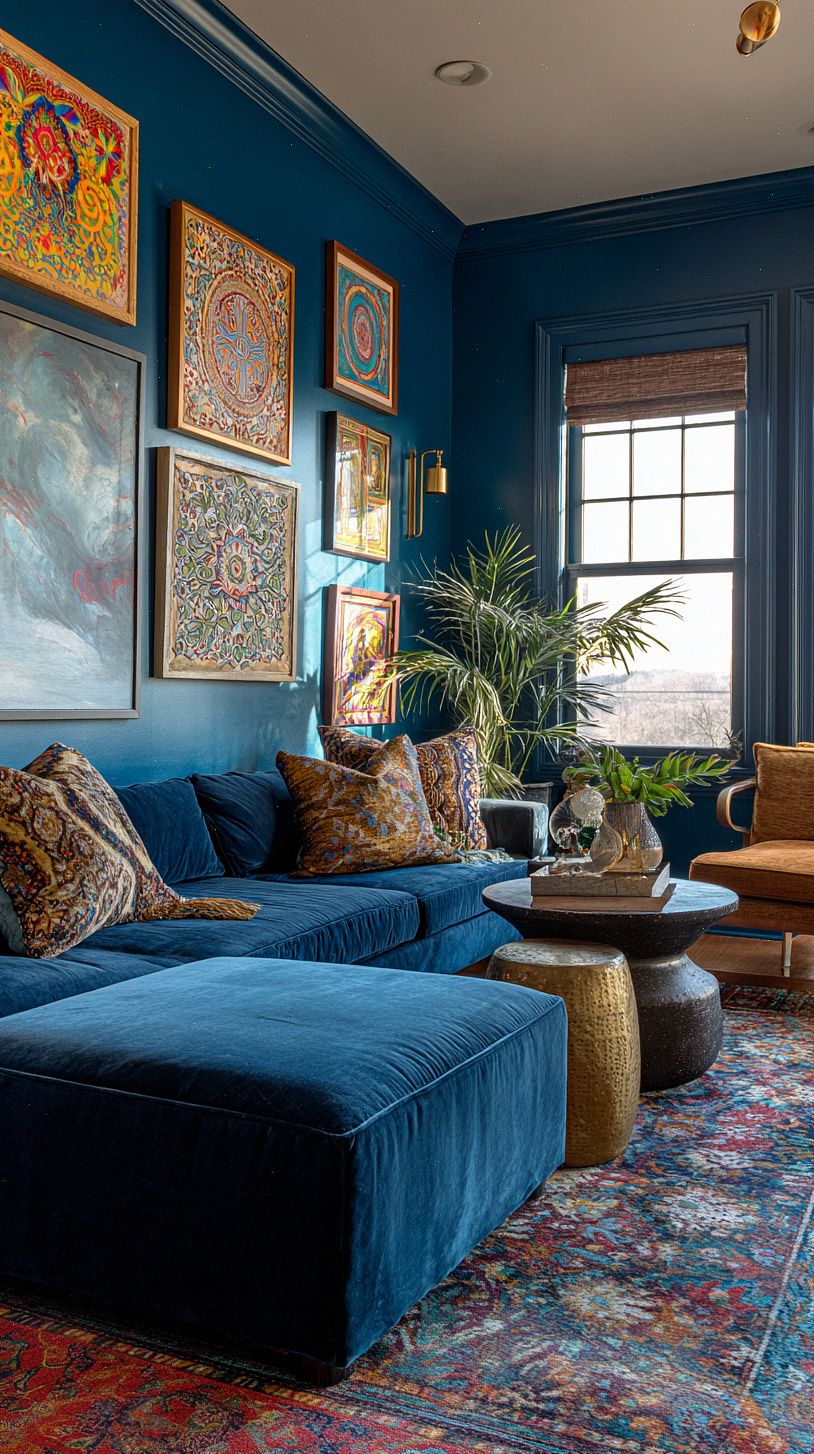
Start by choosing a handful of colors that feel intentional rather than random. Pick a dominant hue to anchor the room, a secondary tone to support it, and one or two accent colors for pops; aim for shared undertones so everything reads cohesive even when patterns and textures are loud. Use a neutral or two to give your eye a place to rest, and repeat your key colors across walls, rugs, artwork, and accessories so the room reads like a curated collection instead of a collage.
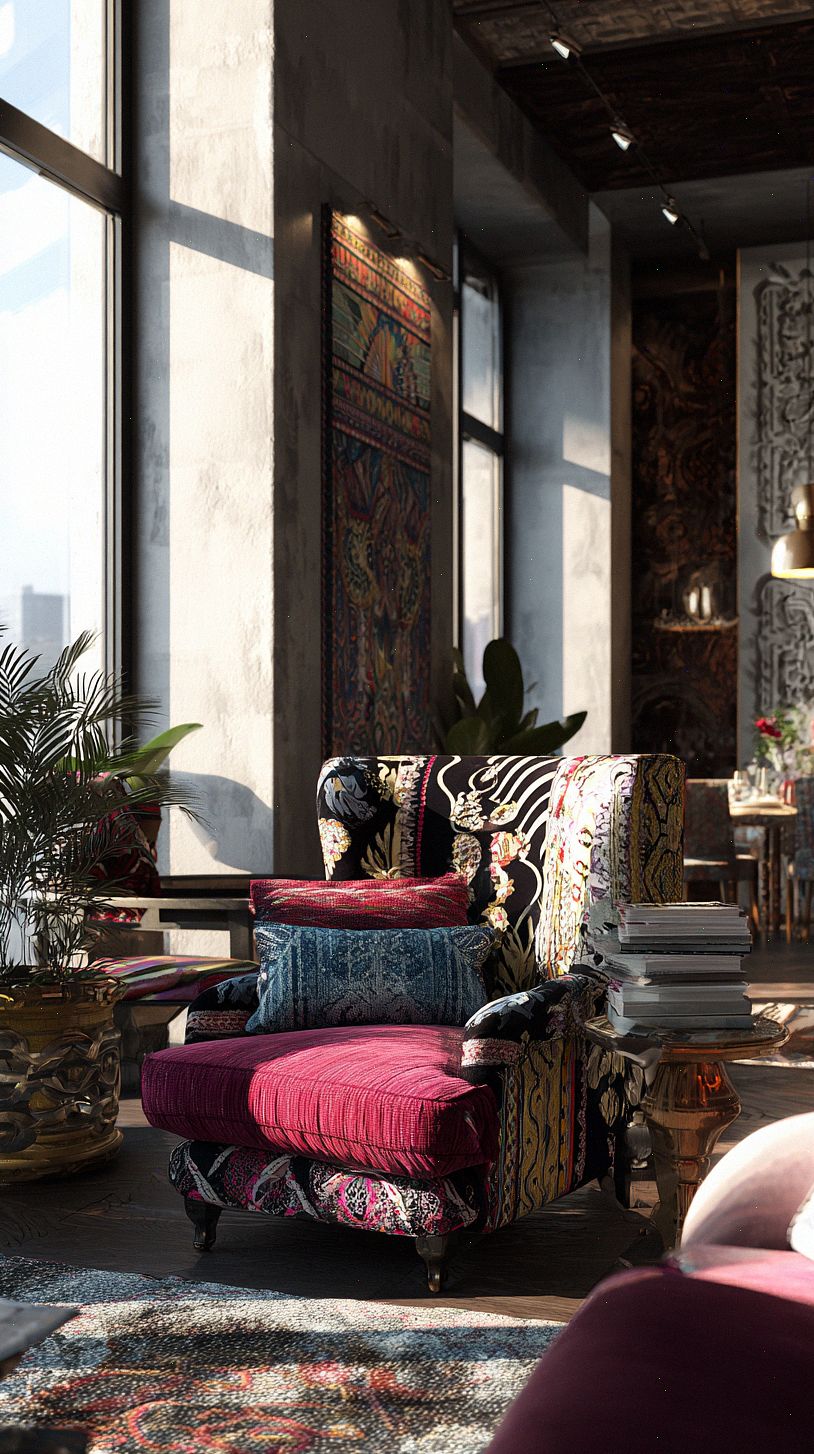
Think beyond paint by using finishes and texture to expand the palette: velvet cushions, matte ceramics, brass hardware, and glossy tiles will all deepen the same color in different ways. When mixing patterns, make color the unifying element so florals, geometrics, and stripes can coexist, and always test swatches in the actual room light before committing to large surfaces.
Layering Patterns, Textures, and Scale with Confidence
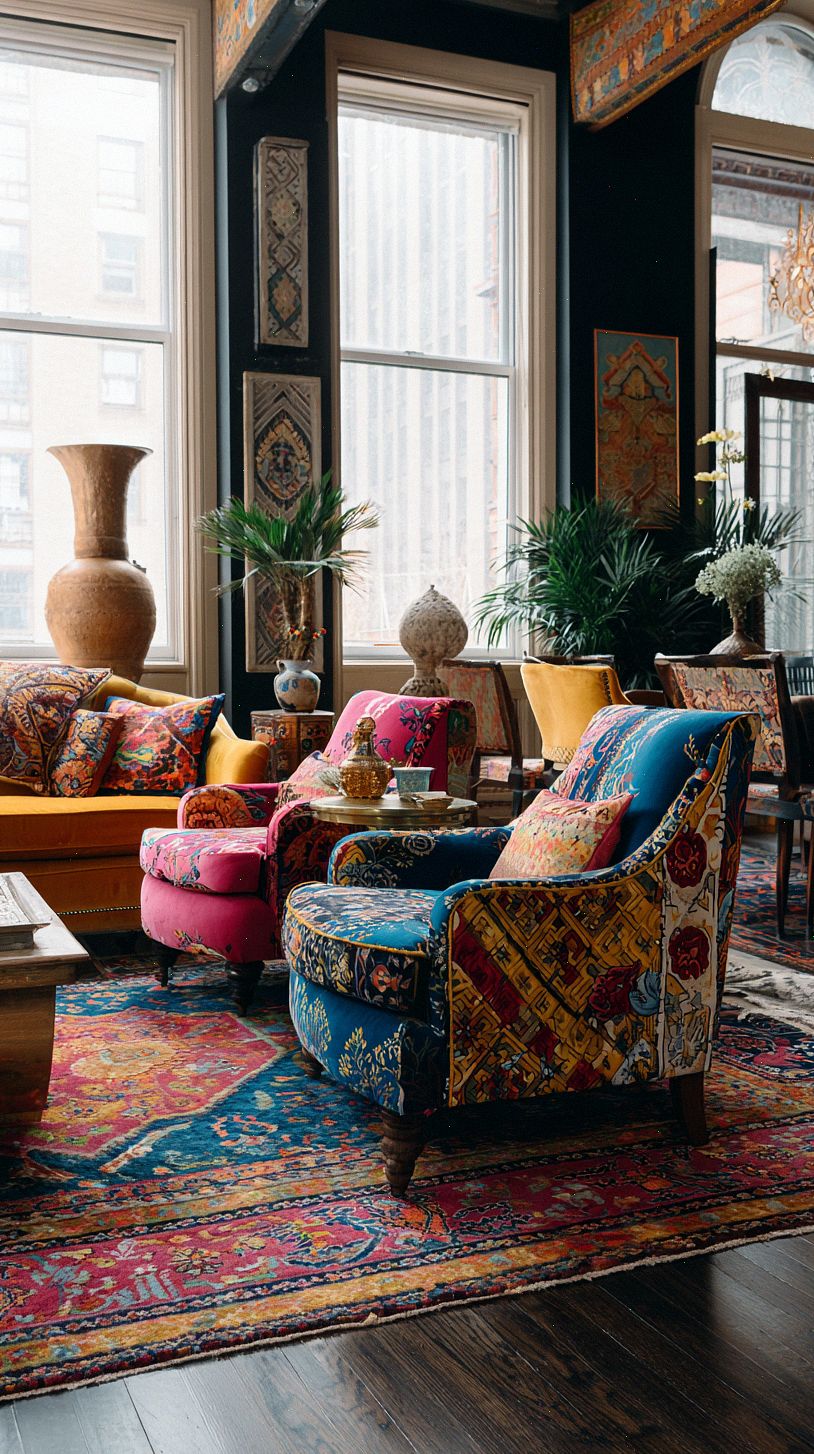
When layering patterns, think scale first: anchor the room with one large print, add a couple of medium patterns and finish with smaller repeats. Tie them together by repeating a color or motif so your eye has a place to rest, and break up busy areas with a solid or subtle texture.

Textures give maximalism its soul, so mix smooth velvet, nubby wool, raw wood, and glossy ceramics to create depth and contrast. Vary heights and finishes, group objects in odd numbers, and trust your instincts—edit a few pieces if it feels noisy, because a little tension is what makes it look curated rather than accidental.
Mixing Eras: Vintage Finds, Global Pieces, and New Buys
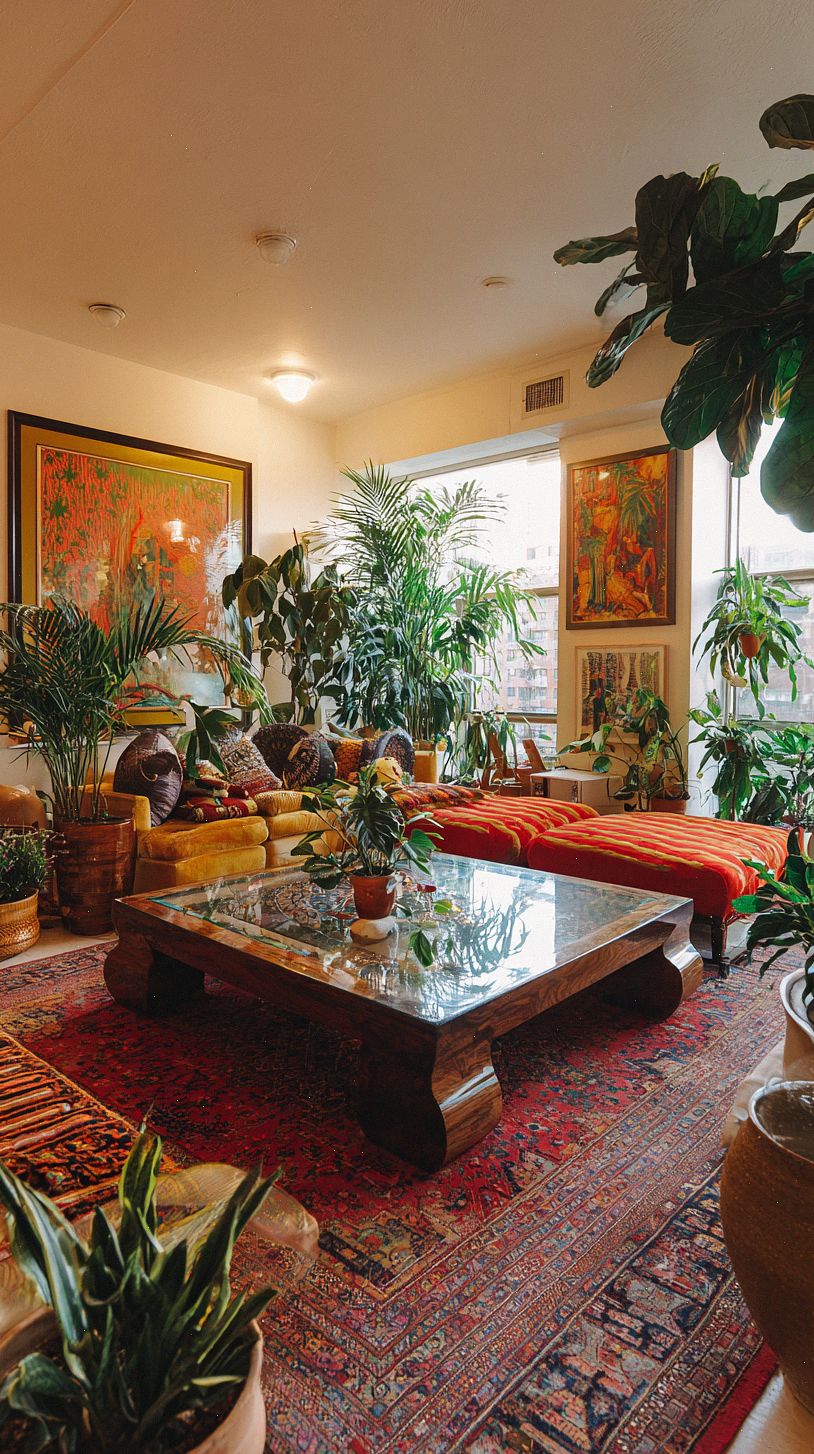
Mixing vintage finds, global pieces, and new buys is all about creating a chorus, not a competition. Let one color, texture, or pattern run through the room to tie everything together, then layer different scales and eras so your eye moves around the space. Hunt for pieces with character, like a worn leather chair or an embroidered kilim, and pair them with sleeker modern items so each piece feels intentional.
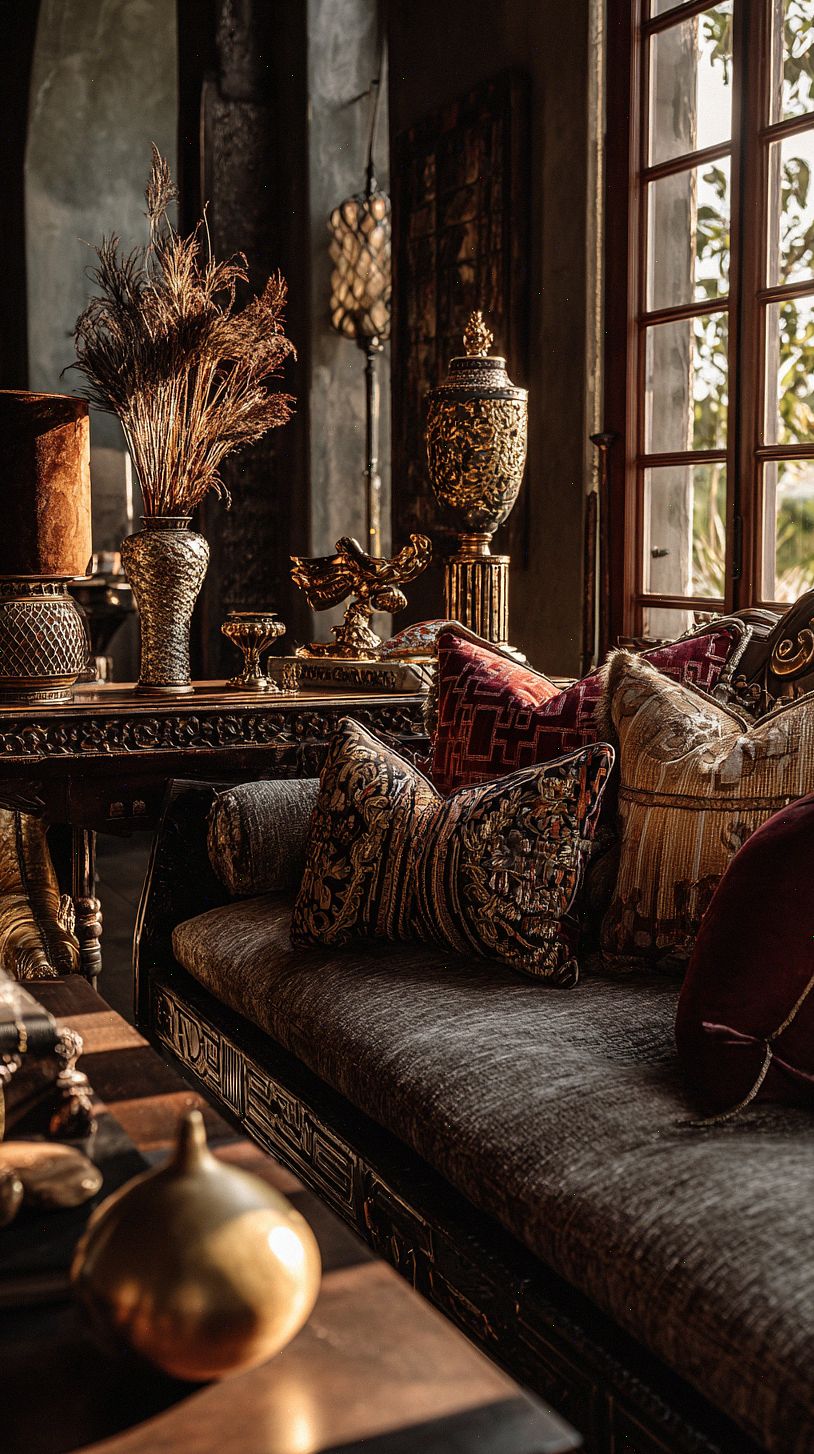
Anchor the room with a reliable modern item, like a sofa or rug, and use smaller vintage or travel-acquired objects to add personality and surprise. Repeat a metal tone or a color accent to create cohesion, and leave small pockets of calm so your curated clutter reads as collected rather than chaotic.
Statement Furniture and Sculptural Anchors
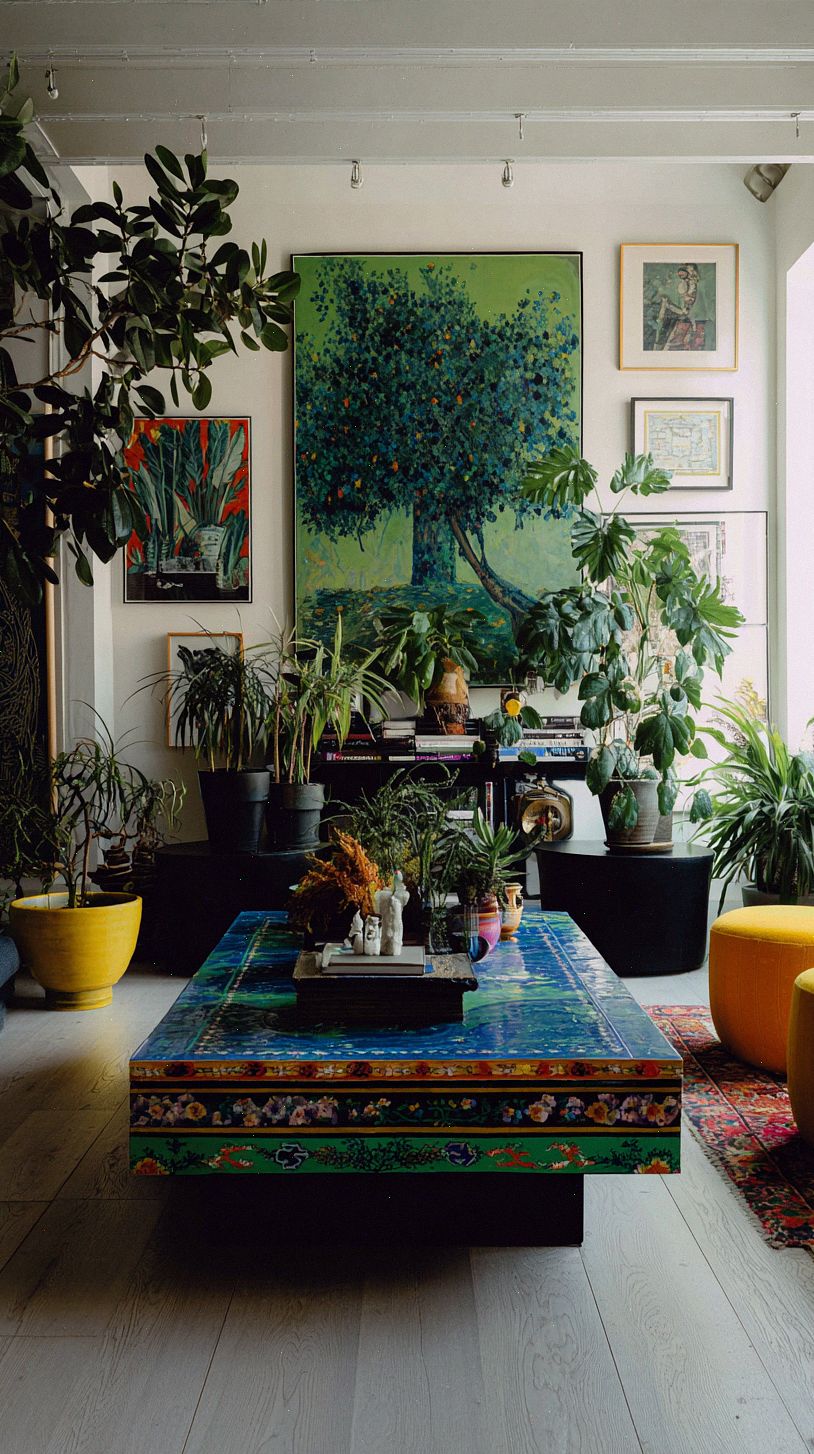
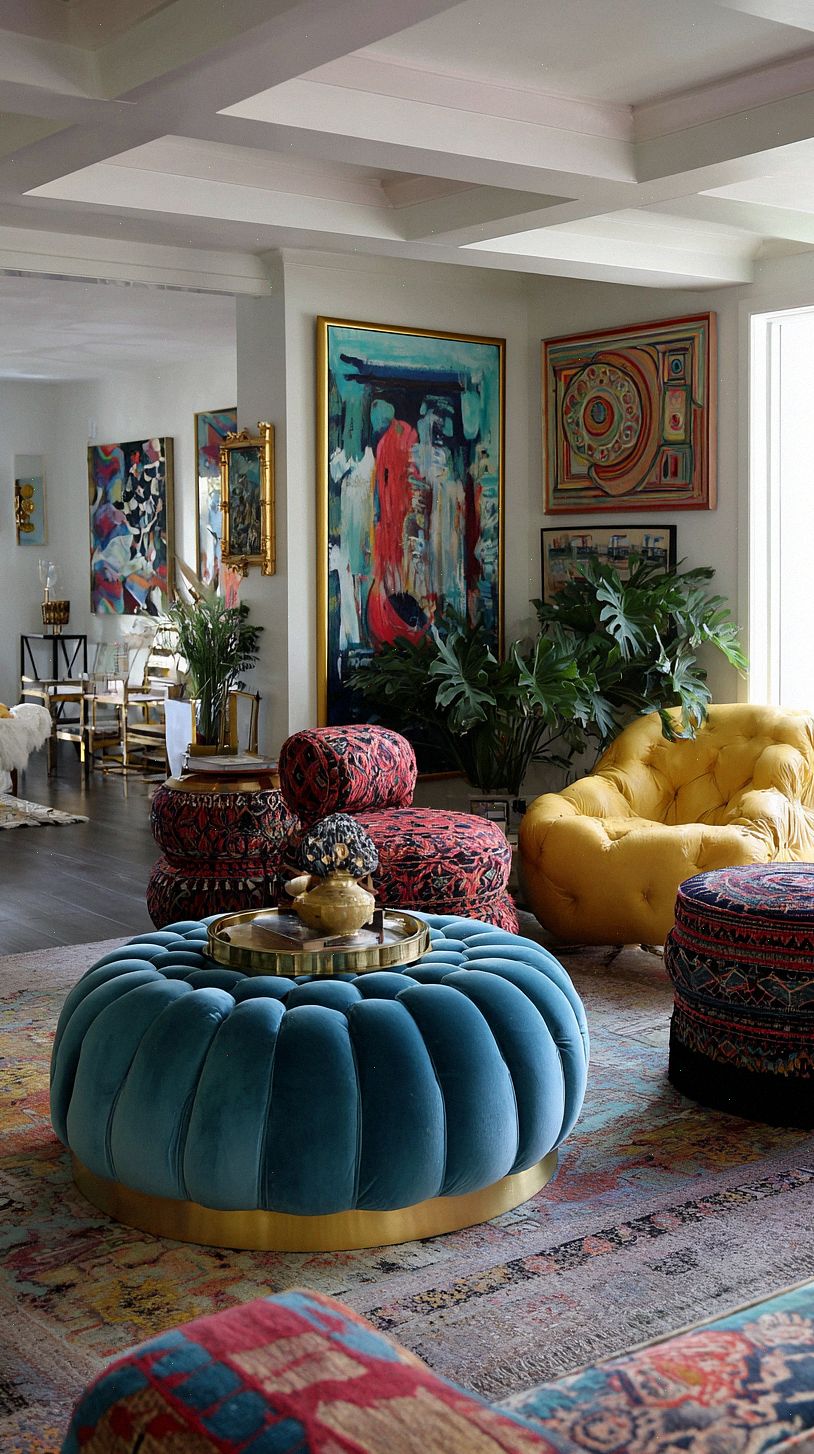
Pick one or two big, show-stopping pieces to set the mood—think a curvy velvet sofa, an oversized marble coffee table, or an angular midcentury credenza. Those pieces act like anchors for your room: they give scale, pull the eye, and let you layer color, pattern, and smaller treasures around a confident central idea. Mix periods and materials so it feels collected, not staged, and don’t be afraid to let a bold silhouette or unexpected finish steal the scene.
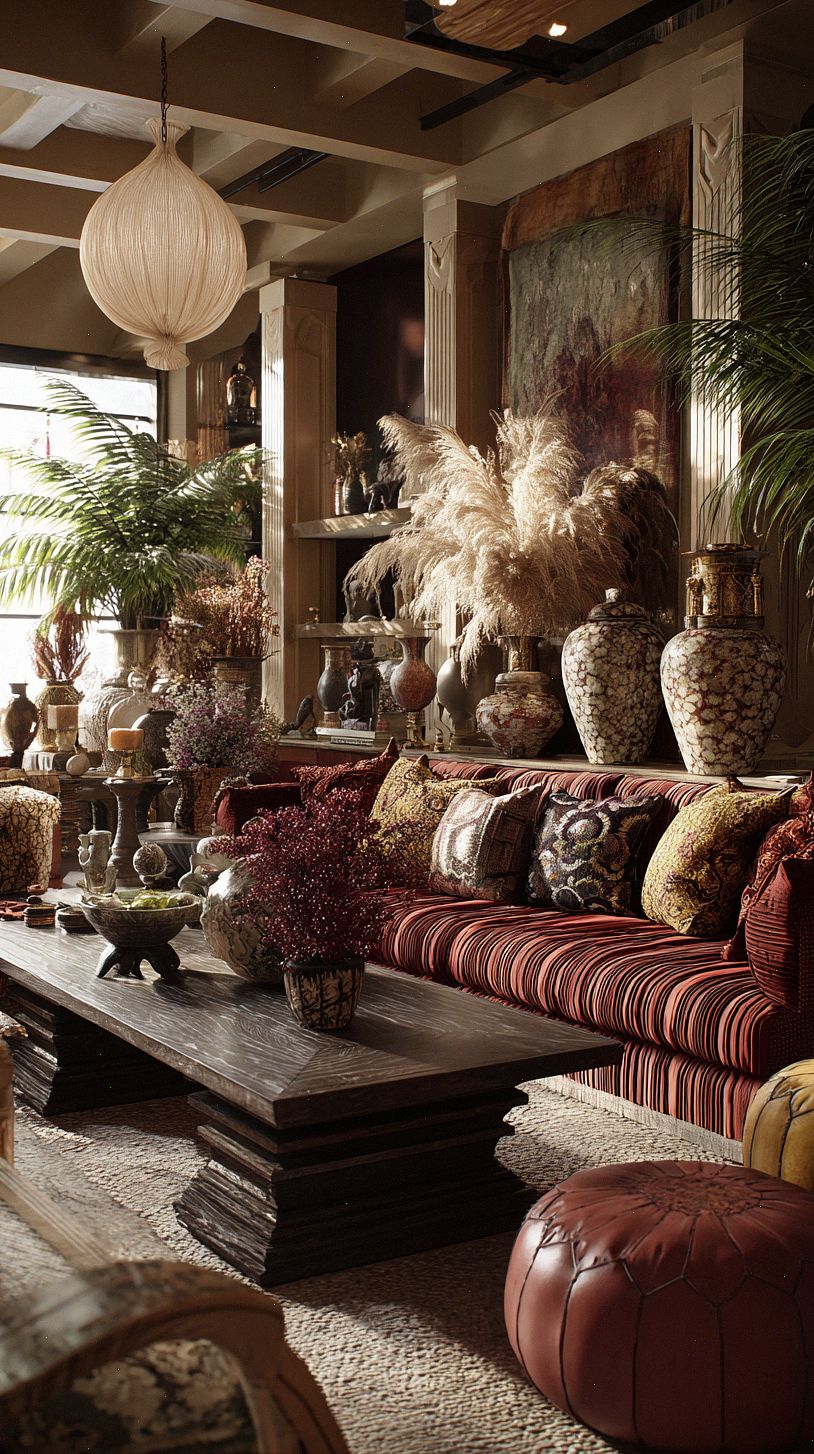
Use sculptural objects and lighting to create secondary focal points that guide movement through the space—a tall ceramic vase, an arcing floor lamp, or a stacked sculpture on a console can break up a wall and add personality. Leave a little breathing room around these anchors so their shapes read clearly, then echo their tones or textures in pillows, rugs, or art to tie the whole look together without forcing symmetry.
Art Curation: Gallery Walls, Oversized Pieces, and Unexpected Placements
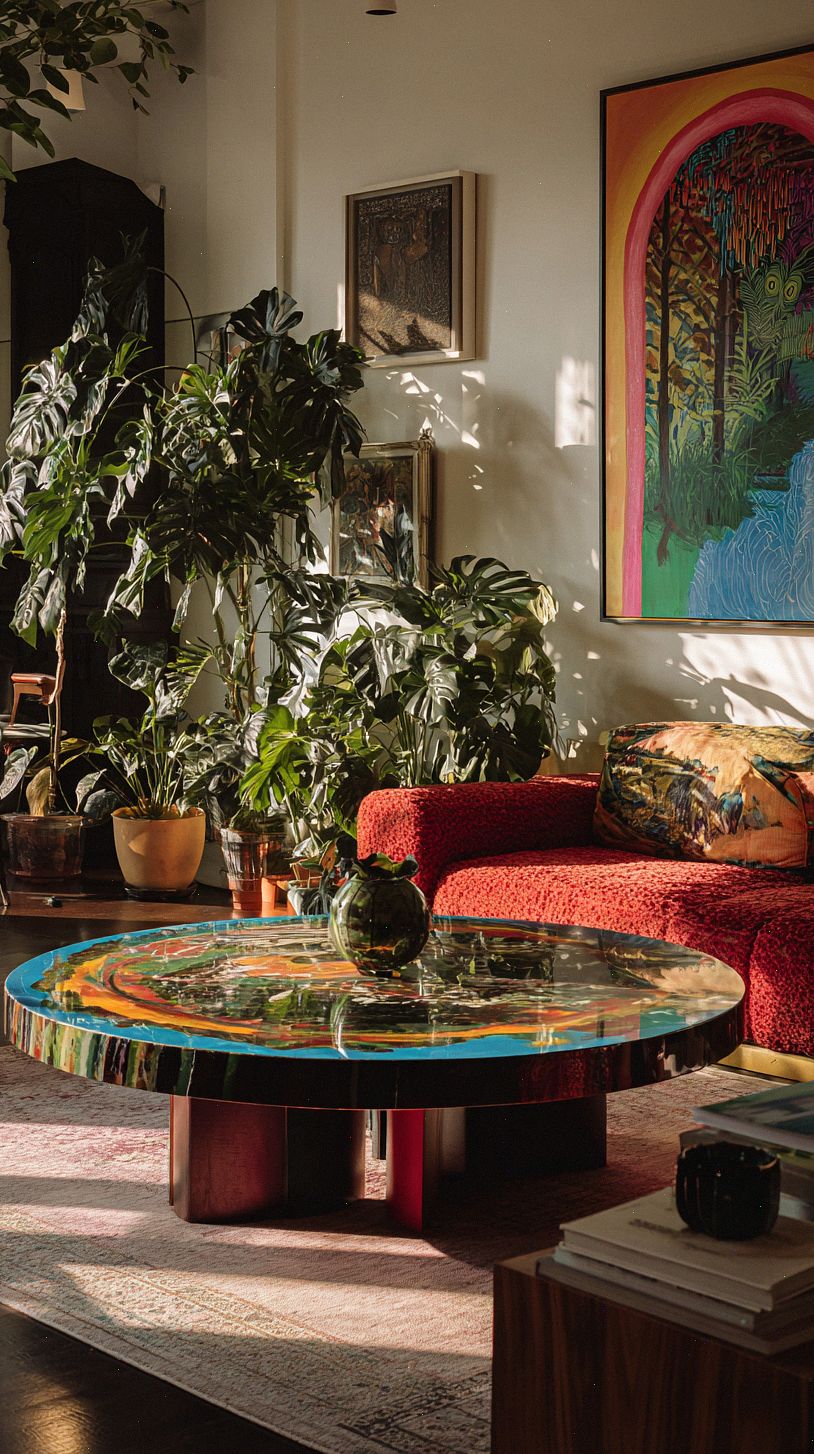
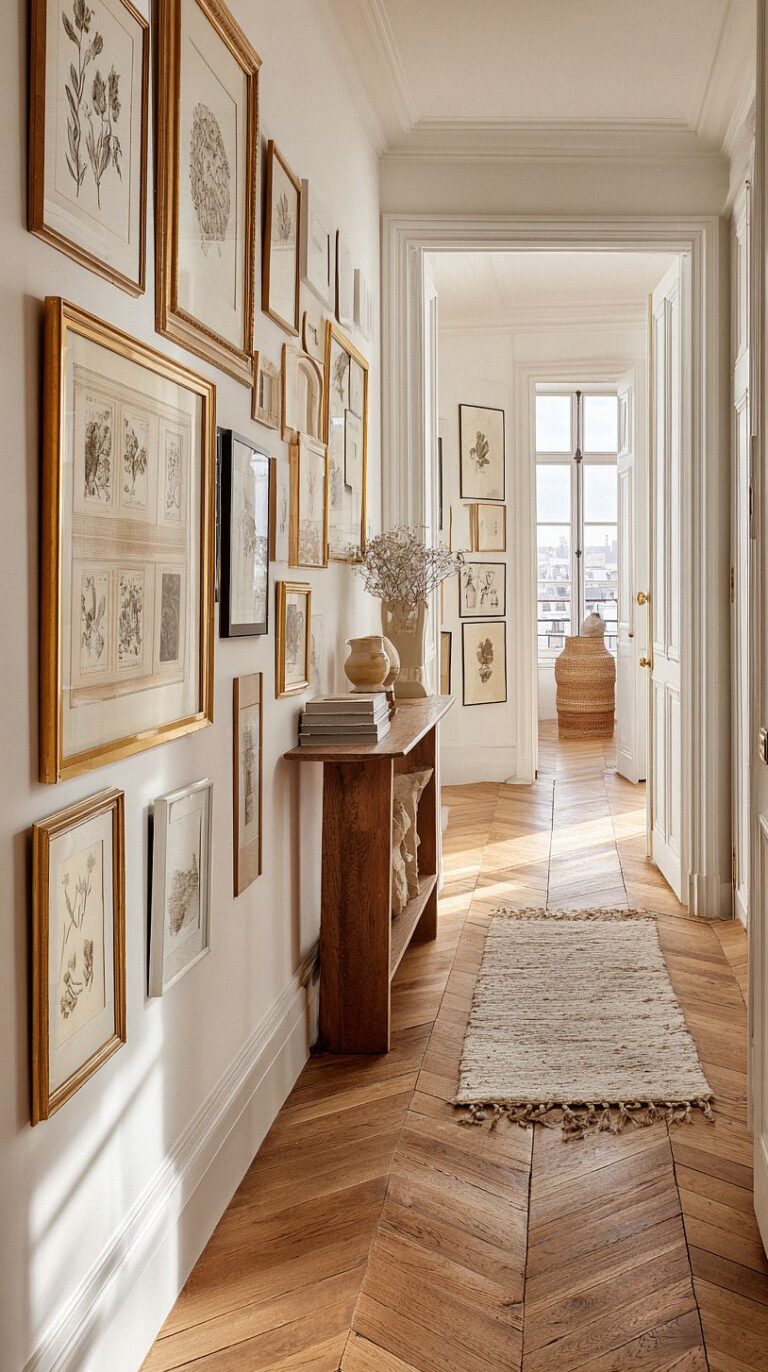
Start by building a gallery wall like you would build a conversation. Pick one or two anchor pieces and let smaller works orbit around them, mixing frame styles, textures, and even sculptural objects to keep the eye moving. You can overlap pieces, play with uneven spacing, and add shelves for ceramics or plants so the wall feels layered and deeply personal instead of matchy.
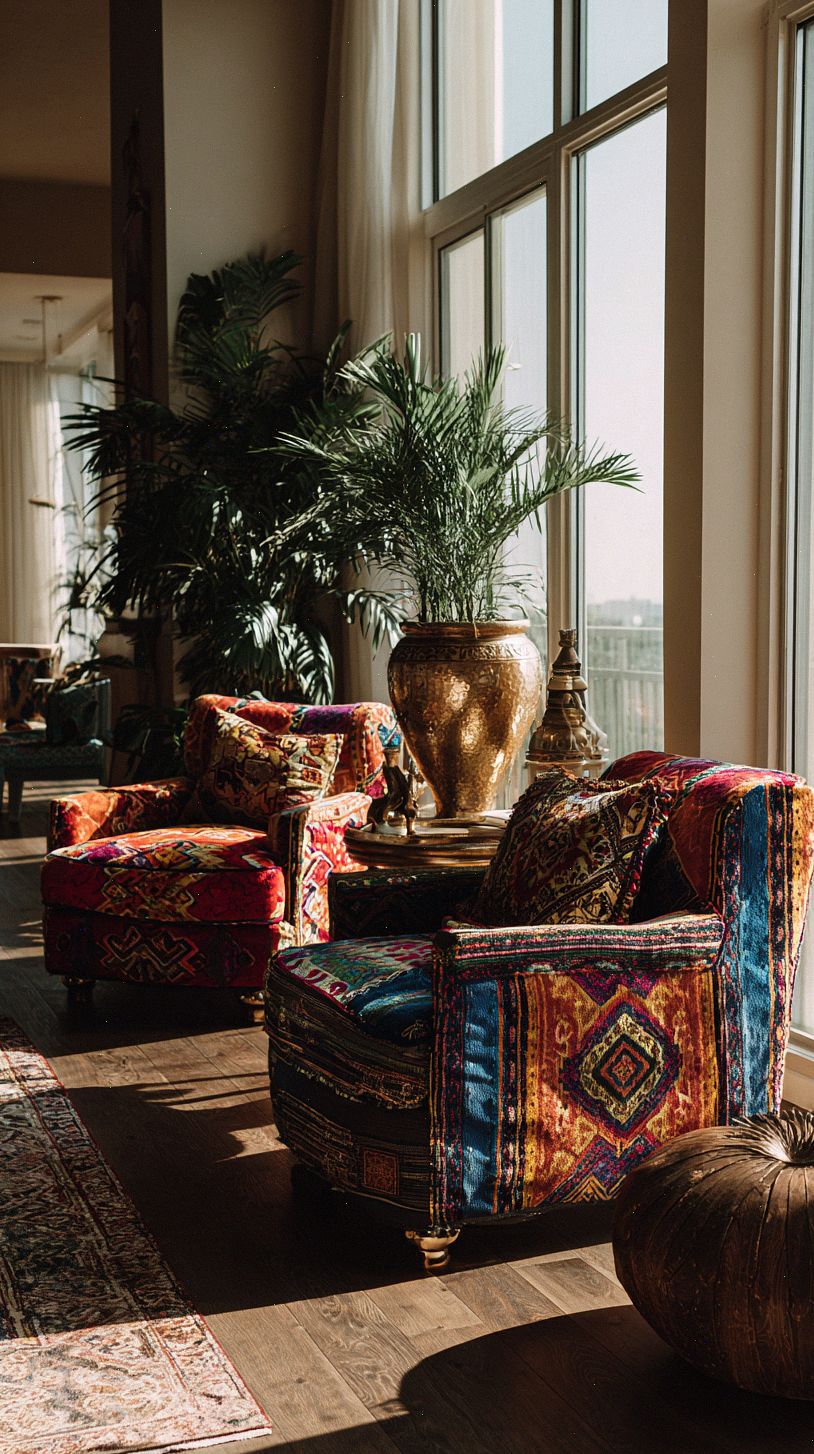
Let oversized pieces do heavy lifting by giving a room an unmistakable focal point, then place other art in unexpected spots to keep things playful. Try a large canvas leaning on the floor, a small framed print above the kitchen sink, or a cluster along a stairwell; positioning art at different heights and in unconventional rooms makes your collection feel collected rather than staged.
Styling with Collections, Souvenirs, and Sentimental Objects

Treat your collections like a conversation, not a filing cabinet. Group similar items by color, material, or theme to create instant cohesion, vary heights and scales so your eye moves around, and leave pockets of empty space so each piece gets to breathe.
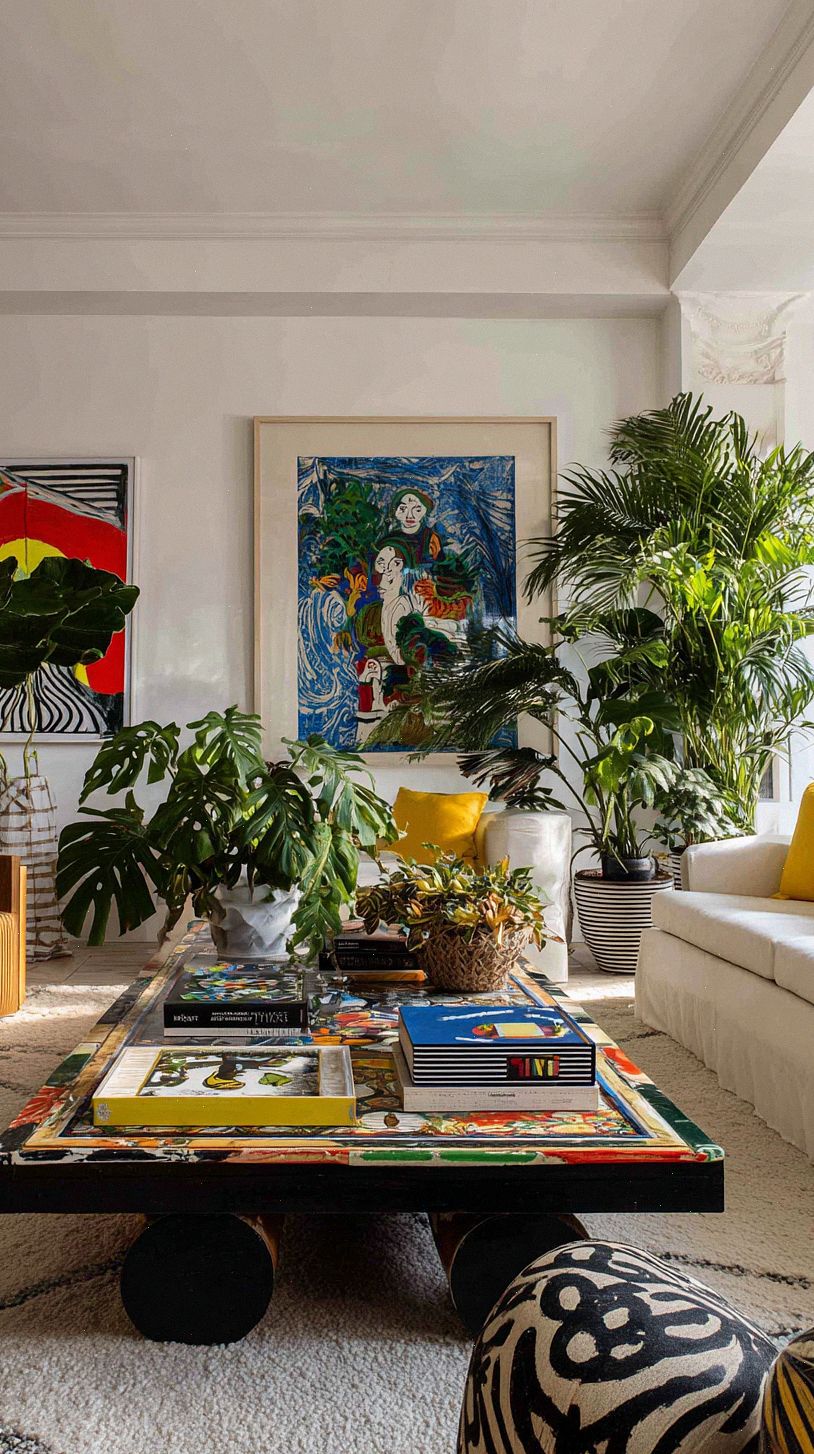
Let souvenirs and sentimental objects be the storytelling anchors in a room. Mix them with more decorative pieces to elevate their look, place them on trays or in glass cabinets to give them intentionality, and rotate what’s on display so your home always feels fresh and personal.
Lighting, Mirrors, and Metallic Accents to Add Drama
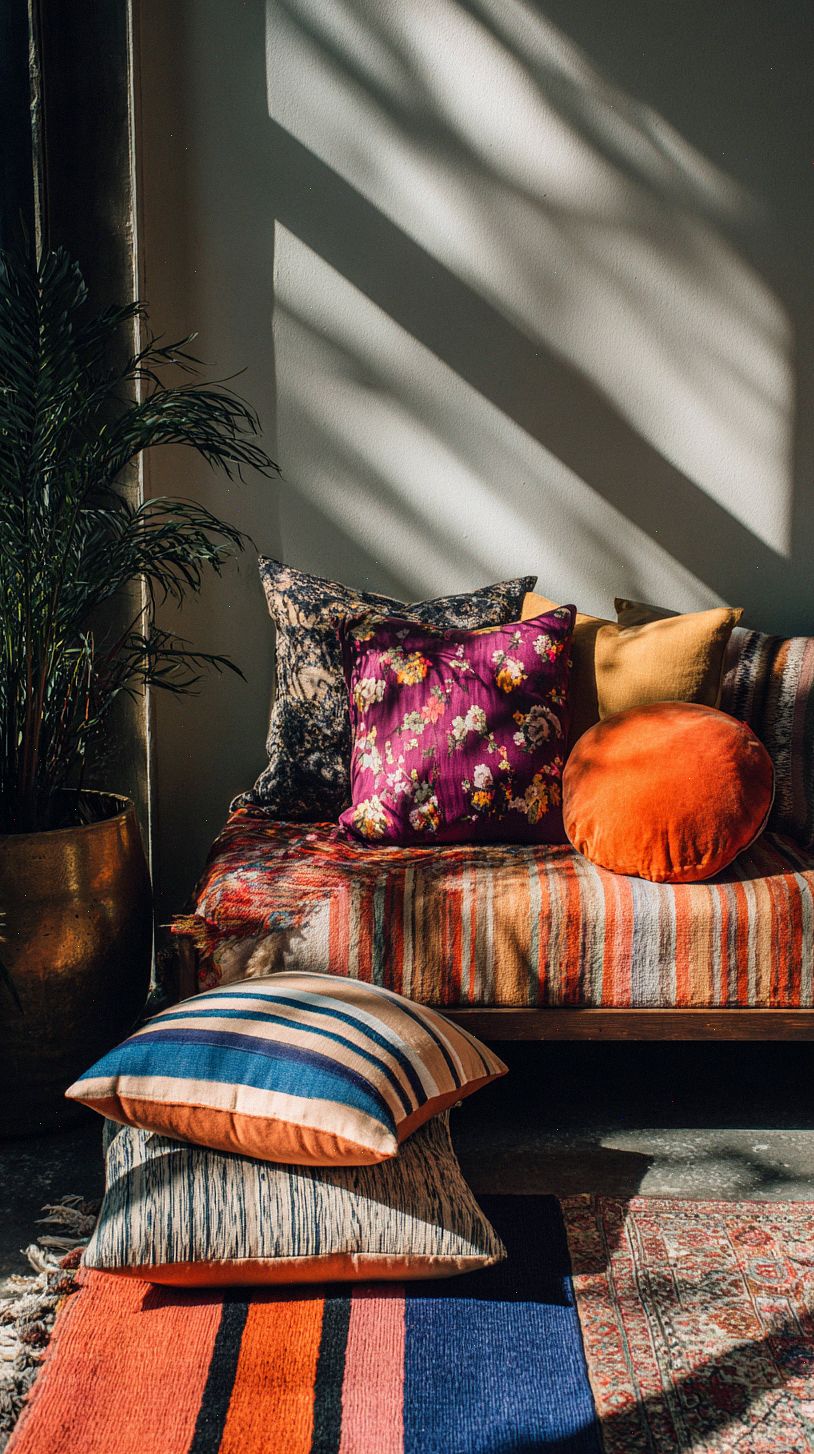
Think of lighting as your jewelry. Layer a statement chandelier with wall sconces and table lamps so you can dial the drama up or down, and add dimmers to control mood. Use sculptural fixtures and directional spots to spotlight artwork, shelves, and collectibles, and choose bulbs with warm tones to make colors pop and textures glow.
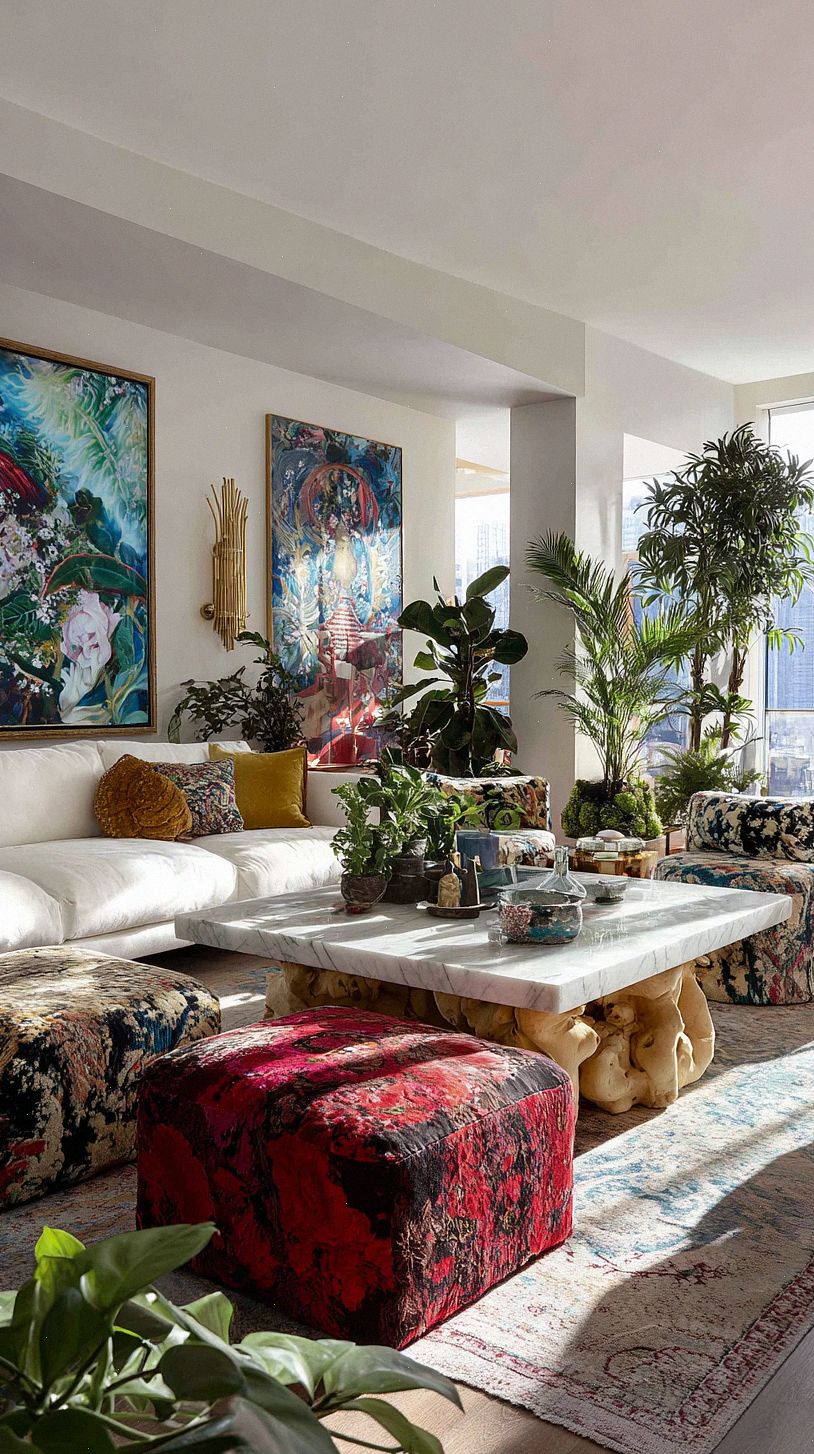
Place mirrors to multiply light and view, not just to check your outfit, and try grouping different shapes for an intentional collected look. Introduce metallic accents in small doses, like a brass lamp base, gold picture frames, or chrome side table legs, and mix finishes so the shine feels curated rather than matchy. Balance glossy metals with matte surfaces and soft textiles to keep the room rich without feeling fussy.
Creating Functional Zones and Visual Flow in Busy Rooms
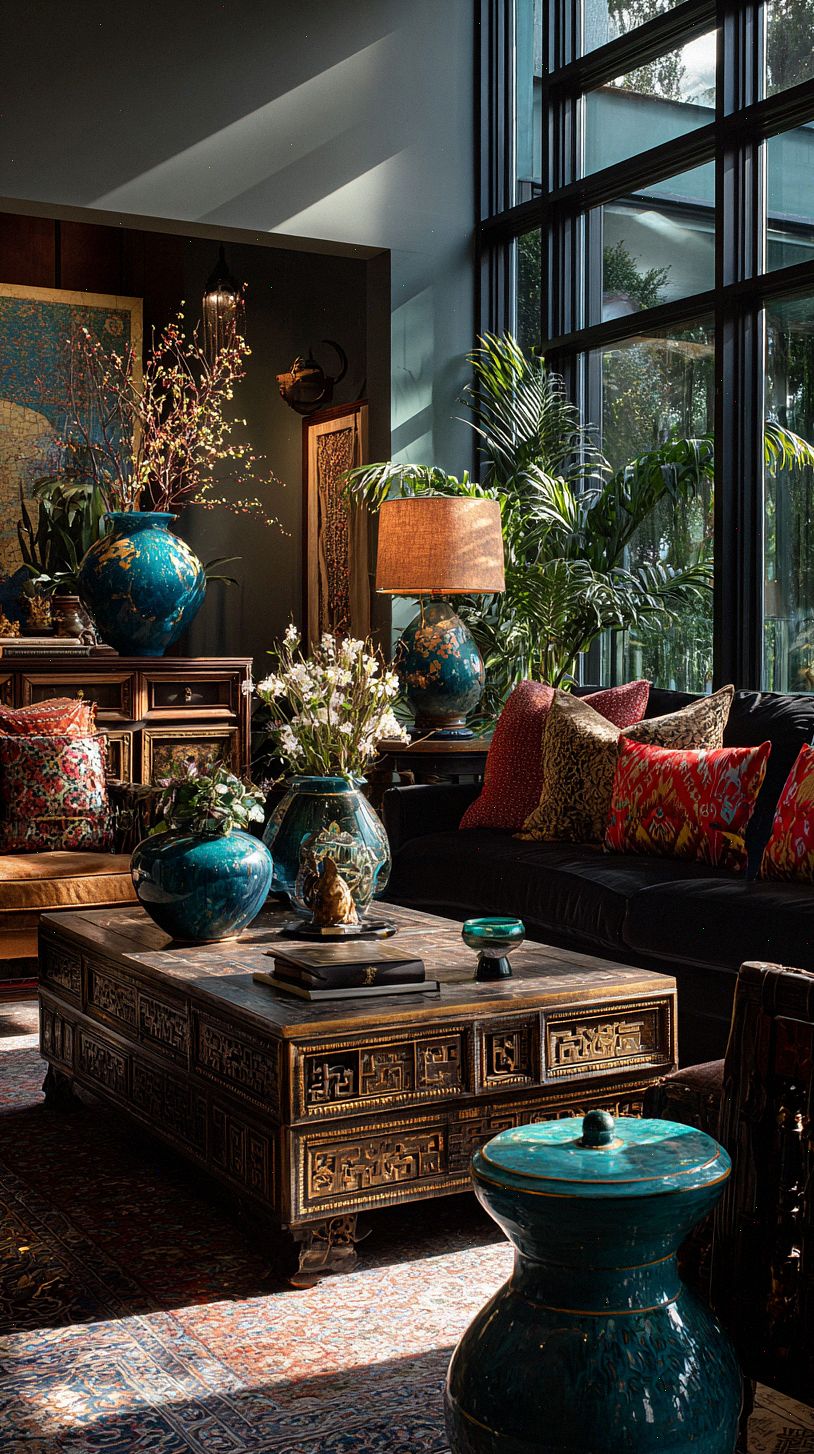
In a busy room you can make multiple functions feel intentional by treating each area like a tiny stage. Anchor seating with a rug and a statement sofa, create a reading nook with a lamp and a small side table, and use open shelving or a console to separate a dining or work zone without blocking sightlines. Keep clear pathways so movement feels natural, and choose furniture scale that lets each zone breathe while still feeling connected.

For visual flow, repeat colors, textures, or a pattern to lead the eye from one zone to the next, and layer vertically with artwork, tall plants, and stacked books to create rhythm. Balance a few bold vignettes with calmer spots by using neutral backdrops or hidden storage so the room reads as curated, not chaotic.
Editing for Cohesion: Rules to Keep Maximalism Intentional
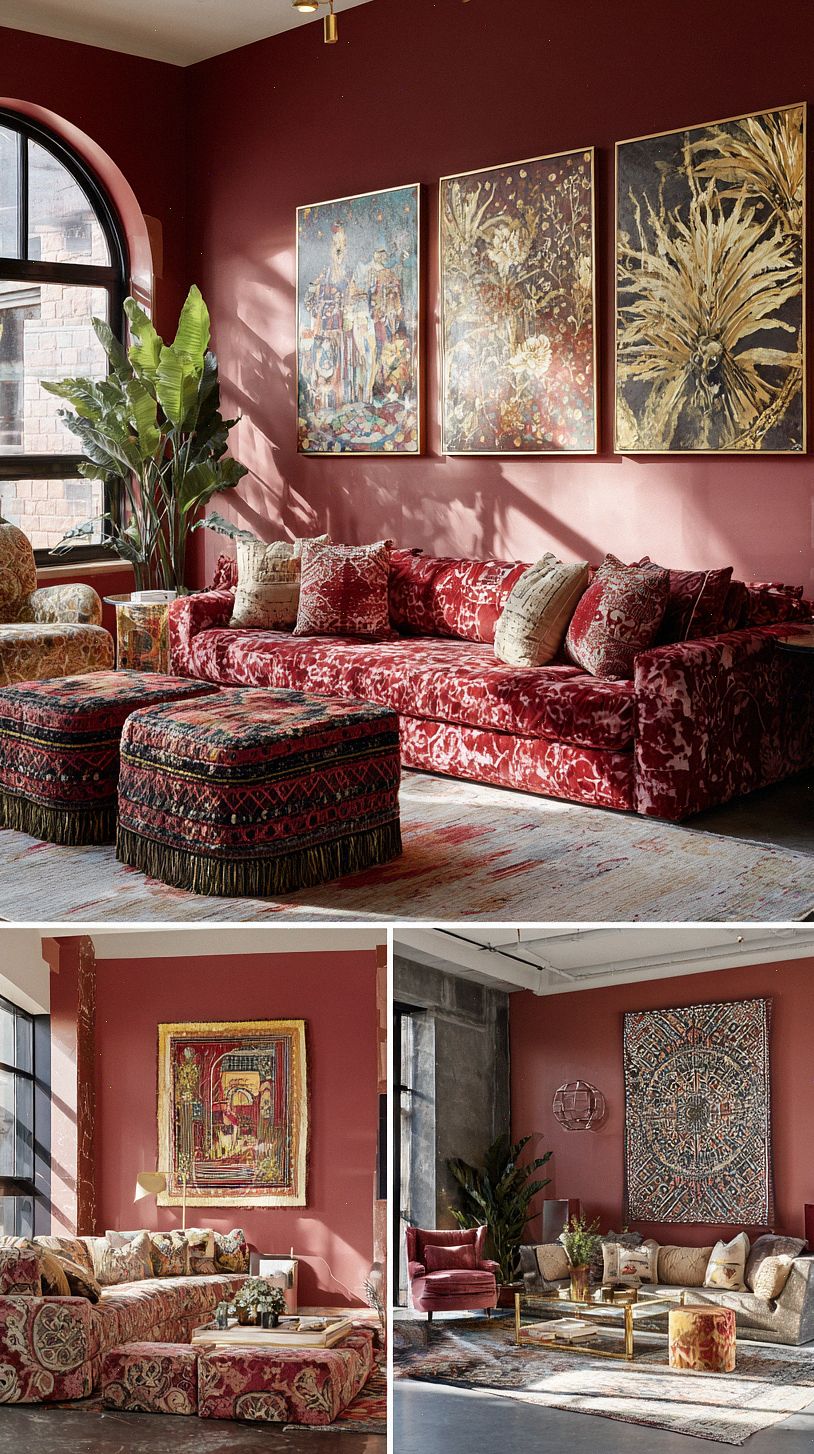
Editing for cohesion means giving yourself a few clear rules so your maximalism reads intentional, not accidental. Pick a limited color story or two recurring motifs, anchor each room with one statement piece, and repeat shapes or finishes across surfaces. When you control scale and rhythm — large art balanced by smaller, clustered objects — the look feels edited even with plenty going on.
Make editing a habit: step back, photograph the room, and remove anything that doesn’t play by your rules until the space breathes. Corral collections on trays, in baskets, or on a single shelf to create mini-curated scenes, and rotate objects seasonally so each vignette stays fresh without becoming cluttered.