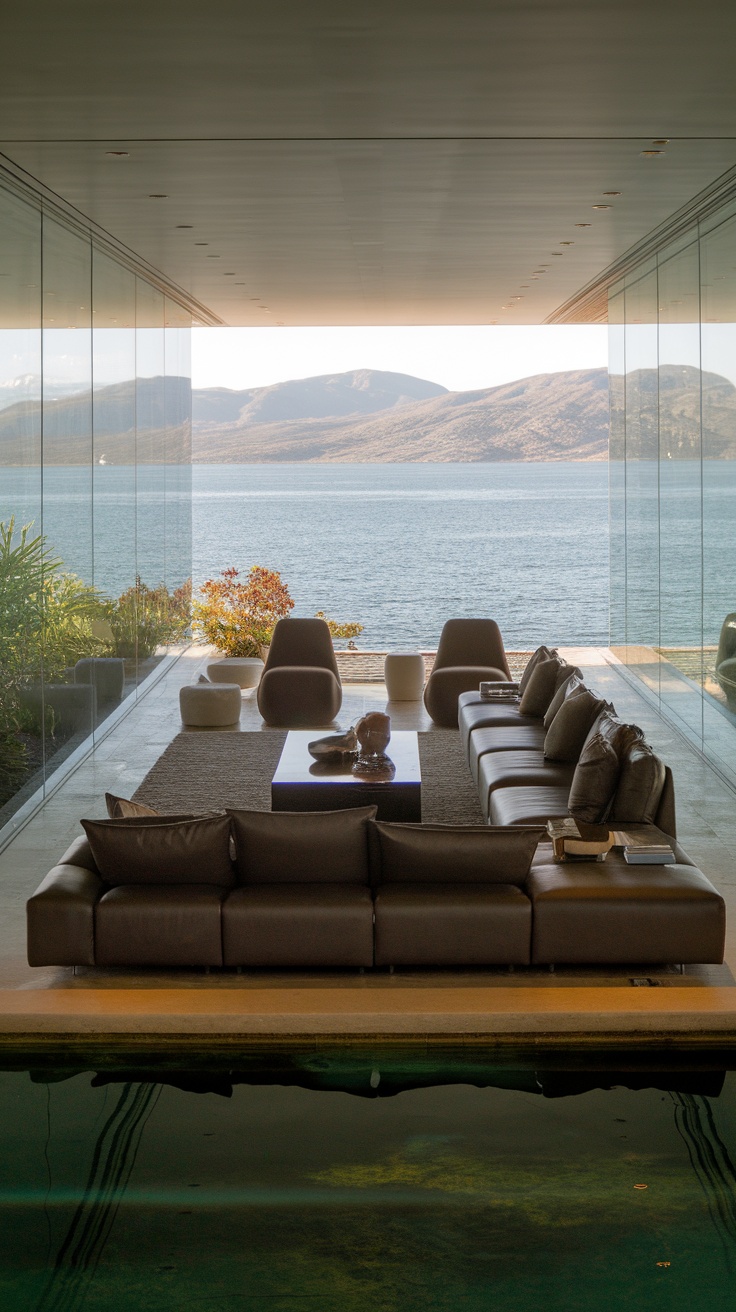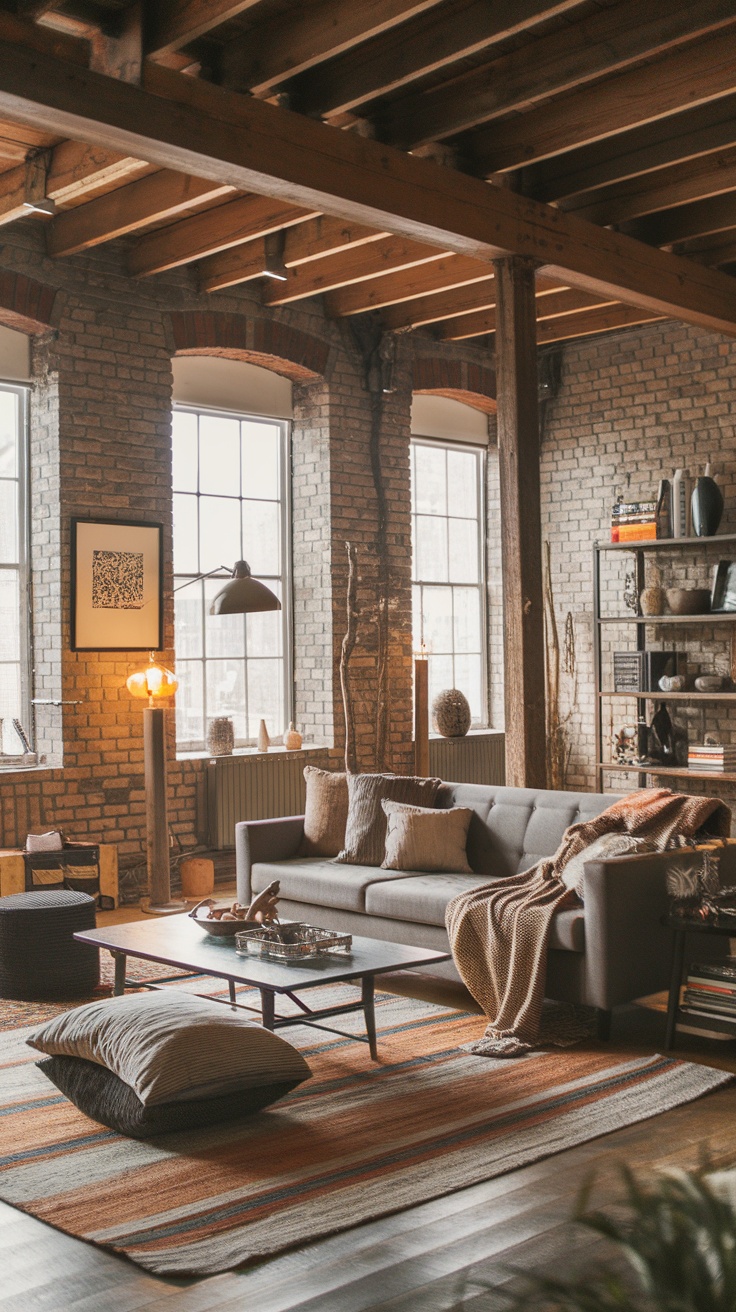
How to Create a Warm Cosy Living Room That Feels Instantly Inviting
We all want a living room that feels like a welcome hug the moment we step through the door: warm light pooling on soft rugs, a mix of textures that begs us to sink in, and little personal touches that make the space unmistakably ours. Creating that kind of instant cosiness isn’t about splurging on the latest trends; it’s about layering the right colours, materials and lighting so the room works with our daily rhythms and quiet moments alike.
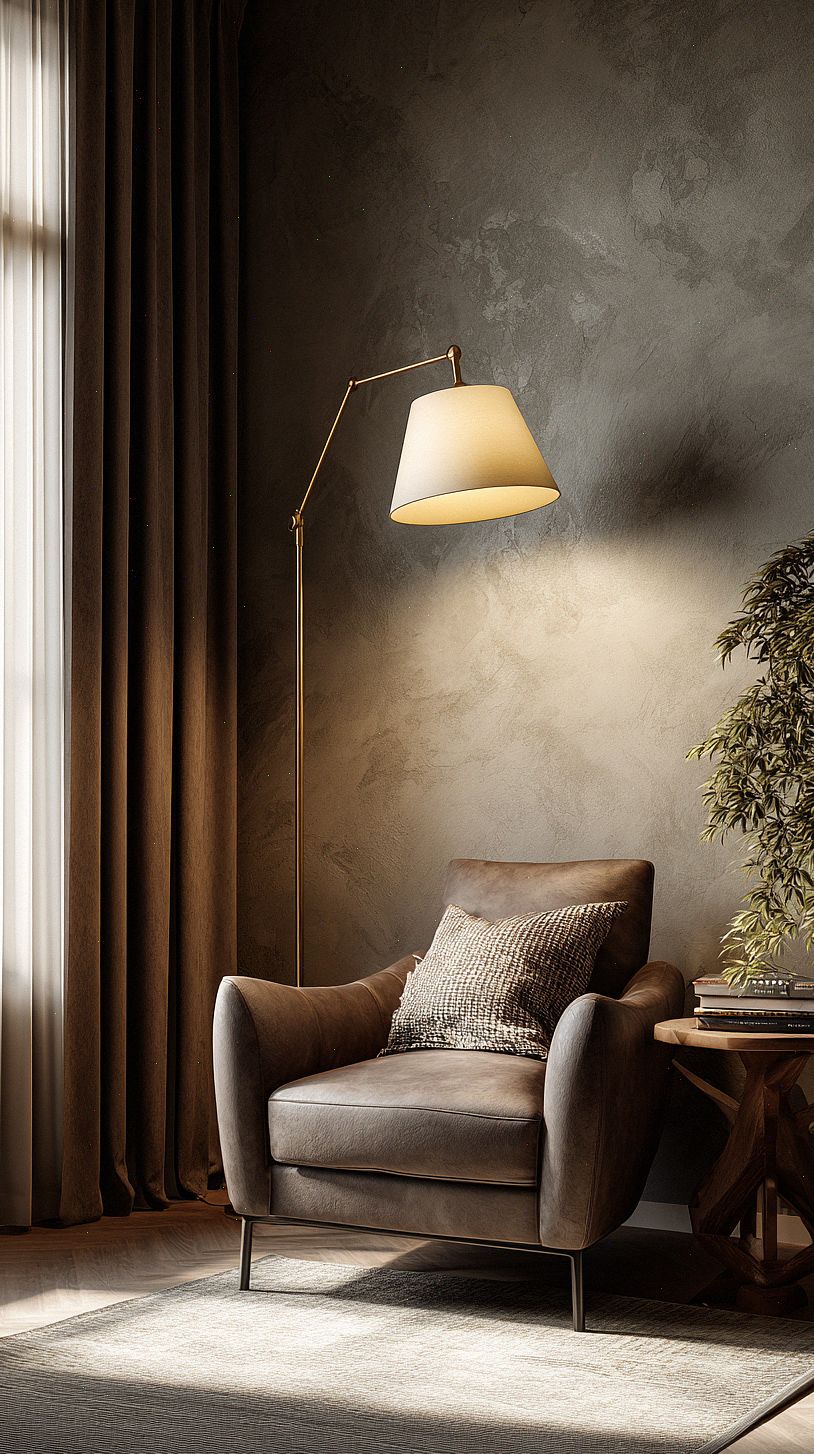
Over the next few sections we’ll break that feeling down into simple, doable steps — from choosing a soothing colour palette and mixing rugs, throws and cushions, to arranging furniture for comfort, dialing in ambient and accent lighting, and adding natural wood tones and tactile accessories. We’ll also cover how scent, sound and small practical moves like smart storage and decluttering keep the space feeling calm and inviting, so our living room becomes the place we actually want to linger.
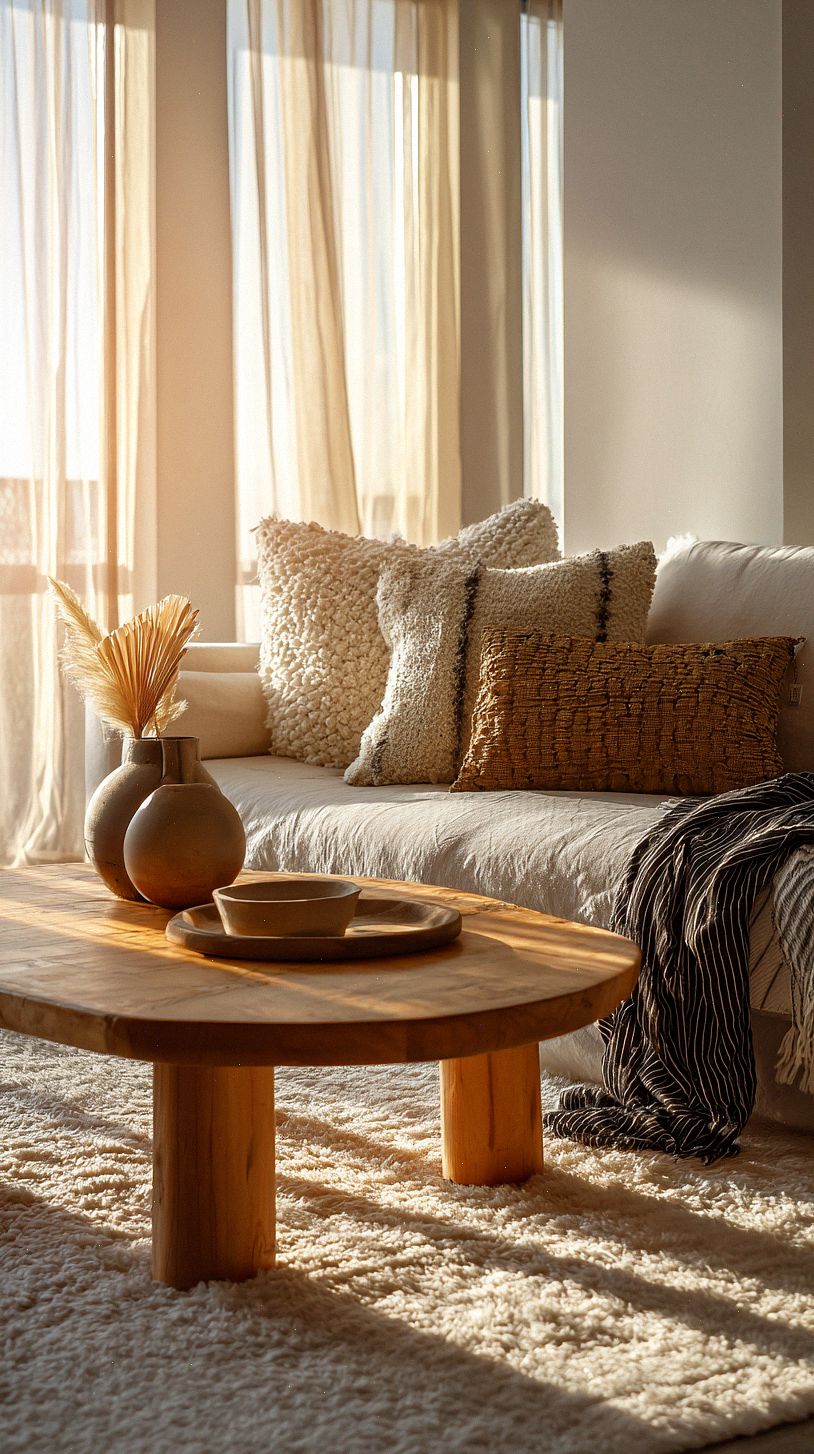
The Feel: What Makes a Living Room Instantly Inviting
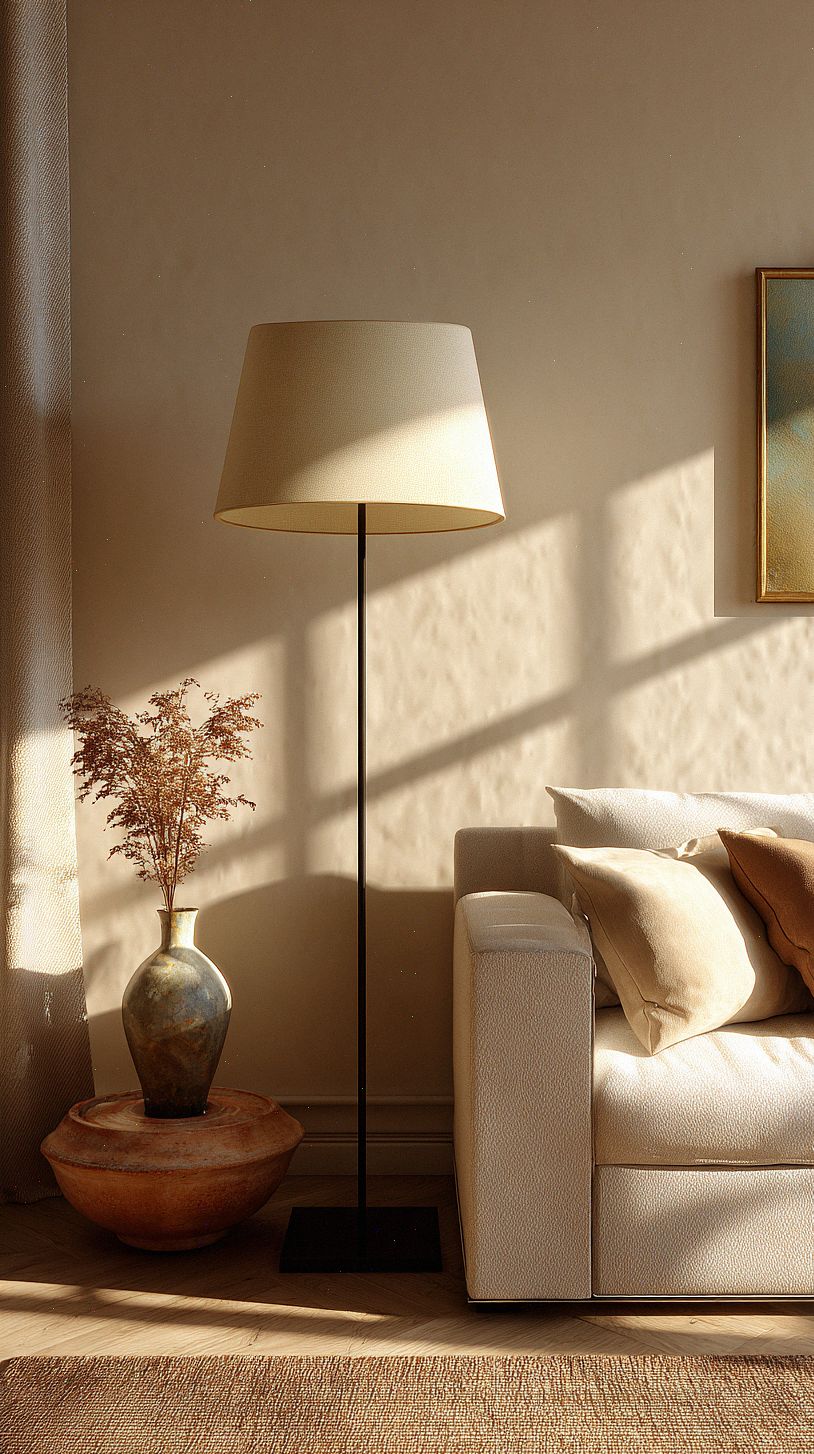
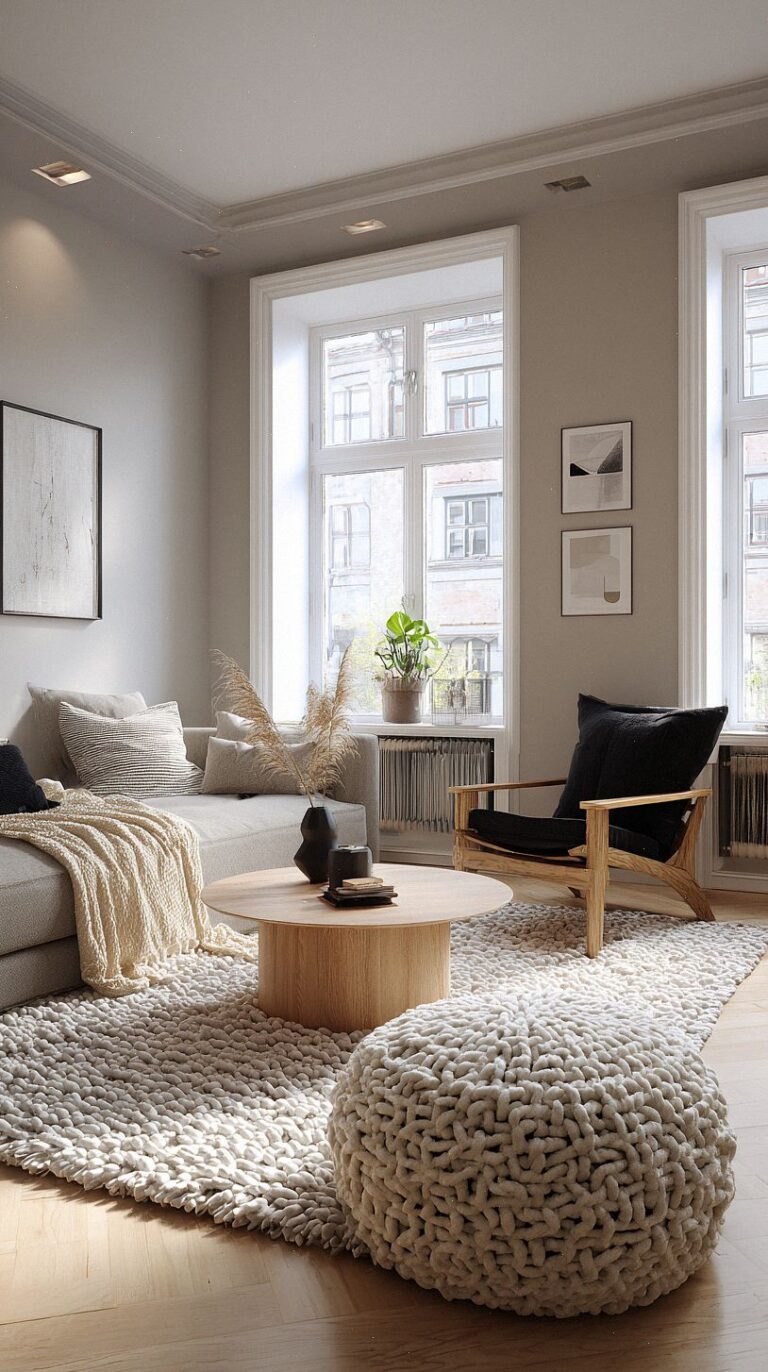
You know a cosy, inviting living room when you walk into one: light is low and layered, textures beg to be touched, and the sofa looks like an open invitation. Use warm, layered lighting, mix soft textures like a wool rug and velvet cushions, and keep throw blankets within reach so the room reads as relaxed and ready.
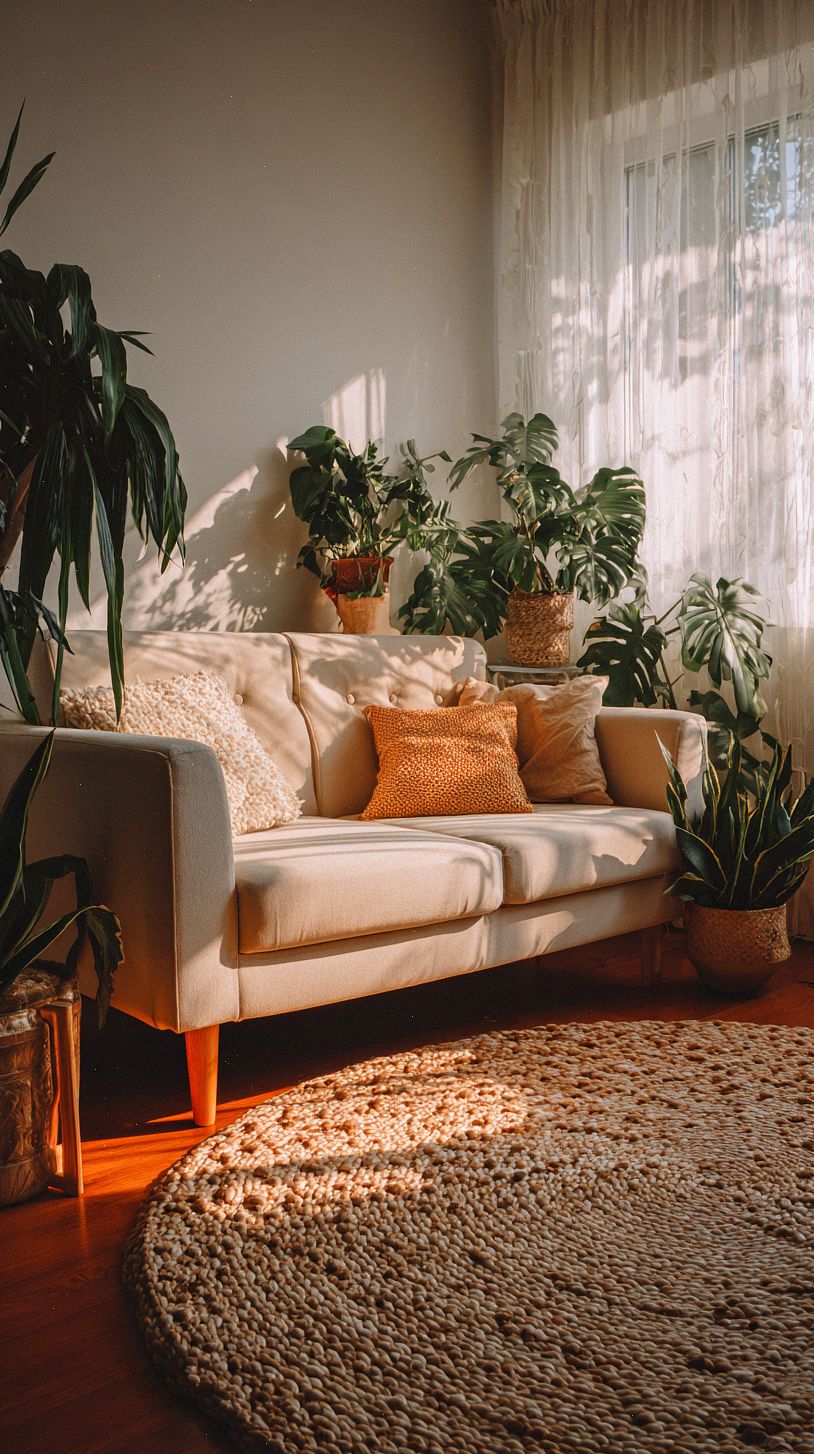
Scale and flow matter: arrange seating so people naturally face each other, anchor the space with a rug, and leave clear paths so the room feels calm not cluttered. Add small personal touches, a flickering candle or a houseplant, and keep surfaces lived-in rather than museum-perfect to make the space instantly approachable.
Choosing a Warm, Soothing Colour Palette

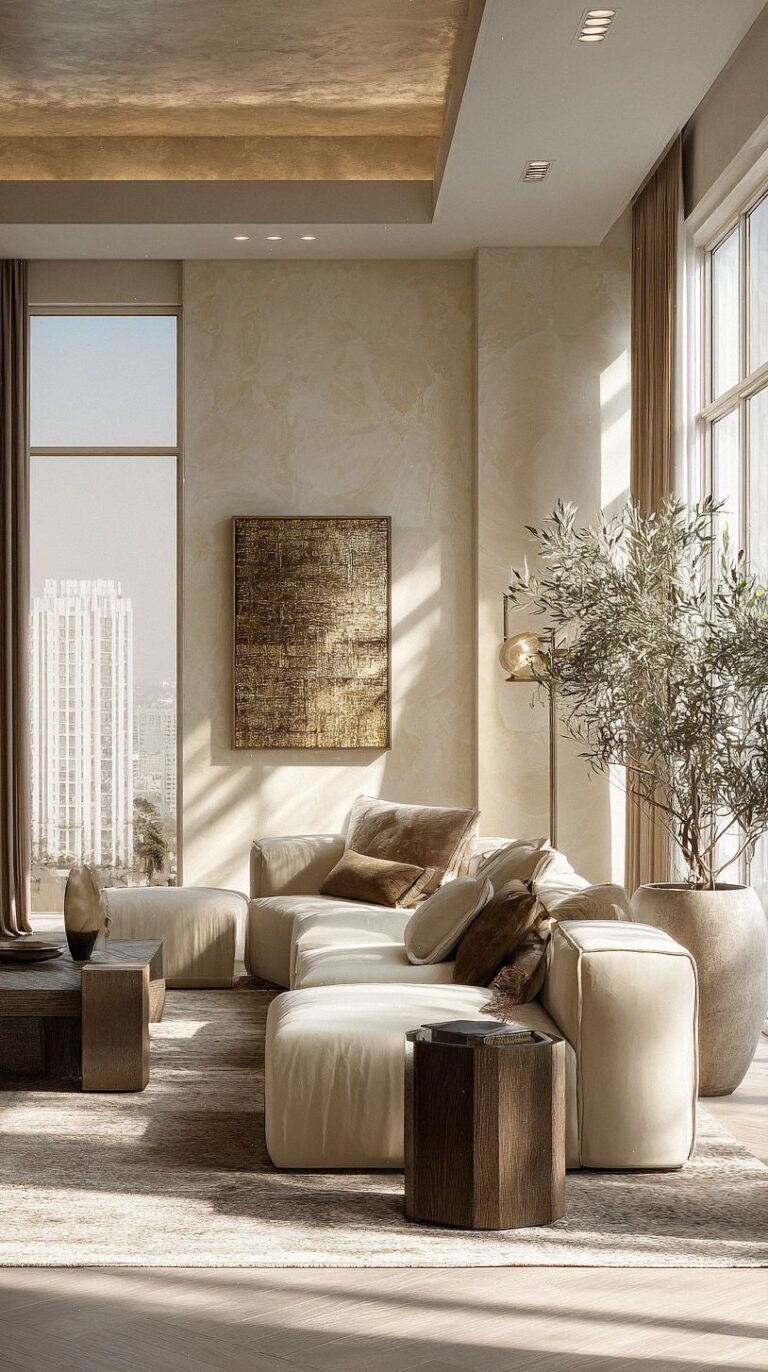
Start with a warm neutral as your base so the room feels calm and adaptable. Think creamy beige, soft taupe, or a warm gray, then introduce deeper, soothed hues like terracotta, rust, olive, or mustard as accents. Test paint chips and fabric swatches at different times of day so you can see how light changes the undertones, and use lighter shades on walls to keep the space open while reserving richer tones for a feature wall or reading nook.
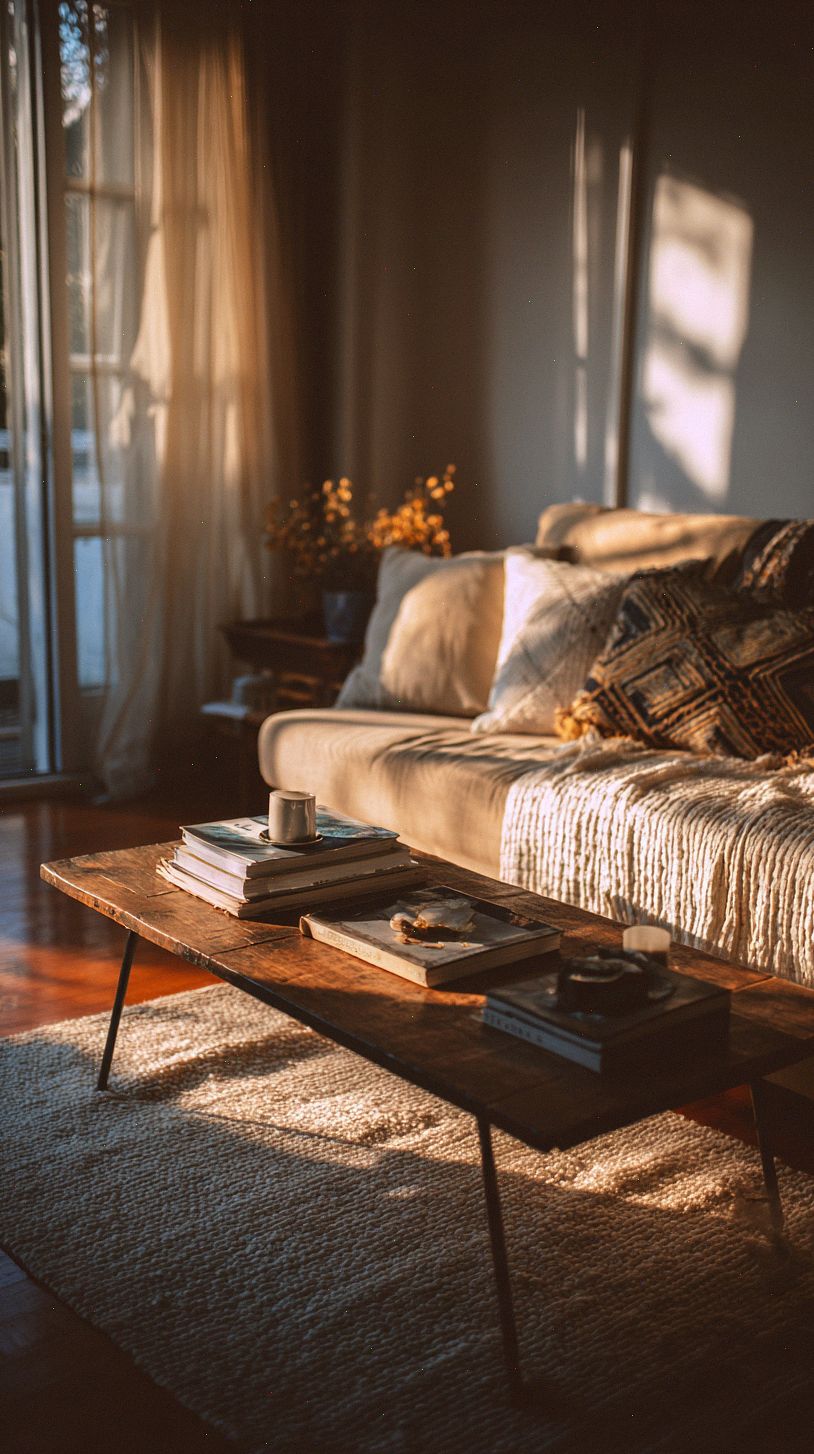
Layer color through textiles and materials to create depth without overwhelm: a velvet cushion, a wool throw, natural wood furniture and a brass lamp all carry color in different ways. Repeat one or two accent tones across cushions, art and accessories to tie the room together, and pick warm white bulbs so your palette reads cozy and inviting even when the sun goes down.
Layering Textures: Rugs, Throws and Soft Furnishings
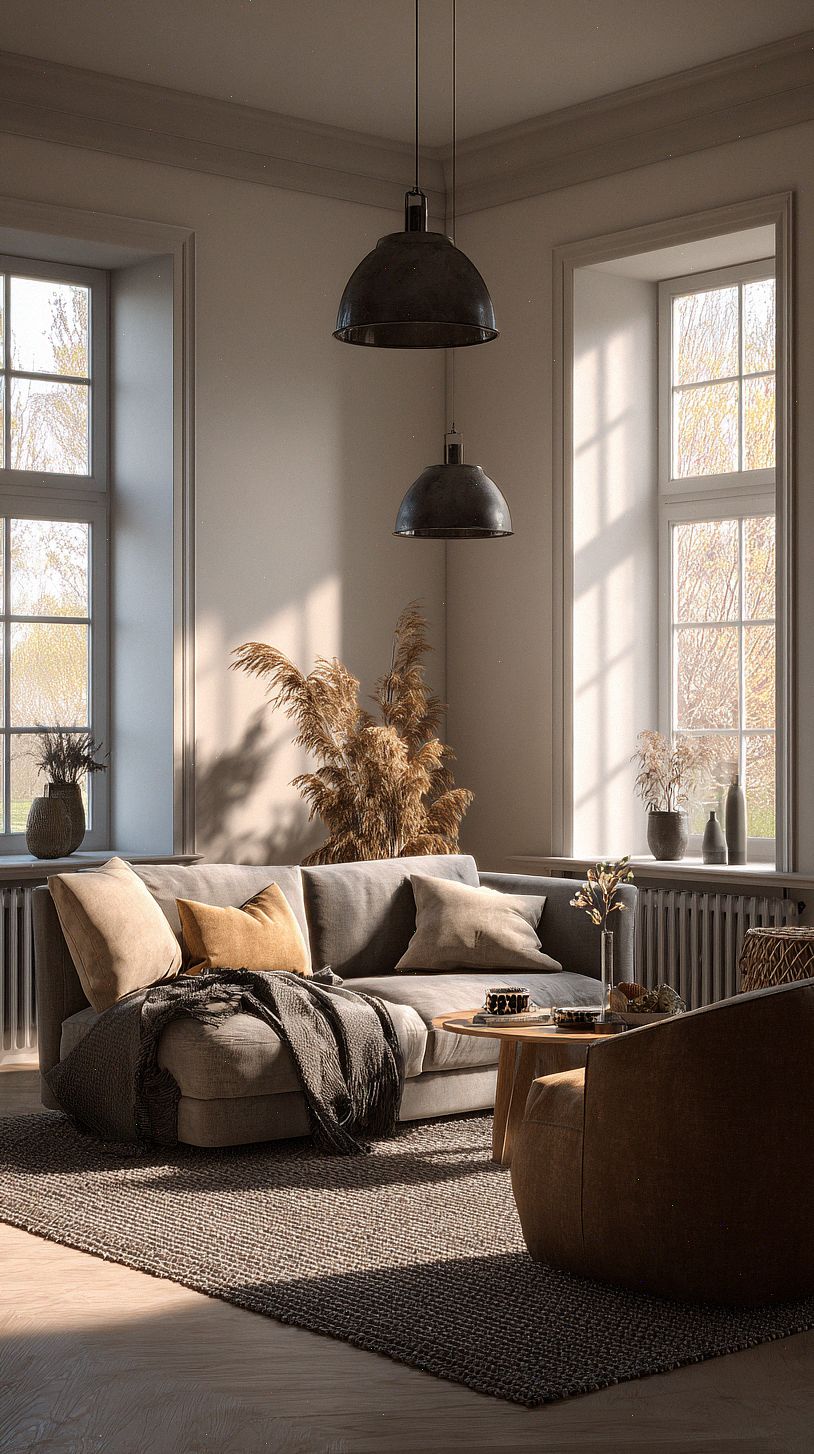
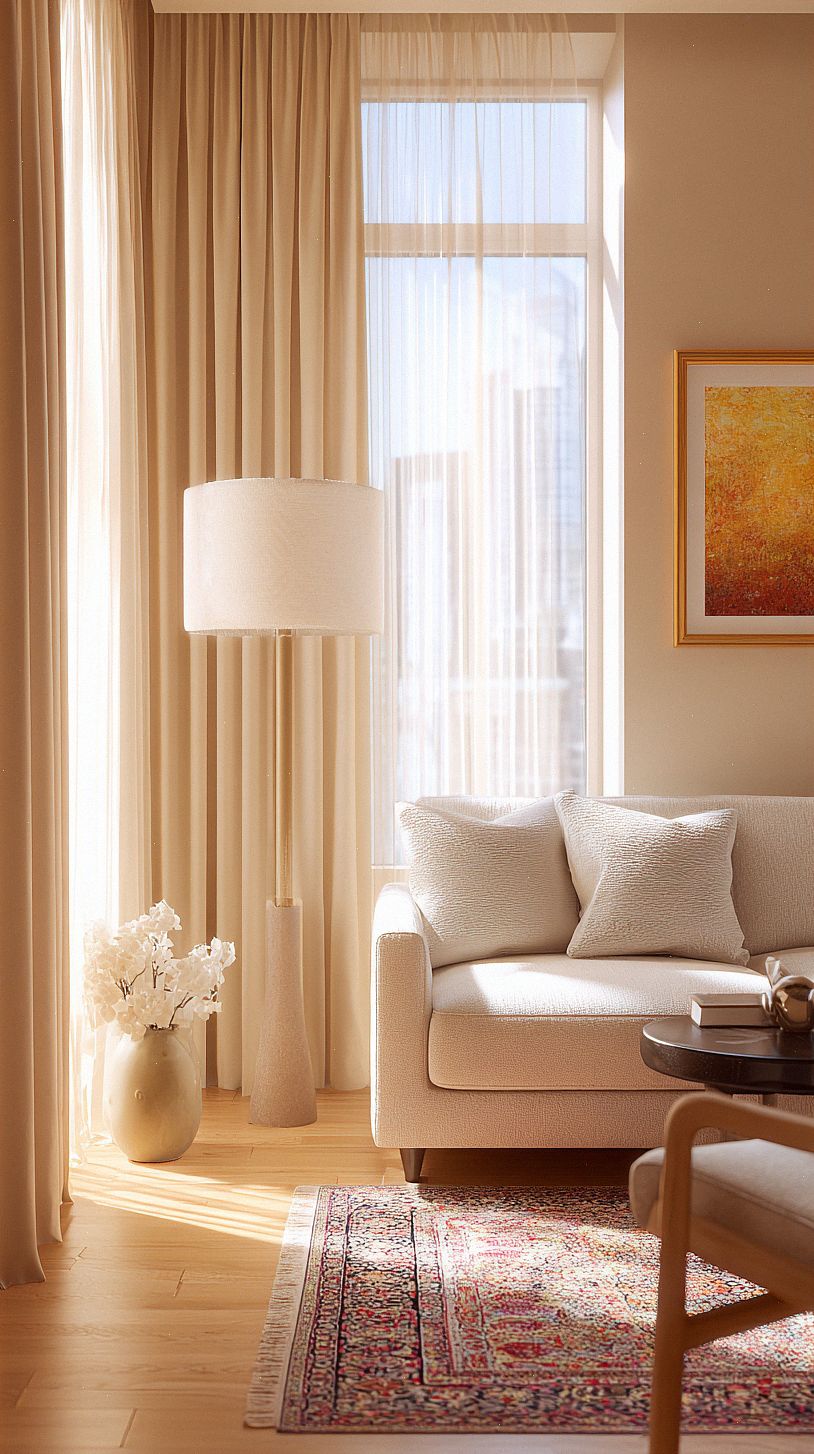
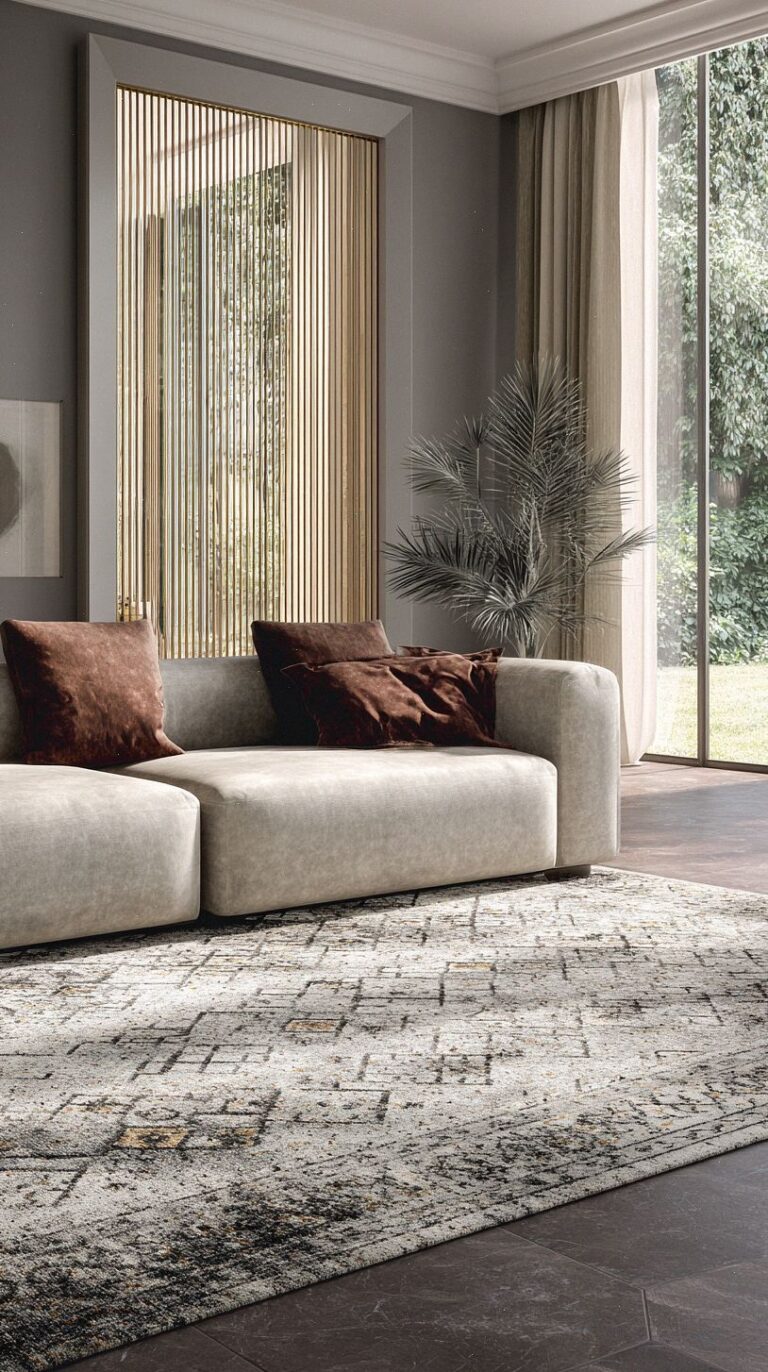
Start with a rug that feels good underfoot and anchors your seating area. Choose one with enough pile to add warmth, or layer a smaller patterned rug over a larger neutral to create depth and visual interest while defining zones in the room.
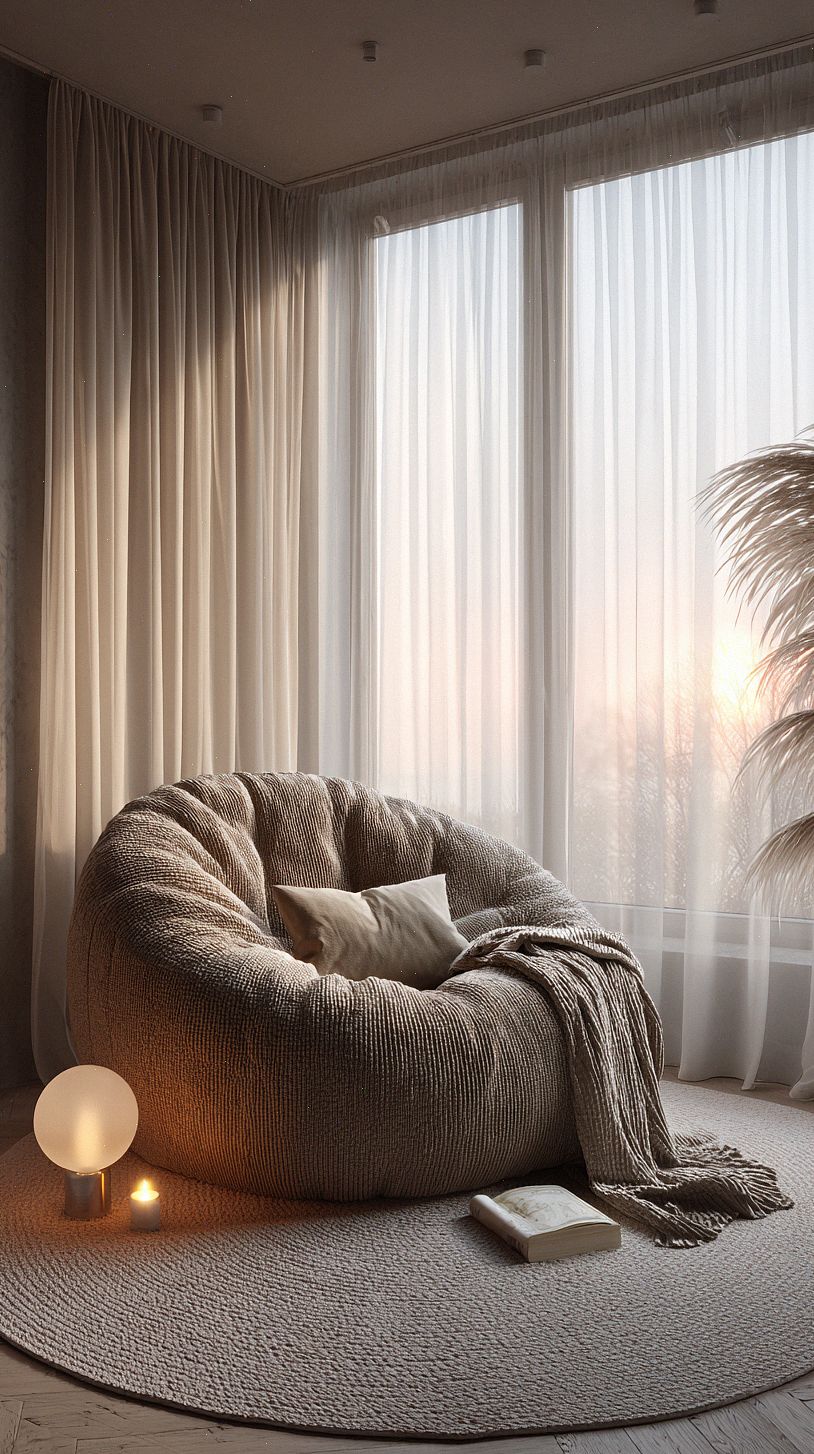
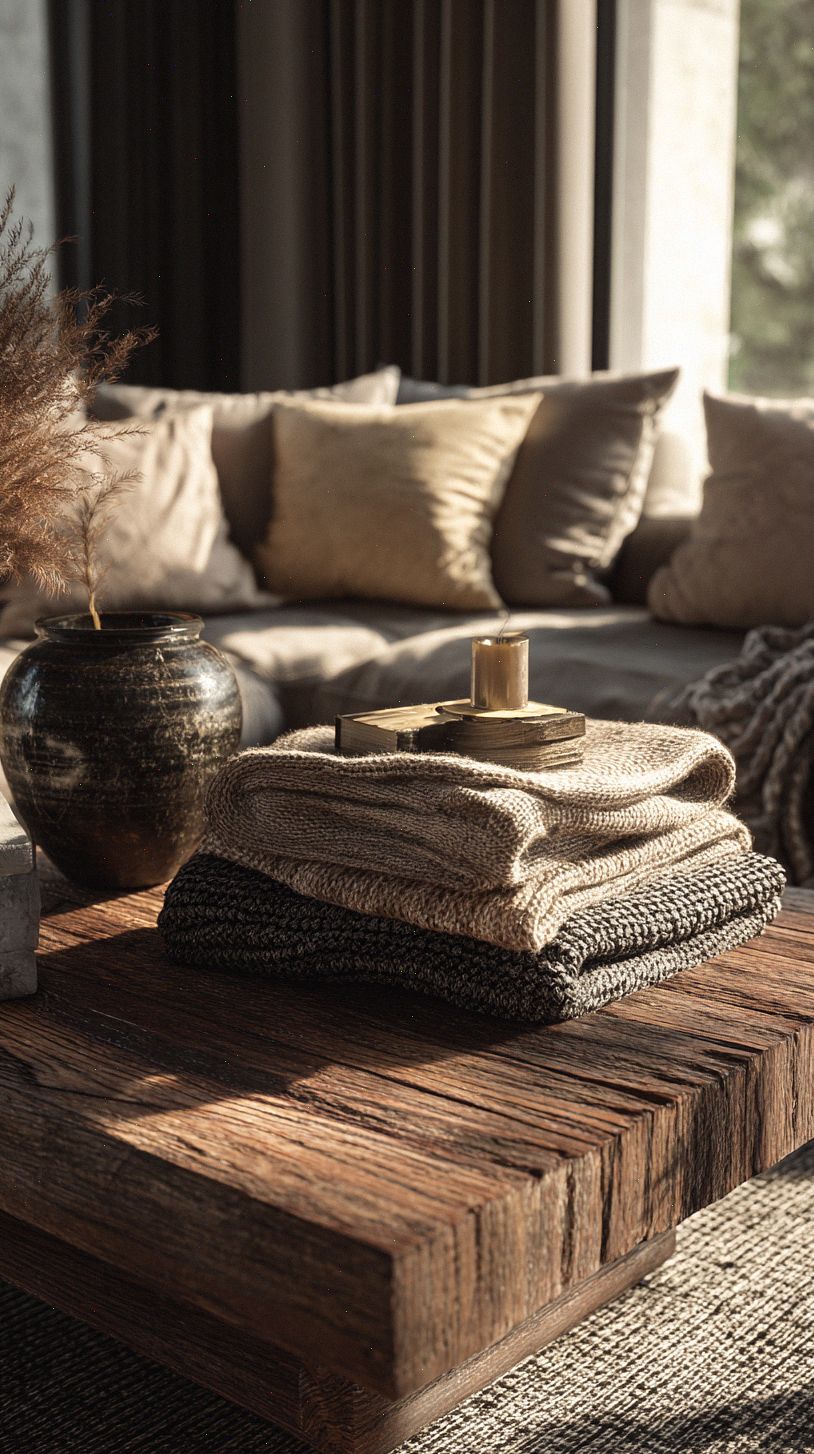
Drape chunky knit throws over your sofa, fold a soft blanket on an armchair and mix cushions in velvet, linen and faux fur for contrast. Keep colors and patterns tied to a simple palette so the textures sing together, and pick a couple of washable pieces for easy refreshes when seasons or moods change.
Comfort-First Furniture Arrangement
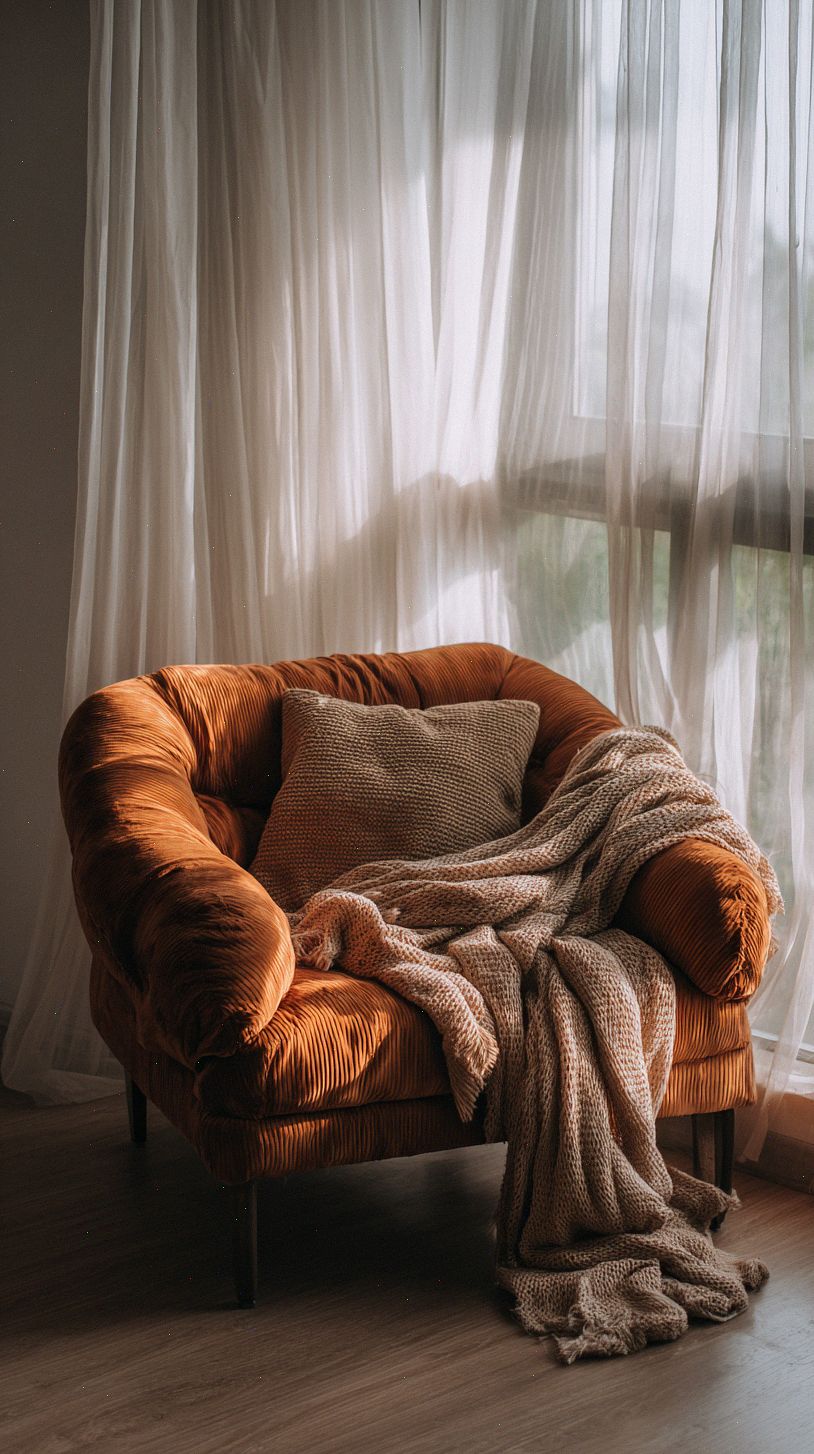
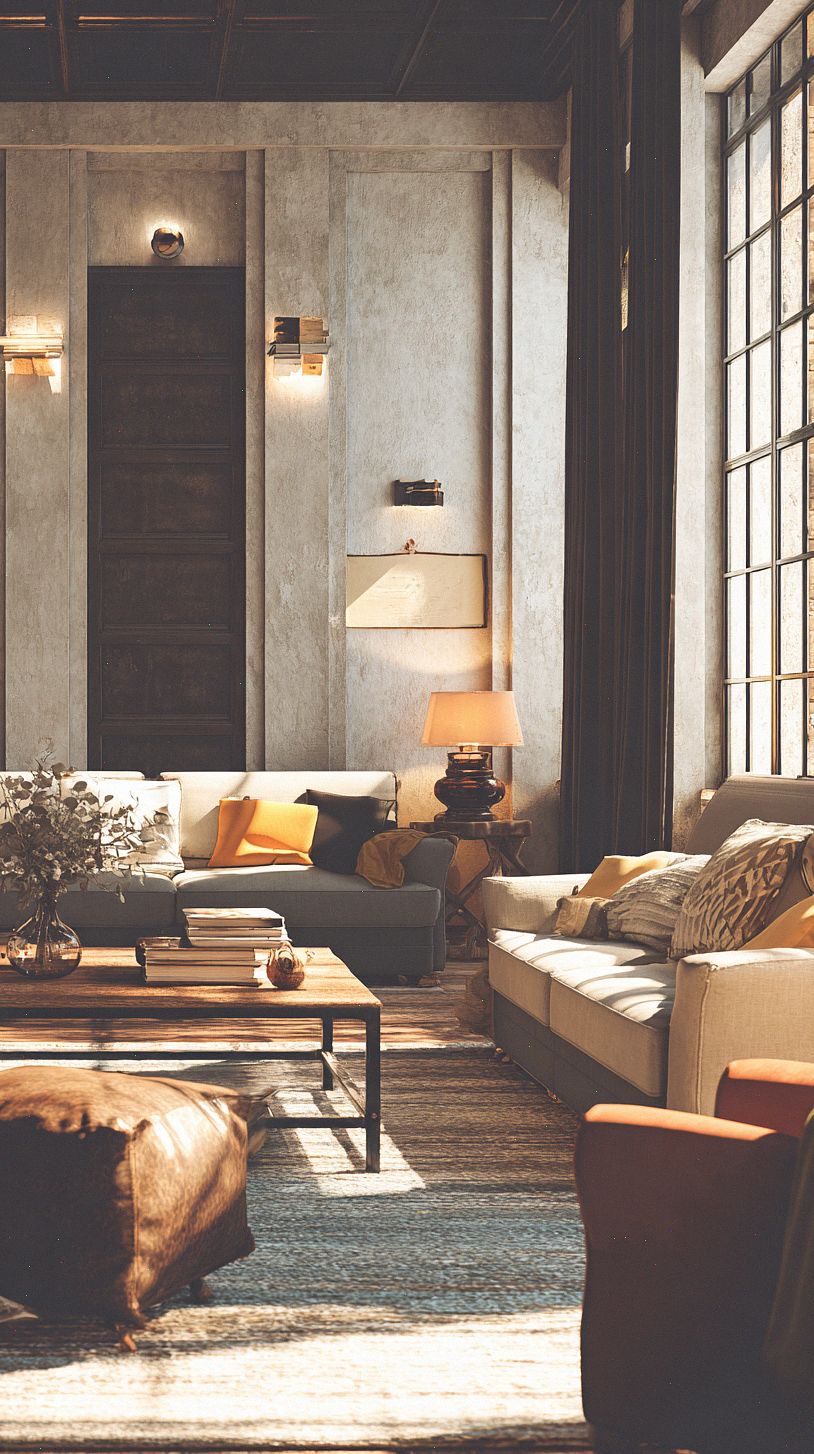
Start by arranging seating so it feels like a conversation, not a showroom. Pull your sofa and chairs inward toward a focal point like a fireplace or a coffee table, angle pieces slightly toward each other, and use a rug to anchor the group while leaving clear pathways for traffic.
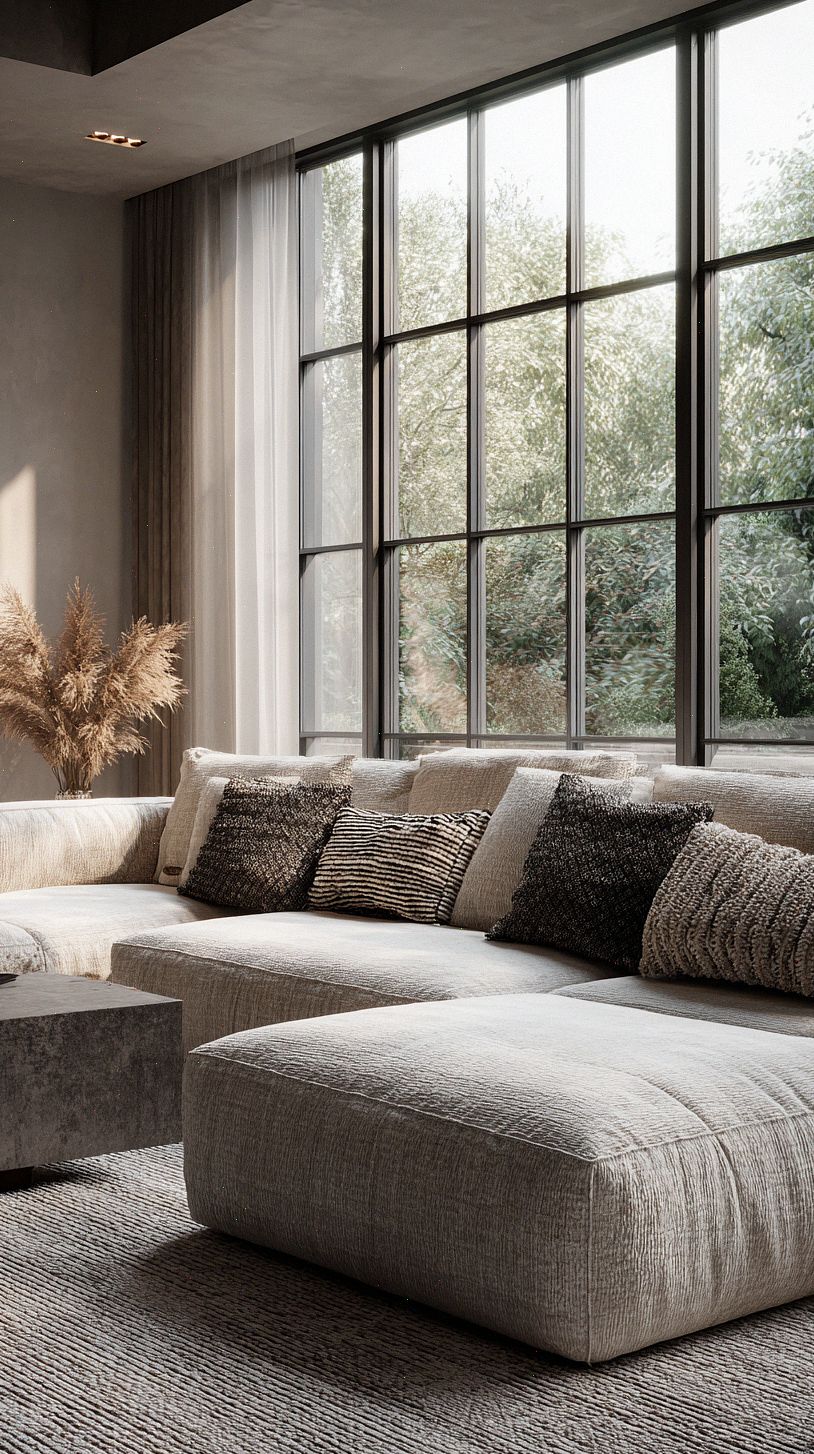
Make comfort the priority by keeping surfaces reachable, scattering plush cushions and throws, and mixing seat heights so everyone feels welcome. Avoid pushing everything against the walls; a little gap gives the room room to breathe and lets natural light and lamps create cozy pockets for reading or chatting.
Lighting for Mood: Ambient, Task and Accent
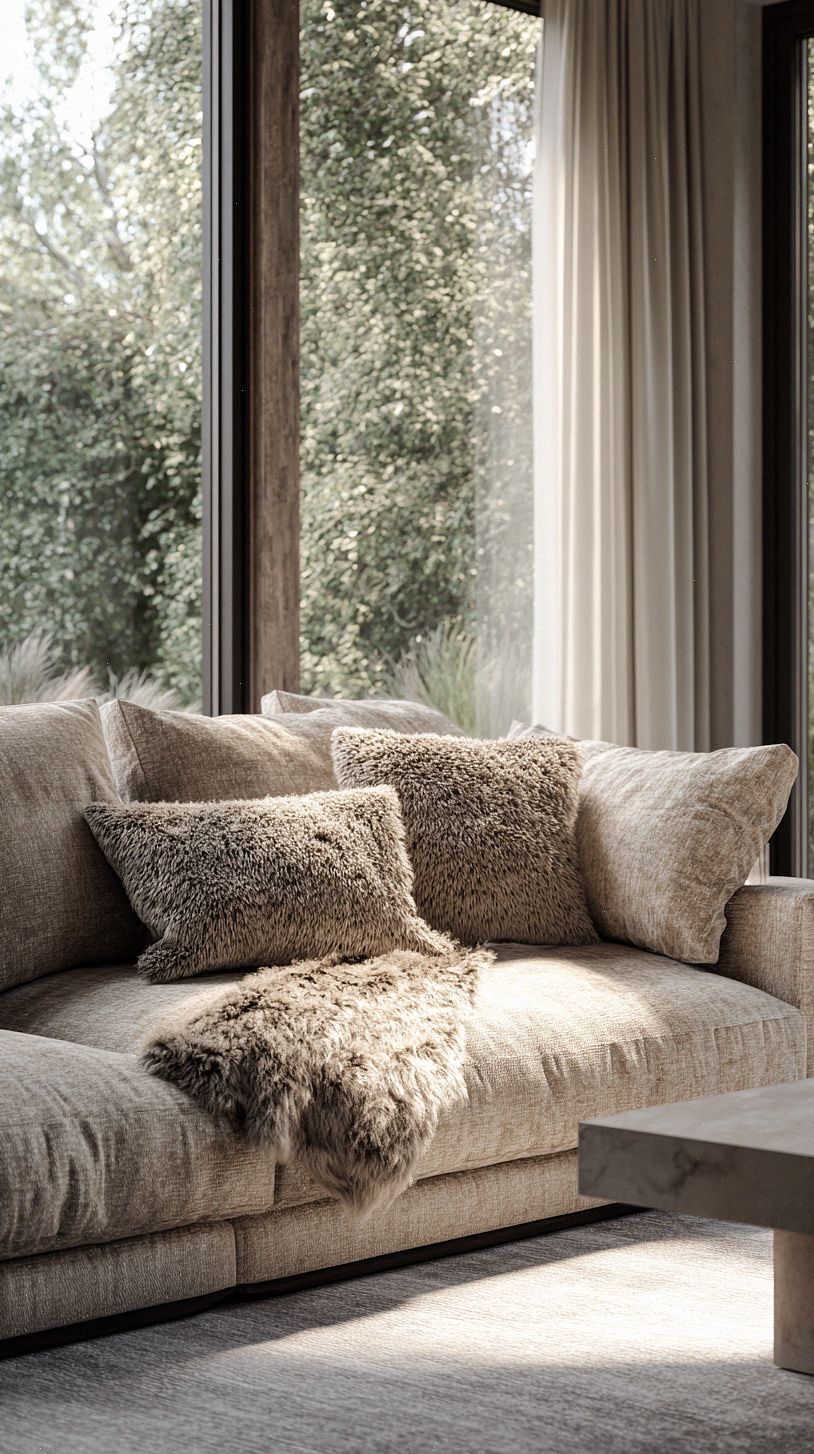
Think of lighting as layers you build. Start with warm ambient light to fill the room and set a gentle tone — a dimmable ceiling fixture or a few well-placed floor lamps with 2700K bulbs will make your space feel instantly cozy without being harsh. Add task lighting where you need it: an adjustable floor lamp next to your sofa or a focused table lamp by your favorite chair gives you bright, comfortable light for reading or working without blasting the whole room.
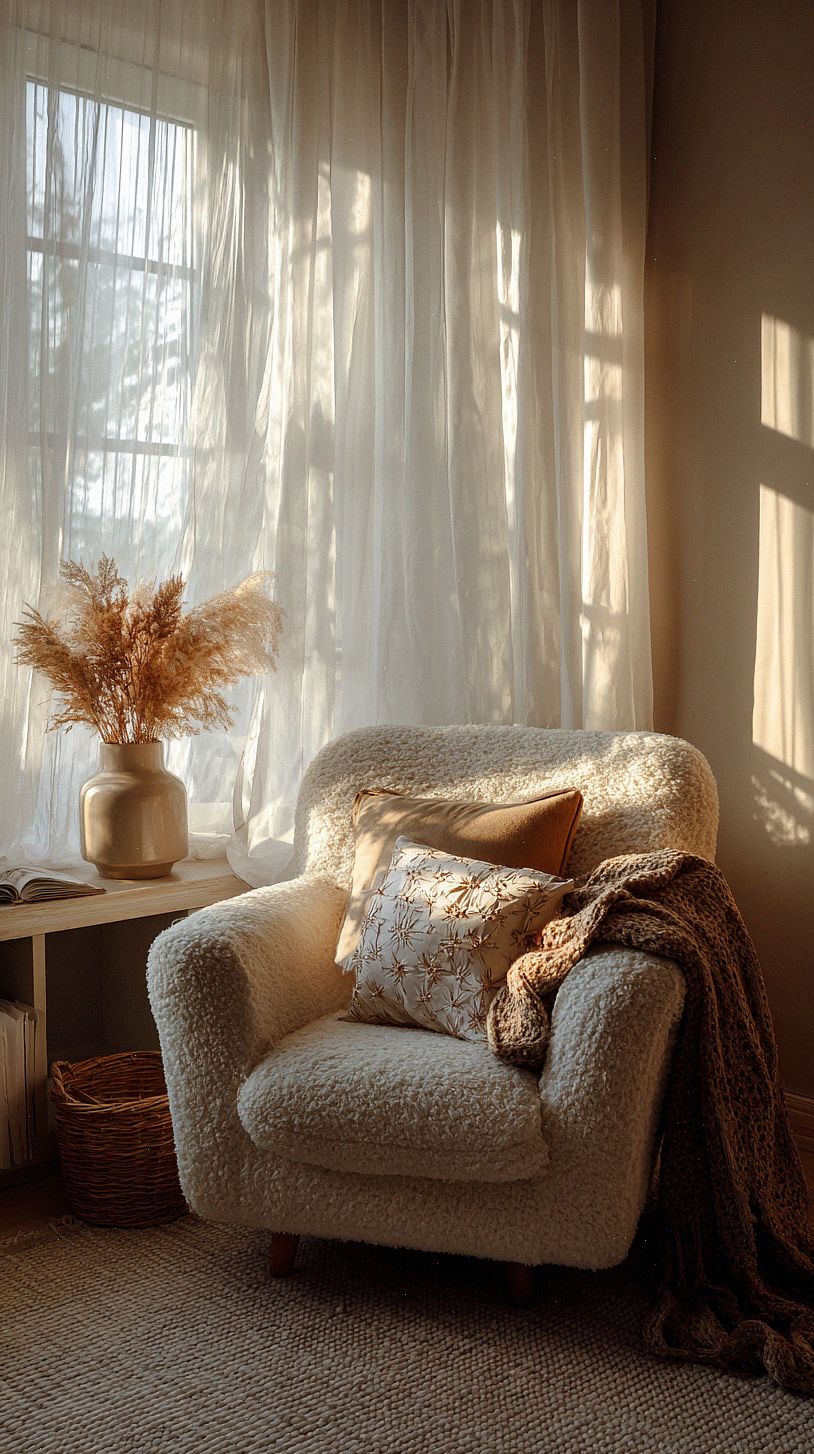
Then use accent lighting to create mood and draw the eye. Small picture lights, low-level wall sconces, LED strips behind shelves, or even a cluster of candles make corners and artwork feel special and lived-in. Layer these elements so you can mix and match to suit the moment — soft ambient for movie night, focused task for a book, and little accents when you want things to feel extra snug.
Natural Materials and Wood Tones for Warmth
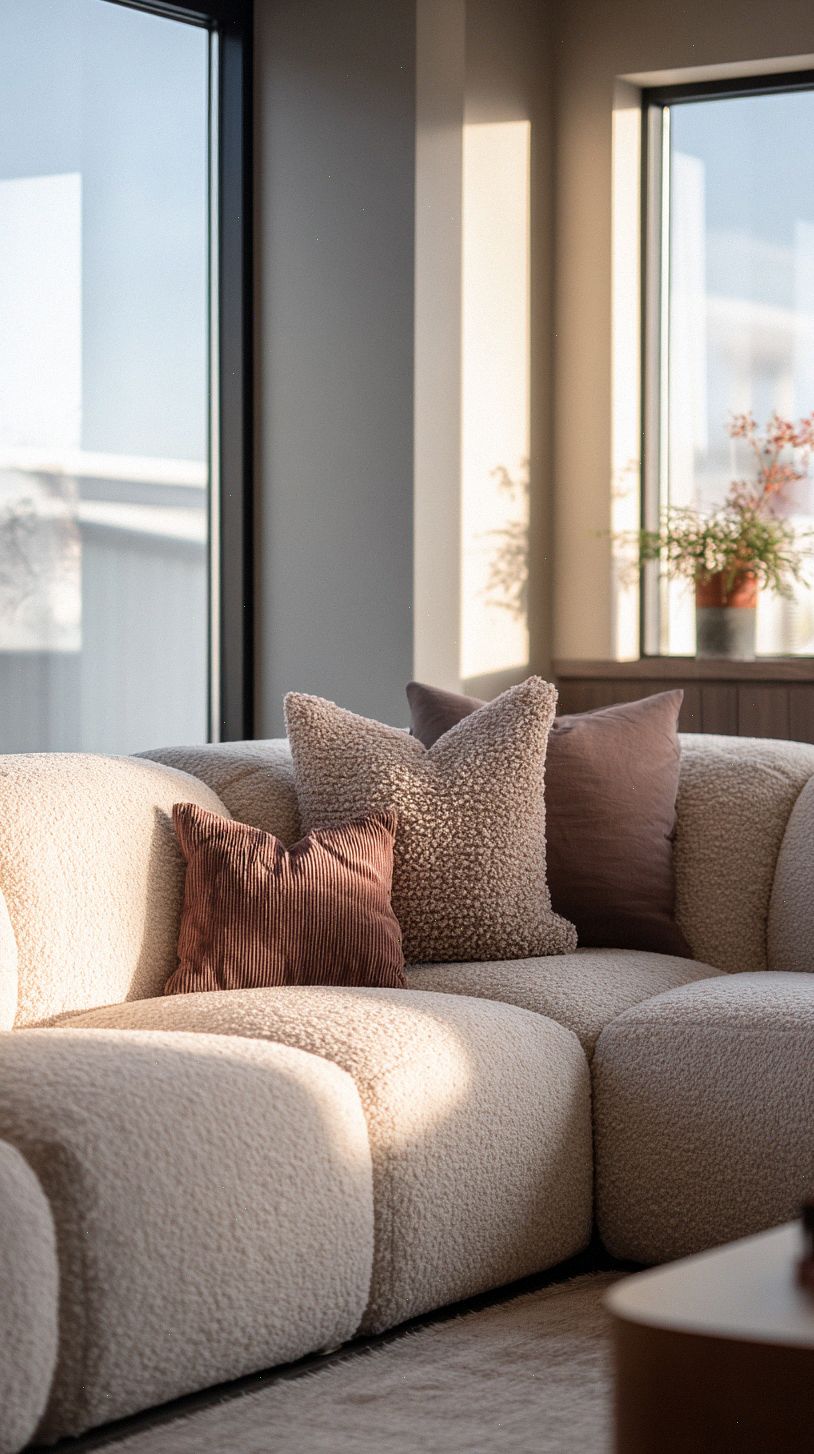
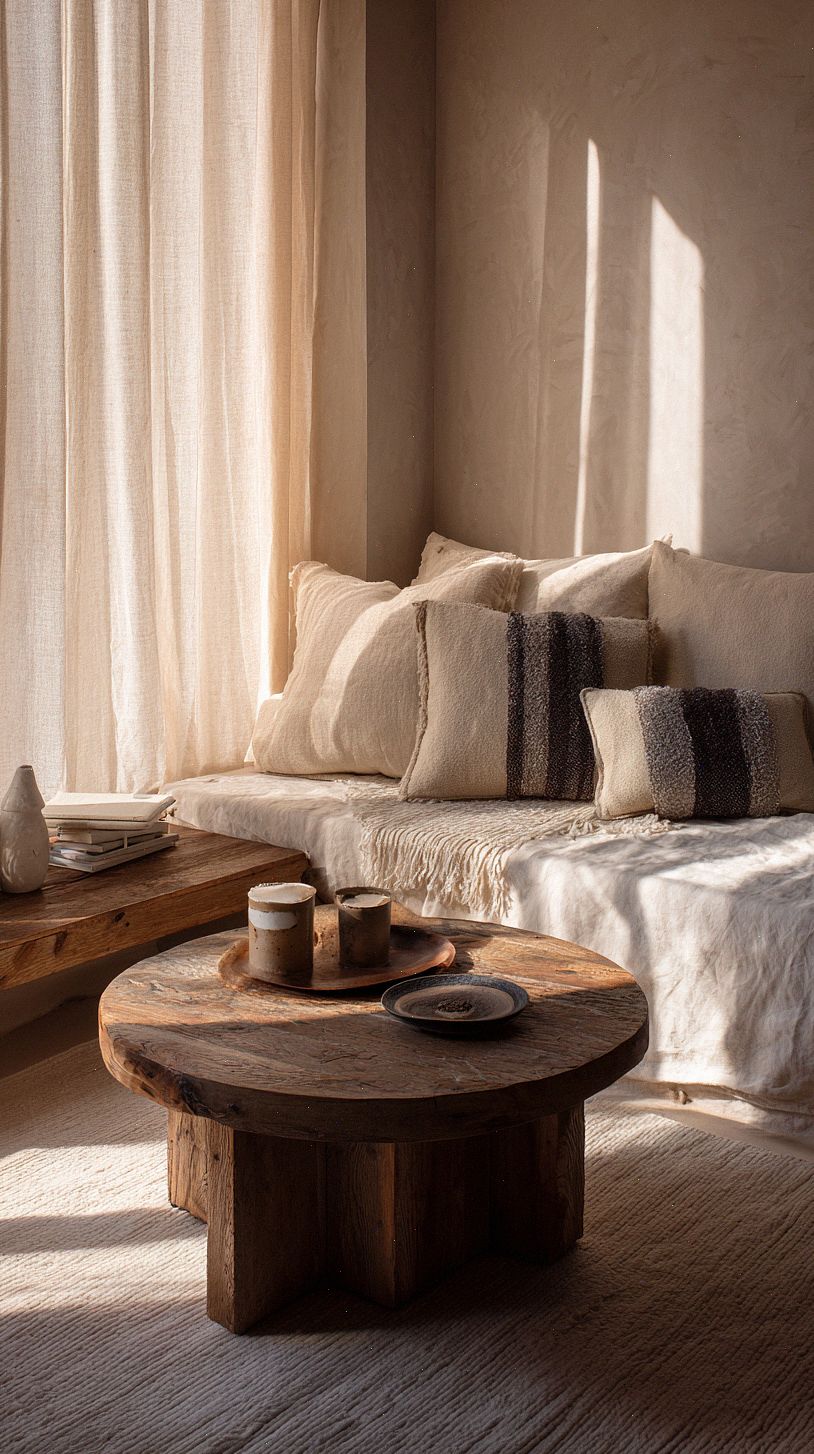
Choose warm wood tones for your bigger pieces so the room feels grounded and cozy. Think mid-tone oak, honey-stained pine, or walnut for your coffee table, shelving, or flooring, and let the grain show. Mixing a couple of related tones keeps things interesting without feeling chaotic; match undertones so the overall look reads warm and unified.

Layer in natural materials like wool rugs, linen cushions, jute baskets, rattan lamps, and a leather pouf to add tactile warmth and visual depth. These textures invite touch, soften harder wood surfaces, and make your seating area feel instantly more lived-in and welcoming.
Curate Personal, Tactile Accessories
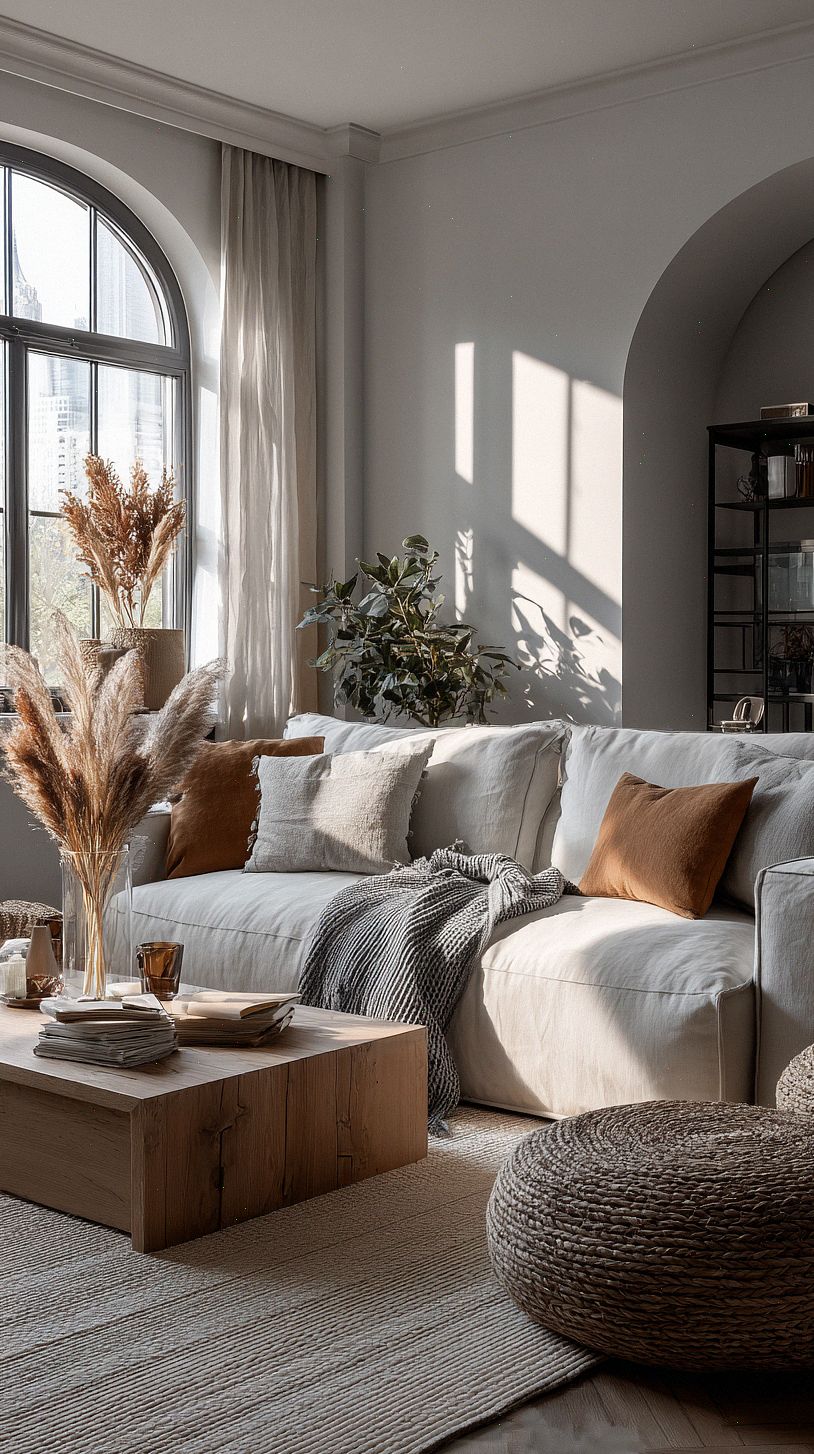
Choose accessories that beg to be touched: a chunky knit throw folded over the arm of the sofa, a mix of linen and velvet cushions, a worn leather pouf you can flop your feet on. Include handmade ceramics, a stack of well-loved books, and a soft woven rug underfoot so every corner feels lived in and comfortable.
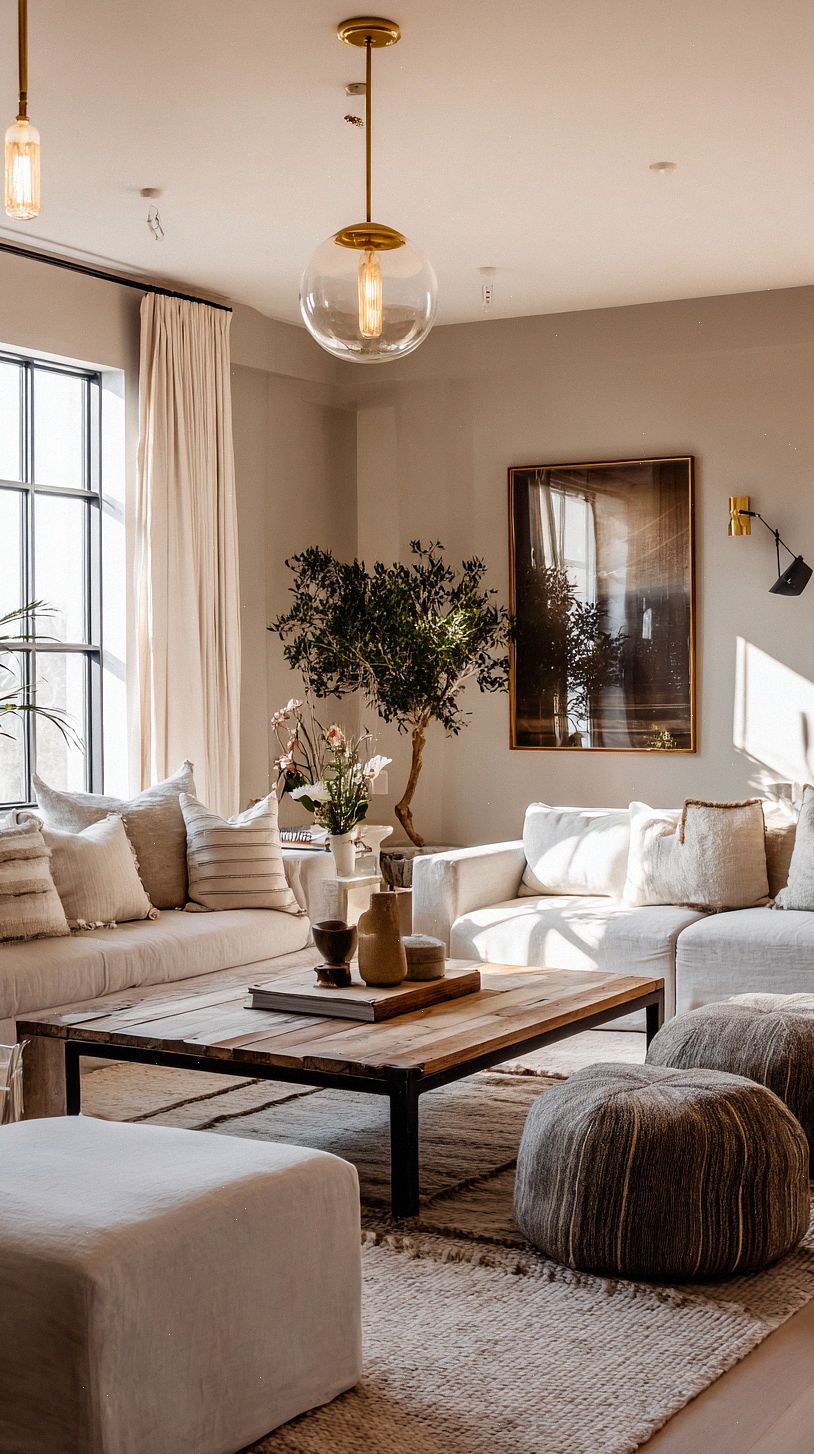
Group pieces by texture and memory to make the room feel personal. Tuck a small tray with a candle and your favorite mug on the coffee table, place a basket with extra blankets nearby, and keep a few sentimental items on low shelves so you can reach for them and change the display whenever the mood strikes.
Scent, Sound and Ambient Details
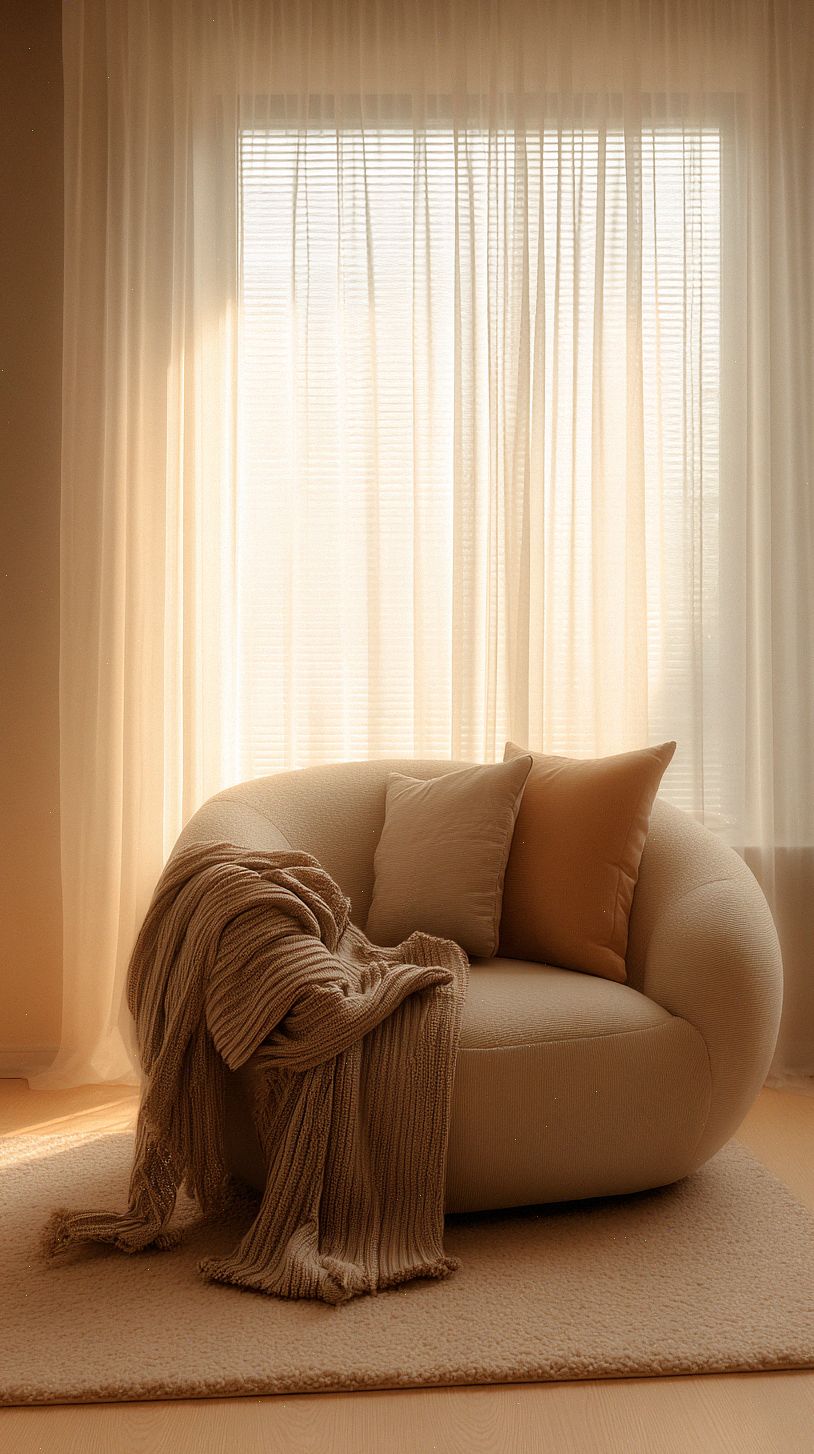
Pick one or two gentle scents and stick with them so the room feels consistent rather than perfumed. A vanilla or sandalwood candle, a linen spray on throws, or a diffuser with orange and clove creates that warm, welcoming note without overwhelming your guests. Fresh elements like cinnamon sticks, a sprig of rosemary, or a bowl of citrus add seasonal character and make the space smell lived in, not staged.
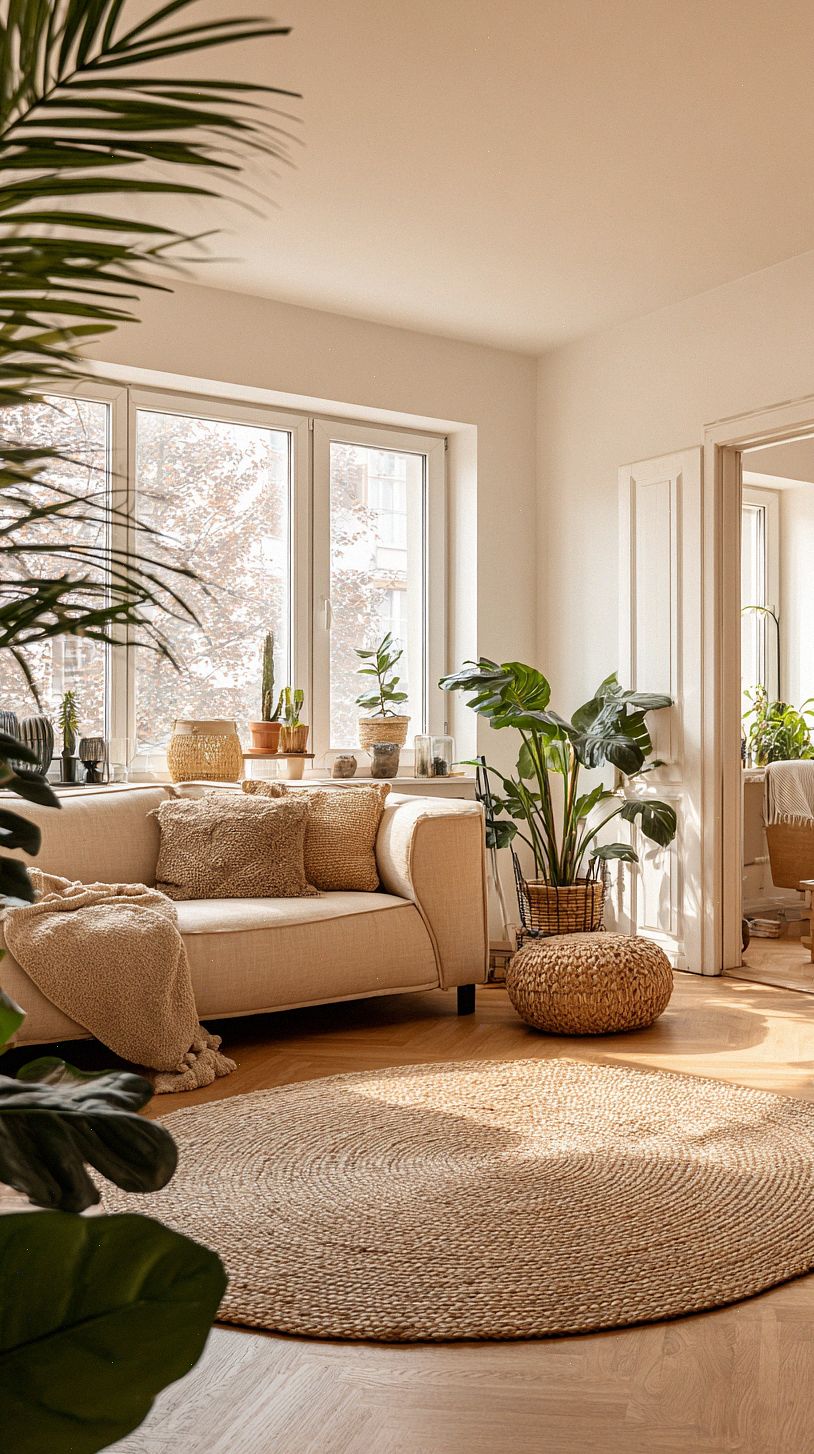
Keep sound soft and steady so it wraps around the room: a low playlist of mellow jazz or acoustic, a fireplace crackle sound, or a subtle nature track can make your space feel calm and occupied. Pay attention to small ambient details too — the soft clink of mugs, the rustle of a throw, or the warm glow from a lamp — those little sensory cues make the room feel intimate and thoroughly homey.
Practical Tips: Declutter, Storage and Flow
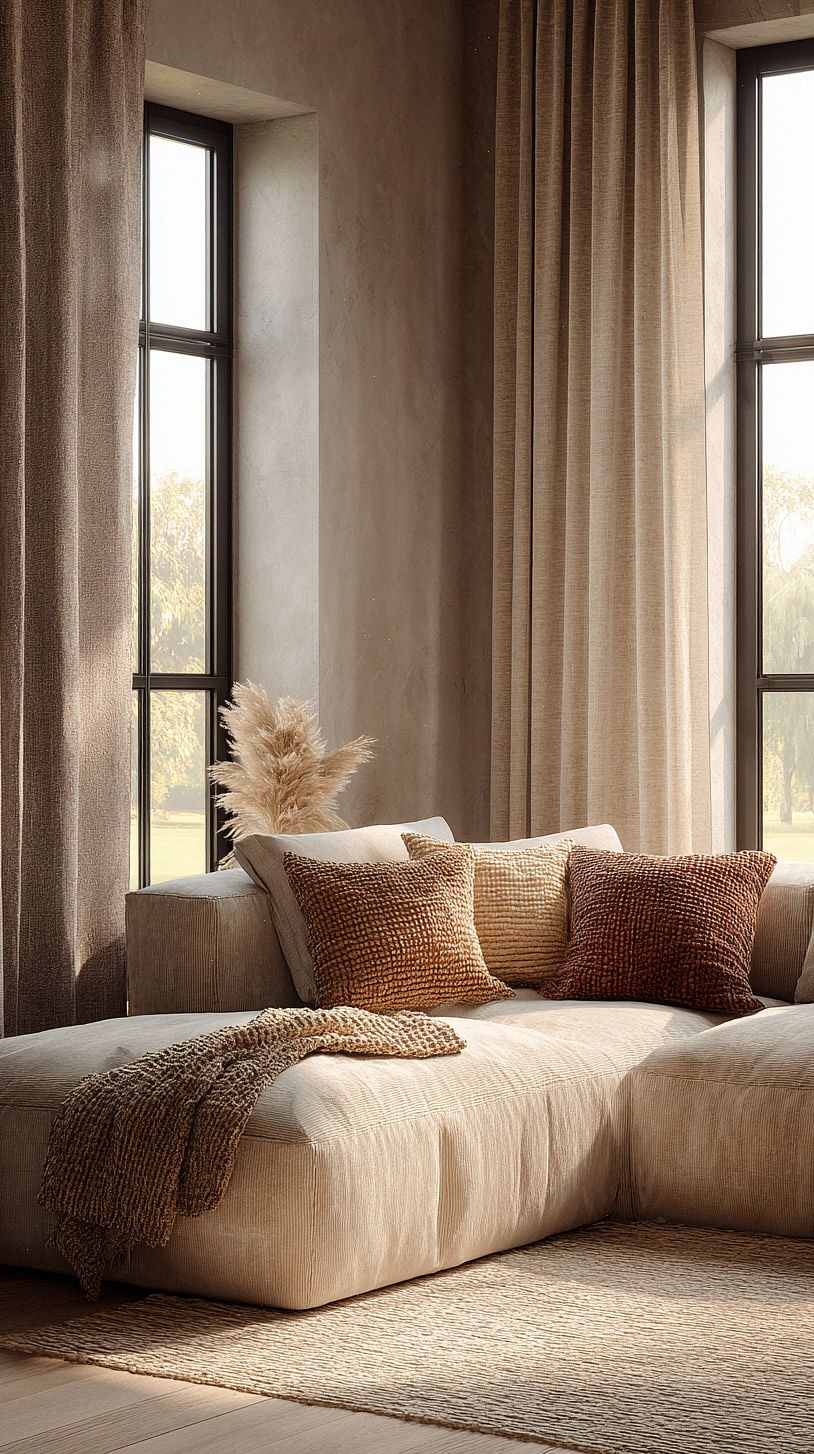
Start by paring down what you see every day. Put away anything that does not add warmth or function, keep surfaces clear, and adopt a five-minute tidy habit so clutter never builds up. Use baskets and trays to corral remote controls, throws, and magazines, and rotate decorative items so the room feels fresh without becoming crowded.
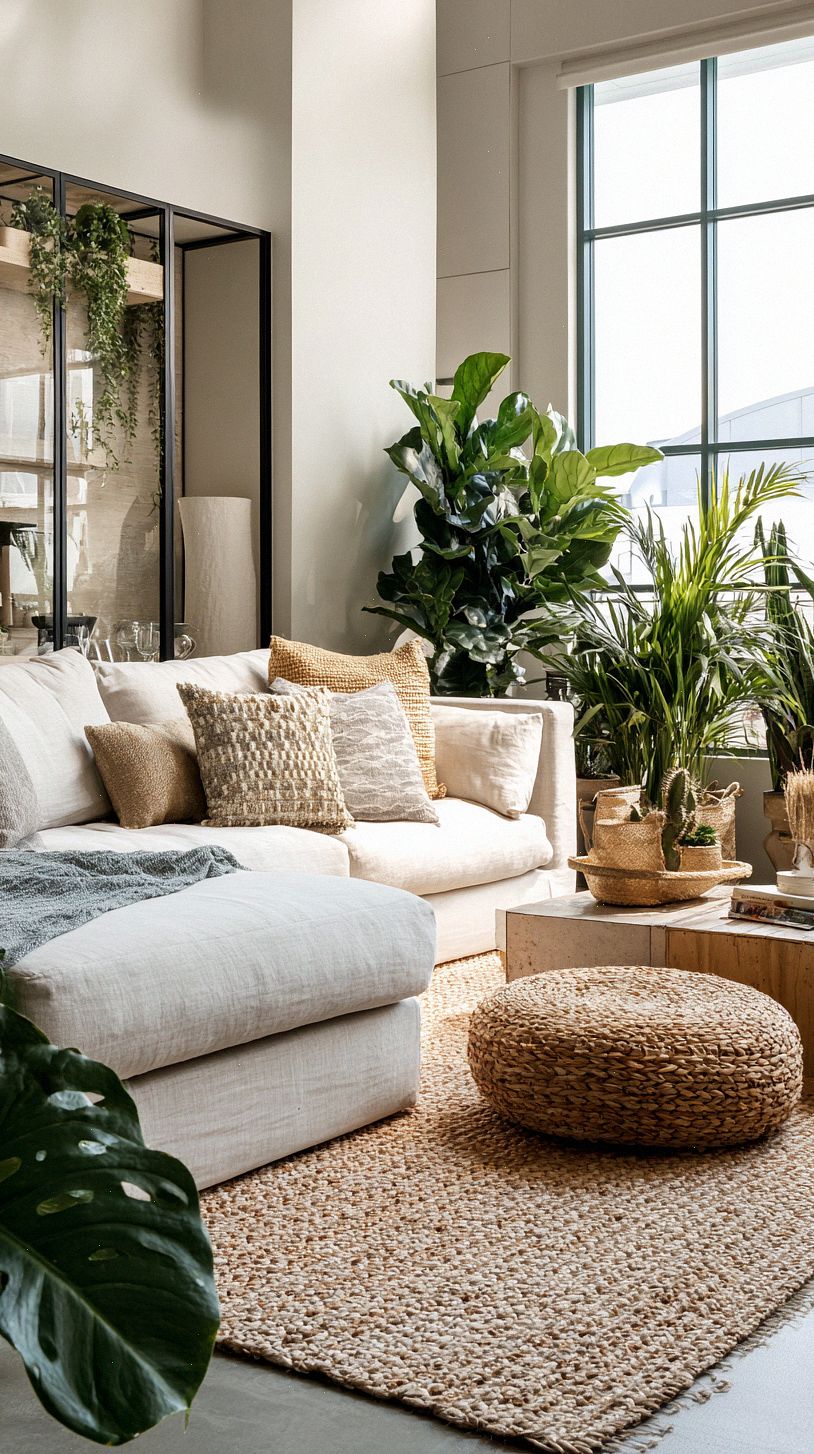
Choose storage that doubles as furniture to save space and maintain flow. Think low-profile cabinets or open shelving to keep sightlines, and use ottomans or benches with hidden storage for extra throws or toys. Arrange seating to create a clear path through the room and to encourage conversation, and always leave doorways and windows unobstructed so the space feels easy to move through.