How to Style a Transitional Modern Kitchen That Feels Balanced and Timeless
We love kitchens that feel both fresh and familiar, where clean lines meet cozy details so the room never reads as overly modern or stuck in the past. Transitional modern is that sweet spot between contemporary and classic: restrained silhouettes, warm materials, and smart layers of light and texture that make a space feel balanced and timeless without trying too hard.
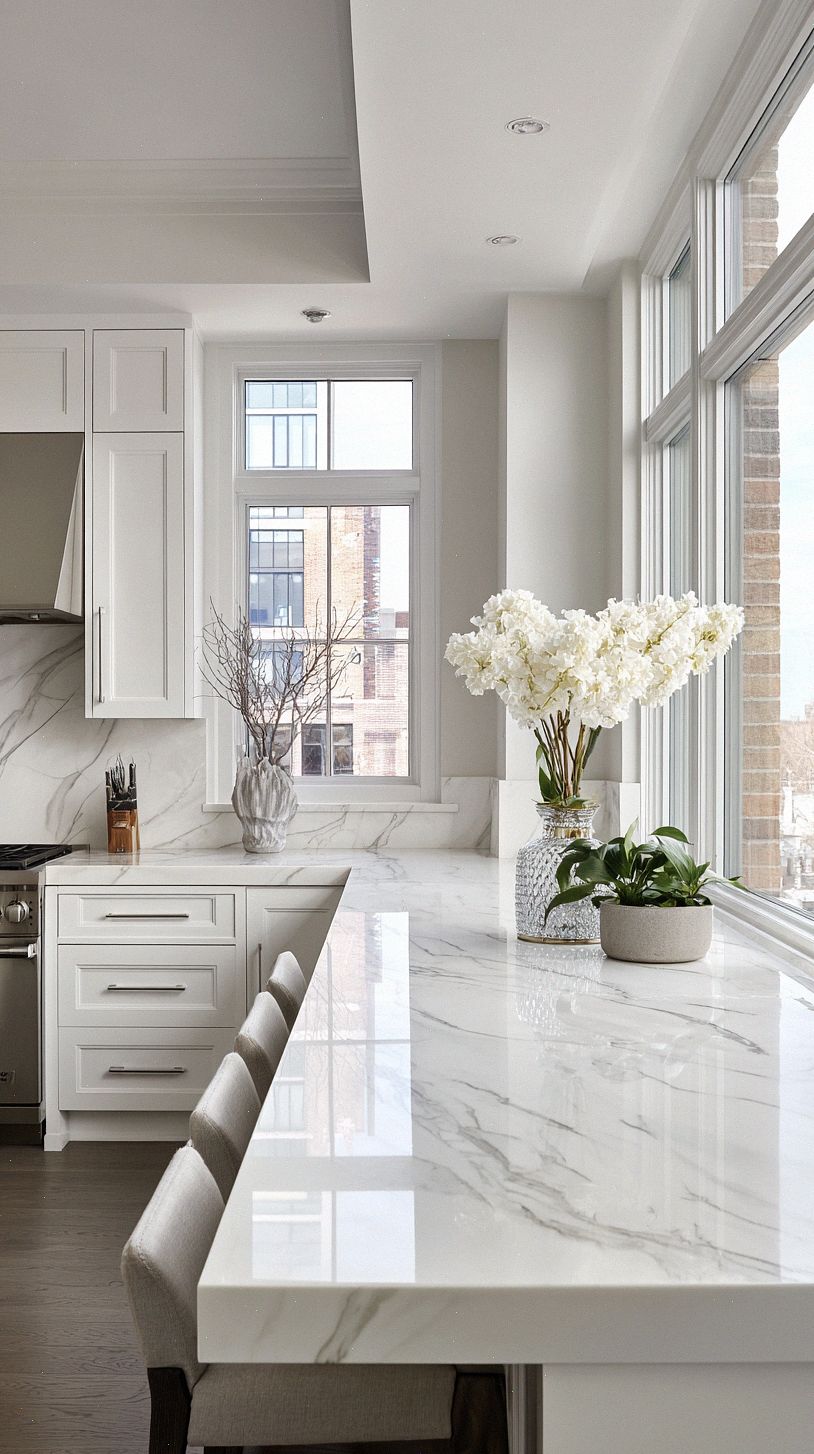
Here we’ll explore practical, visual ways to get that look—choosing a color palette that ages well, picking cabinets with subtle but thoughtful detail, mixing wood, metal, and stone for warmth and contrast, and layering lighting, hardware, and soft elements so everything works together. The tips are meant to help us design a kitchen that functions beautifully and still feels inviting years from now.
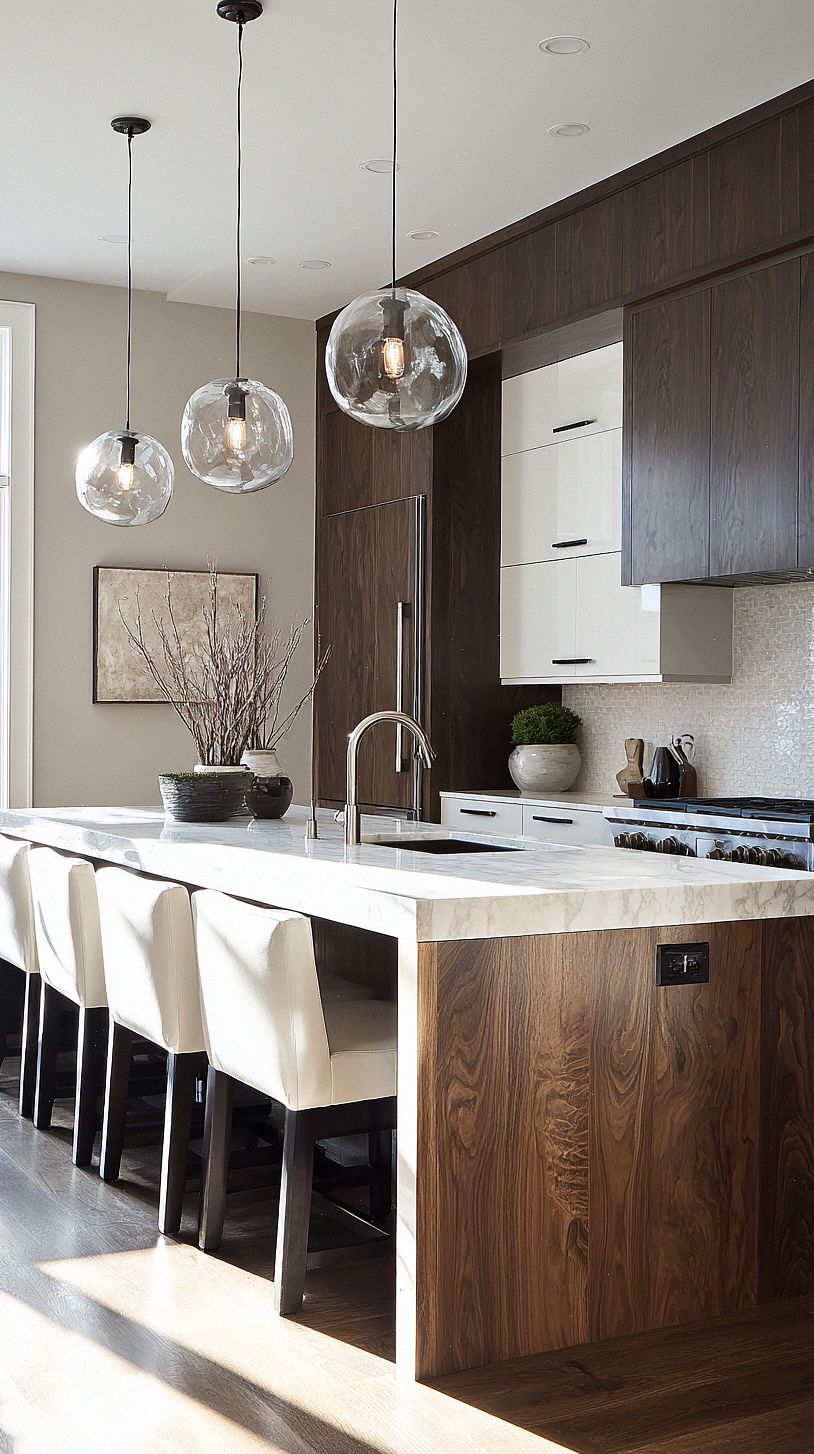
Defining Transitional Modern: Balance Between Contemporary and Classic
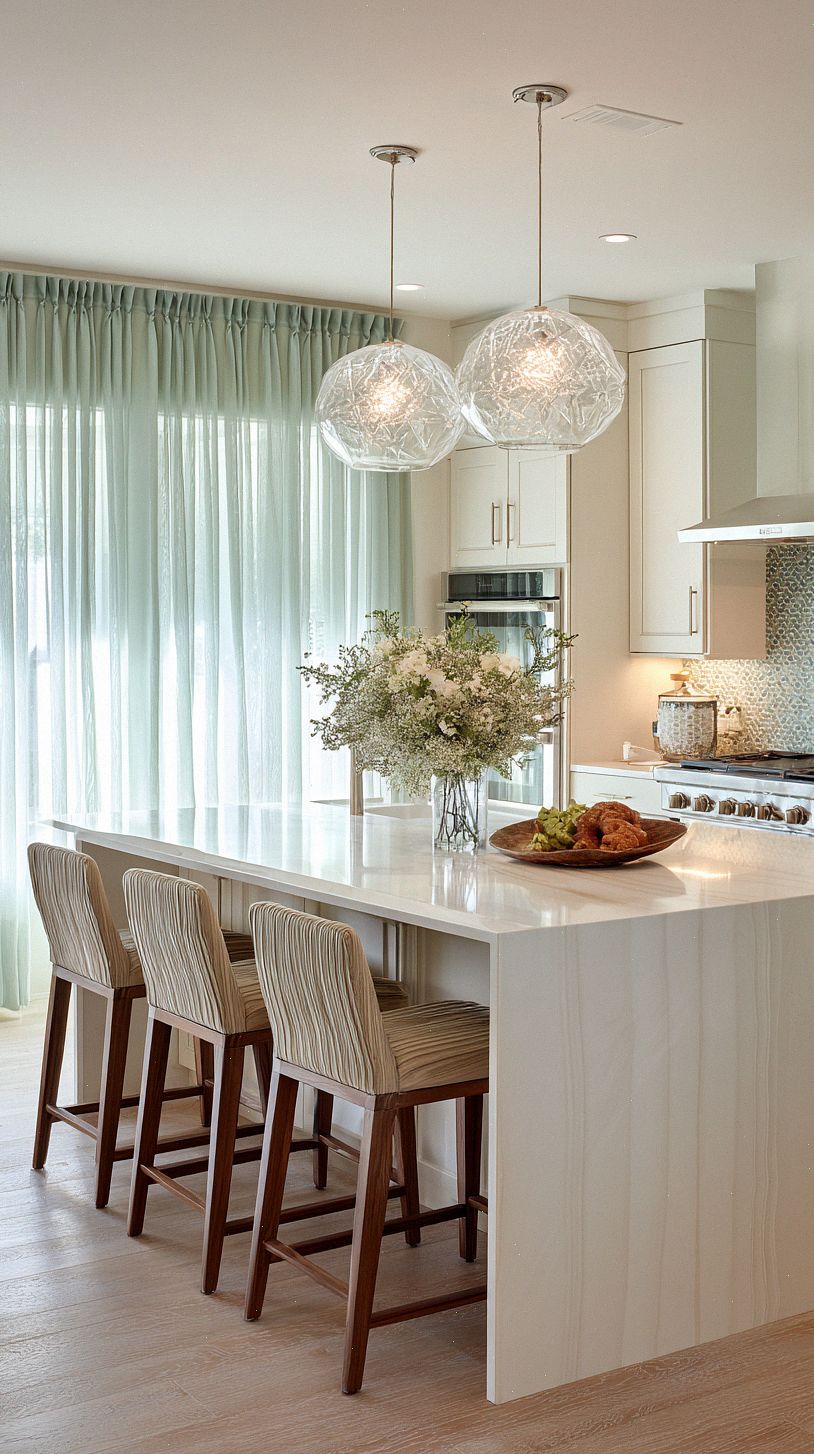
Think of transitional modern as the sweet spot where clean, contemporary lines meet the warmth and detail of classic design. You want sleek cabinets and simple hardware paired with natural wood tones, subtle moldings, or a timeless subway tile so the room feels both fresh and familiar.
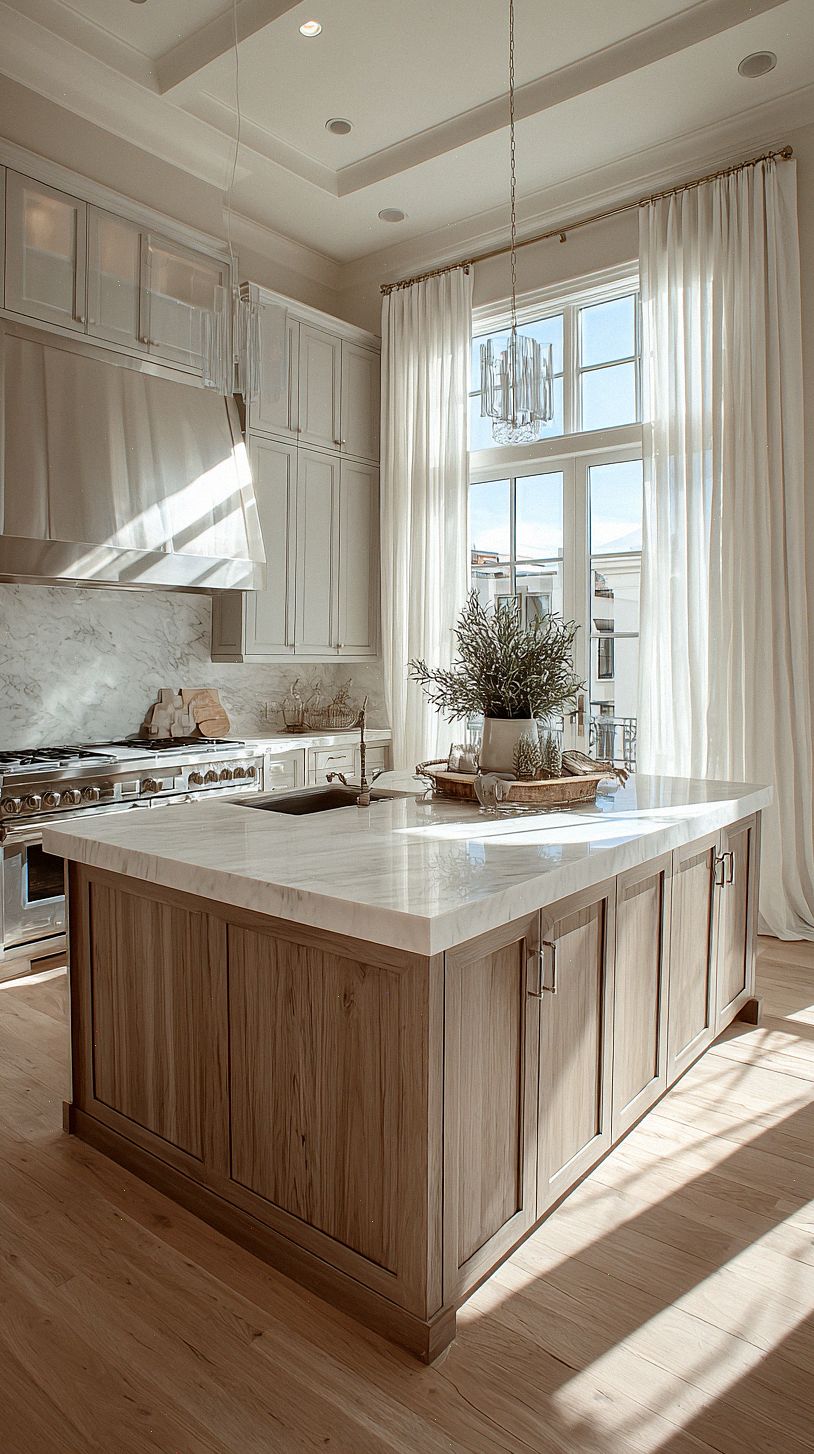
Keep the balance by choosing one modern focal point, like a minimalist island, and grounding it with traditional touches such as shaker-style doors or warm brass finishes. Layer texture and finishes so nothing feels too stark or too ornate, and stick to a restrained palette so the mix reads cohesive rather than conflicted.
Choosing a Timeless Color Palette
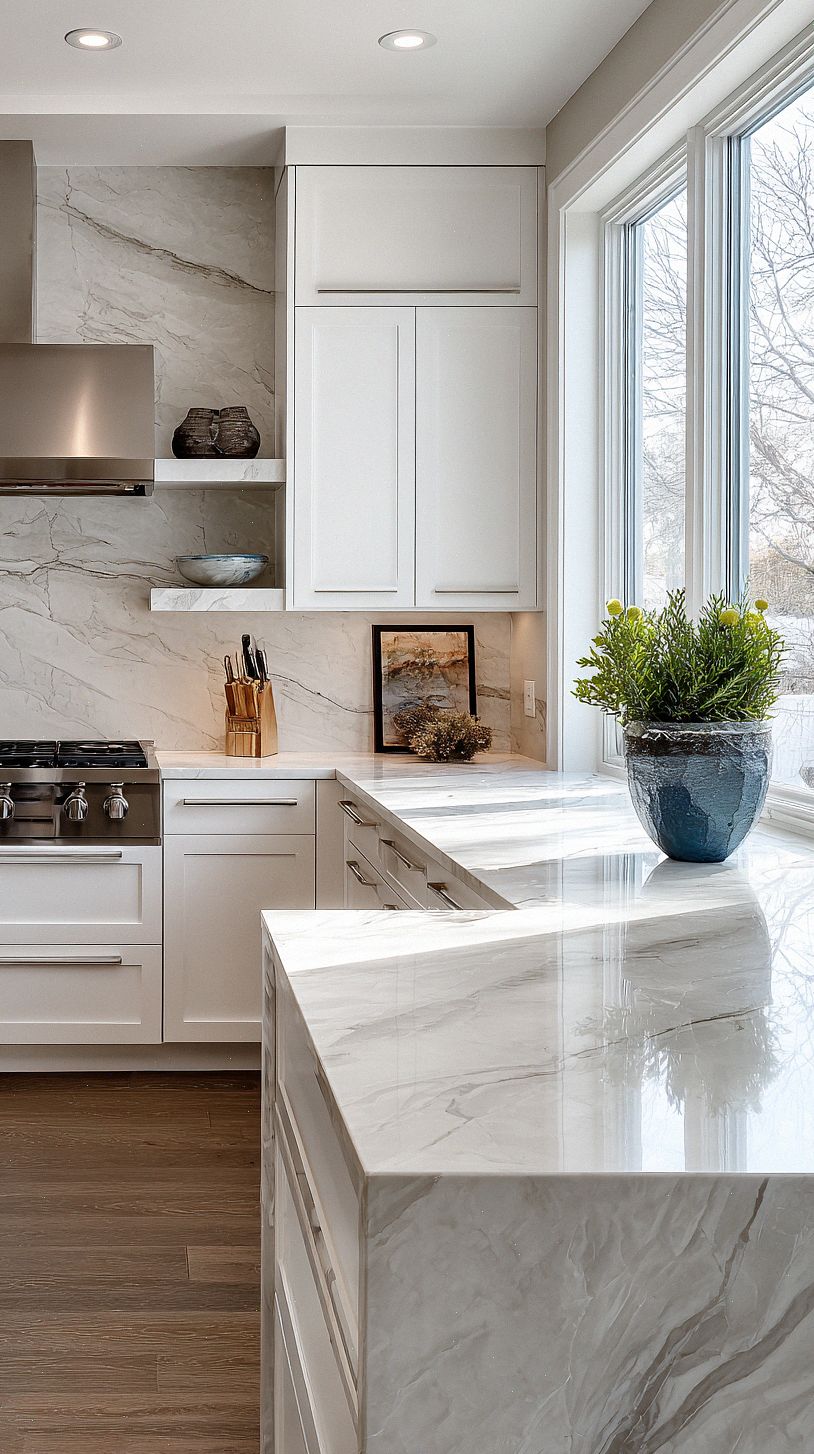
Start with a calm neutral as your base so the room feels cohesive and easy to live with. Pick a warm white or greige for large surfaces like cabinets and walls, add a midtone wood or stone to bring warmth, and choose one or two deeper accents like navy, olive, or charcoal for the island, lower cabinets, or backsplash to anchor the space.
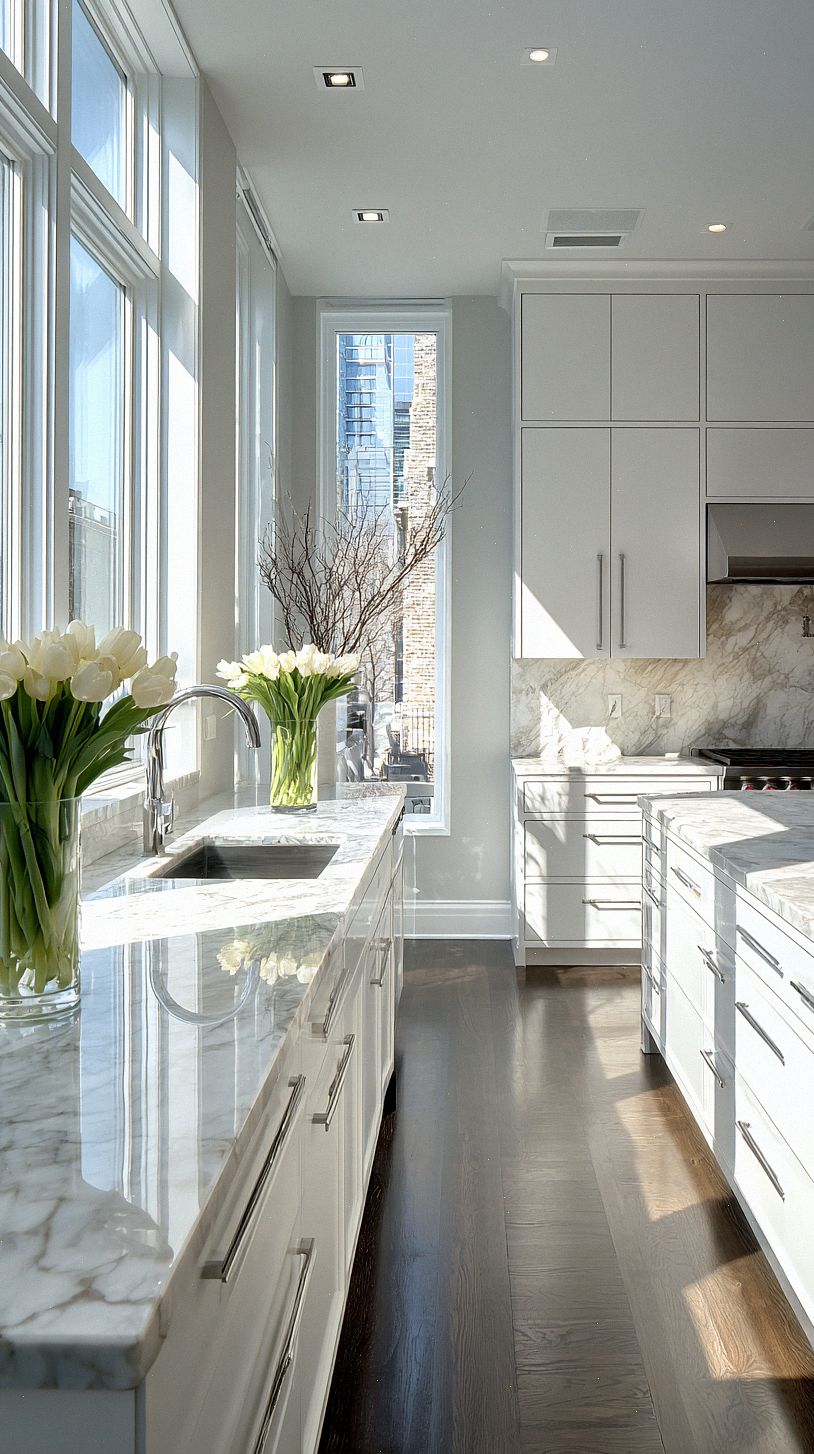
Think about finishes and testing before you commit. Matte or satin cabinet finishes read differently in daylight, and metal choices like brass or brushed nickel will change the mood, so get samples and live with them for a few days to see how your palette works with the light and materials in your kitchen.
Cabinets: Streamlined Silhouettes with Subtle Detail
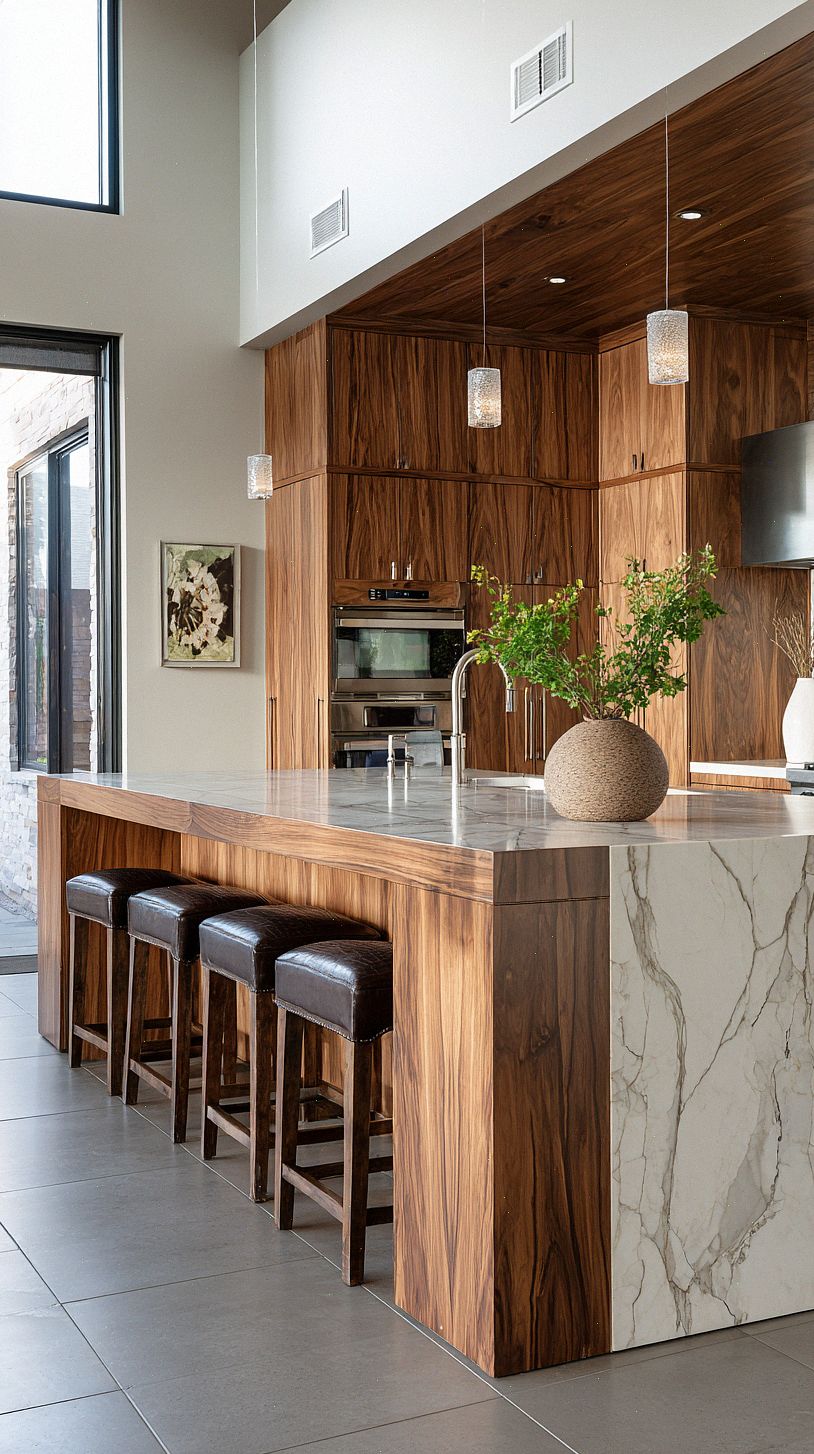
Keep your cabinet profiles clean and simple so the room reads calm and cohesive. Think slab fronts or shallow shaker doors with softened edges, inset panels or tiny shadow reveals to create interest without fuss. Swap bulky knobs for integrated, recessed, or finger pulls so hardware disappears into the design and the silhouette remains streamlined.
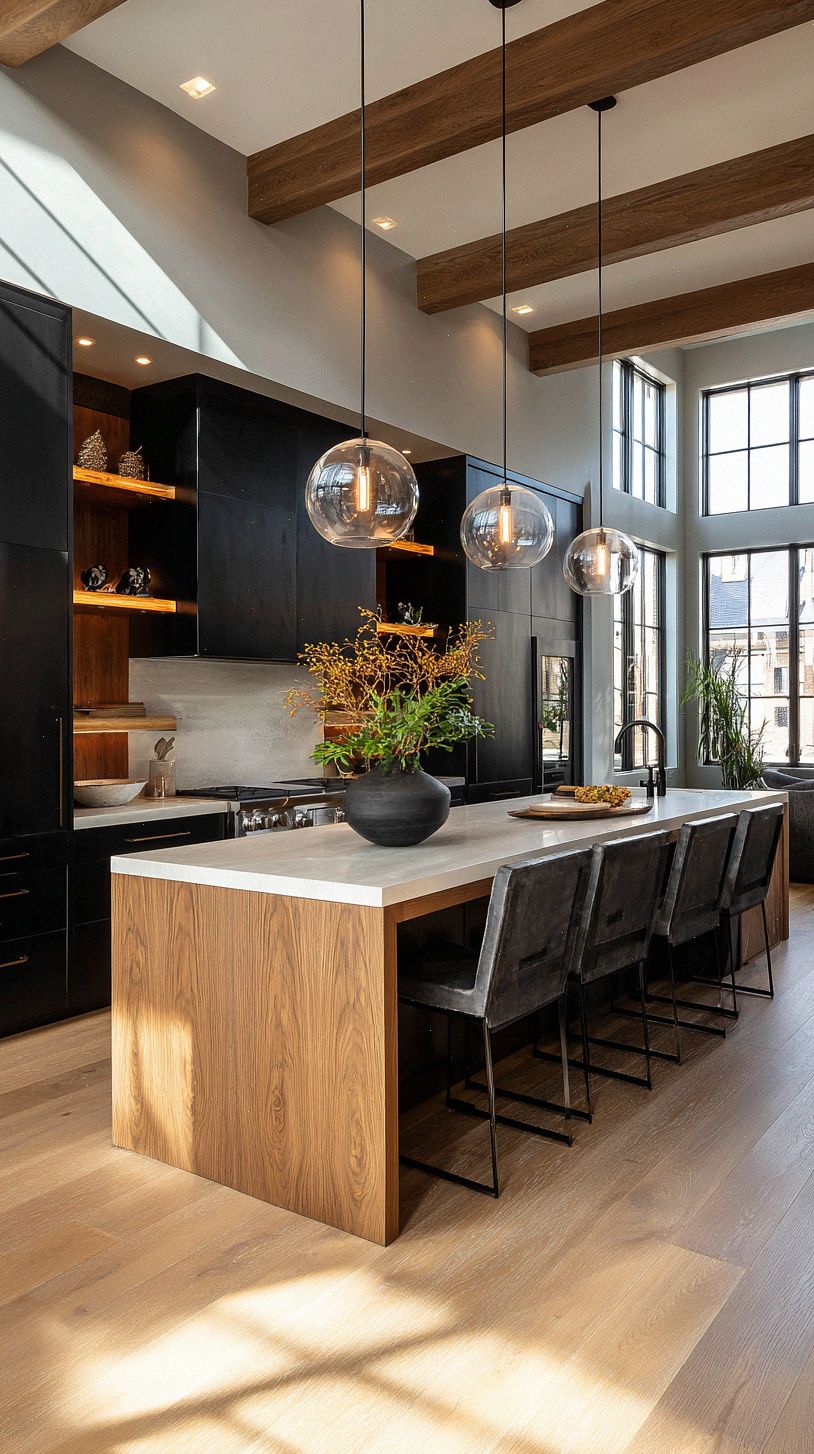
Choose finishes that whisper rather than shout: muted paint tones, warm walnut, or a two tone mix with wood bases and painted uppers. Small details like a thin applied rail, mitered corners, or a subtle crown keep things grounded and intentional, helping your kitchen feel both modern and timeless.
Mixing Materials: Wood, Metal, and Stone for Warmth and Contrast
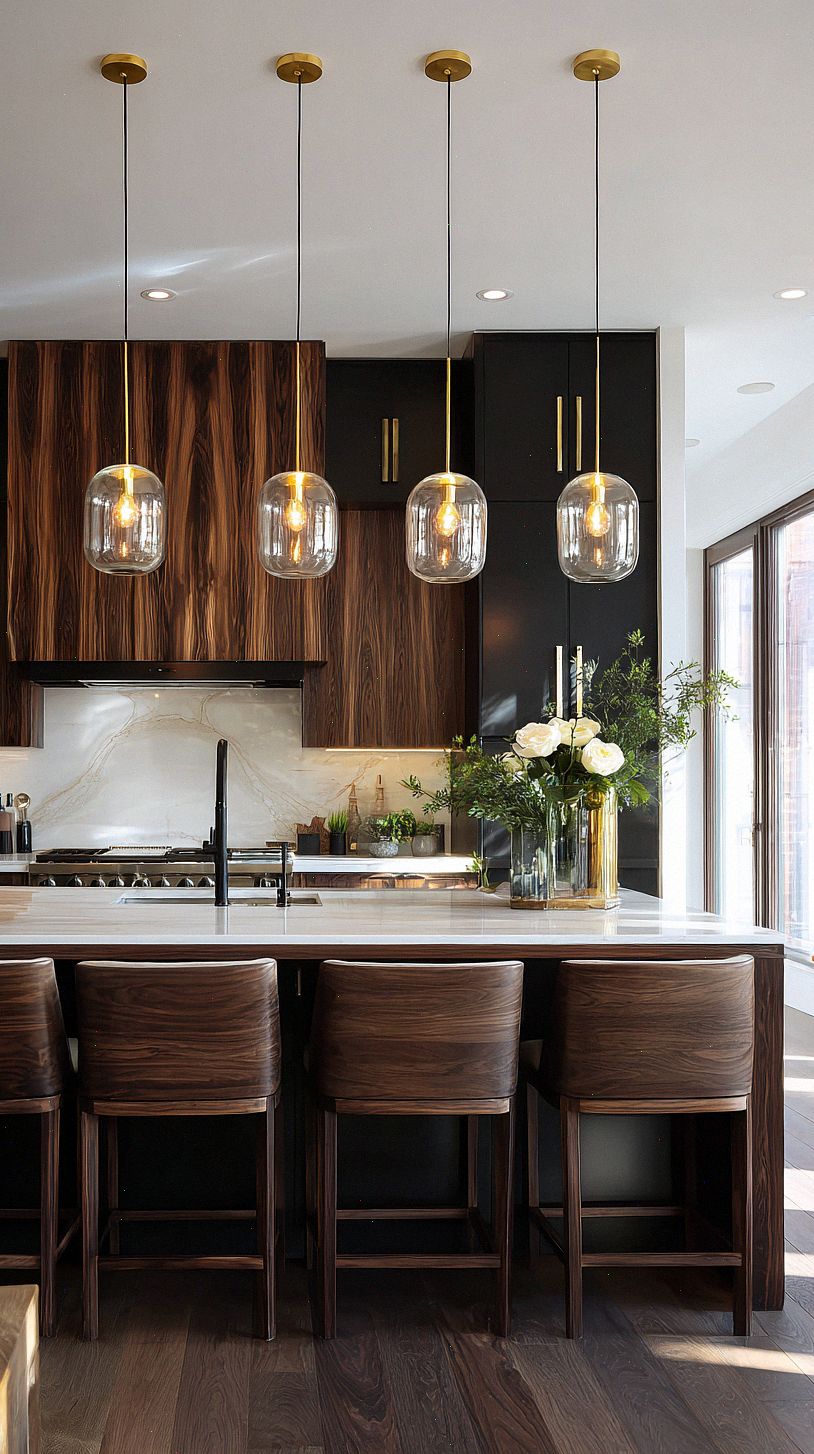
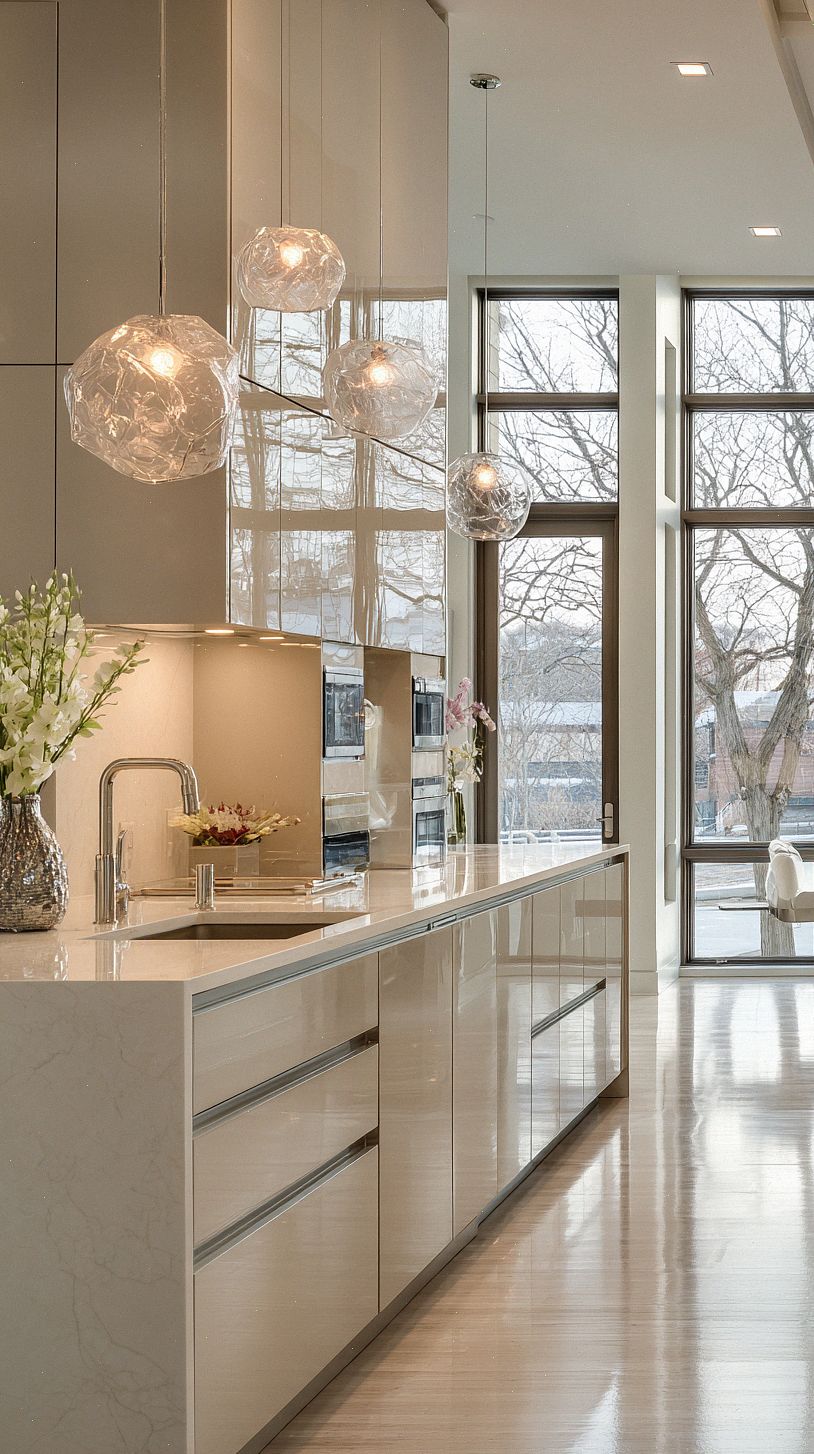
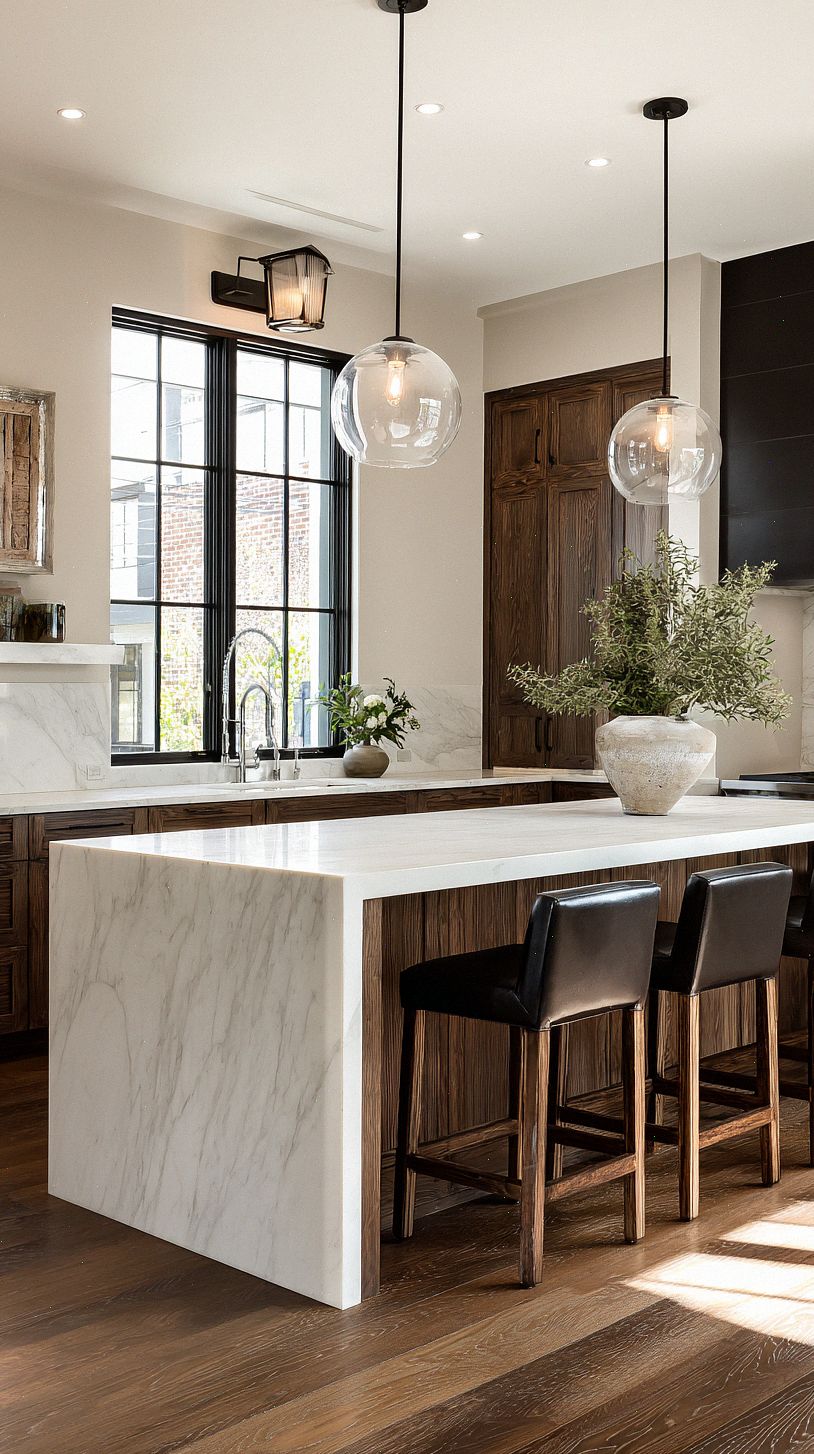
Start by letting one material lead so your kitchen feels intentional instead of cluttered. If you choose warm wood for cabinetry or the island, let that be the backdrop, then introduce stone for countertops or a backsplash to anchor the space and add cool contrast. Use metal sparingly as the punctuation—think cabinet pulls, light fixtures, and a faucet—to give the clean modern edge without overpowering the warmth.
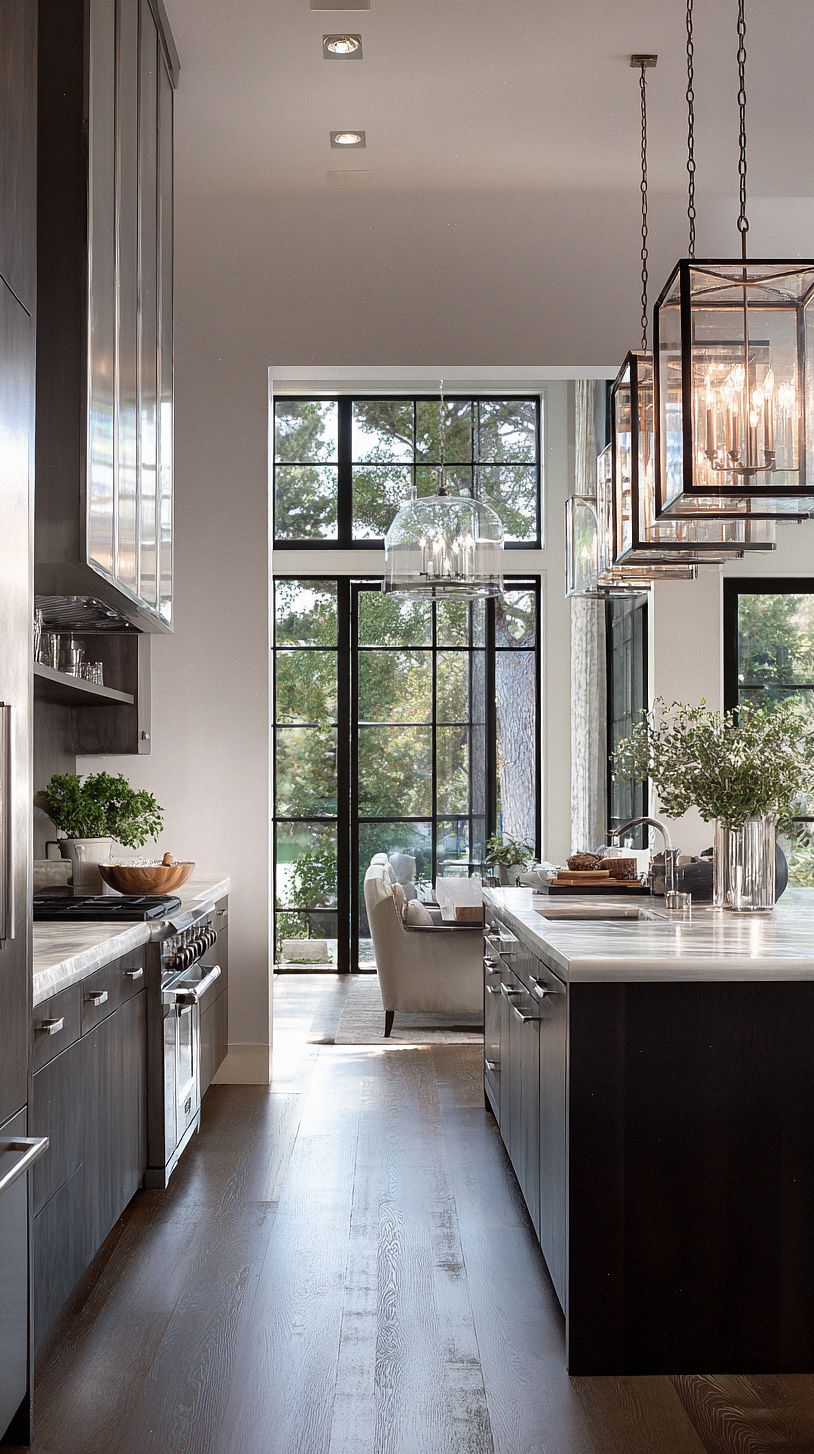
Keep finishes harmonious by repeating tones and textures around the room. Pair a honed marble or soapstone countertop with matte black or brushed brass hardware, echo wood tones in open shelves or a butcher block prep area, and vary the scale of patterns so grain, veining, and metal shine don’t compete. Stick to two or three materials and play with texture to keep the look layered and timeless.
Countertops and Backsplashes That Age Gracefully
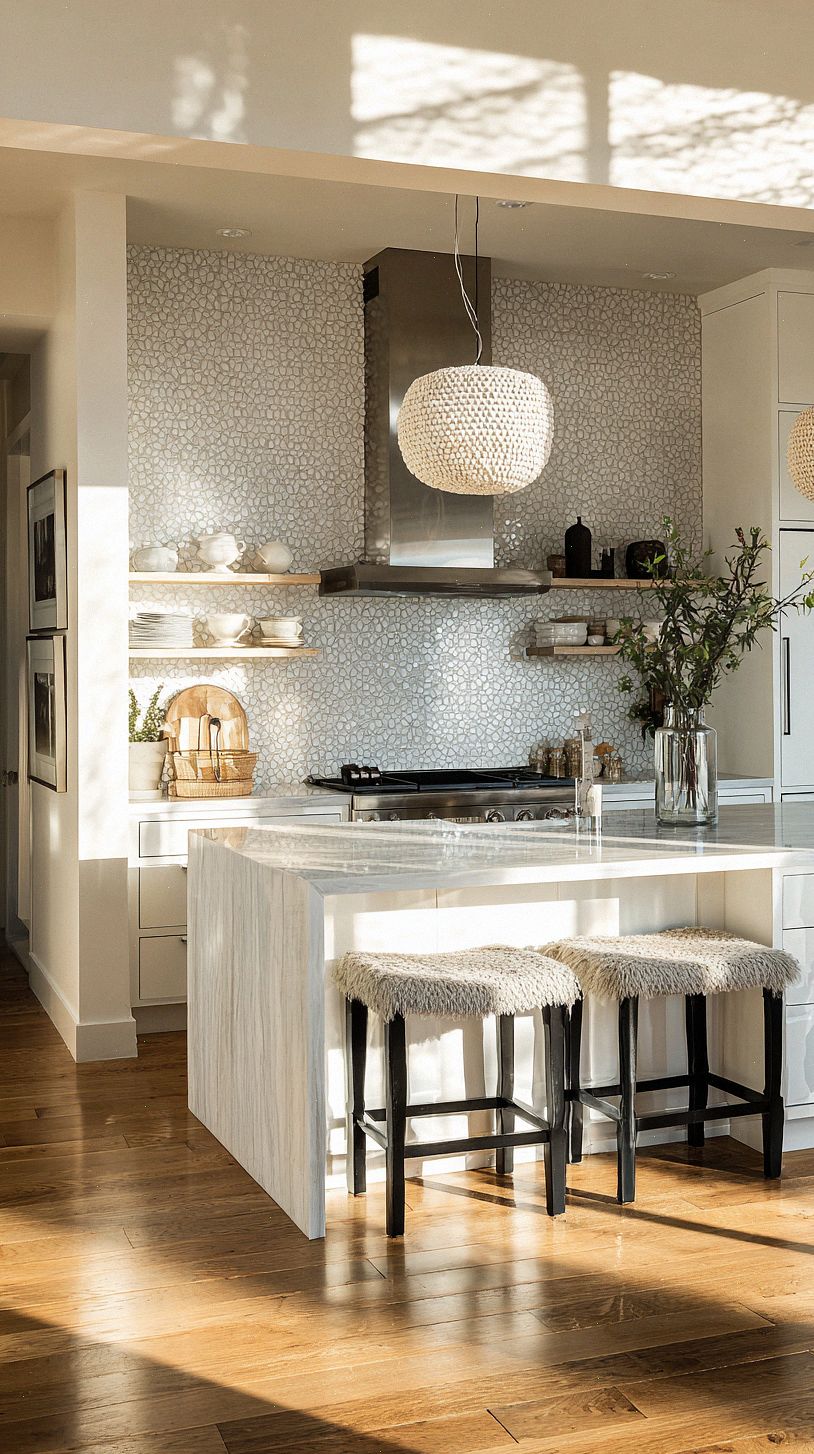
Choose materials that wear well and read as classic rather than trendy. You can opt for quartz or honed marble for subtle veining, soapstone or butcher block for warmth, or large-format porcelain slabs for a clean, low-grout look. Prioritize finishes that hide wear and are easy to maintain so your counters and backsplashes still look intentional years from now.
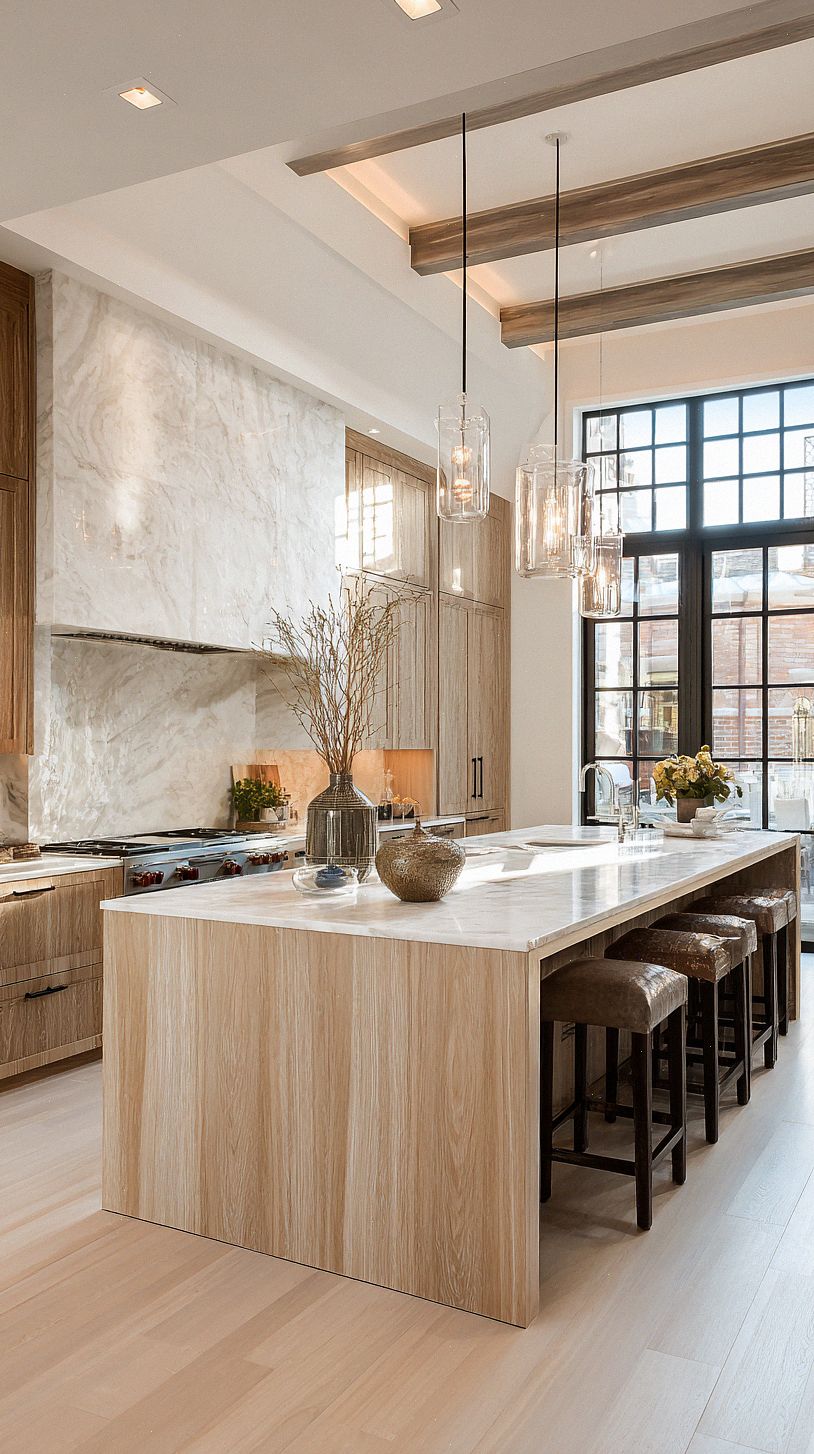
Add interest by mixing textures while keeping the palette restrained. Pair a smooth, understated countertop with a textured subway tile, a soft plaster backsplash, or a thin metal trim for a modern touch. Keep grout lines minimal and colors neutral so you can refresh the room with hardware, lighting, or textiles without replacing major surfaces.
Hardware and Fixtures: Small Details, Big Impact
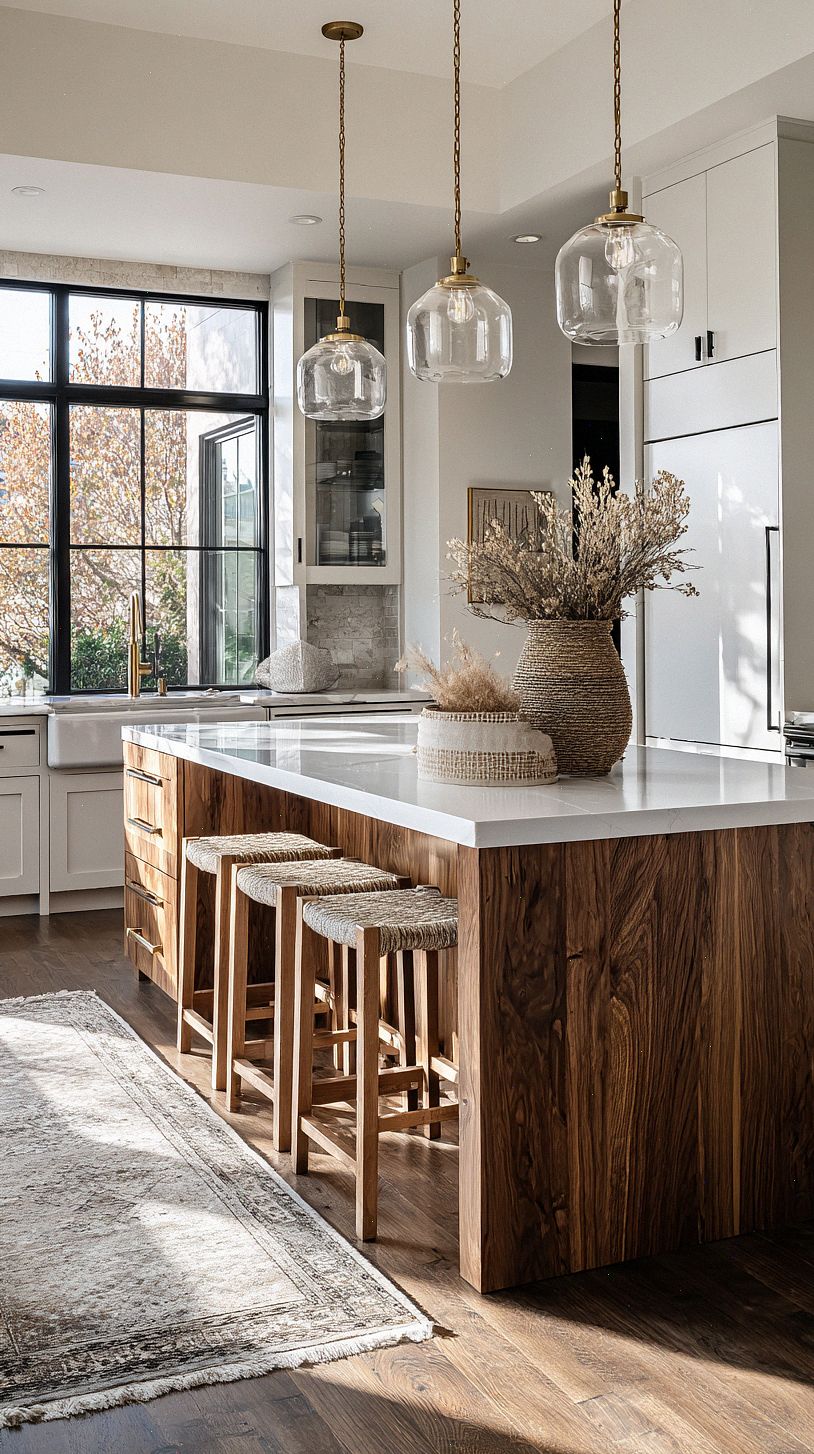
Think of hardware as the jewelry for your kitchen: small, but they set the tone. Opt for simple shapes with a soft edge to bridge traditional and modern styles, and pick one primary finish—warm brass, satin nickel, or matte black—then, if you like, introduce a second complementary metal for lighting or faucets to add depth without clutter.
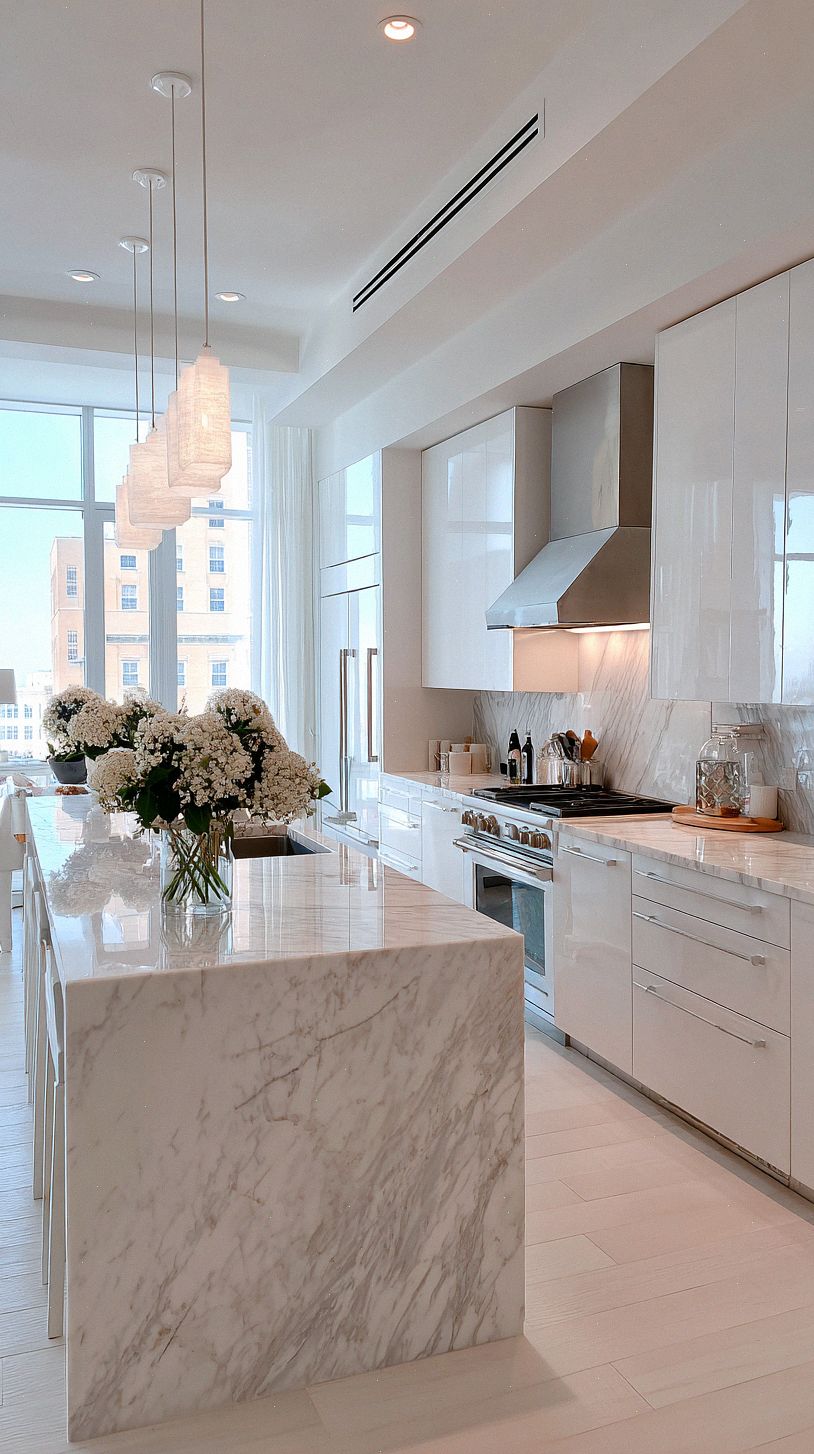
When choosing fixtures, prioritize scale and feel. A slightly taller, arched faucet can become a focal point while proportioned pulls make cabinet faces look balanced; test how handles sit in your hand and how knobs align on wider doors. Little choices like cup pulls on drawers or an integrated edge pull on a prep sink can subtly reinforce the transitional look while keeping everything practical.
Lighting Layers for Function and Atmosphere
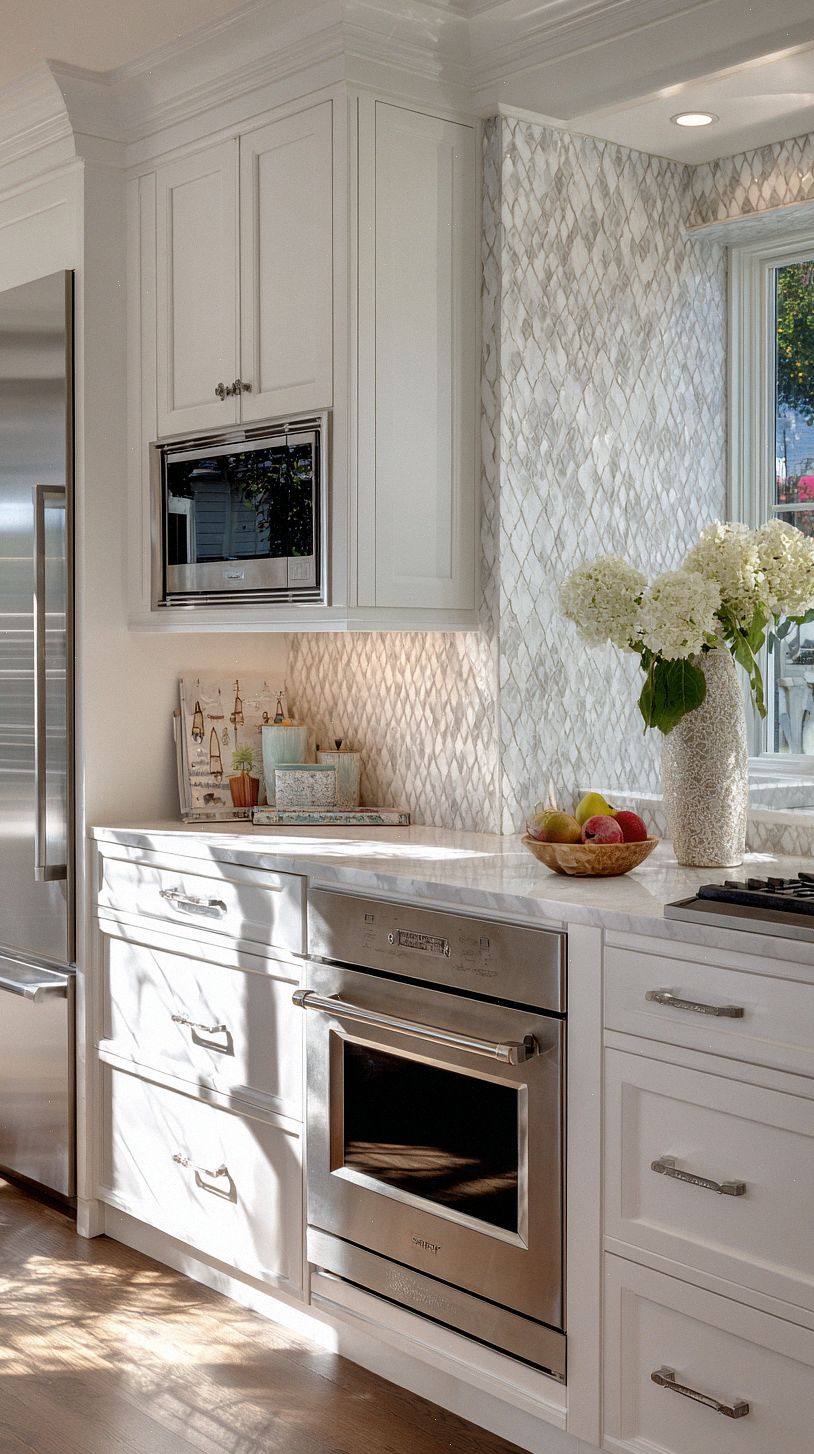
Think in layers: you want ambient light for overall brightness, task light where you chop and cook, and accent light to highlight details. Recessed or a simple ceiling fixture gives you even ambient light, under-cabinet strips handle countertops, and a pair of pendants over the island adds both function and style. Put everything on dimmers and choose warm color temps around 2700 to 3000K so the kitchen feels inviting and timeless.
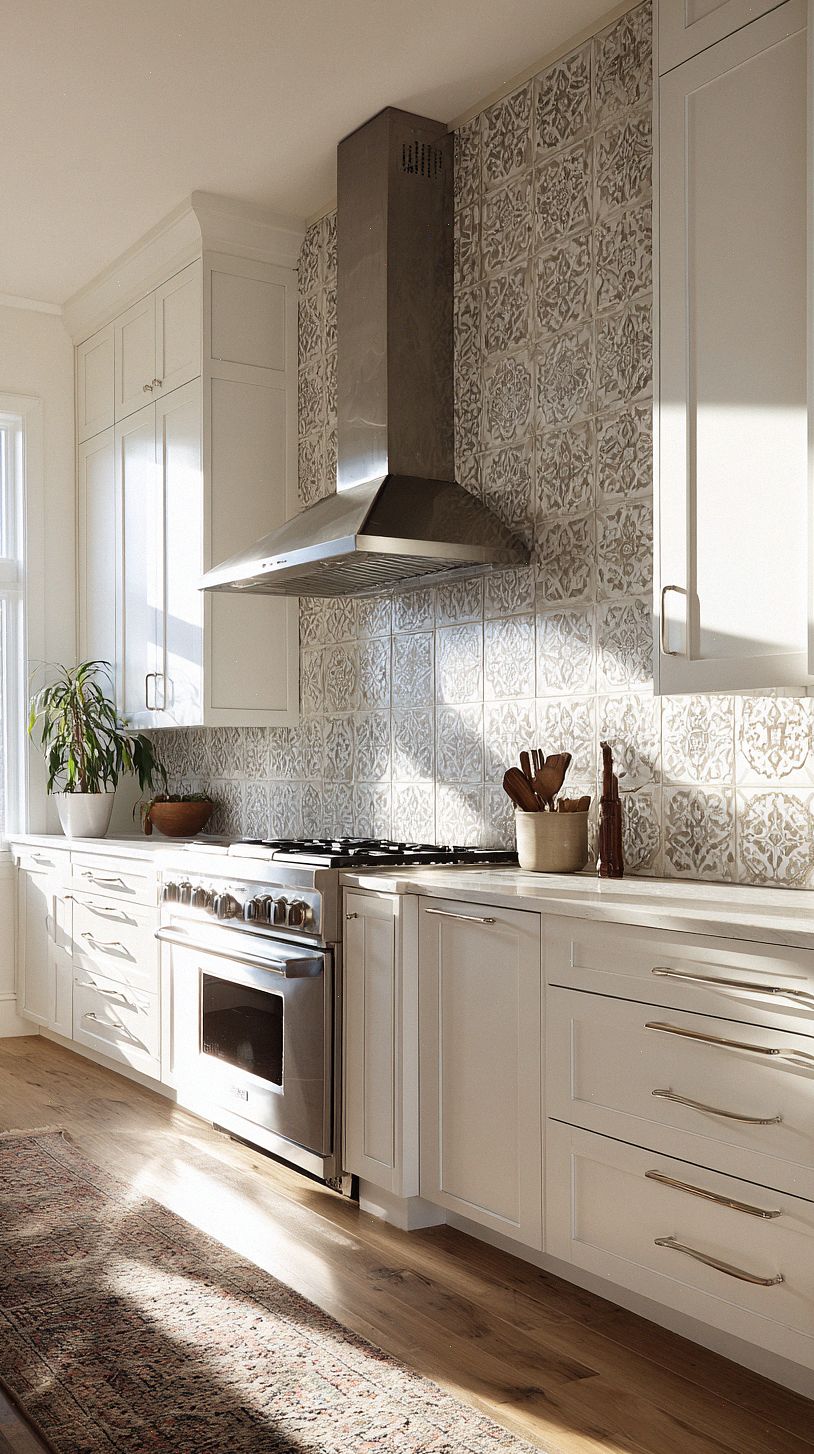
Use accent lighting to show off textures and cabinetry. Thin LED strips inside glass-front cabinets or under shelves create soft glows, while toe-kick lighting adds an unexpected, modern touch. Pick fixture finishes that bridge classic and contemporary, like brushed nickel, matte black, or aged brass, and scale pendants to your island so the space reads balanced rather than cluttered.
Layout and Workflow: Practicality Meets Proportion
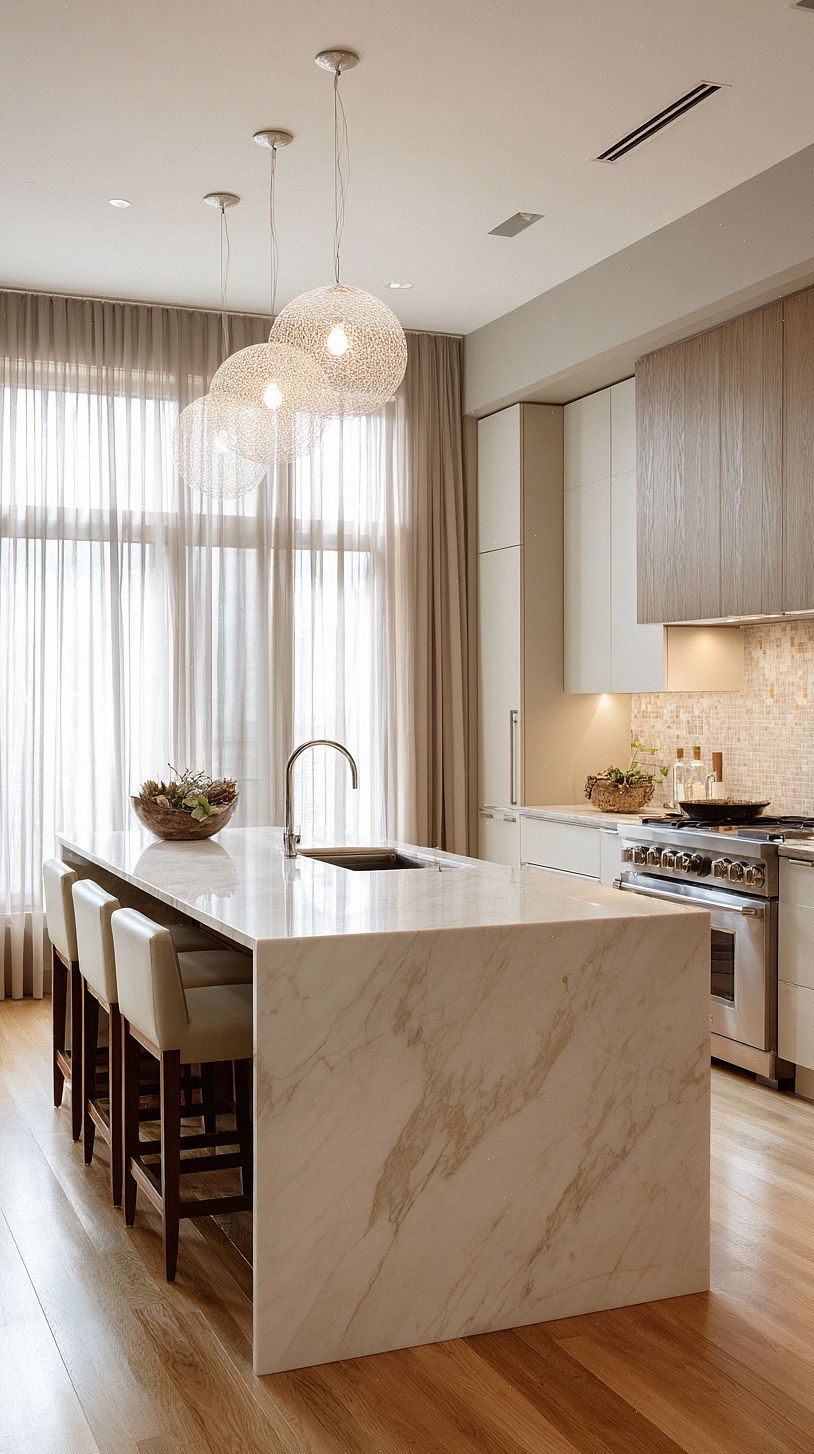
Think of your layout as choreography for how you actually move through the kitchen: place prep between the fridge and the stove, keep your sink tucked where it has a view, and leave 42 to 48 inches for main work aisles if more than one person cooks. Scale the island to the room so it offers storage and seating without crowding sightlines, and aim for proportional cabinet heights and counter depths so everything feels intentional rather than random.
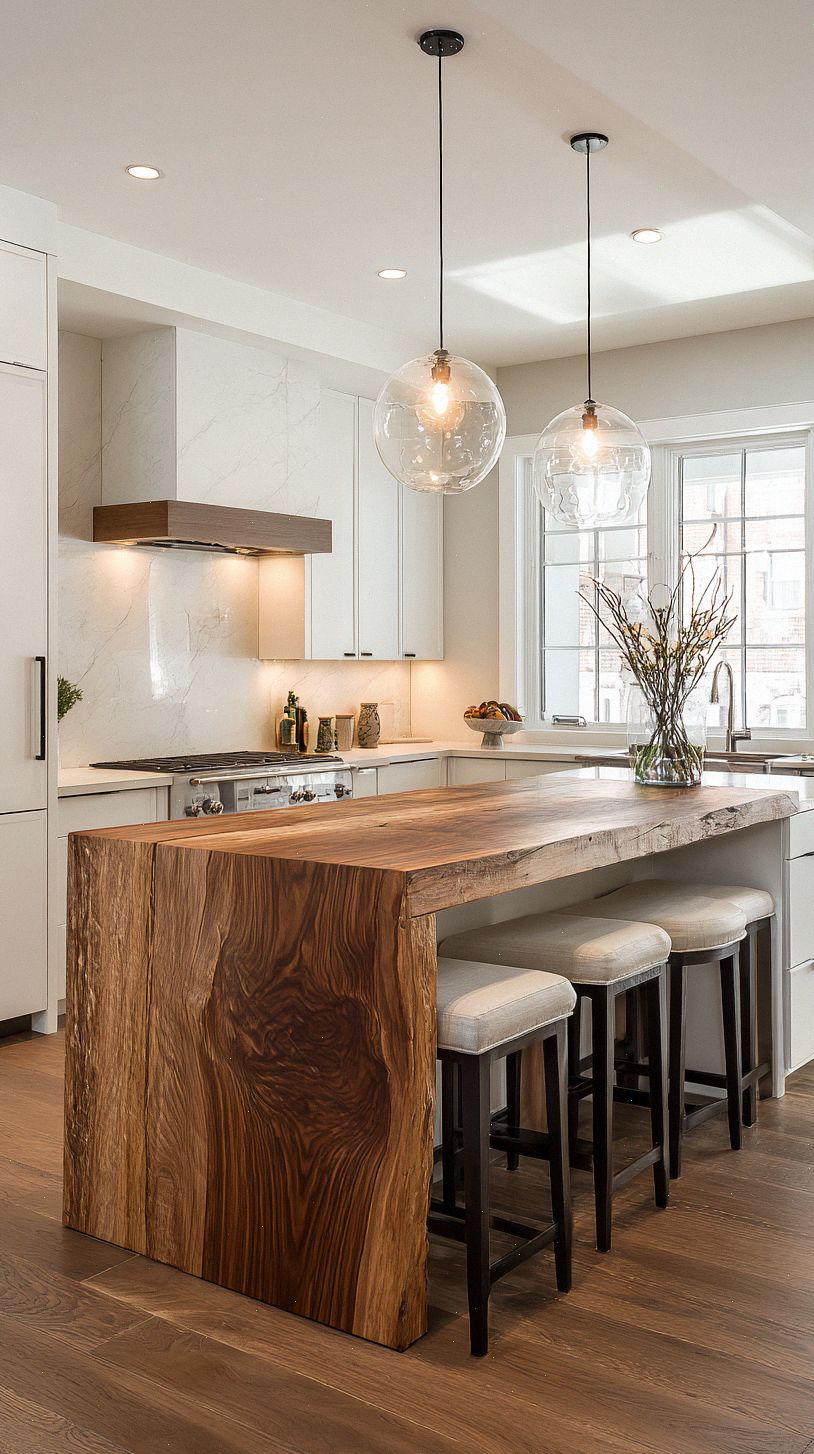
Plan zones so everyday tasks are effortless: pull-out drawers and deep drawers for pots near the range, a dedicated baking drawer or appliance garage, and open shelving or glass doors at eye level for pieces you want to show off. Layer task lighting over prep areas and pendants over the island to guide movement and keep the space feeling calm and usable.
Soft Elements and Styling: Rugs, Seating, and Greenery
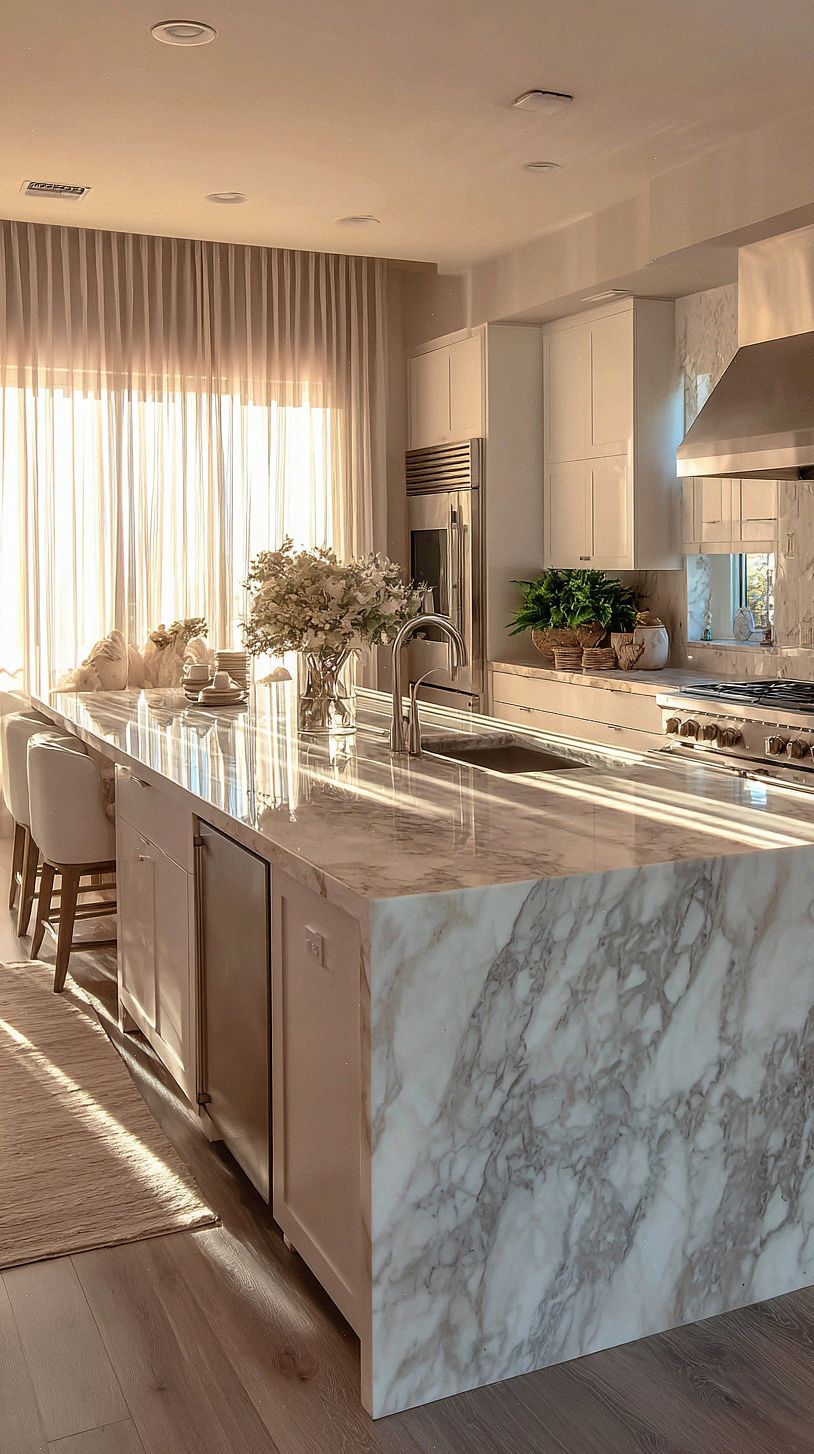
Layering soft elements like a runner or small area rug instantly warms a transitional modern kitchen and grounds the layout. Choose low-pile, washable fibers and a subtle pattern or neutral tone that echoes your cabinetry or countertop, and place it by the sink or along the main work zone to add comfort without interrupting flow.
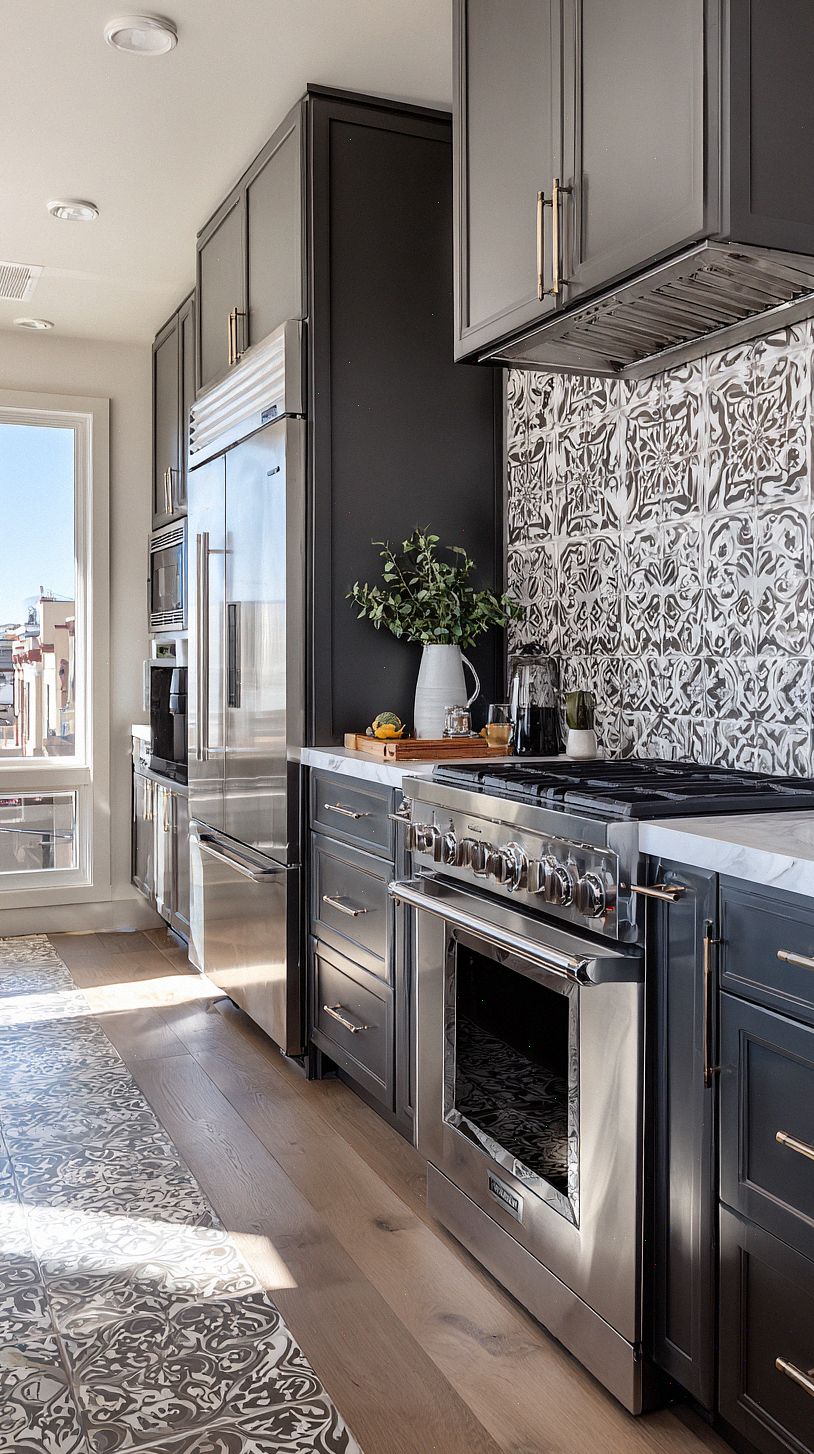
When it comes to seating and greenery, mix materials for a collected look that still feels intentional: pair metal or leather stools with one or two upholstered seats to add softness and invite lingering. Add life with easy-care plants or a trio of potted herbs on the windowsill, using simple ceramic or woven containers to introduce texture that complements the room’s clean lines.
Finishing Touches and Maintenance for Longevity
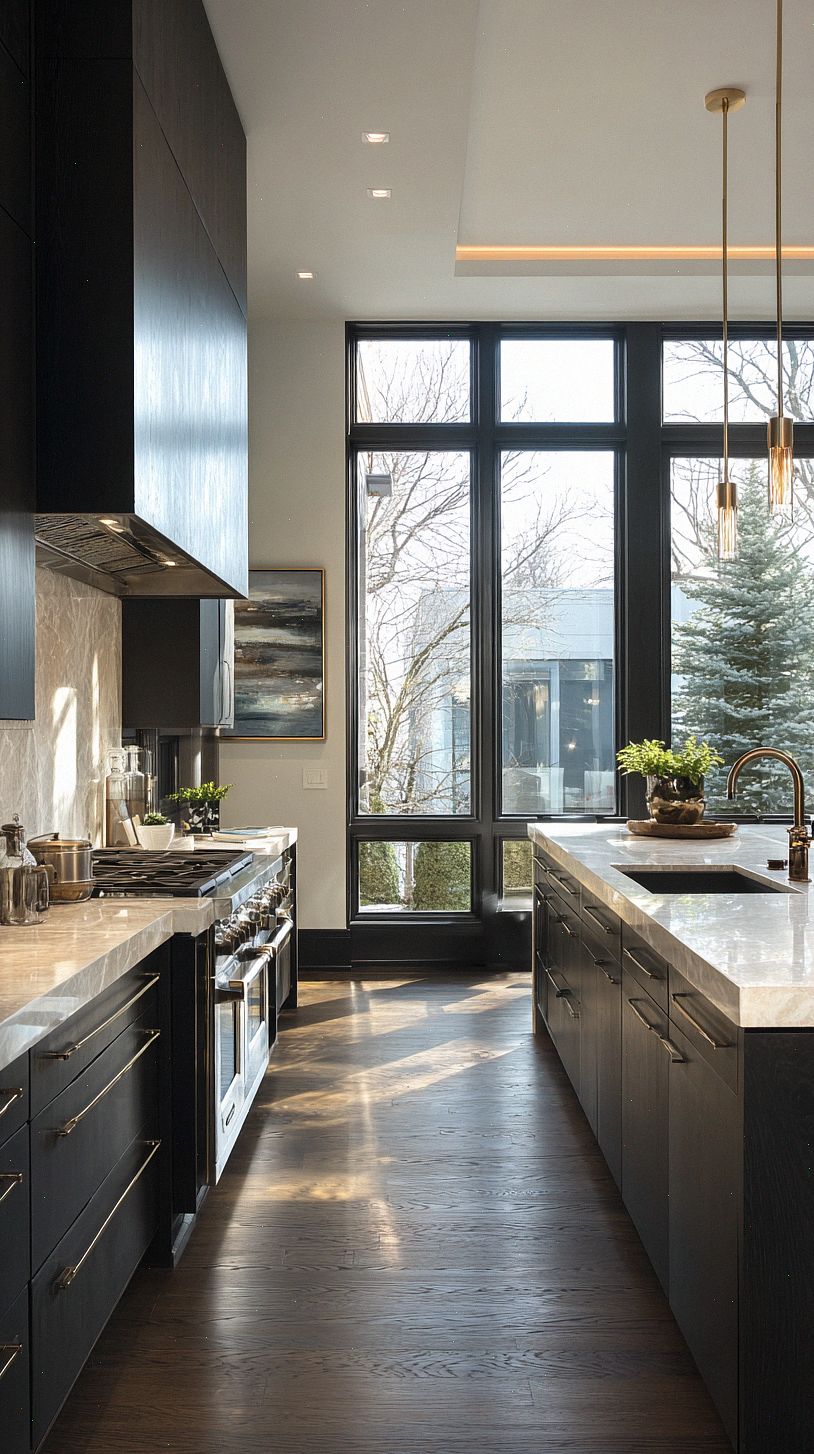
Finish with hardware, lighting and textiles that feel intentional rather than trendy, so you can easily swap small accents as your taste evolves. Choose durable finishes for pulls and faucets, add layered lighting for function and mood, and anchor the space with washable rugs or seat pads in high traffic areas. Keep a can of your cabinet paint and a spare set of hardware on hand so quick touch ups are painless.
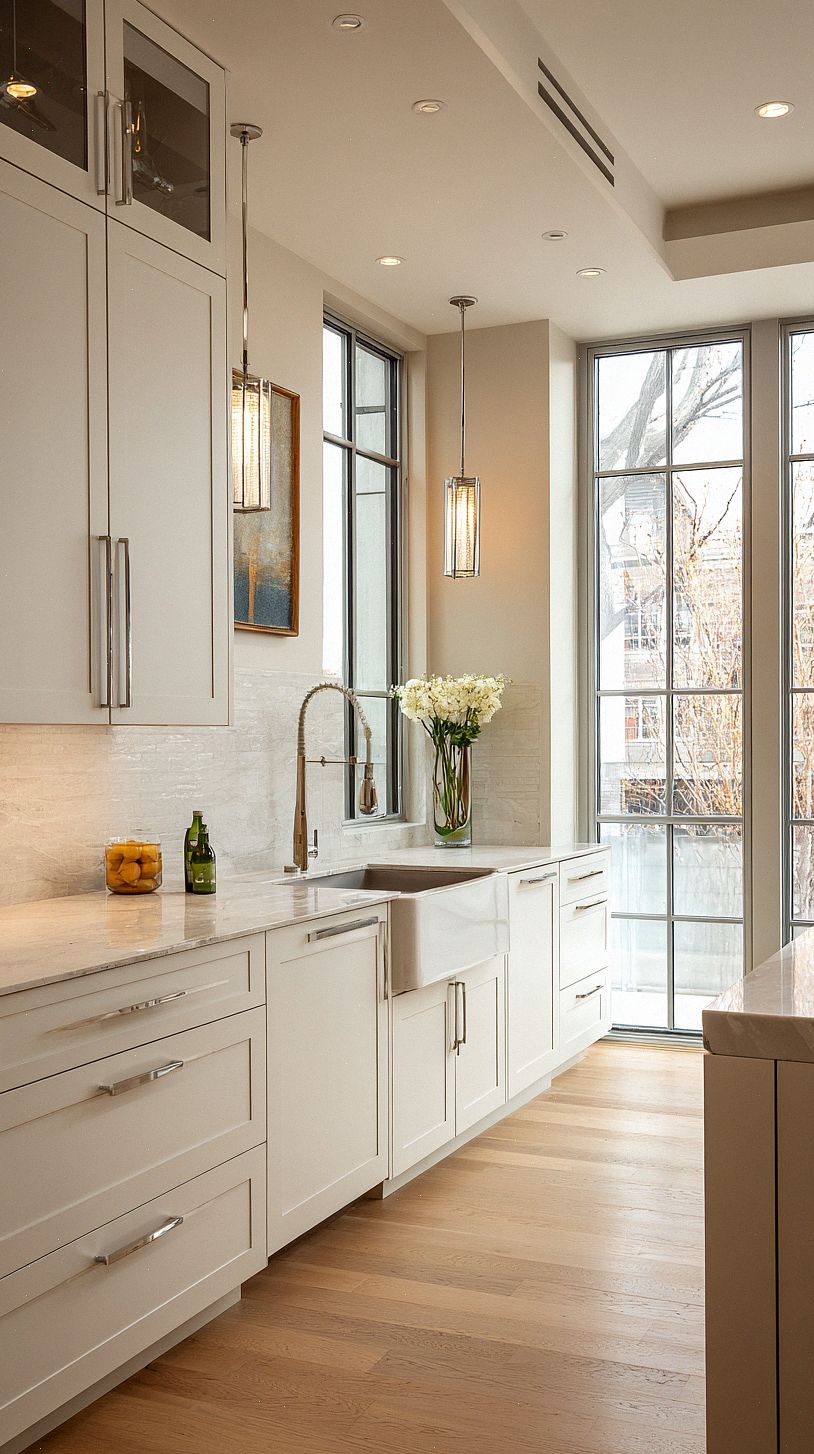
Treat maintenance like simple rituals you actually enjoy, not chores. Wipe spills immediately, use cutting boards and trivets to protect surfaces, reseal stone and re-caulk where grout gaps appear, and clean stainless steel with a microfiber and mild soap. Check soft-close hinges and drawer glides periodically and rotate or wash textiles so everything looks fresh for years.