How to Choose the Perfect Bathroom Vanity for Style and Storage
When we step into a bathroom, the vanity is often the first thing our eyes land on and the last thing we close our door on. It should feel like a deliberate design choice, not an afterthought, while also hiding the chaos of everyday life. Balancing style and storage can feel impossible, but with a few smart decisions we can create a vanity that looks stunning and actually works for our routines.
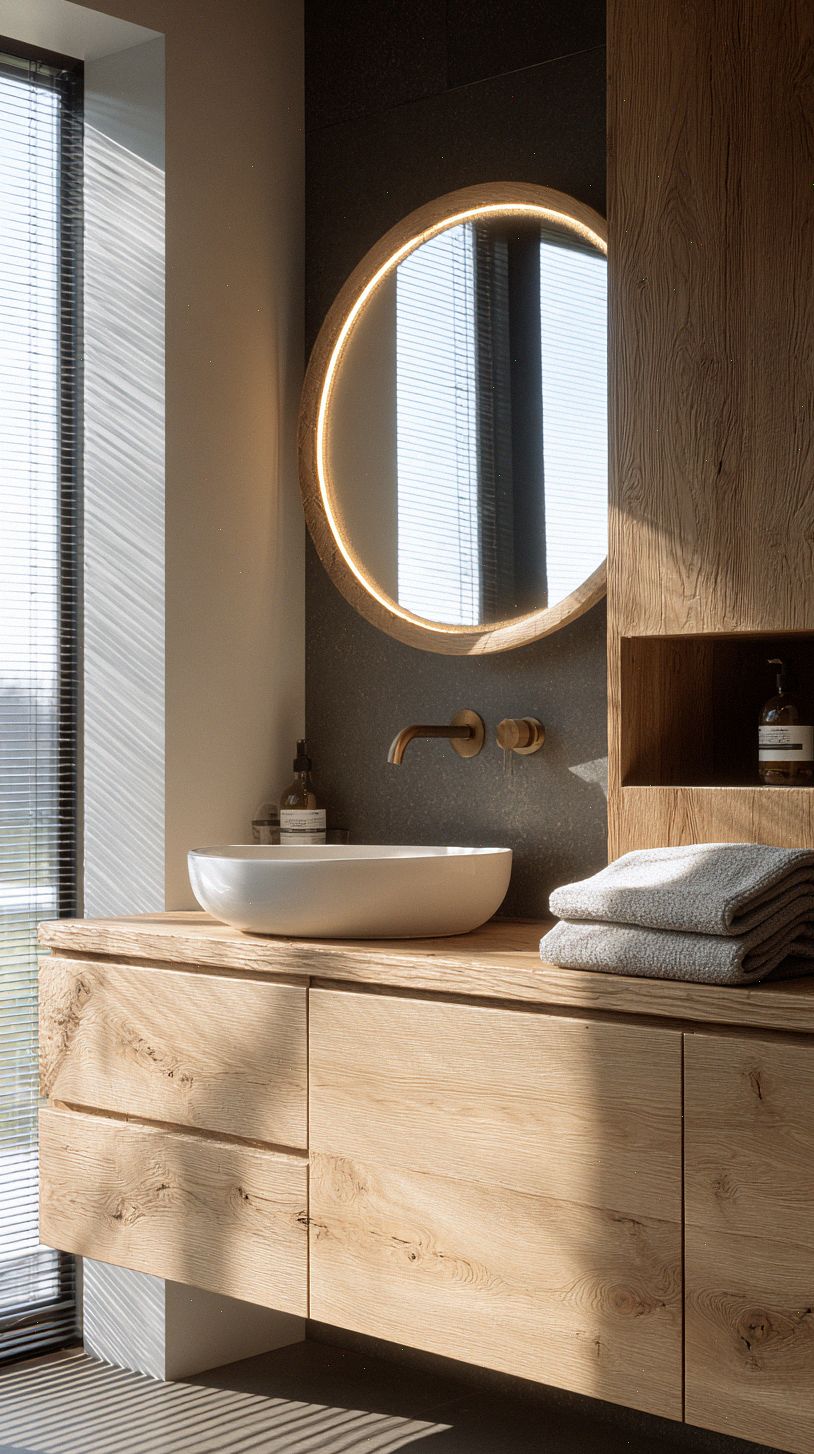
To get there we need to think beyond looks and plan with purpose. We’ll start by assessing what we truly need, measure our space, and explore popular styles from modern to farmhouse so we can match personality with practicality. Then we’ll break down sizes, materials, storage tricks, countertop and sink options, hardware choices, and the budget and installation details that make a beautiful vanity last.
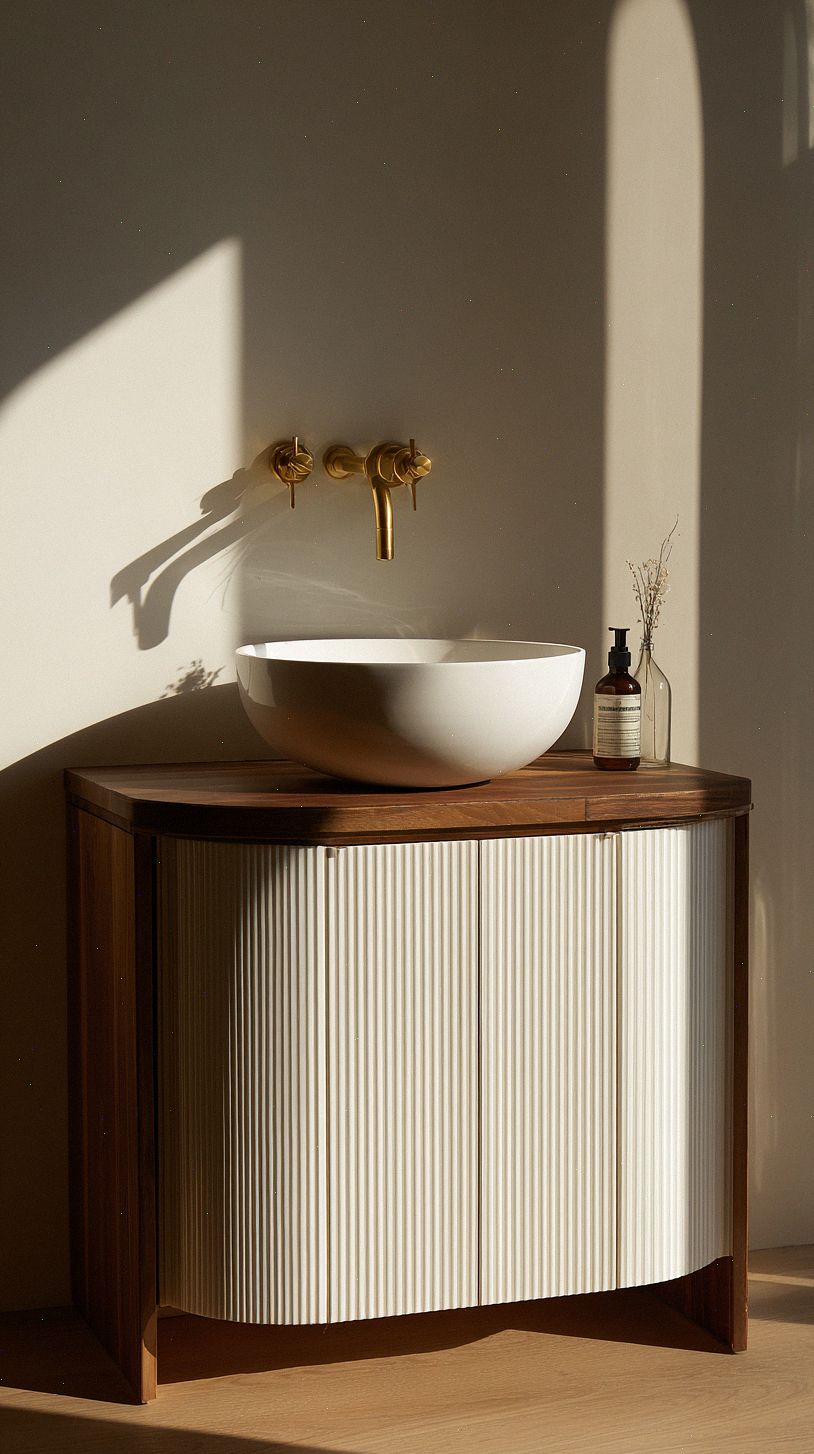
Assess Your Bathroom Needs: Style vs. Storage
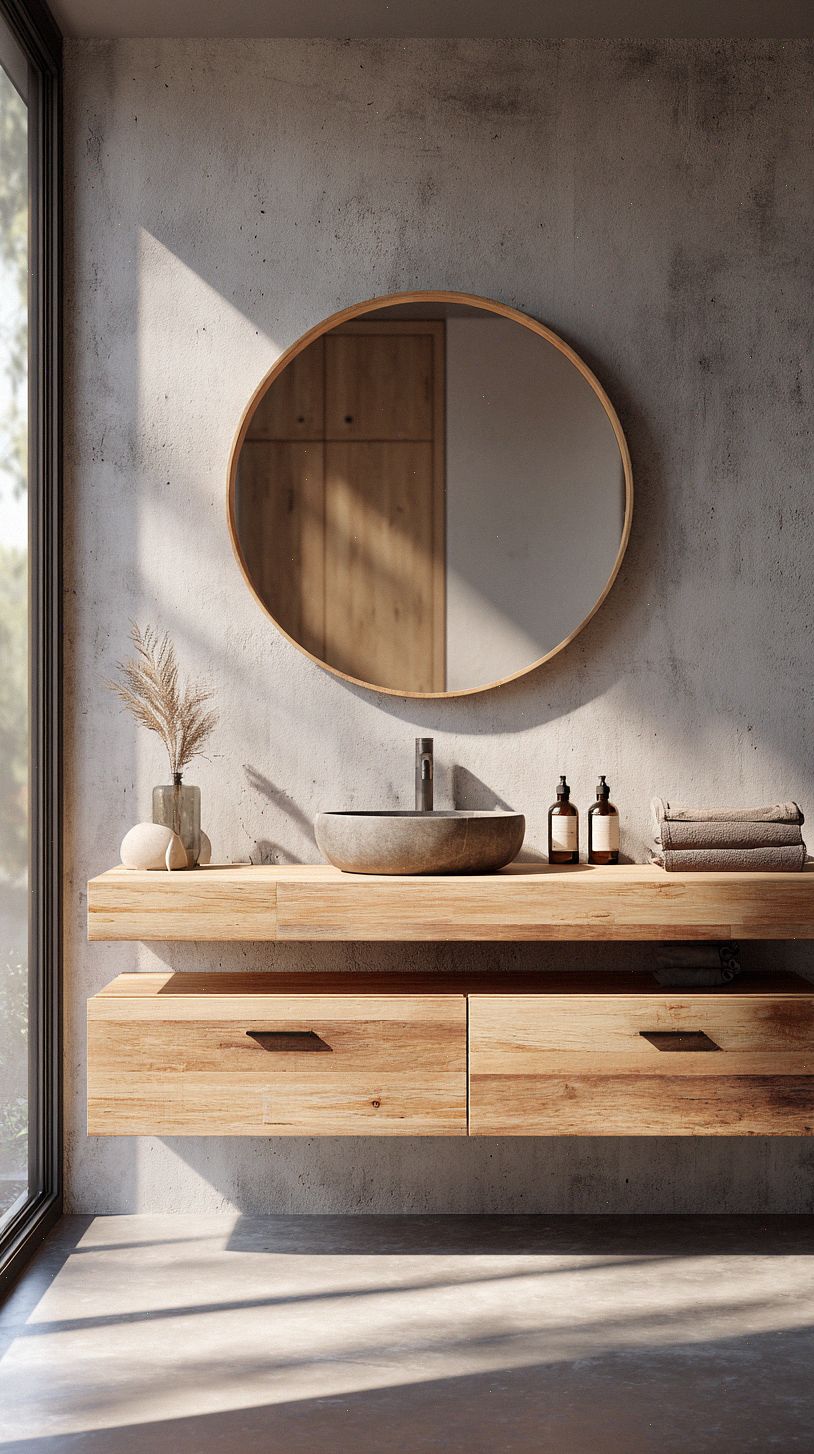
Think about how you actually use the bathroom every day. Are you getting ready with one person or several at once? Do you need space for hair tools, makeup, extra towels, or cleaning supplies? Measure your footprint and note where outlets and plumbing sit so you can match a vanity that offers the right mix of drawers, cabinets, and countertop space without feeling cramped.
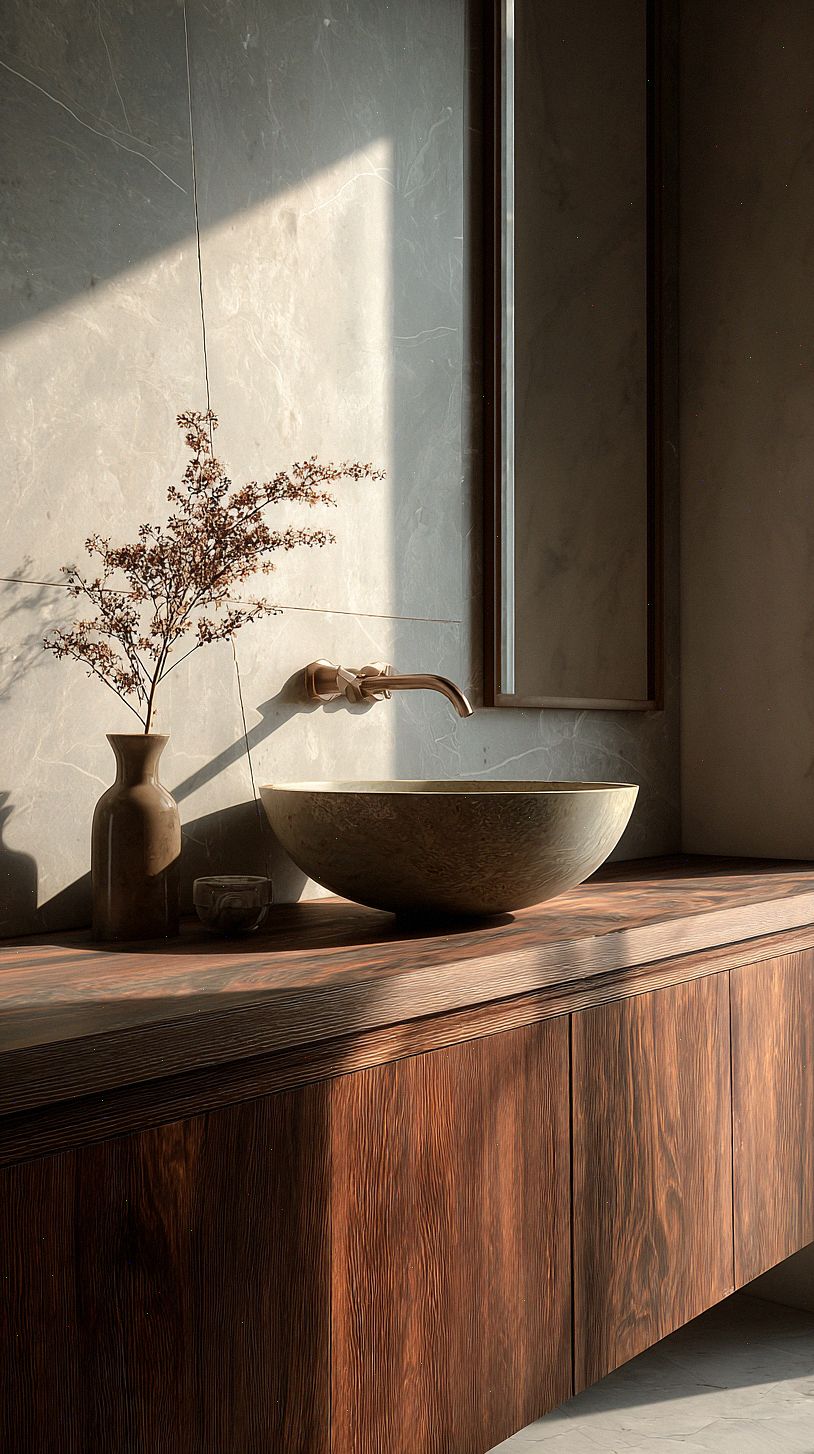
Your style should enhance function, not block it. If you love a minimalist look, choose a floating vanity with deep drawers or built-in organizers to hide clutter. If you prefer something more traditional, pick a vanity with classic doors and add pull-out baskets or shelf dividers to keep things accessible. Focus on the storage features that solve your daily frustrations, then pick a finish and hardware that make the space feel like yours.
Measure Your Space and Plan the Layout
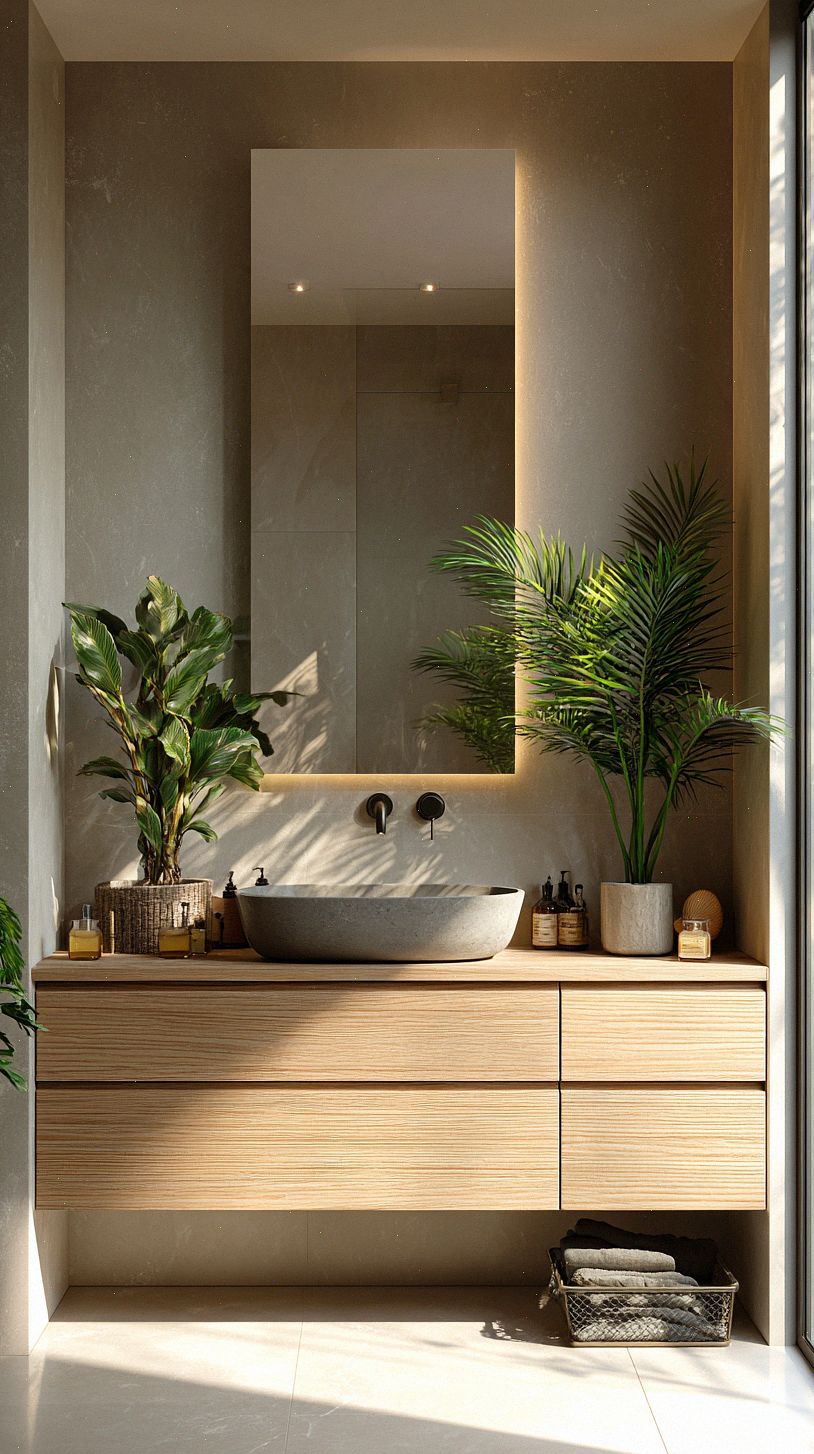
Start by measuring the full room: width, depth, and ceiling height, plus door and cabinet swing and the distance from plumbing stub-outs to walls. Note clearances you need for walking and opening drawers or doors—aim for at least 30 inches of clear floor space in front of the vanity—and mark where the toilet and shower sit so nothing feels cramped when everything is in use.
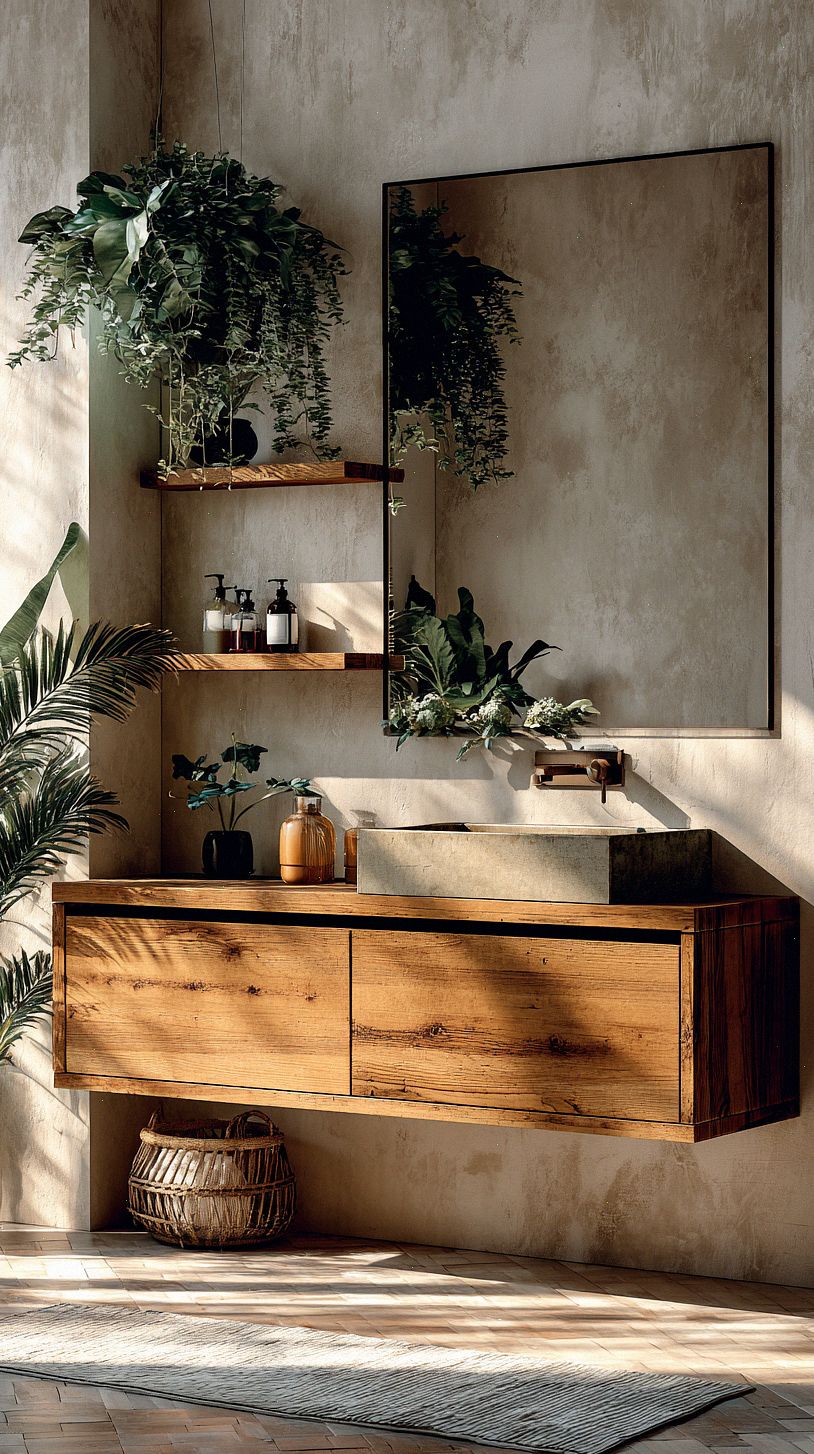
Once you have dimensions, sketch a few layouts so you can compare a single sink, double sink, or a vanity with extra storage. Think about how you use the space: shallow drawers for daily toiletries, deep cabinets for towels, or a wall-hung unit to free up floor space, and place outlets and lighting where they’ll be most practical; taping the footprint on the floor helps you visualize scale before you buy.
Popular Vanity Styles (Modern, Traditional, Farmhouse, Floating)
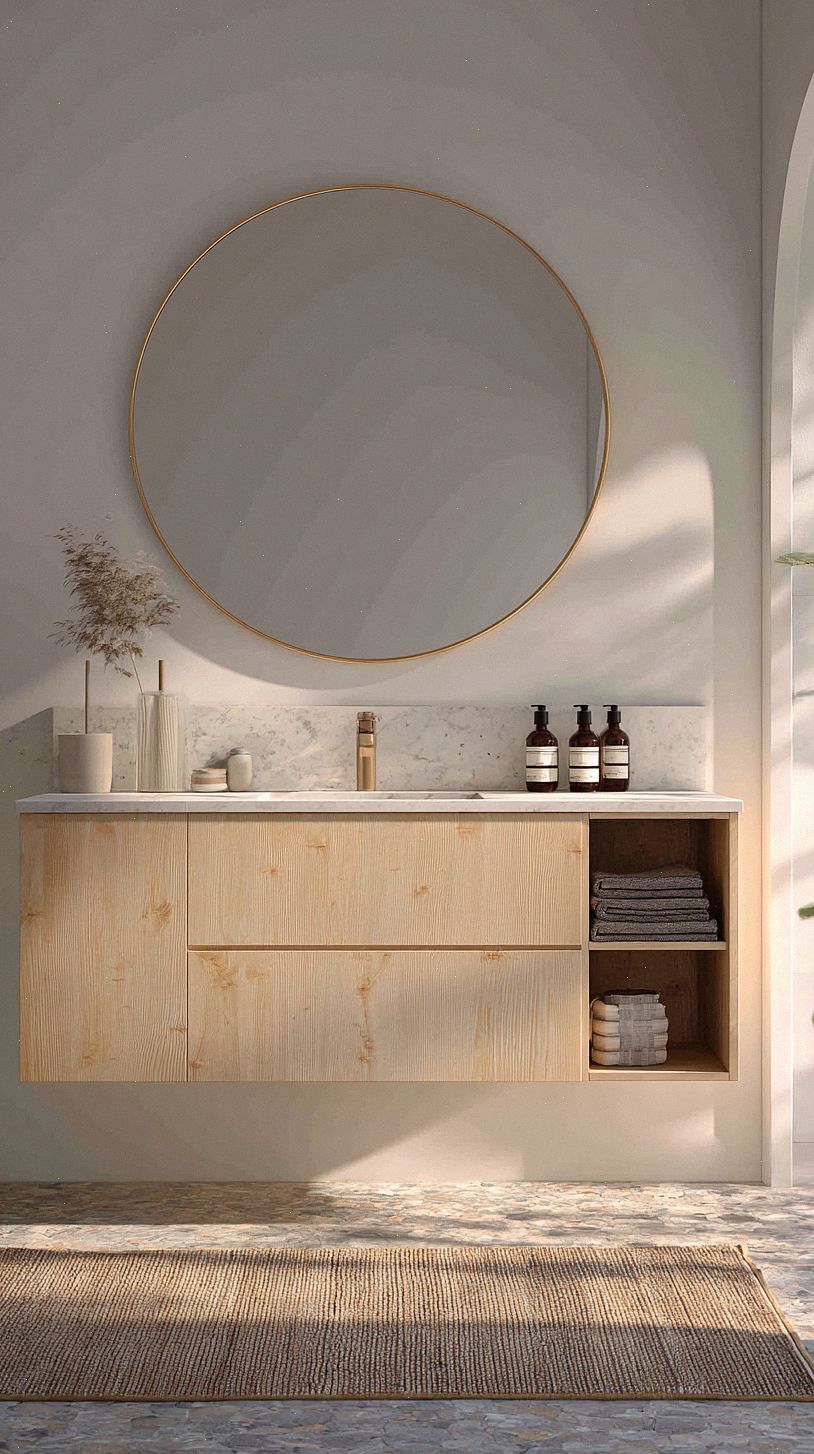
If you love clean lines and a clutter-free look, a modern vanity is your friend. You get sleek finishes, handleless drawers, and clever built-in organizers that keep toiletries out of sight. If you prefer something more classic, a traditional vanity brings raised panels, decorative hardware, and deeper cabinets that hide towels and supplies while adding warmth and detail to your space.
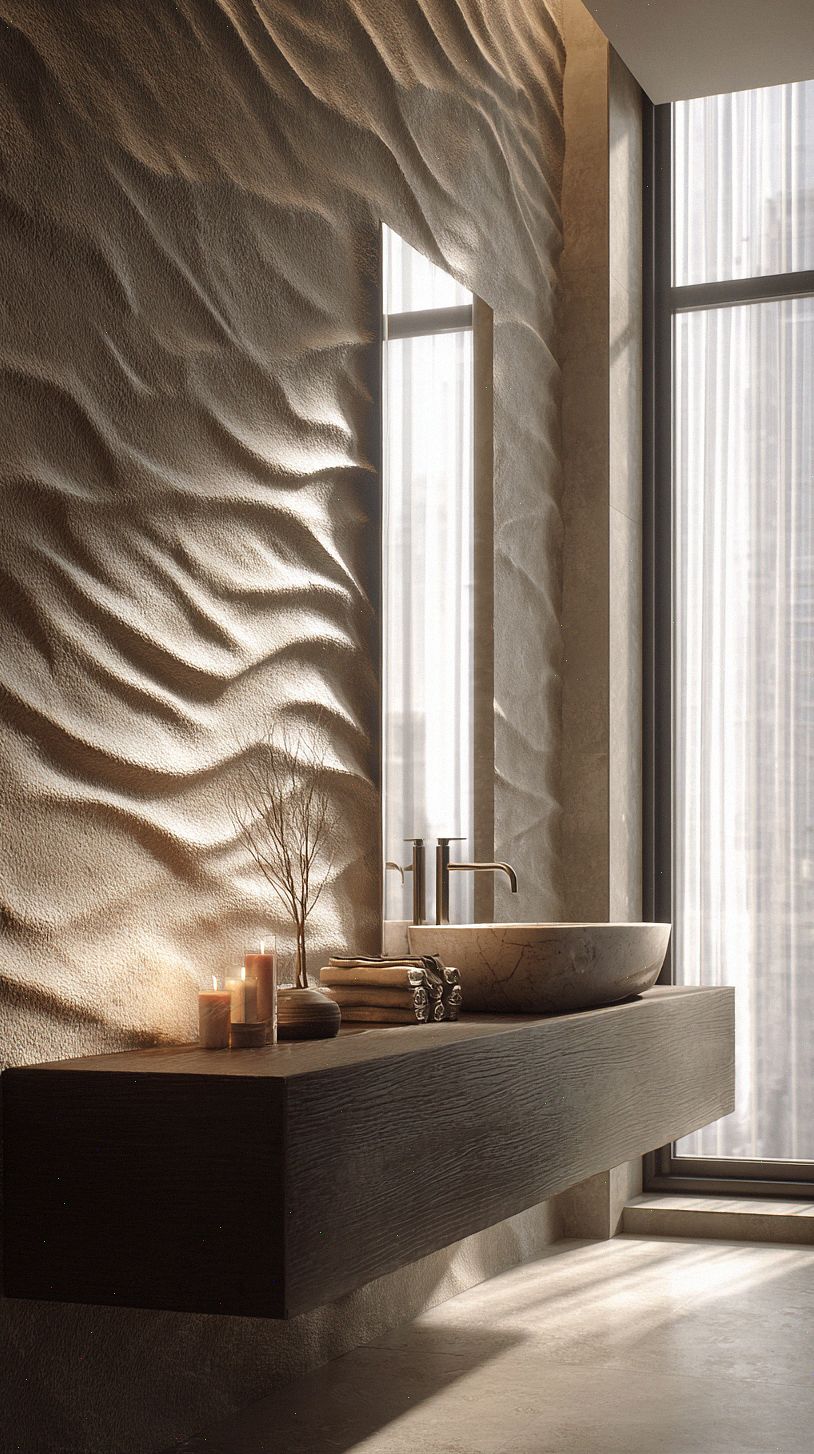
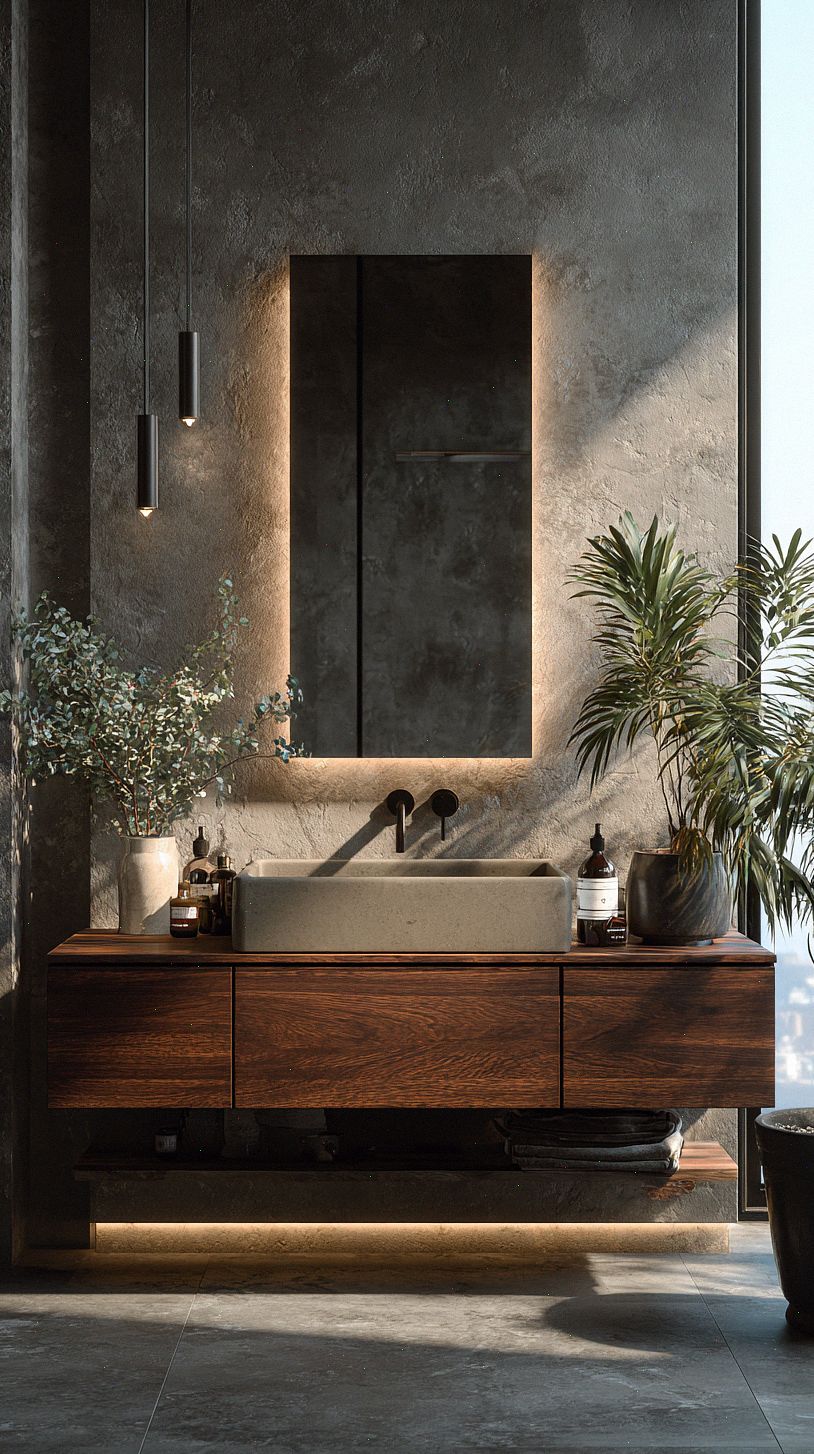
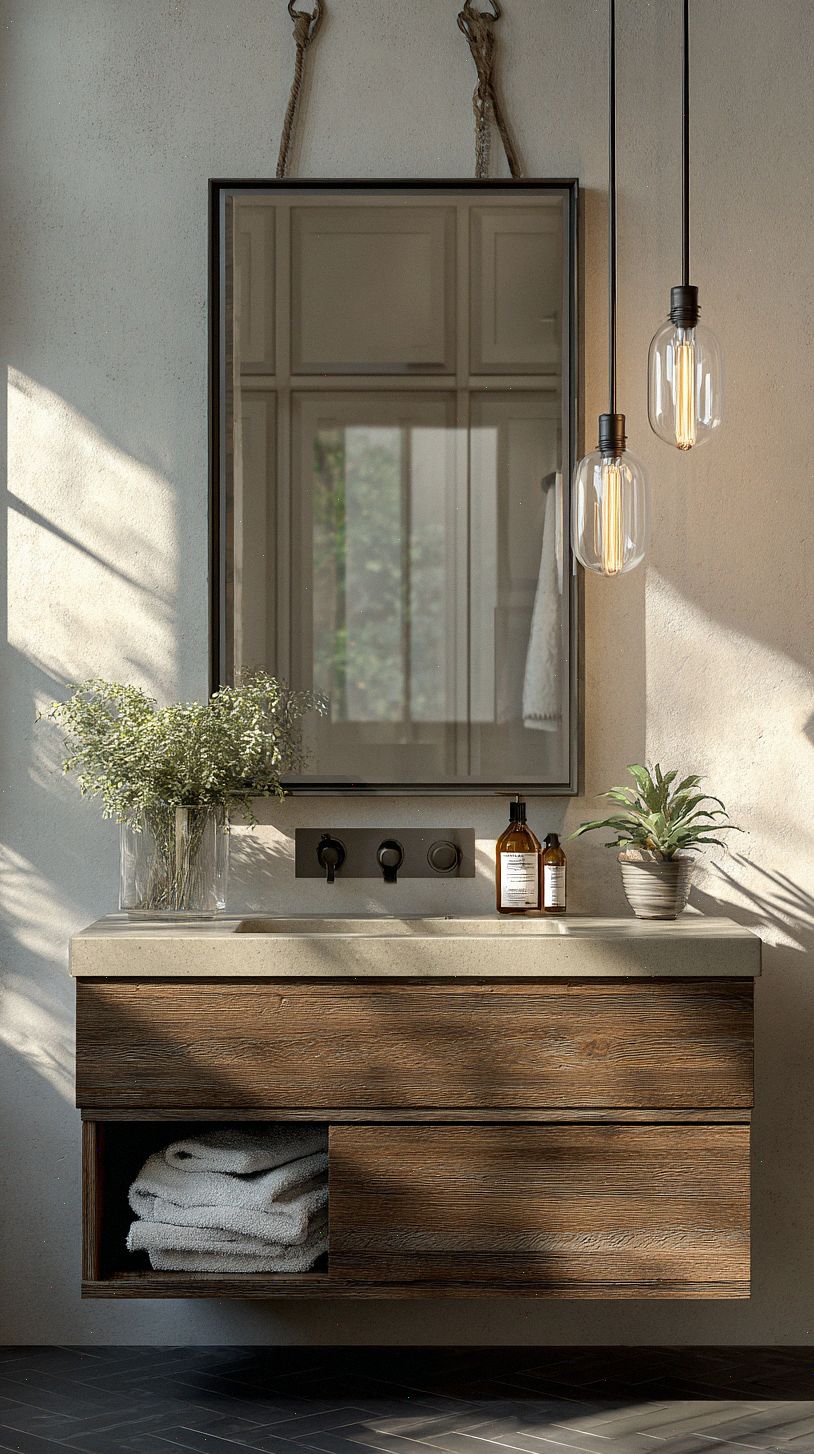
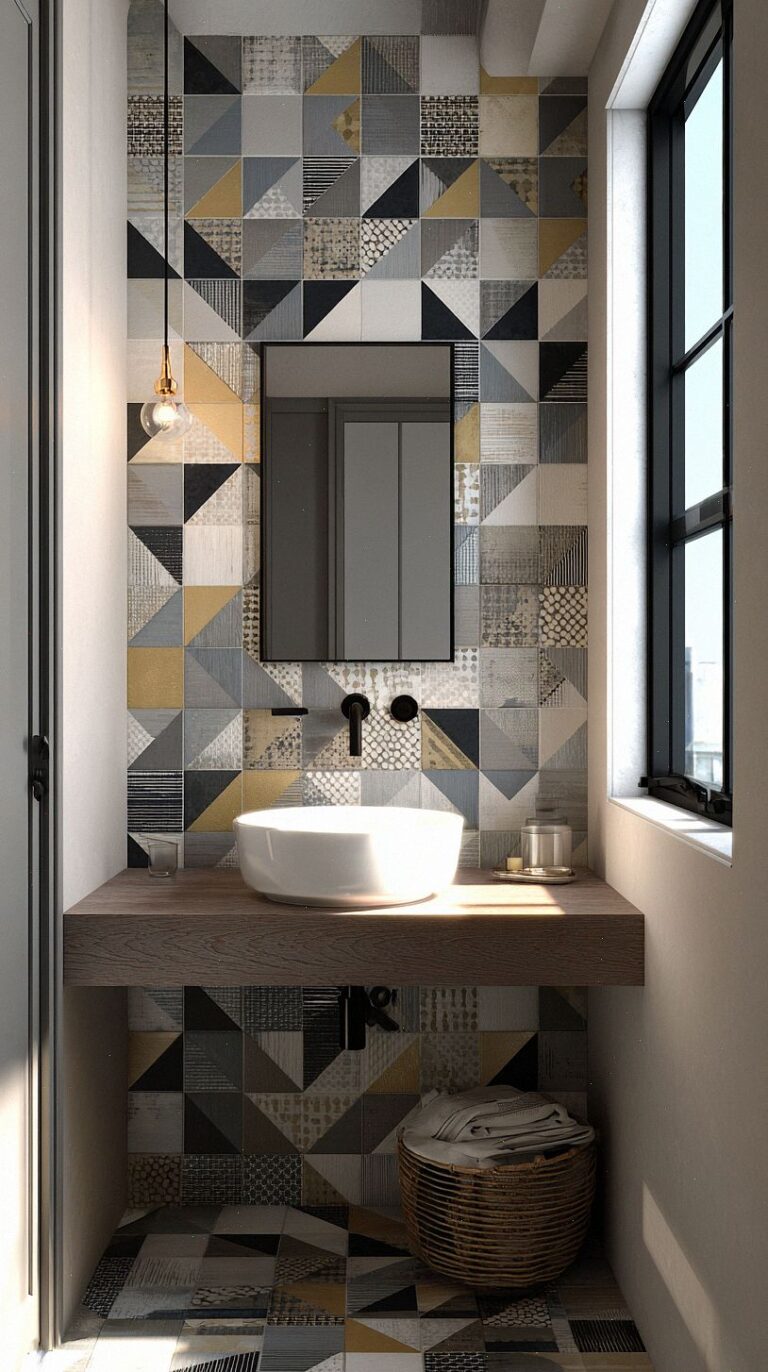
For a cozy, lived-in vibe, farmhouse vanities use rustic wood, shaker doors, and open shelving so you can display baskets and linens. That look balances charm with practical storage but might expose more clutter unless you plan for concealed drawers. Floating vanities give your bathroom a light, spacious feel by mounting on the wall, which is great for small rooms and makes floor cleaning easier; just plan for sturdy support and choose models with deep drawers or integrated niches if you need more hidden storage.
Choosing the Right Vanity Size and Configuration
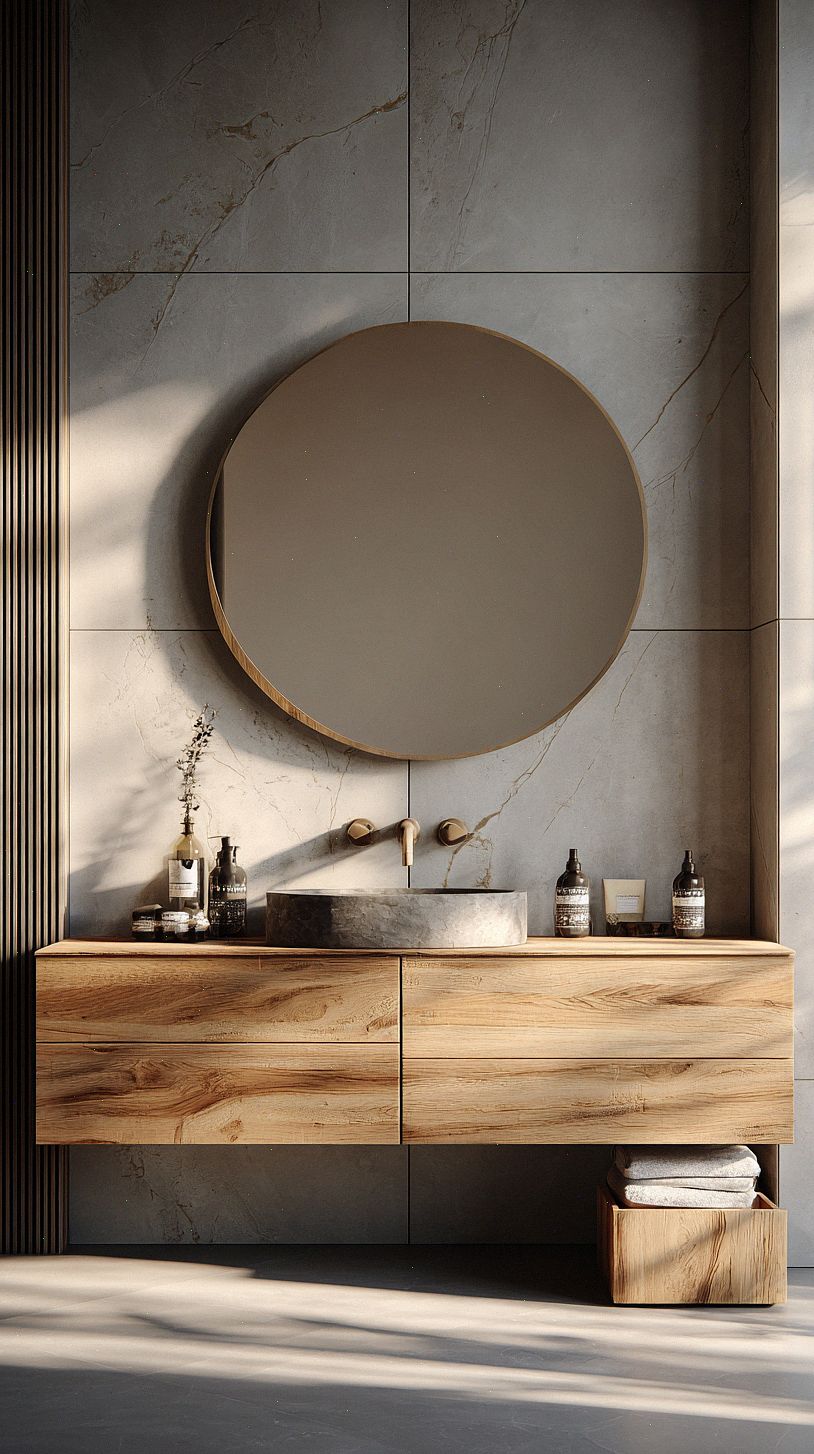
Start by measuring your space and thinking about how you move in it. Note the width, depth, and required clearances for doors and drawers so the vanity won’t block a toilet or shower door. Match the vanity scale to the room: a compact wall-mounted or 24 to 30 inch unit works great in small bathrooms, while a 48 to 72 inch double-sink vanity gives more counter space and storage in larger rooms.
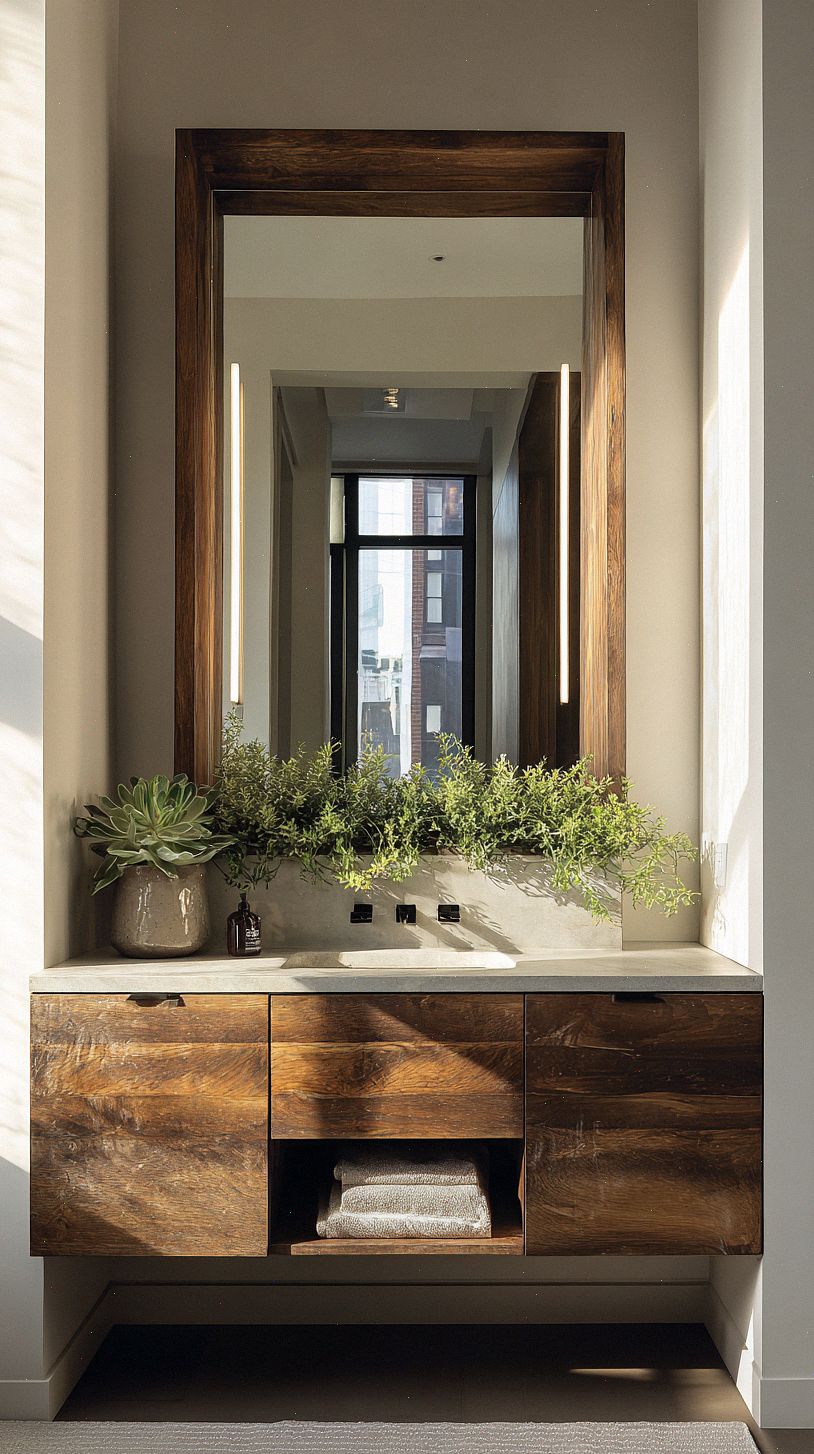
Pick a configuration based on what you actually store and how you like to organize. Drawers make daily items easy to access, cabinets hide bulkier supplies, and open shelving or niche cubbies can display towels or baskets. Remember plumbing and sink style affect usable storage below the countertop, so choose sinks and internal layouts that fit your routine.
Materials and Finishes: Durability Meets Design
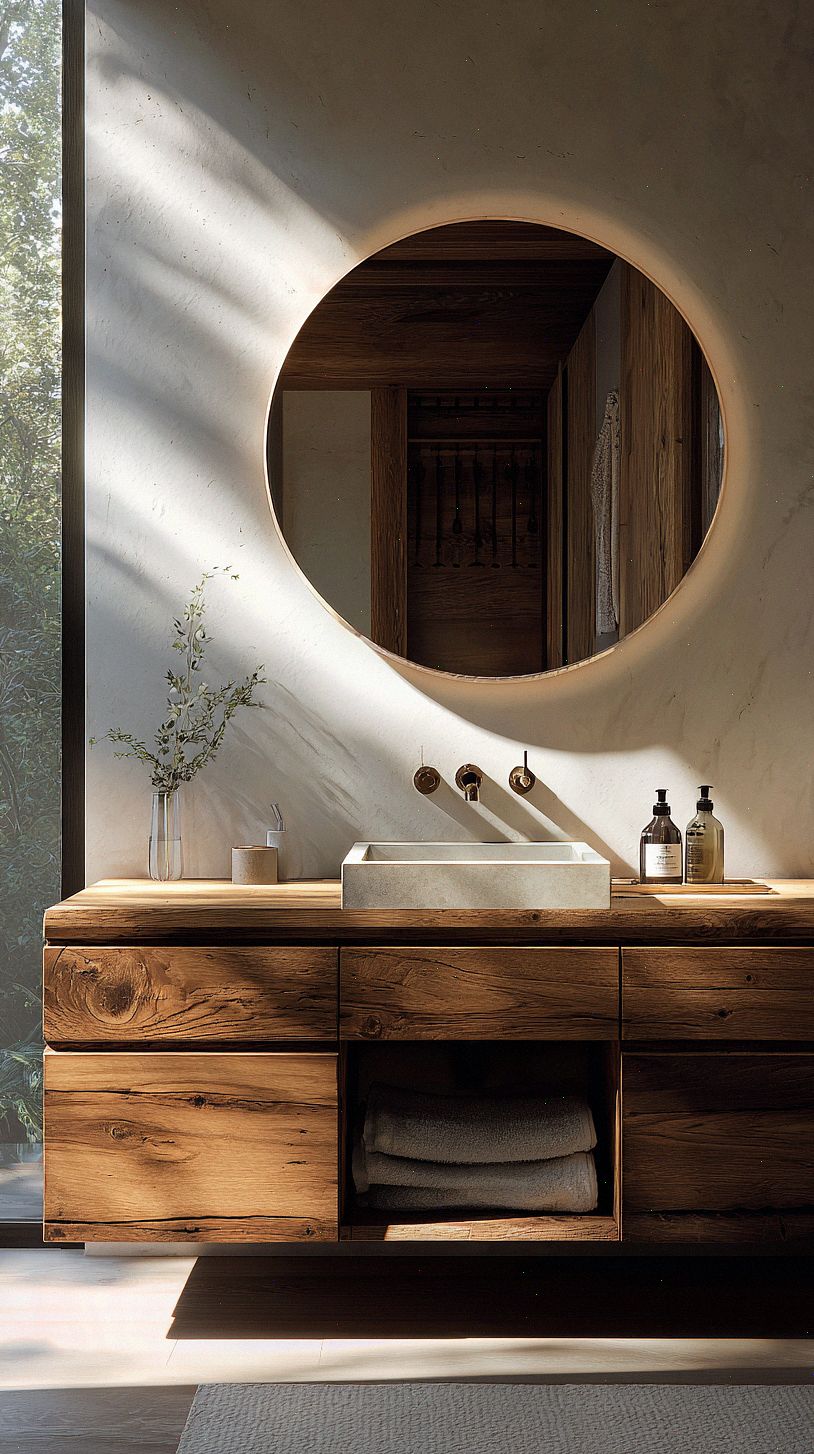
Think about what your bathroom will actually face: humidity, splashes and daily use. Go for plywood or hardwood veneers for the cabinet box because they resist warping better than particleboard, and choose engineered stone or quartz for countertops when you want low maintenance and long life. If you love the look of real marble, be prepared to seal and upkeep it, while laminates and solid surface tops give you durable, budget-friendly options that are easier to live with.
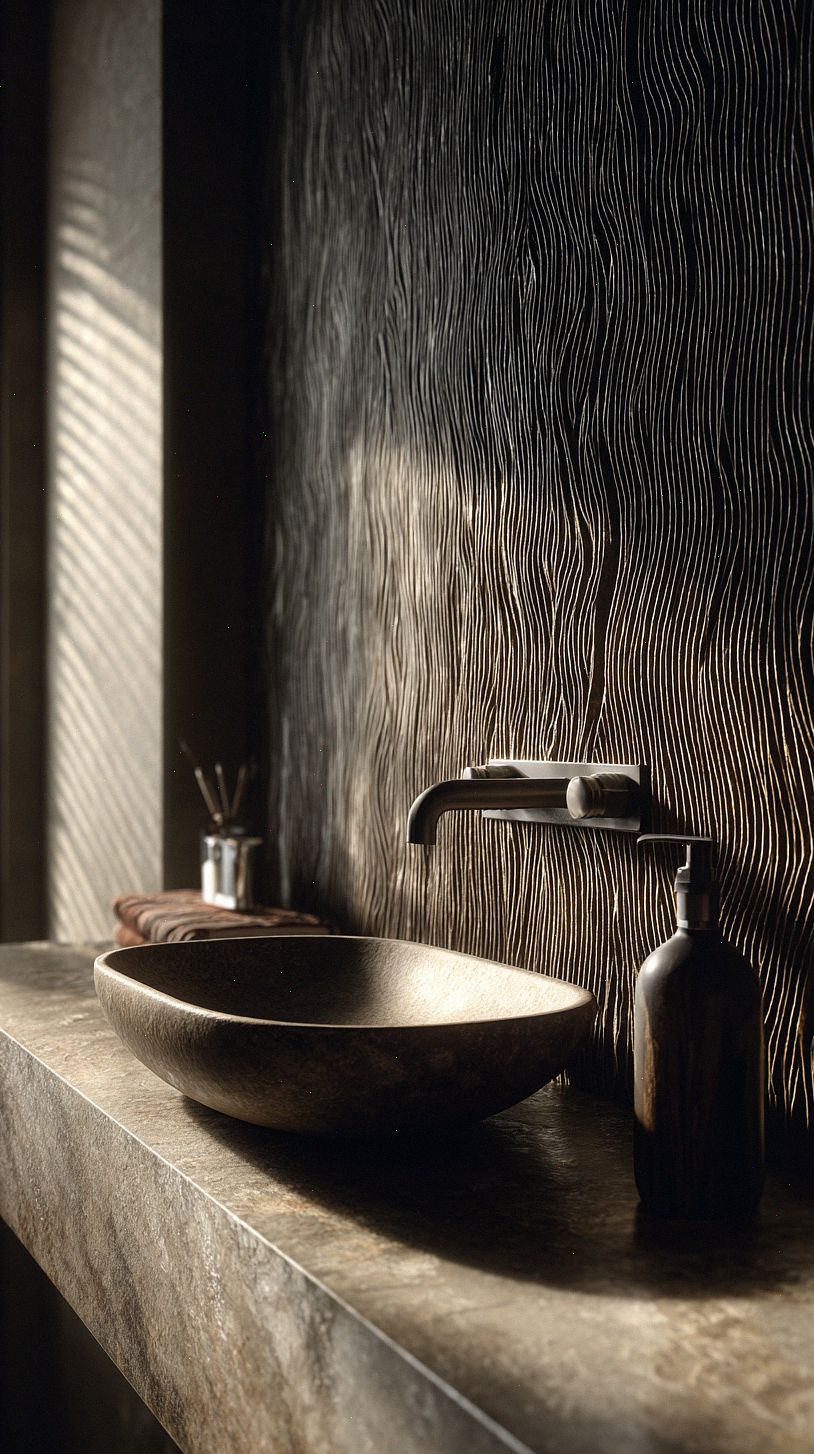
For finishes, pick something that hides wear and cleans easily. Matte or satin paints disguise fingerprints better than high gloss, while clear lacquer or water-resistant sealers protect stained wood. Also match hardware and edge profiles to the finish so the look stays cohesive, and bring a sample home to see how the color and texture hold up in your bathroom light.
Smart Storage Solutions: Drawers, Shelves, and Organizers
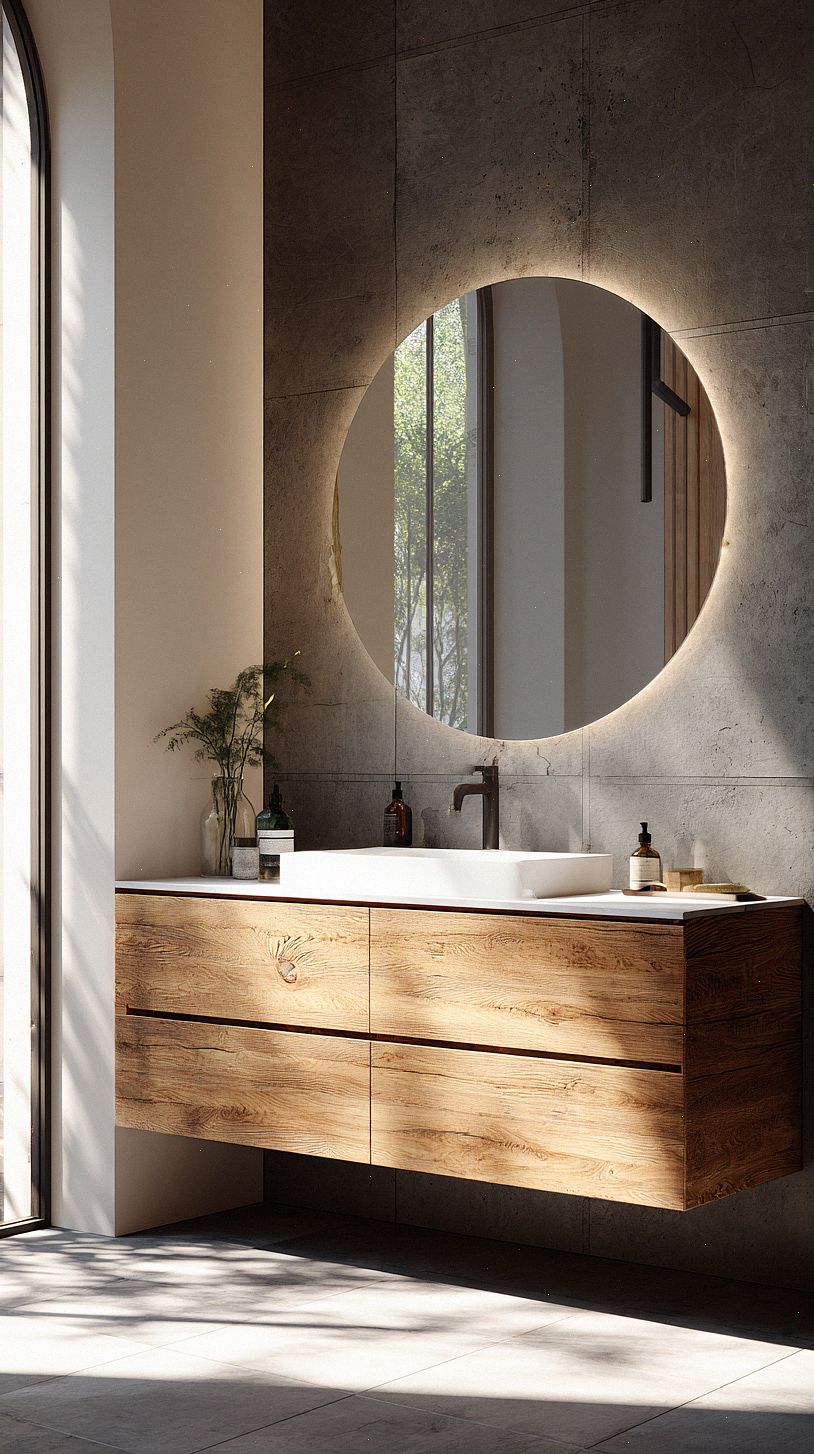
Choose drawers with purpose. Shallow top drawers are perfect for daily essentials like toothbrushes and makeup while deeper, full-extension drawers hold towels and bulkier supplies. Look for soft-close slides and built-in dividers or removable trays so your items stay visible and accessible instead of getting lost in the back.
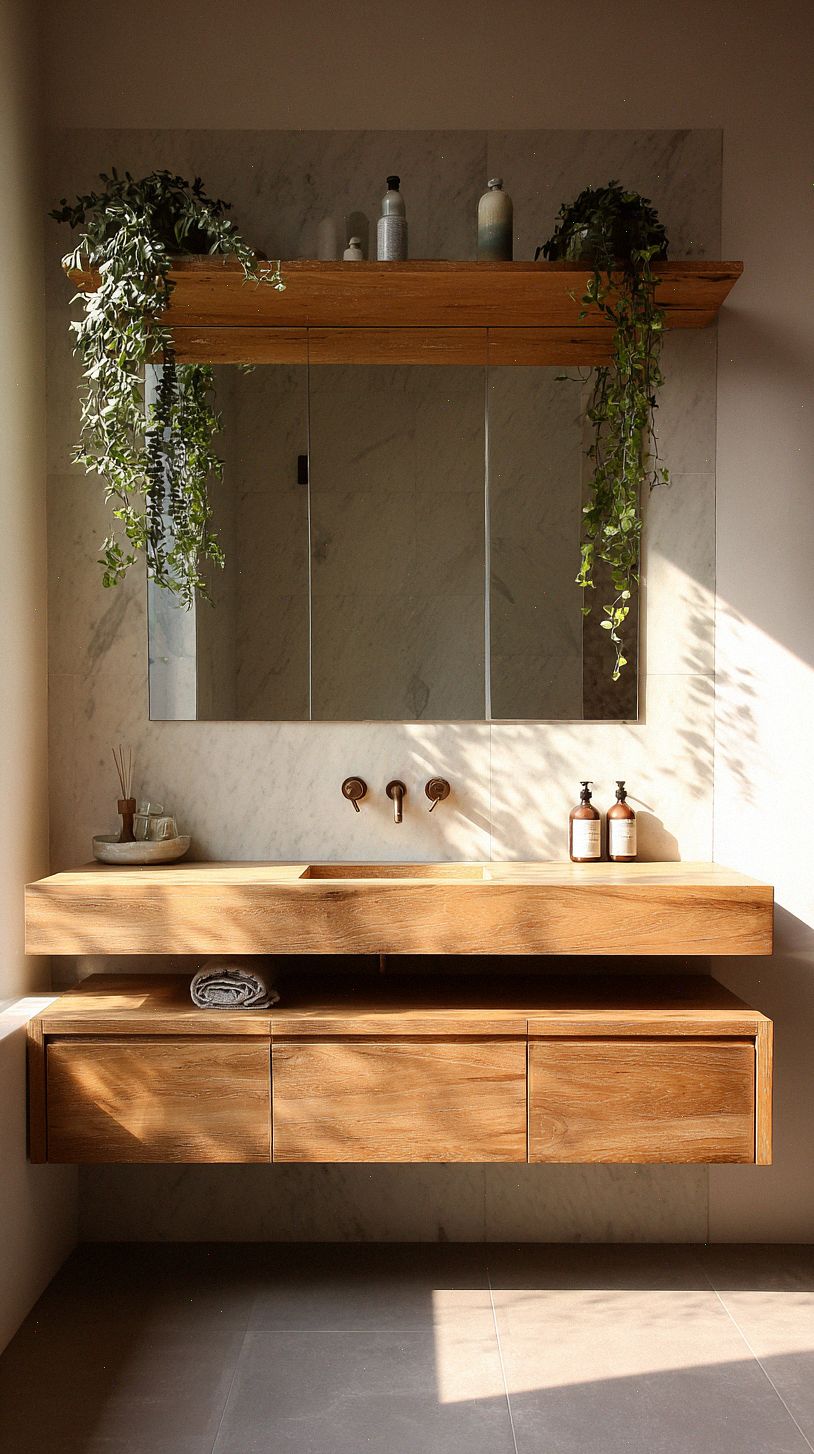
Pair shelves and organizers to match how you use the space. Adjustable or pull-out shelves let you fit tall bottles and cleaning supplies, while clear bins, wire baskets, or a lazy Susan keep everything tidy under the sink. Mix open shelving to display pretty towels and closed storage to hide clutter so your vanity stays both stylish and functional.
Countertops and Sink Types (Integrated, Vessel, Undermount)
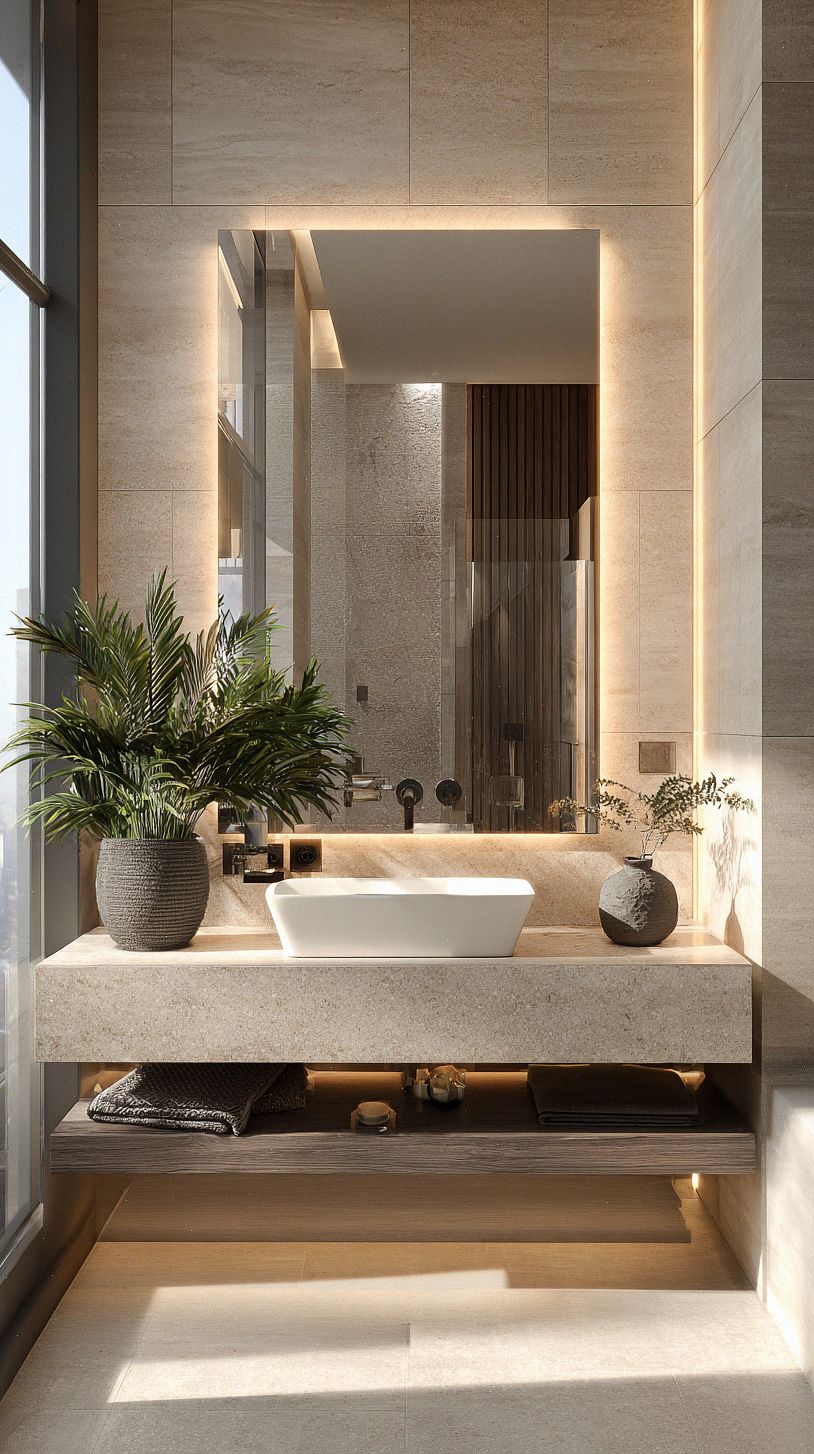
Choose a countertop and sink combo that matches how you use the space. Integrated sinks (one-piece with the countertop) give you a seamless, low-maintenance look and are great if you want easy cleaning and a minimalist vibe; they can be pricier and harder to replace, but they maximize usable surface without a lip catching water. Undermount sinks sit beneath the counter for a sleek, modern feel and let you wipe messes straight into the bowl, plus they pair well with solid surfaces like quartz for durability and easy maintenance.
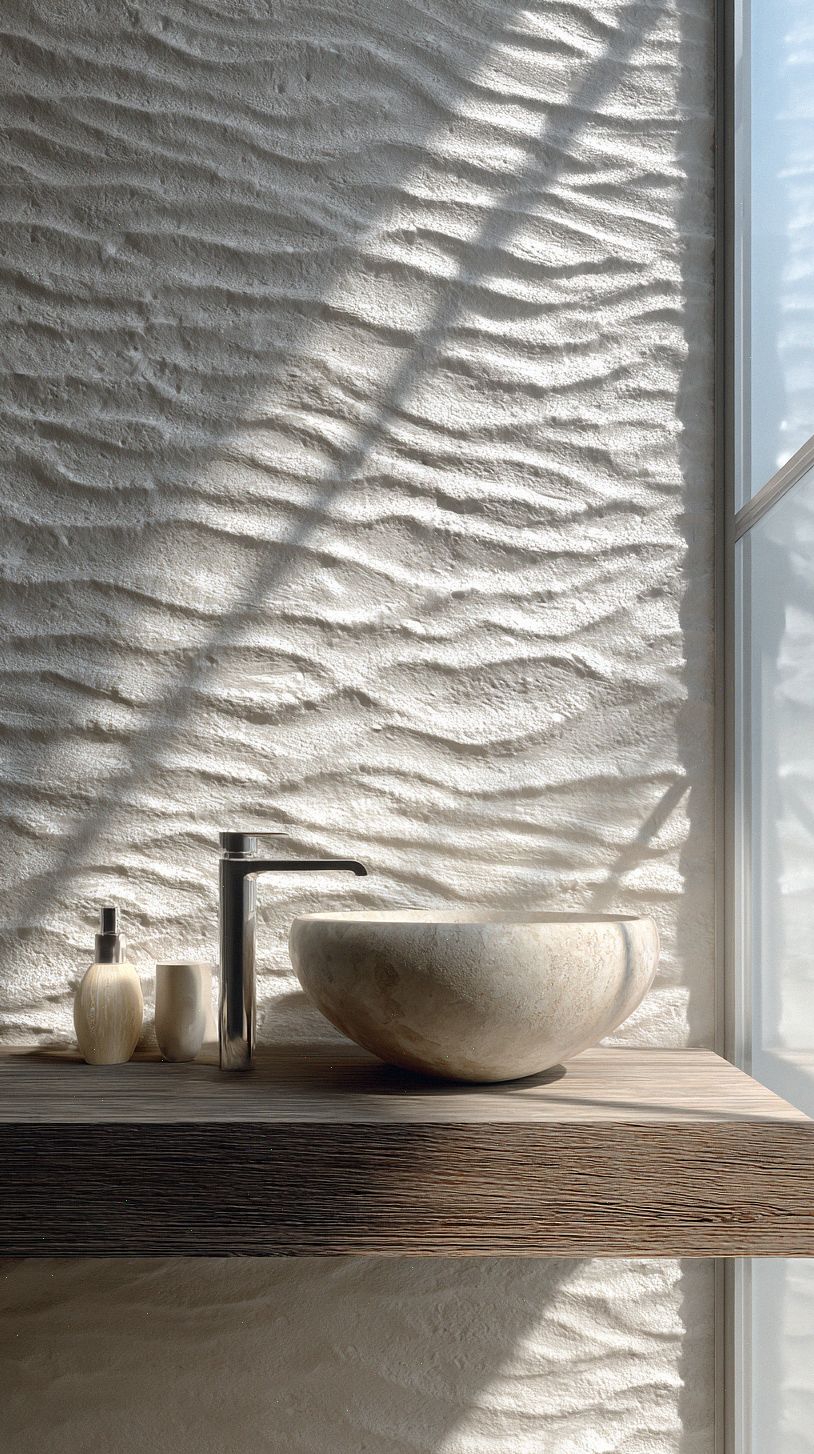
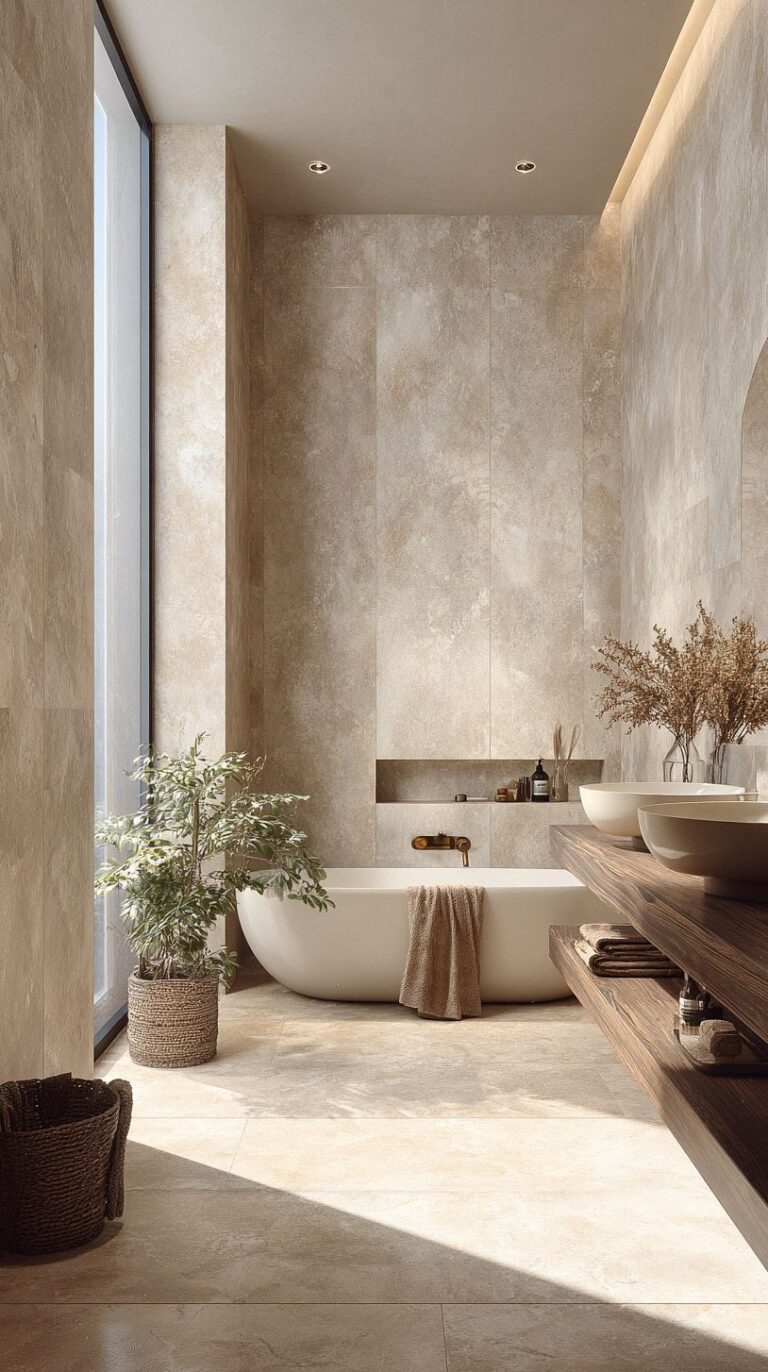
If you love a bold look, a vessel sink sits on top of the counter like a decorative bowl and instantly becomes the room’s focal point, but it does eat up counter space and affects faucet height and ergonomics. Think about how much countertop you need for daily items and whether you want plumbing hidden inside drawers or displayed beneath the sink; your choice will shape both the style and storage layout of the whole vanity.
Hardware, Faucets, and Finishing Touches
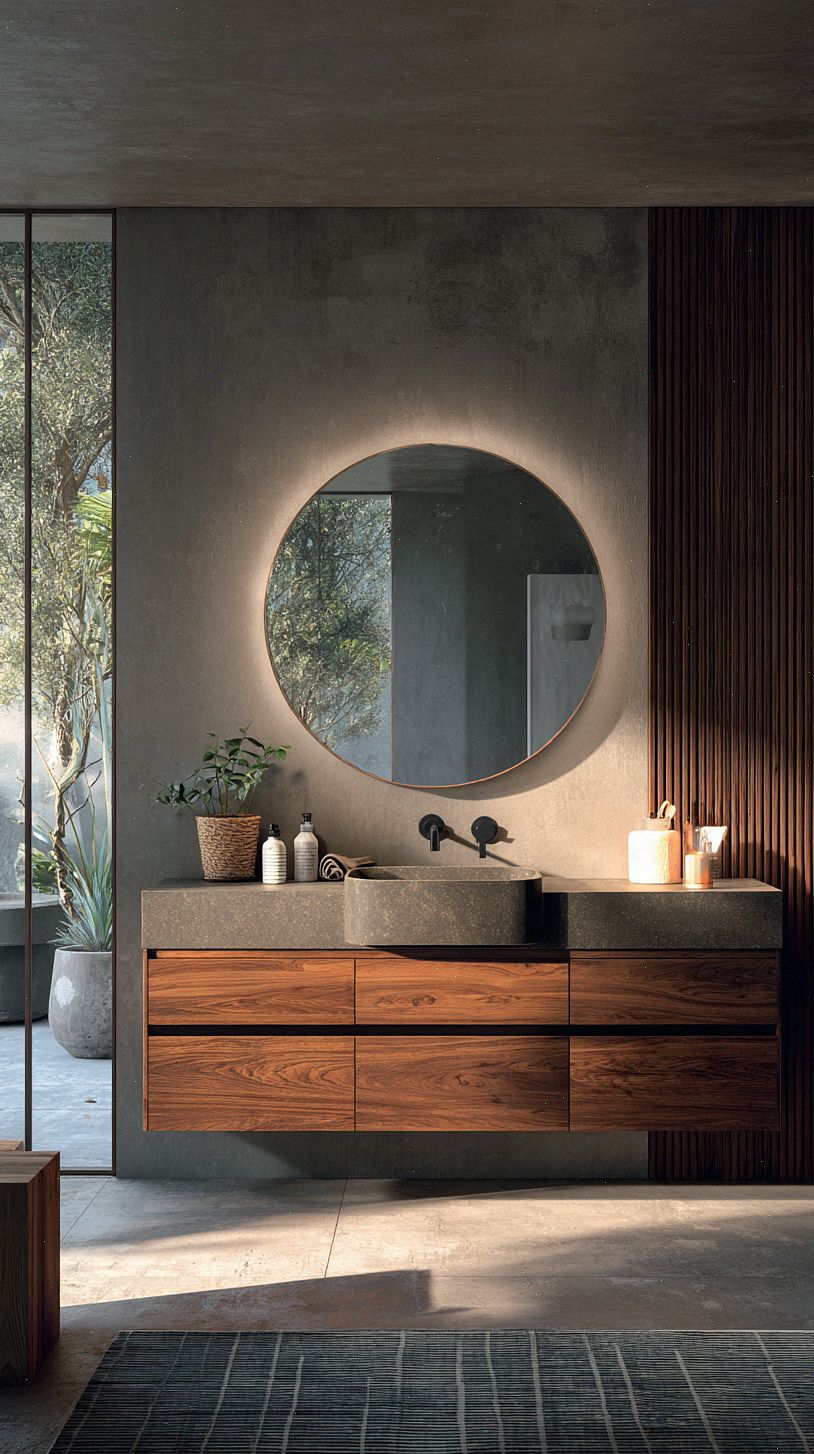
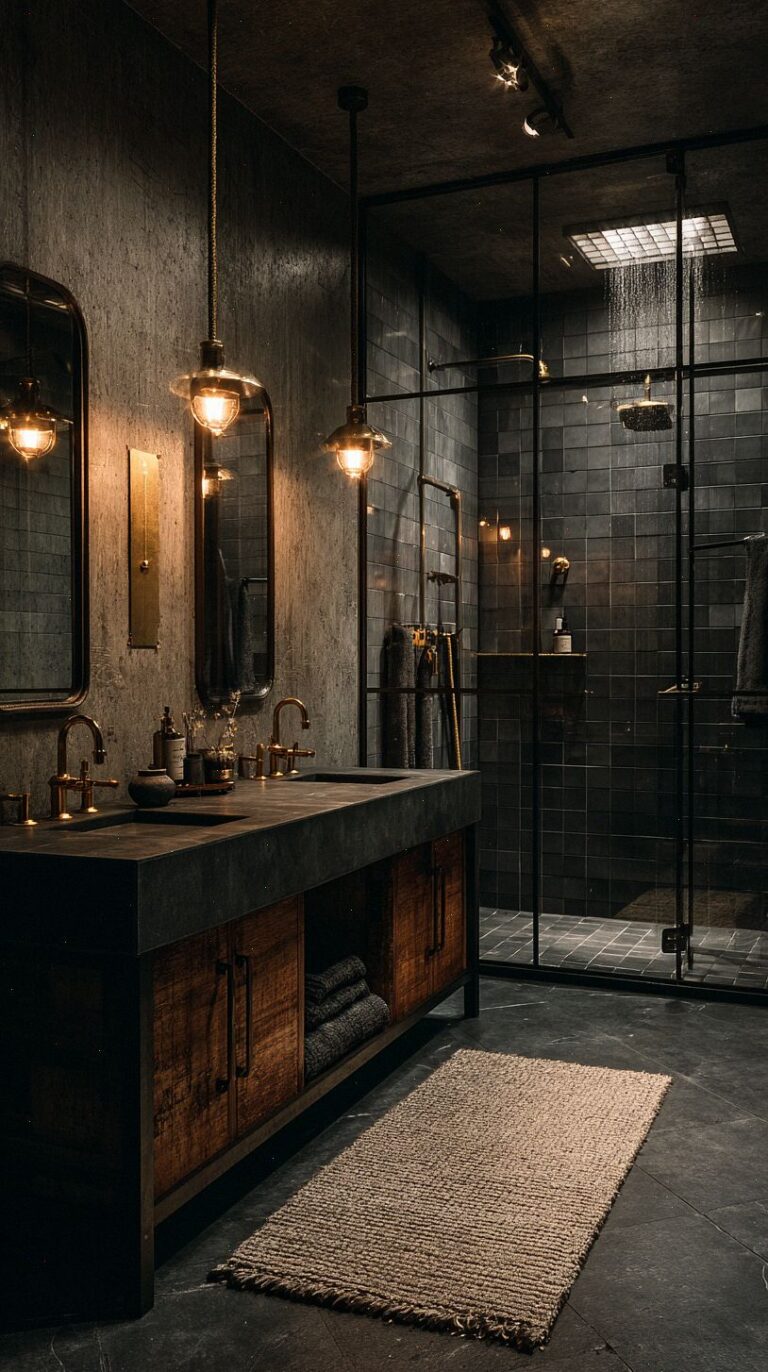
Think about hardware as jewelry for your vanity. Knobs feel casual and approachable while pulls read more modern or traditional depending on shape, and the size should feel proportional to your drawers and doors so opening feels effortless. Finish matters as much as style: brushed finishes hide fingerprints, polished metals add sparkle, and you can mix metals subtly by repeating one finish in taps and another in towel bars for a layered look.
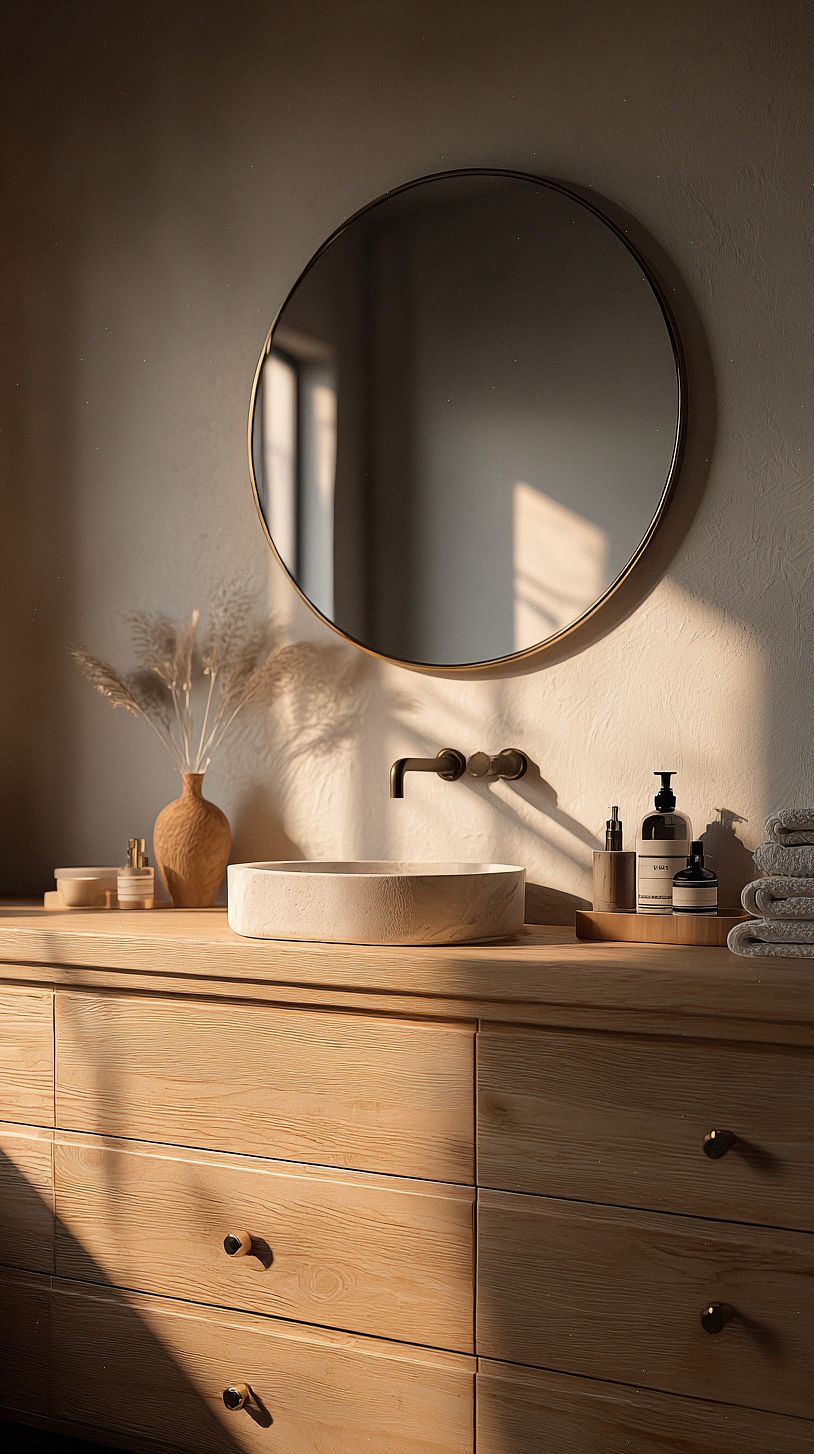
Your faucet is both a style statement and a functional piece, so check spout height and reach against the sink to avoid splashes and awkward angles. Single-handle faucets save space and are easy to use, while widespread sets give a luxe look; also consider water-saving aerators to reduce flow without sacrificing performance. Finish the look with matching accessories like mirrors, lighting, and towel hardware, or plan for easily changeable knobs and pulls so your vanity can evolve as your style does.
Budgeting, Installation, and Practical Considerations
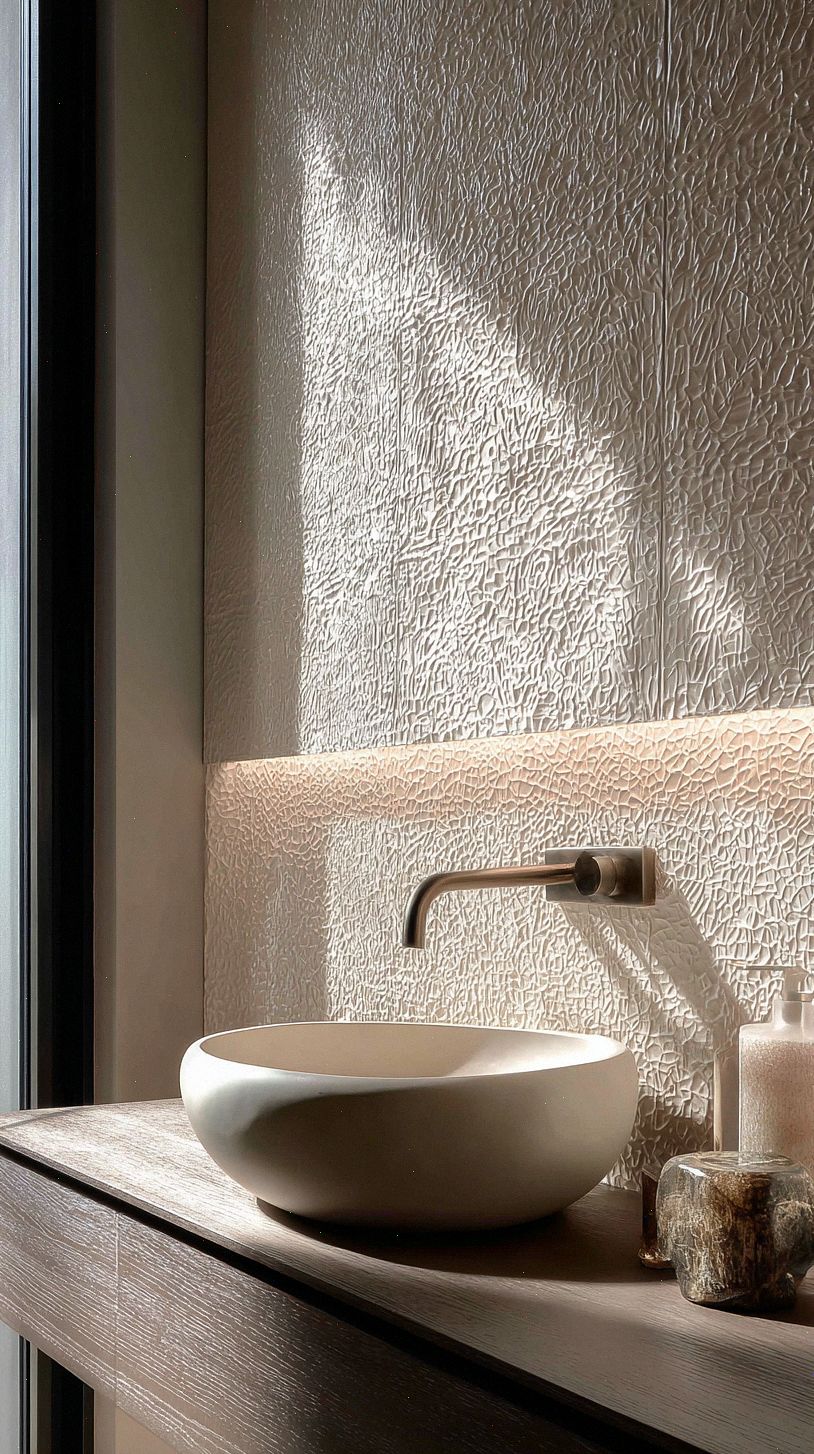
Decide your budget before you fall in love with a style, and remember the price tag includes more than the cabinet. Factor in the vanity, countertop, sink, faucet, mirror, hardware, and installation or plumbing work. As a rough guide, stock vanities can start around $200 to $700, mid-range options are often $700 to $2,000, and custom builds usually begin above $2,000; countertops vary too, from budget laminate up to quartz or stone which can add significantly. Prioritize spending on cabinet construction and a durable countertop if you want long-lasting storage and resale value, and save on trendy hardware or a ready-made sink to balance costs.
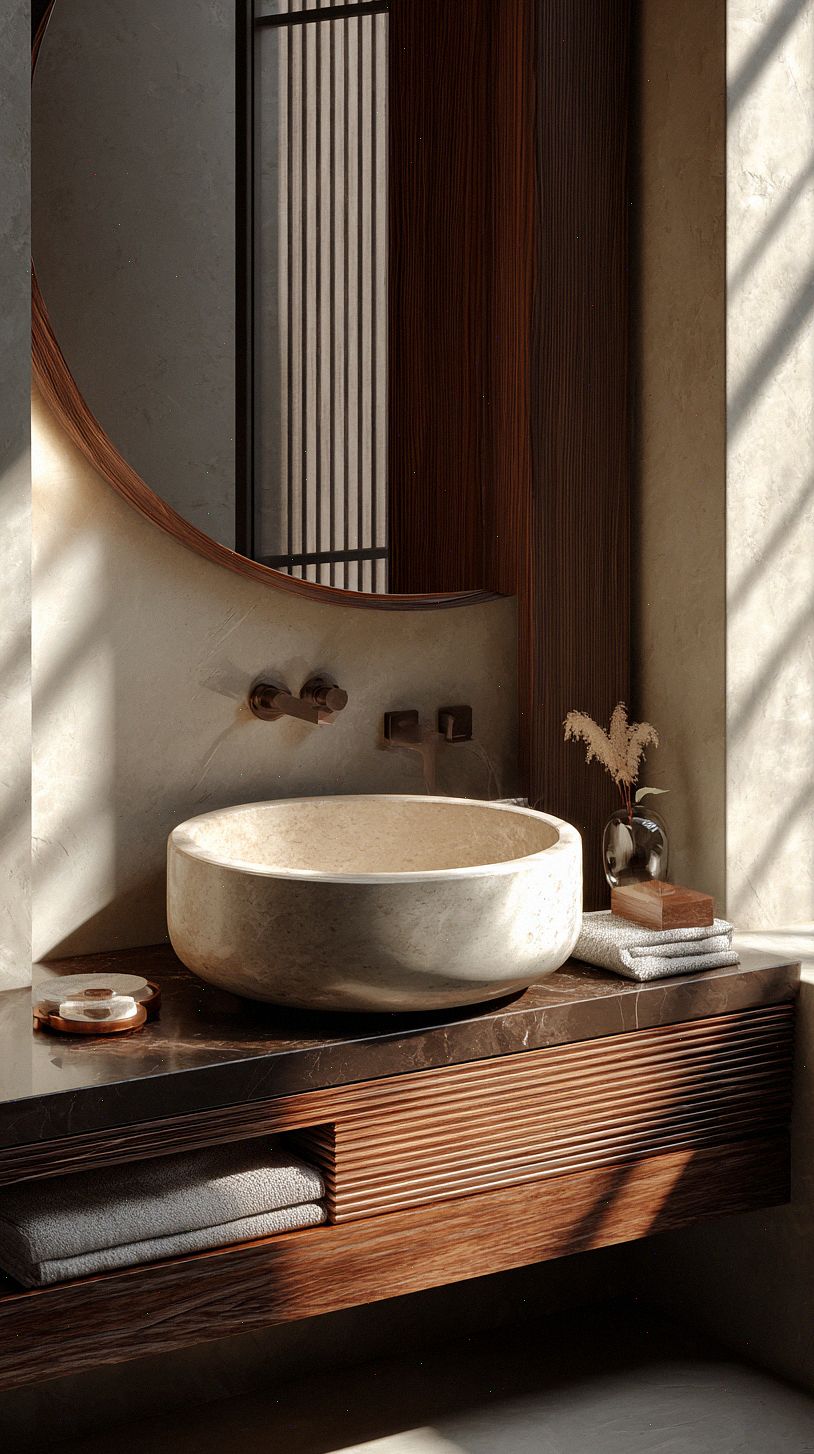
Before you install, measure twice and think about how you use the space: check plumbing locations, door clearances, and whether the floor and studs can support a wall-mounted unit. Decide if you’re comfortable with a DIY swap or need a pro for plumbing, electrical, or a heavy stone countertop—mounting a floating vanity or cutting in an undermount sink often requires specialist skills. Also pick finishes and hardware that handle humidity, choose drawer configurations that fit your daily items, and plan for accessories like organizers or soft-close hinges so the vanity is as practical as it is pretty.
Styling, Maintenance, and Long-Term Care
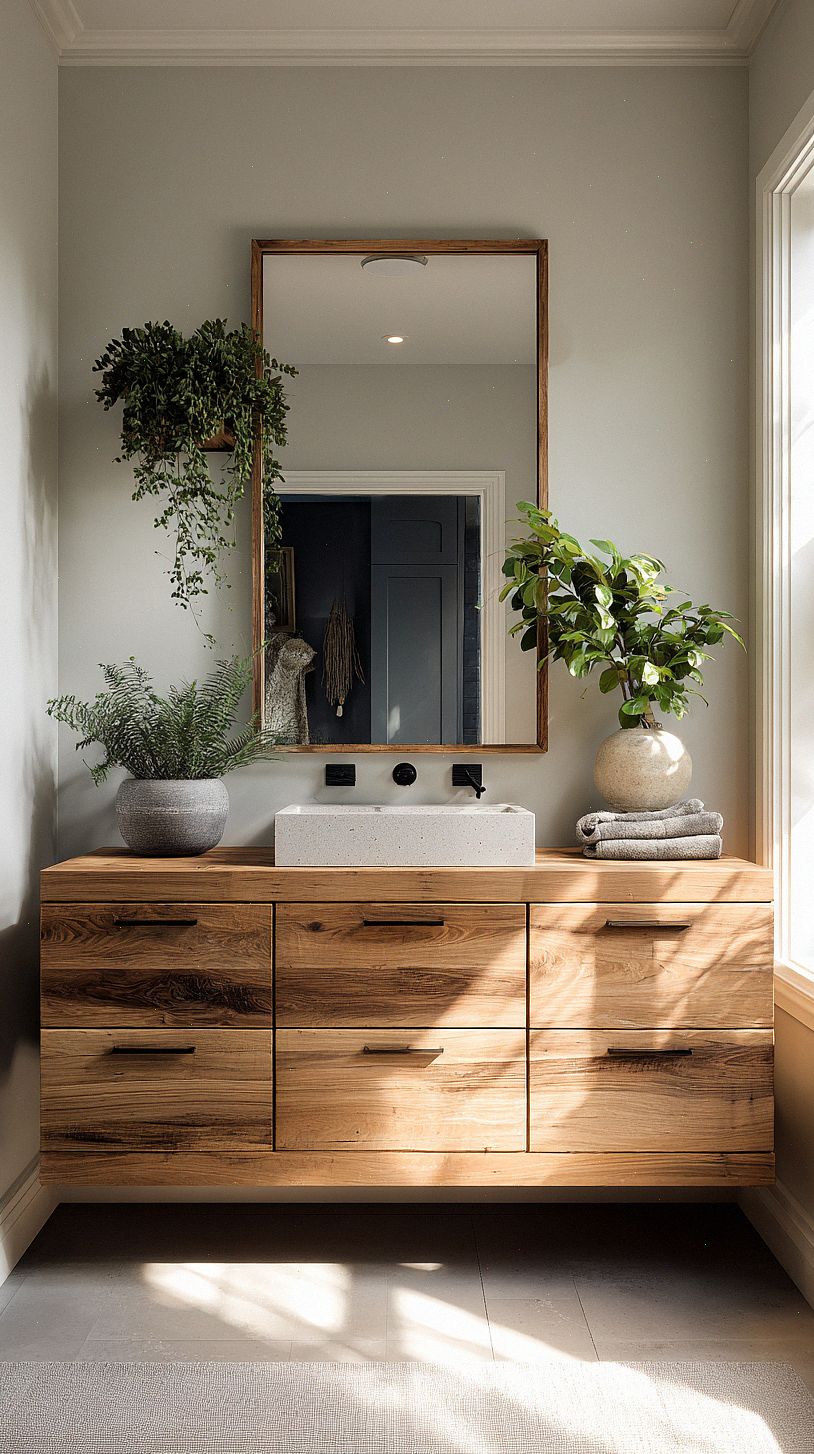
Keep your vanity looking intentional by styling with a balance of open and closed storage. You can show off pretty hand towels and a plant on open shelves while hiding toiletries in drawers with simple organizers and matching containers, then swap hardware or a new mirror to refresh the whole look without replacing the unit.
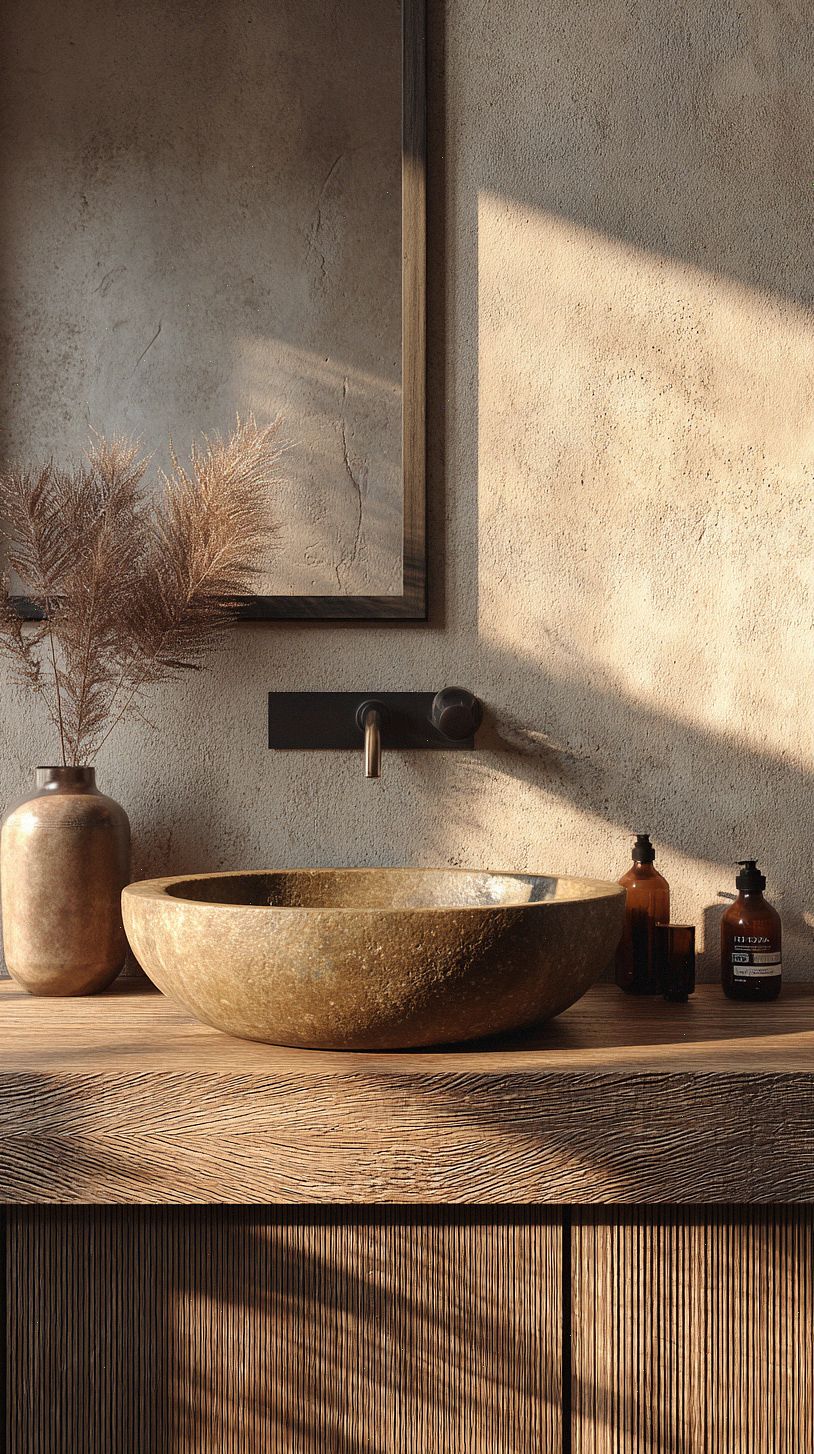
For long term care, wipe spills and splashes right away and use gentle, nonabrasive cleaners so finishes stay intact. Keep wooden vanities dry and occasionally treat them with a suitable oil or finish, reseal stone countertops as recommended, tighten hinges and handles, and make sure your bathroom is well ventilated to prevent warping and mold.