A Guide to Creating a Modern Organic Kitchen With Natural Warmth
The kitchen is where we gather, cook, and slow down, so it makes sense that we want a space that feels both modern and naturally warm. In this guide we explore how to blend clean, minimalist lines with tactile materials like wood, stone, and clay, and how soft color palettes, textured finishes, and smart storage choices can create a calm, welcoming room that still performs for everyday life.
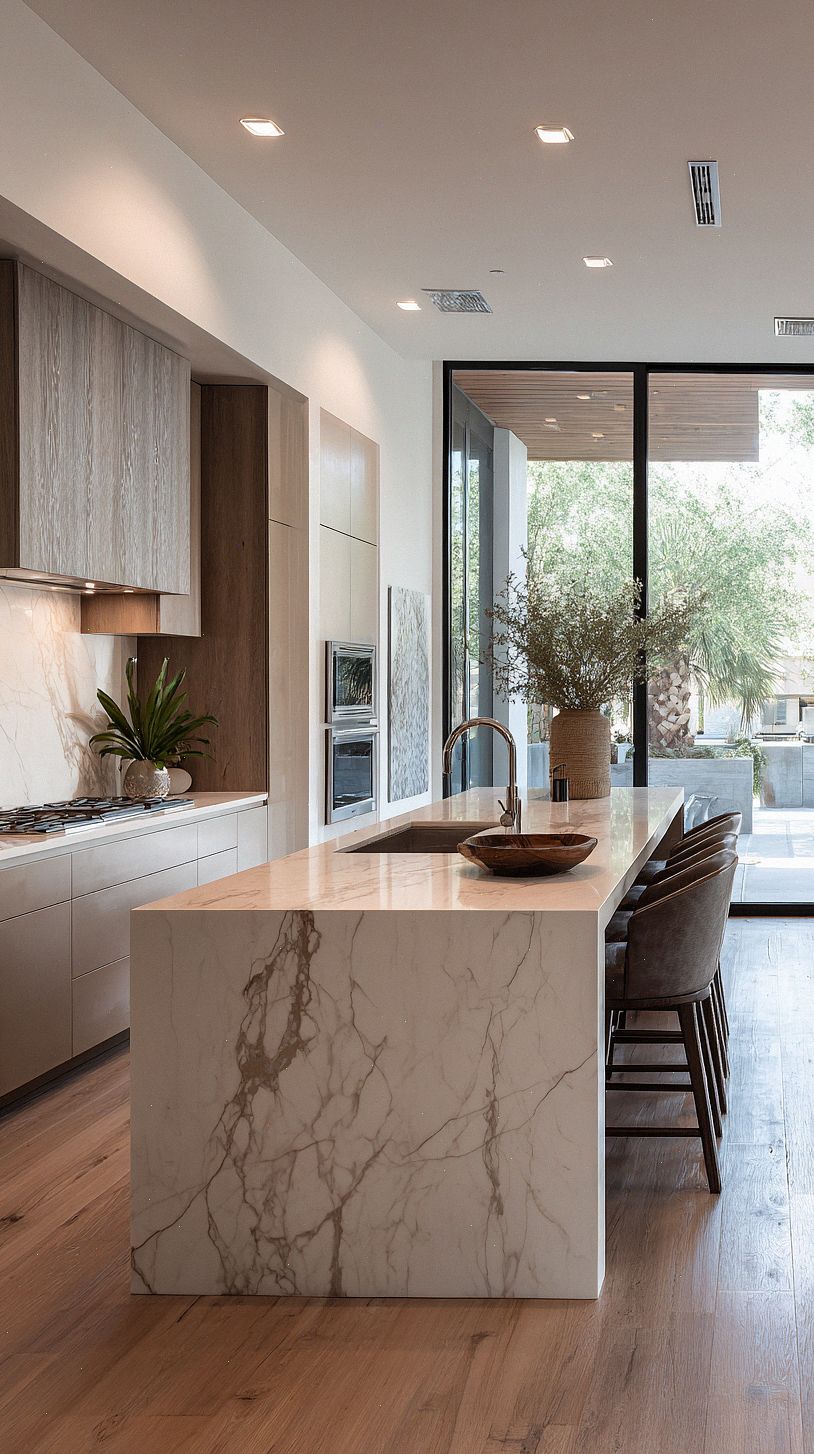
We’ll walk through core design principles—warmth, simplicity, and function—and get practical about cabinetry options, countertops, energy-efficient appliances with a minimalist look, and layered lighting for both ambience and tasks. Along the way we’ll share styling ideas using plants, textiles, and handmade pieces, plus tips to keep your kitchen looking fresh and lasting well into the future.
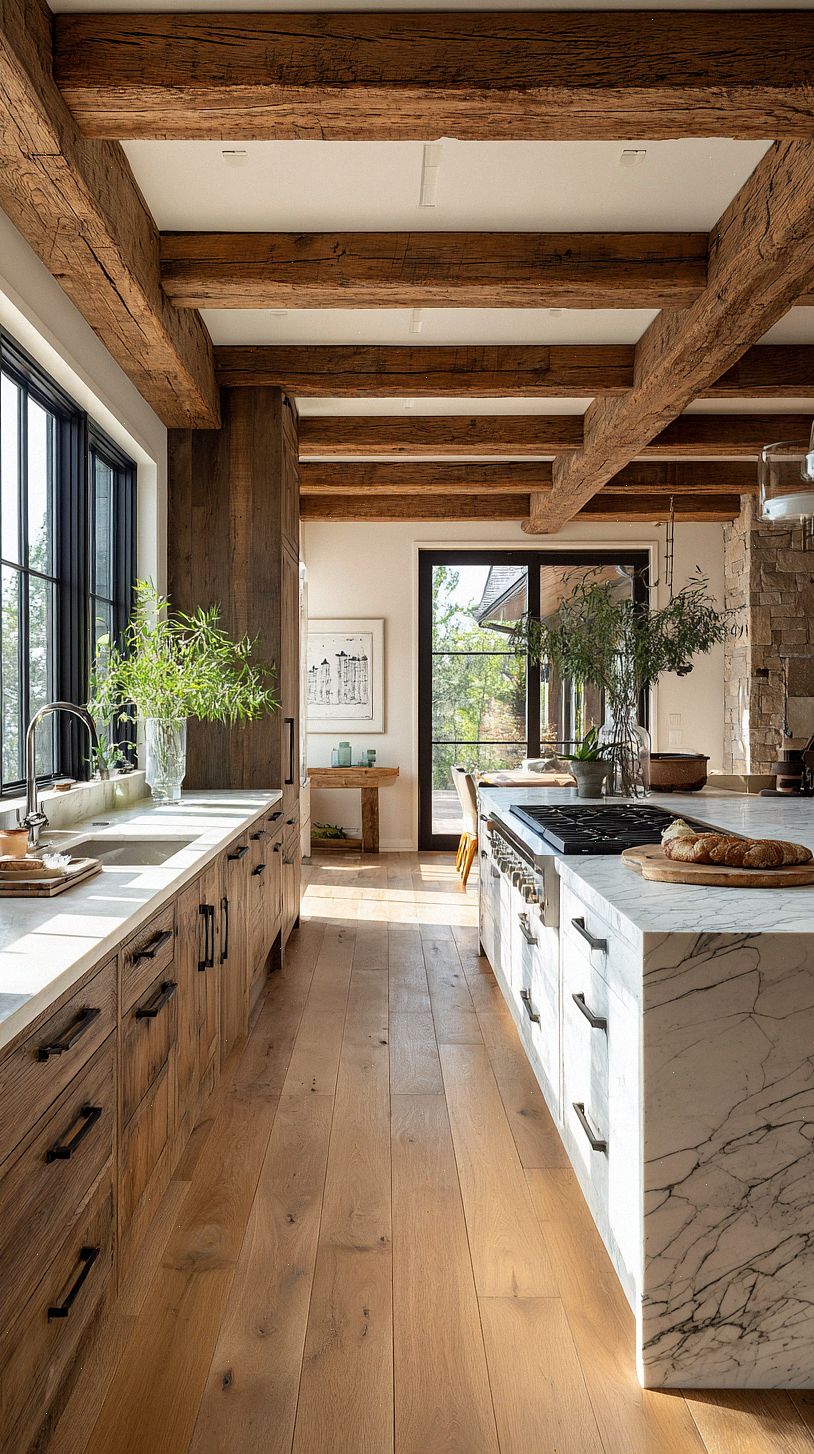
The Essence of a Modern Organic Kitchen
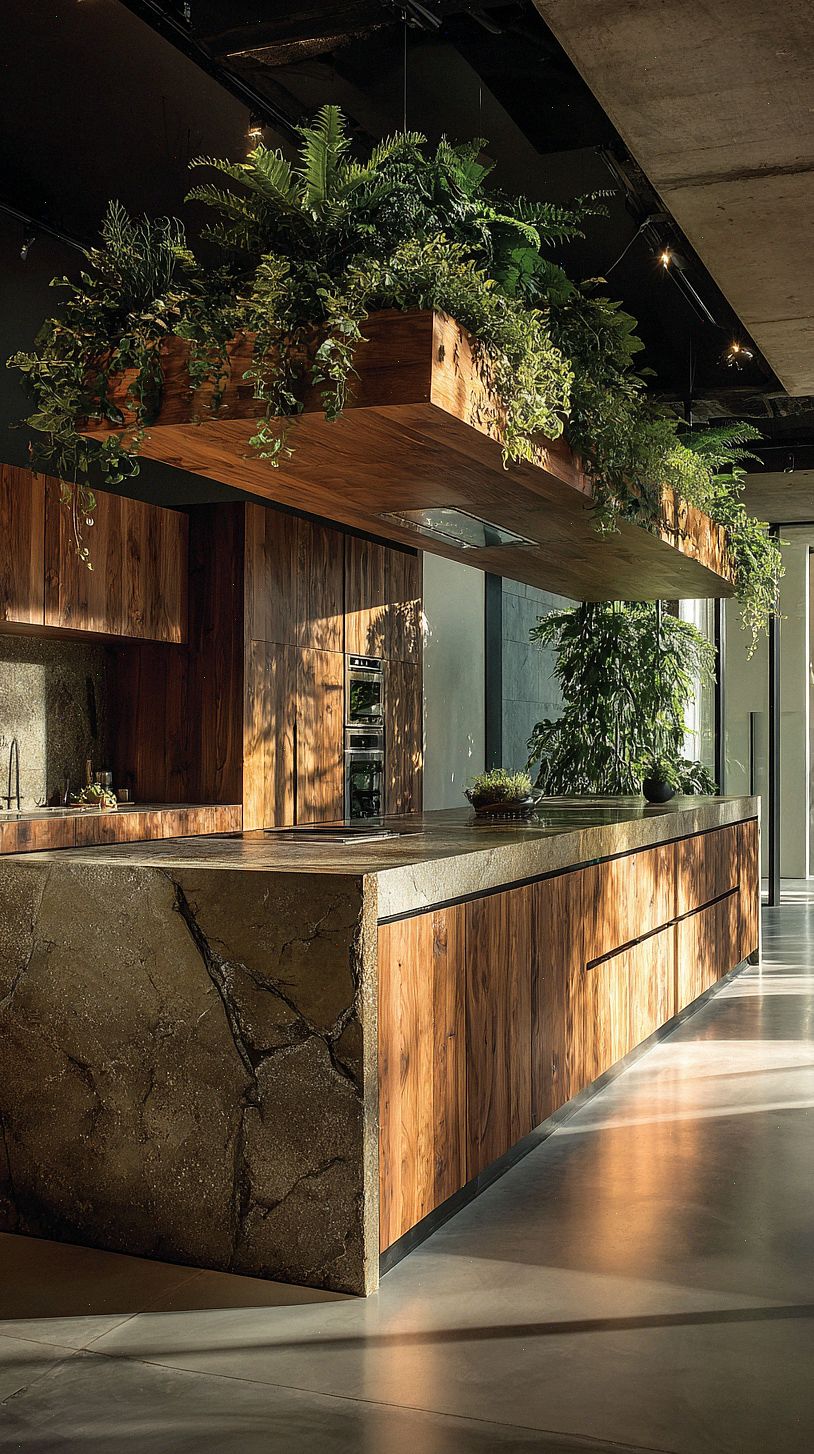
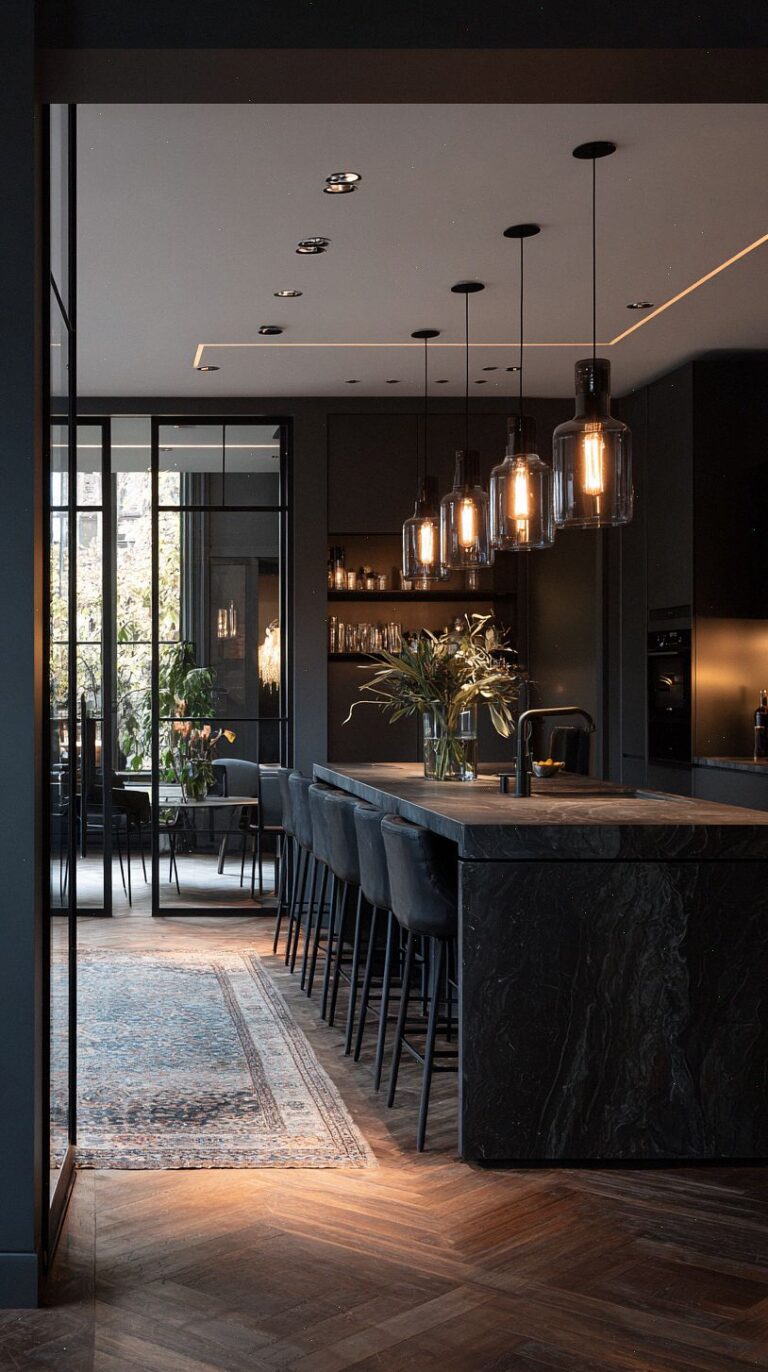
You create a modern organic kitchen by blending clean, simple lines with rich, natural materials that feel lived in. Think warm wood, honed stone, matte metals and textured textiles that invite touch, plus plenty of daylight and soft, layered lighting so your space feels both crisp and cozy.
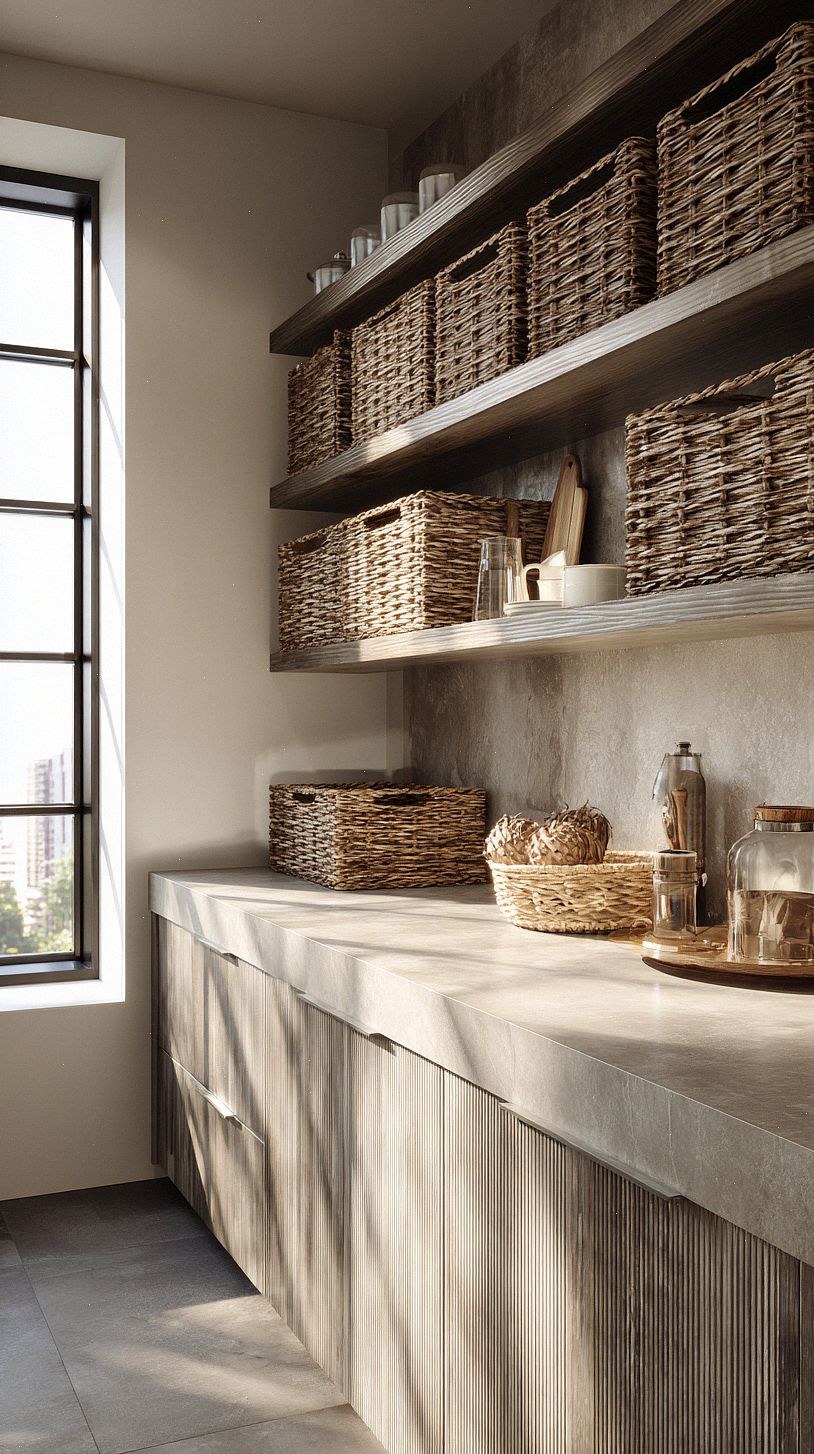
Focus on sensible layouts and honest finishes that age beautifully, because an organic kitchen is about utility as much as looks. Bring in plants, handmade ceramics and a few well-chosen tools that celebrate daily rituals, so your kitchen becomes a calm, tactile place where cooking feels effortless and welcoming.
Core Design Principles: Warmth, Simplicity, and Function
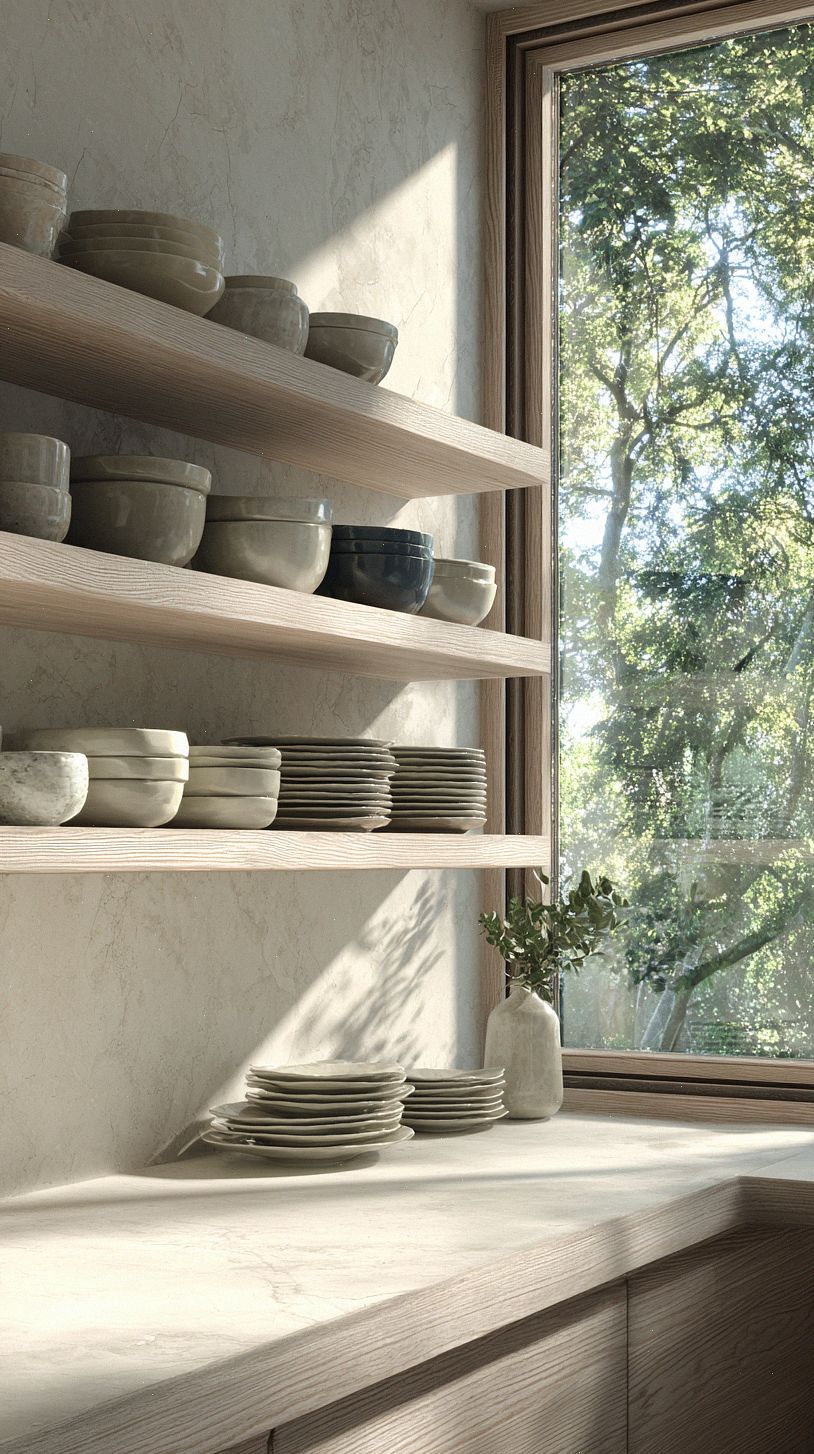
Start with materials that feel like you can live in them. Warm woods, honed stone, and soft matte finishes create an immediate sense of comfort, while a restrained palette and clean, simple lines keep the look modern and calm. Let texture do the talking with woven rugs, linen towels, and a few curated natural elements like a bowl of fruit or a potted herb to add life without clutter.
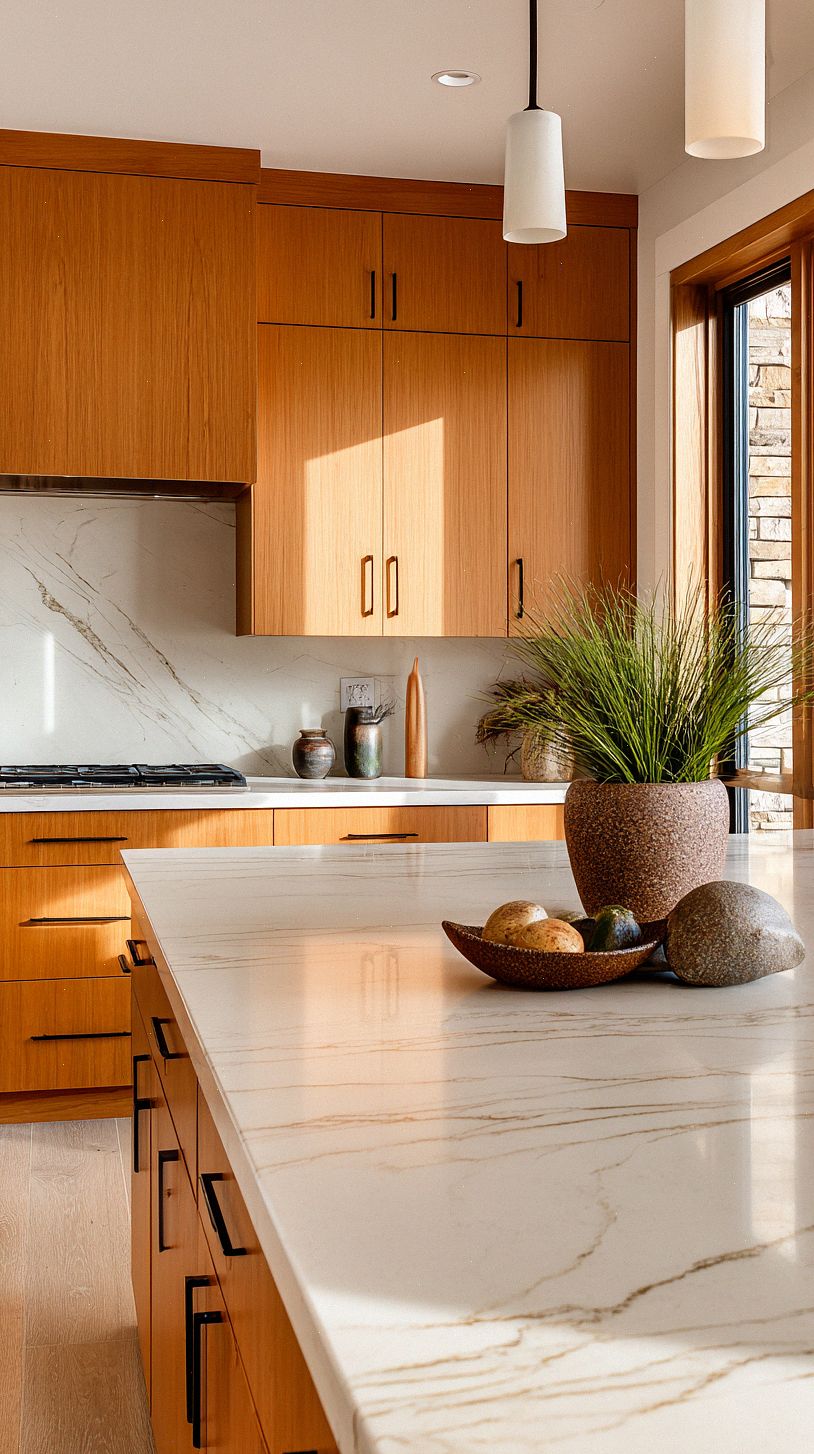
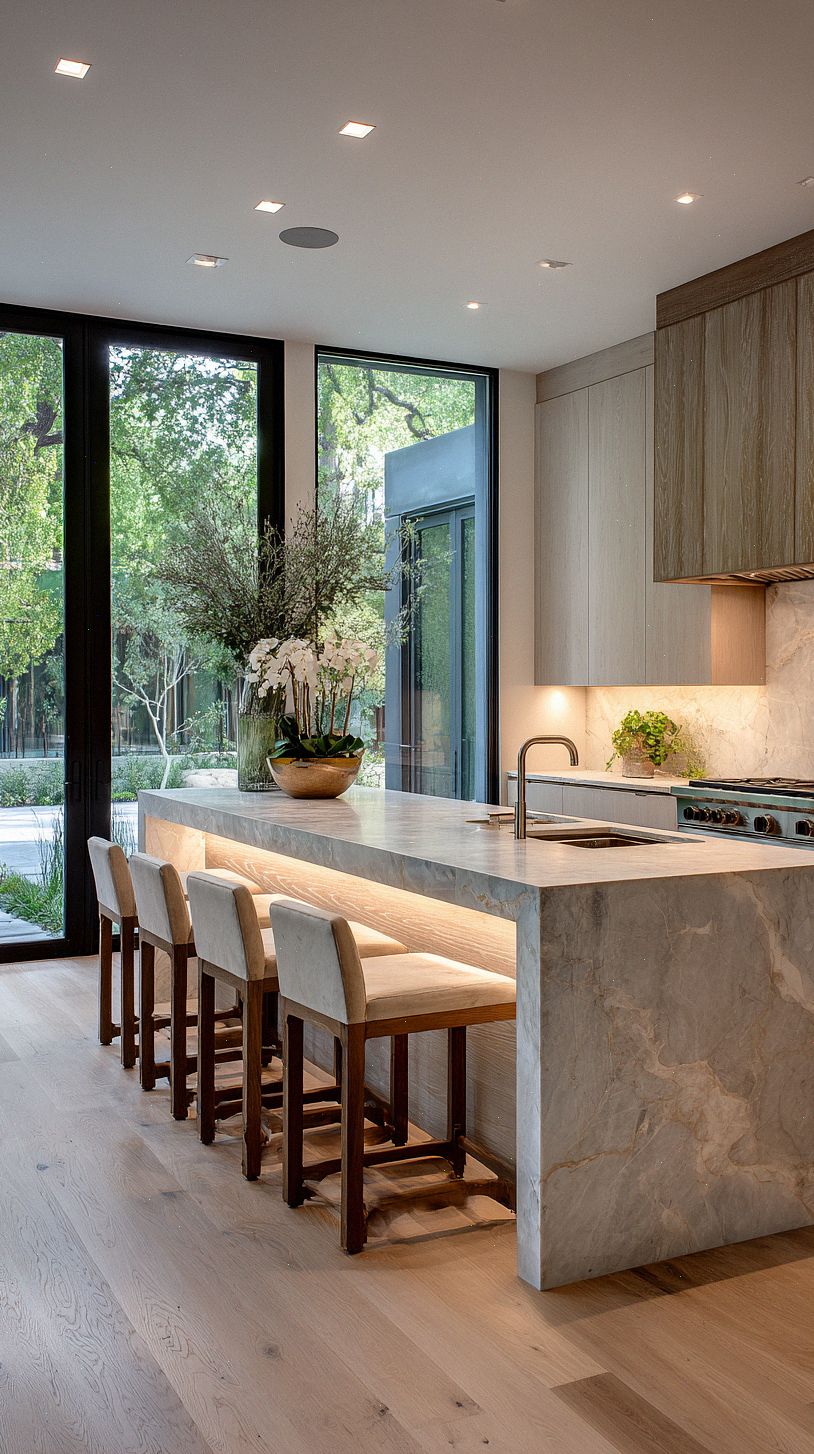
Make function beautiful by designing for how you actually cook and move. Organize the kitchen into clear zones, choose drawer storage and pullouts that make everyday tasks easier, and pick durable surfaces that patina well over time. Add flexible seating at an island so the space works for both cooking and gathering, and layer practical lighting to highlight work areas while keeping the room warm and inviting.
Natural Materials: Wood, Stone, and Clay
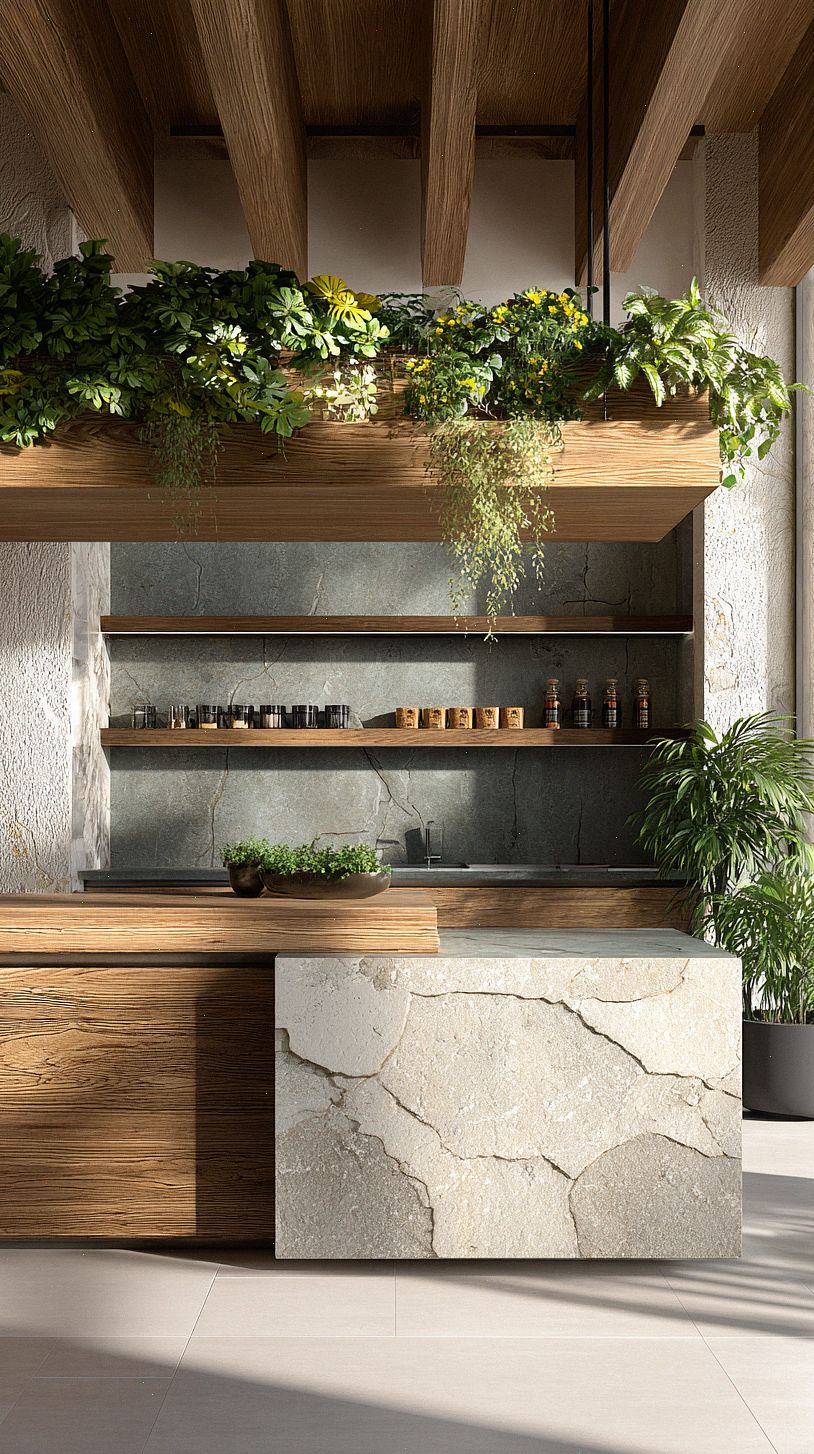
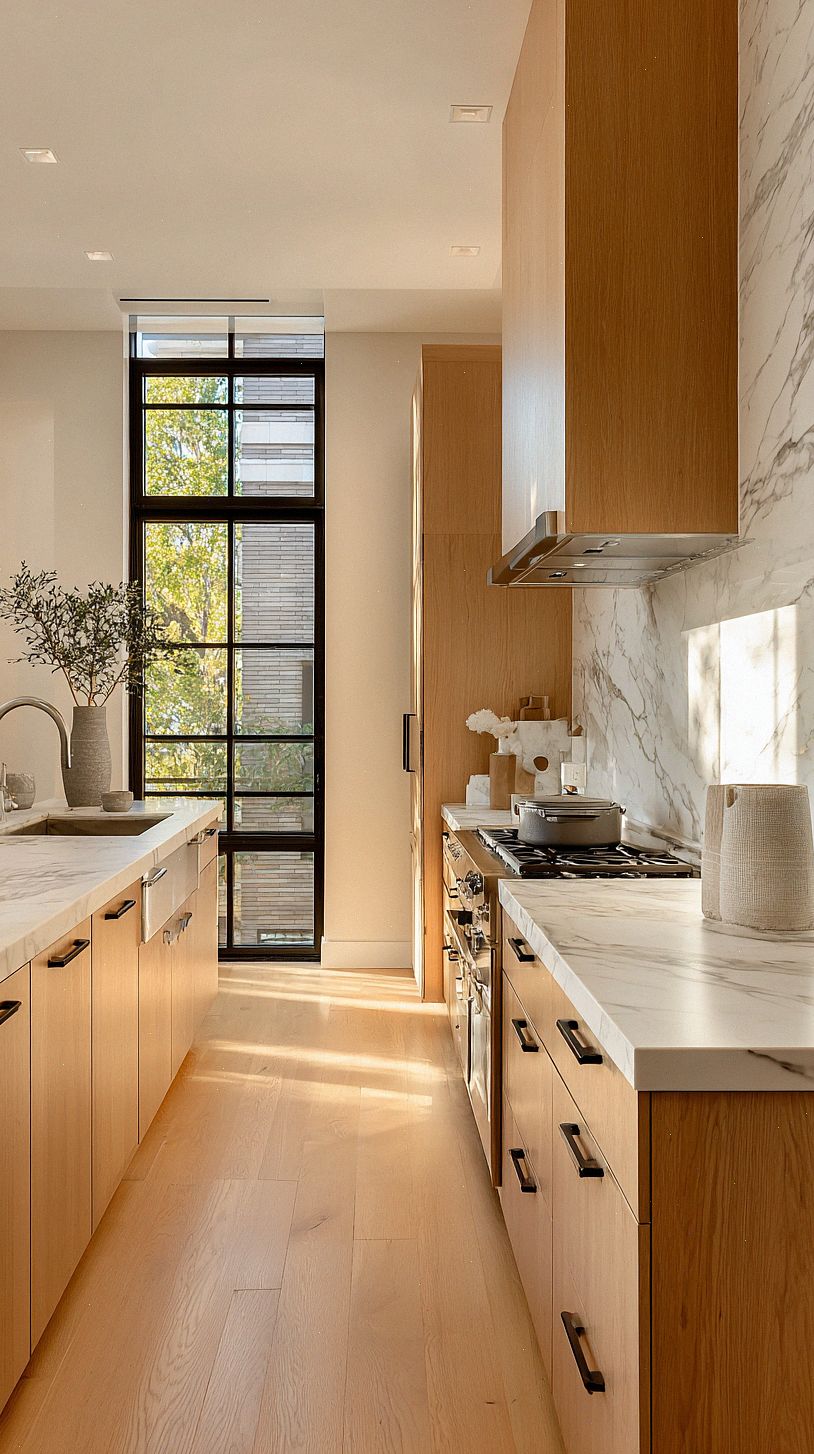
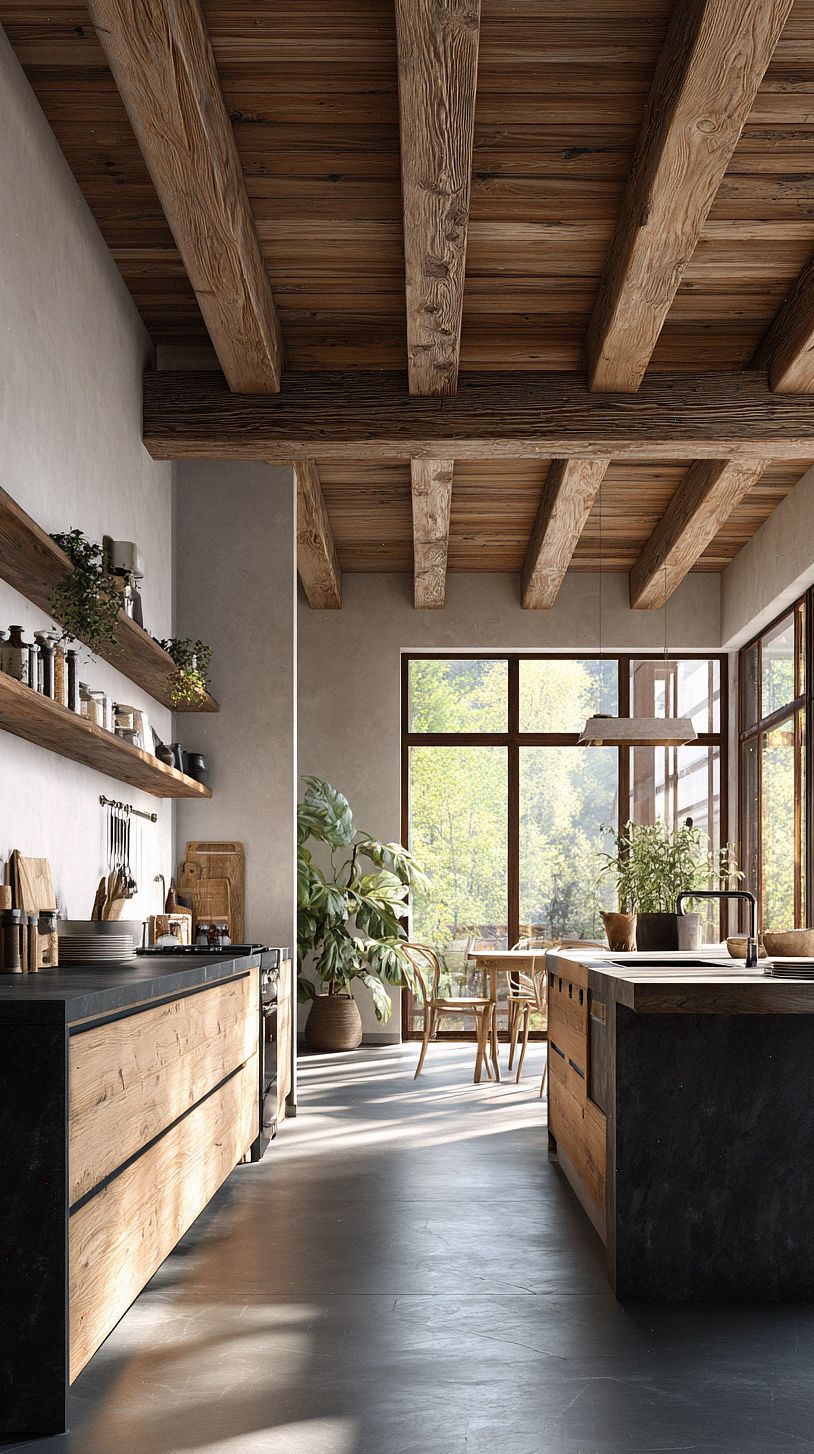
Choose warm woods for cabinets, open shelving, or flooring to anchor your kitchen with natural character. Look for visible grain or reclaimed planks for instant texture, and opt for a matte or satin finish so your space stays modern rather than too glossy. Pair wood with honed stone countertops or a slab backsplash to introduce cool, tactile contrast; veining in marble or granite becomes a focal point, and sealing stone will keep it durable for everyday use.
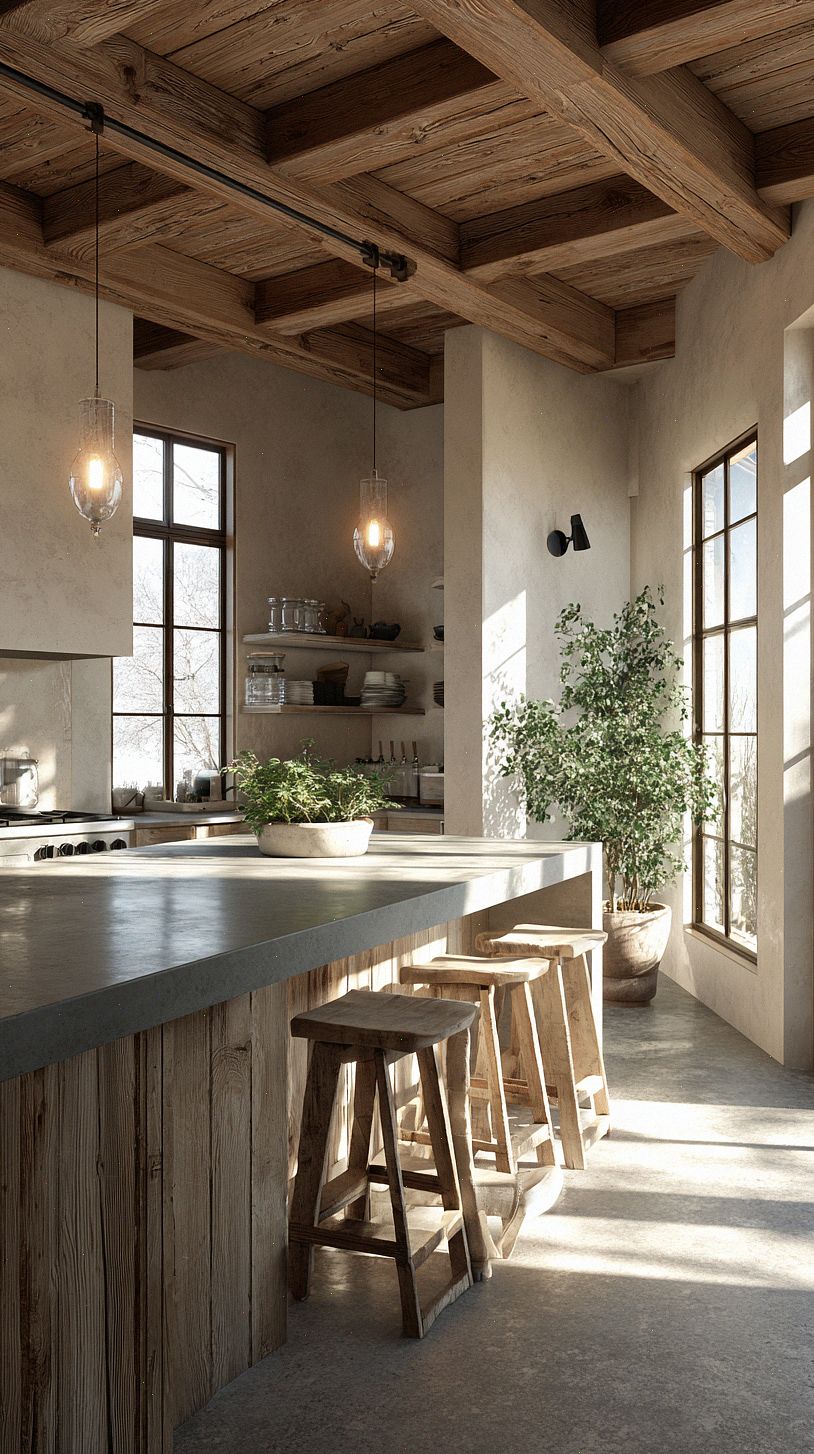
Bring in clay through terracotta tiles, a fired-clay sink, or handmade bowls and planters to add earthy color and soft texture. These pieces feel lived in and pair beautifully with matte metal hardware and smooth glass; treat clay with gentle cleaners and periodic sealing for longevity, and keep your palette grounded in warm neutrals so every material complements rather than competes.
Soft Color Palettes and Textured Finishes
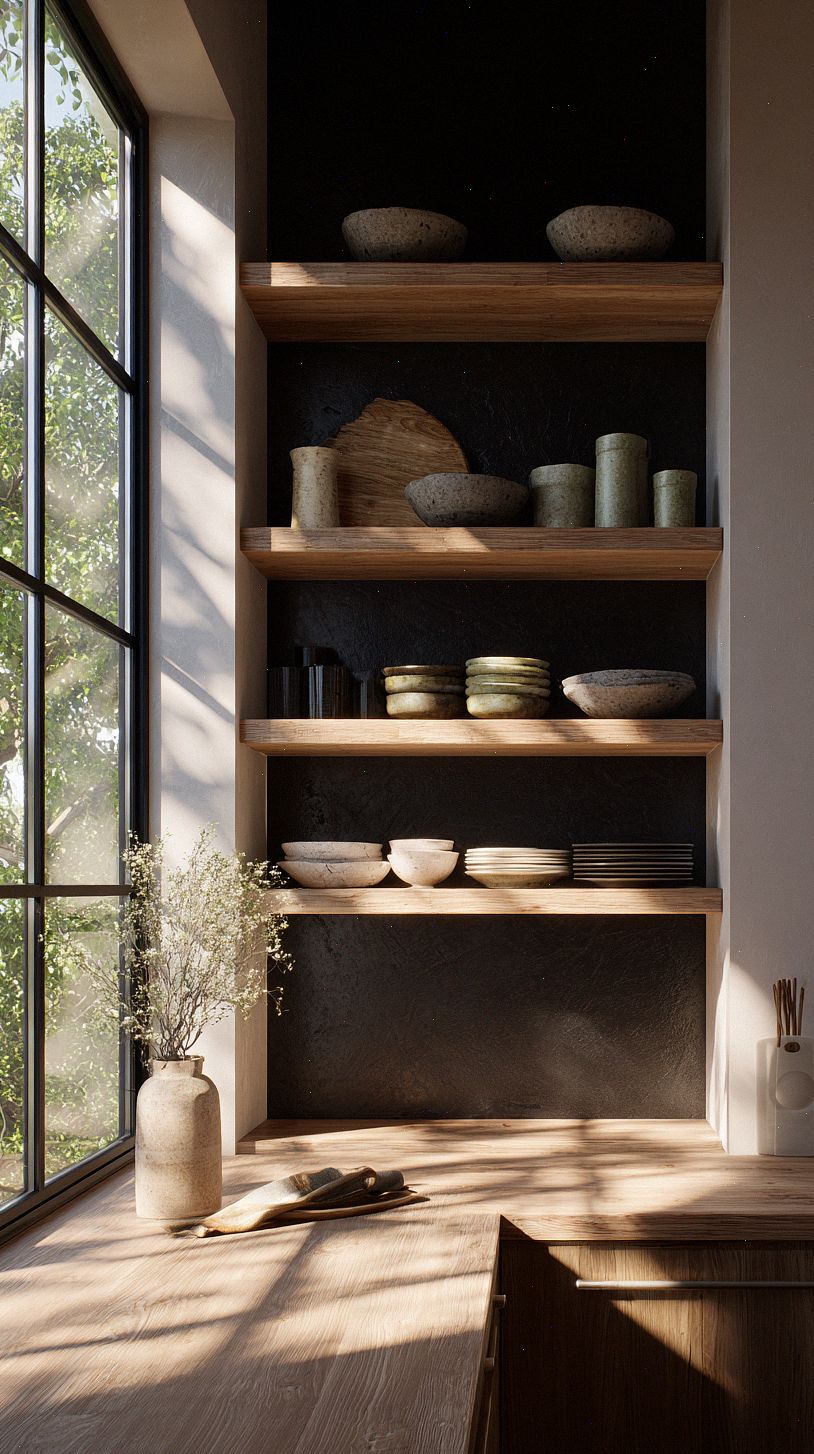
Choose soft, low-saturation colors that echo natural elements: sage greens, warm beiges, clay terracottas and sandy greys. These hues create a calming backdrop that makes wood grain and stone sing, and you can layer them in different tones to keep the look rich without feeling busy.
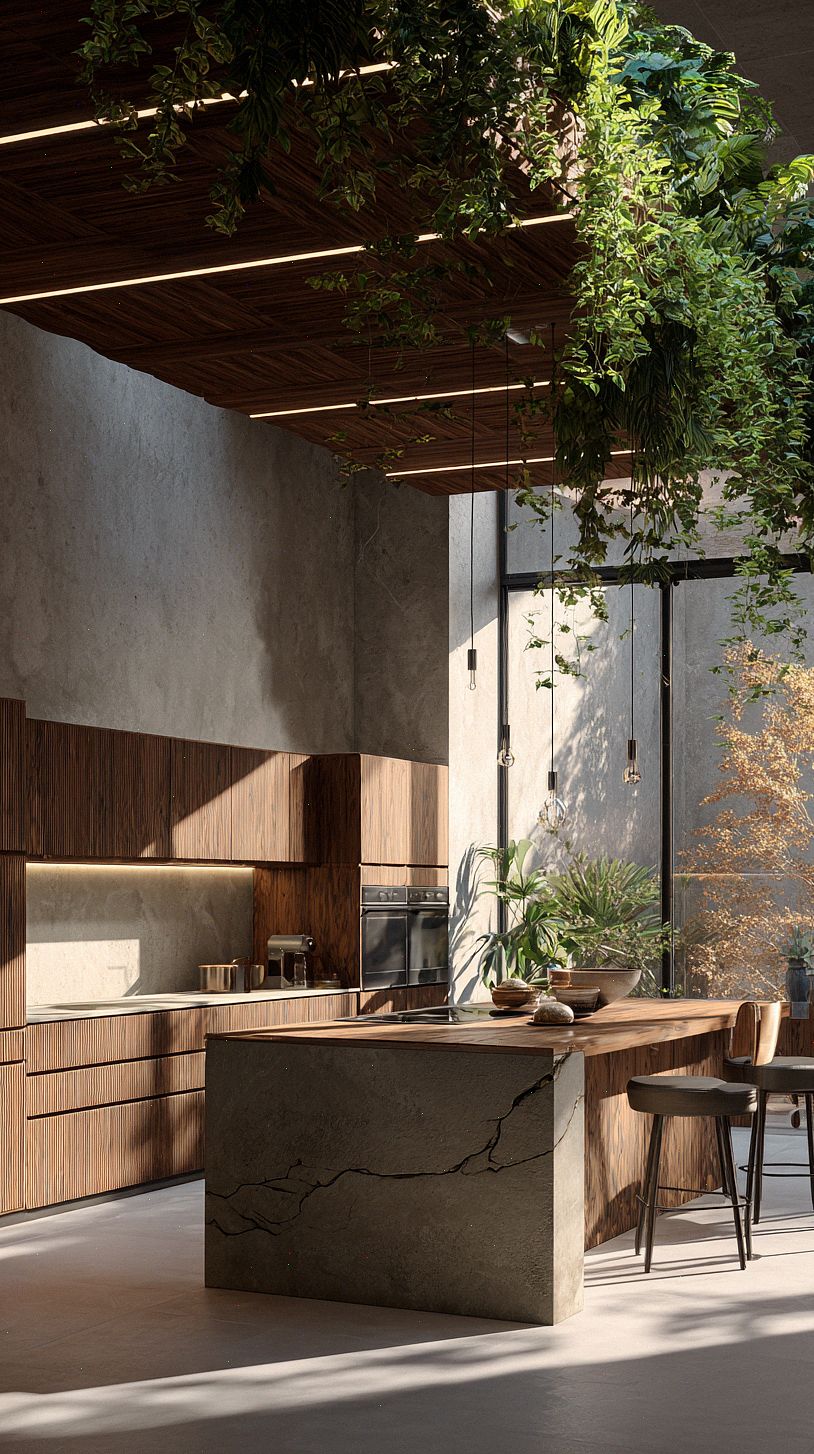
Bring in tactile finishes like open-grain oak, honed stone, hand-troweled plaster and matte ceramic tiles to add depth and warmth. Use texture strategically on cabinets, backsplashes and textiles, and limit yourself to a few complementary materials so the kitchen feels cohesive and inviting rather than cluttered.
Cabinetry and Open Shelving Solutions
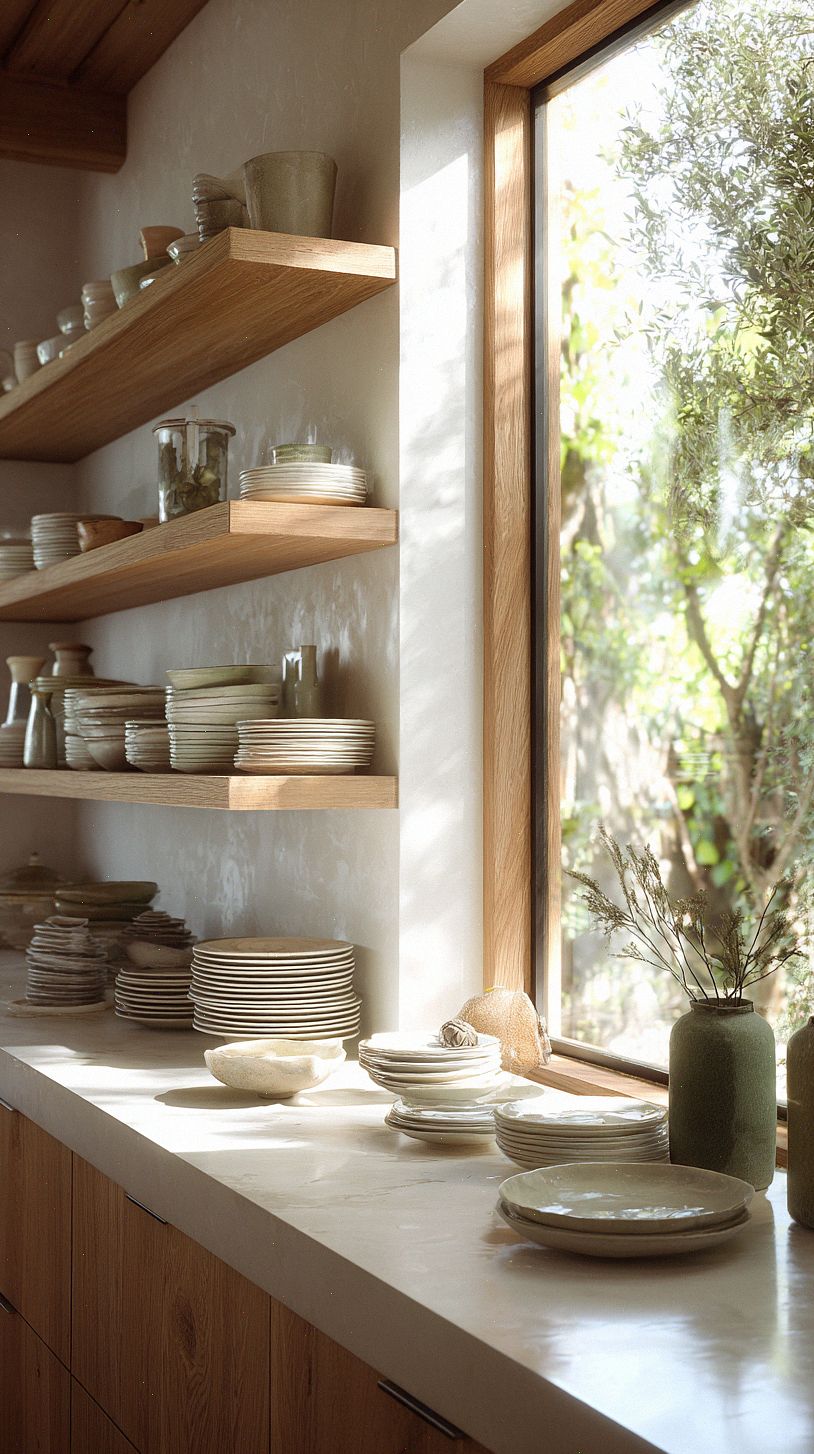
Choose cabinetry that feels grounded and simple so the wood warmth can do the talking. Opt for warm wood veneers or matte painted fronts in soft neutrals, and keep profiles clean with flat panels or a refined shaker look for that mix of modern and organic. Consider full-height pantry units and deep drawers for hidden storage, and pick subtle hardware in brass or black, or go handleless for a sleeker silhouette.
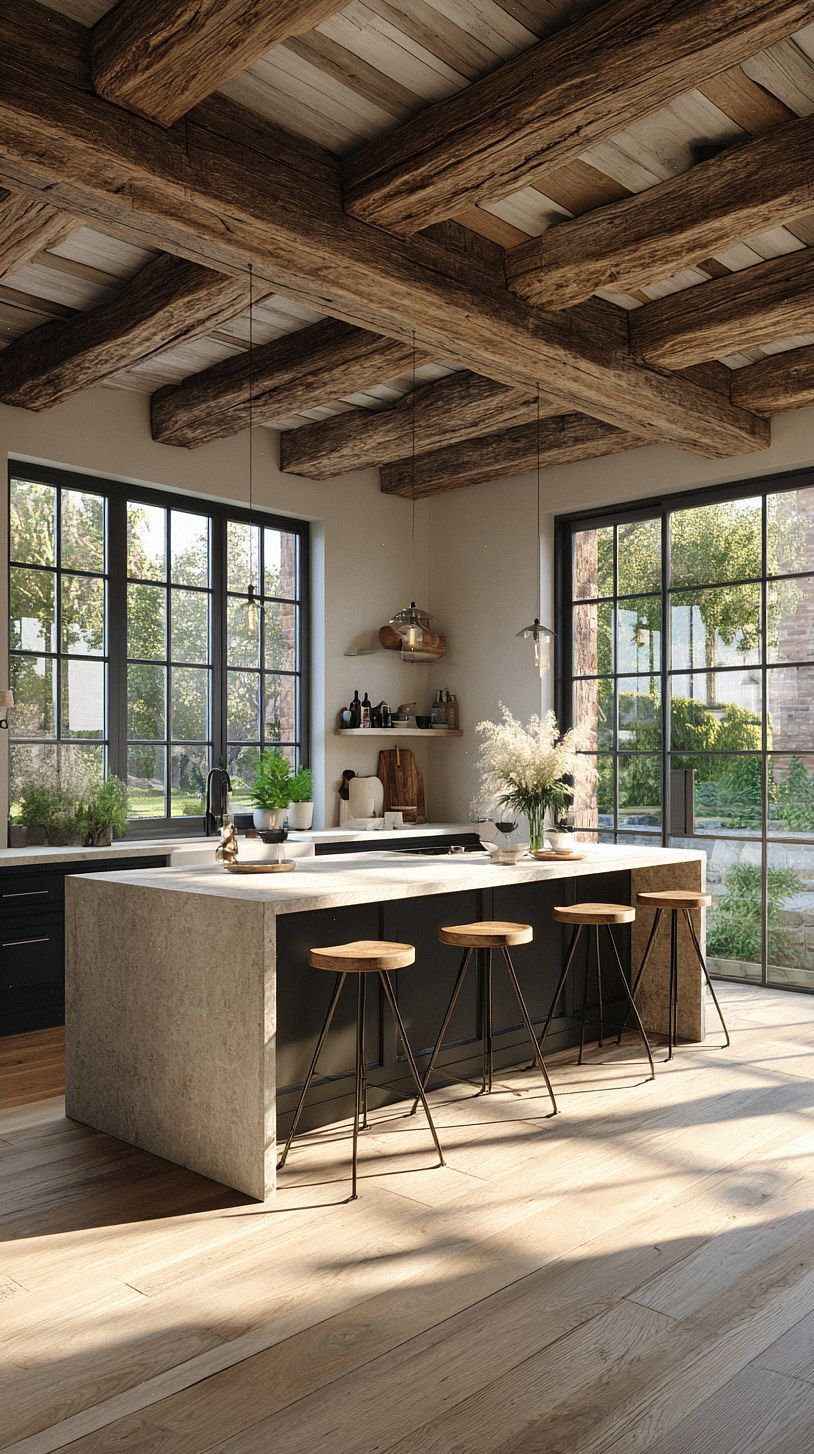
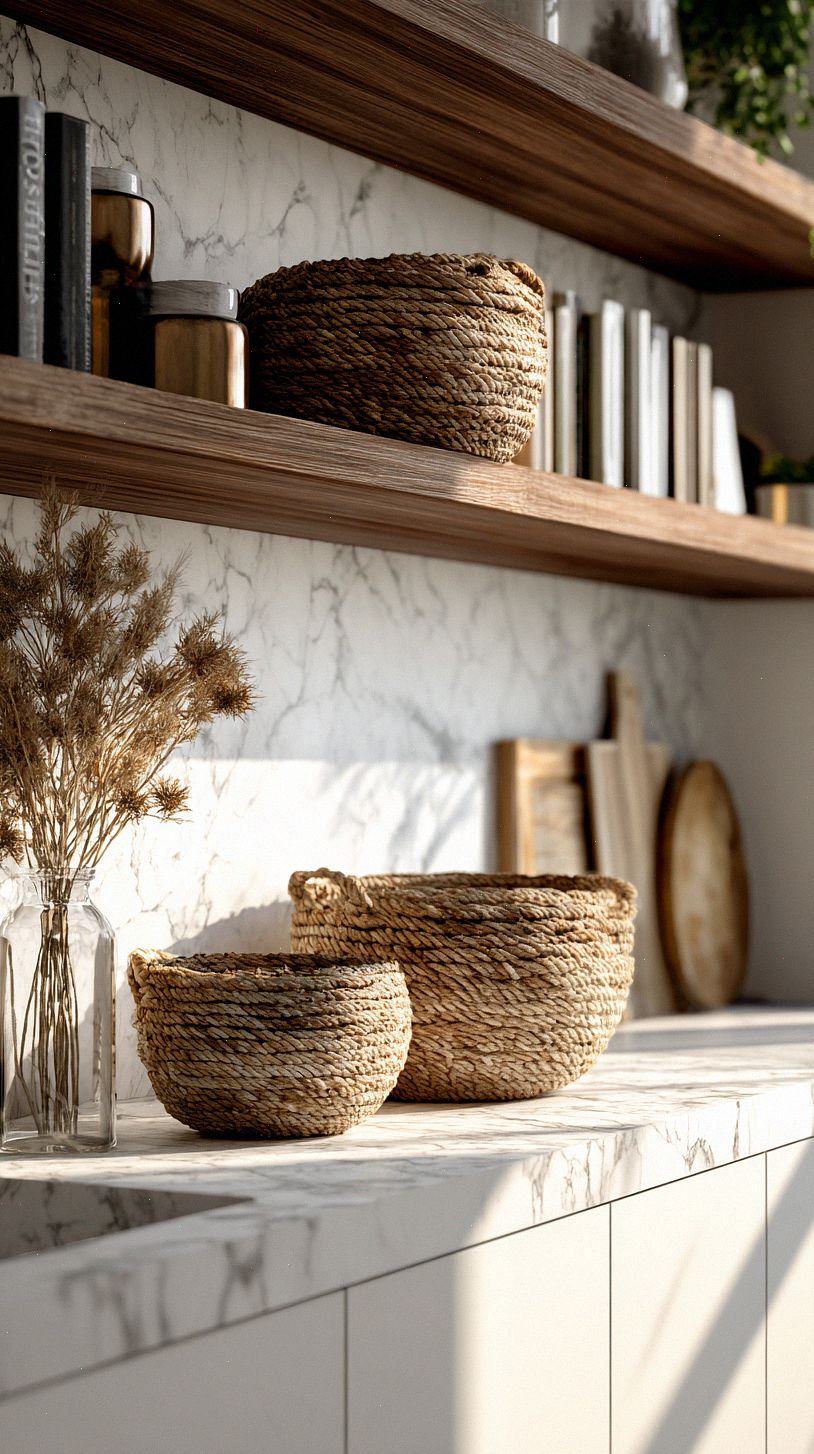
Use open shelving to bring texture and life into the space, but keep it purposeful. Float a few solid wood shelves or a live-edge board above the prep zone and style them with everyday ceramics, woven baskets, a couple of cookbooks and a trailing plant, leaving heavier or messy items in the lower cabinets so your kitchen stays tidy and easy to work in.
Countertops, Backsplashes, and Work Surfaces
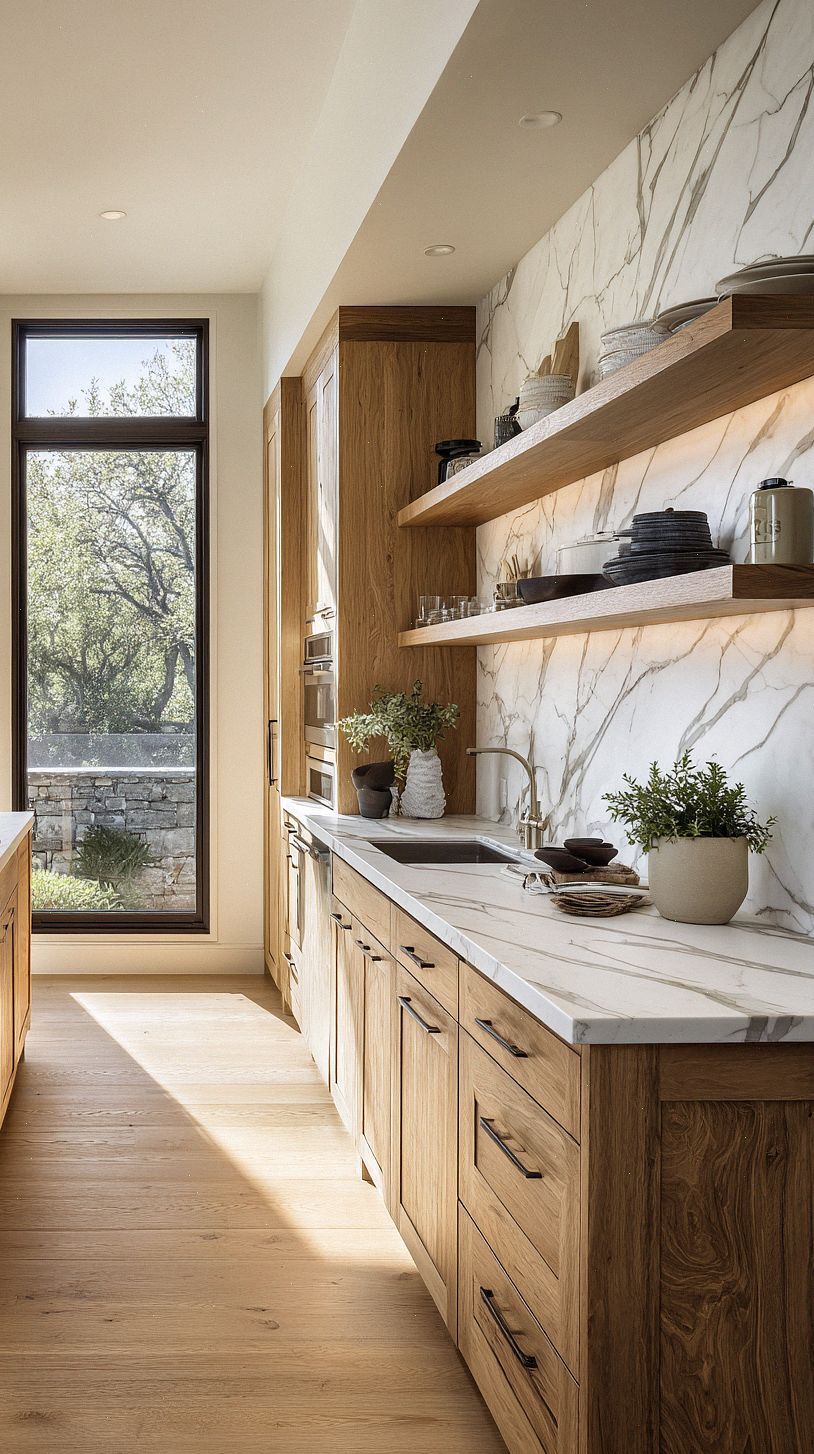
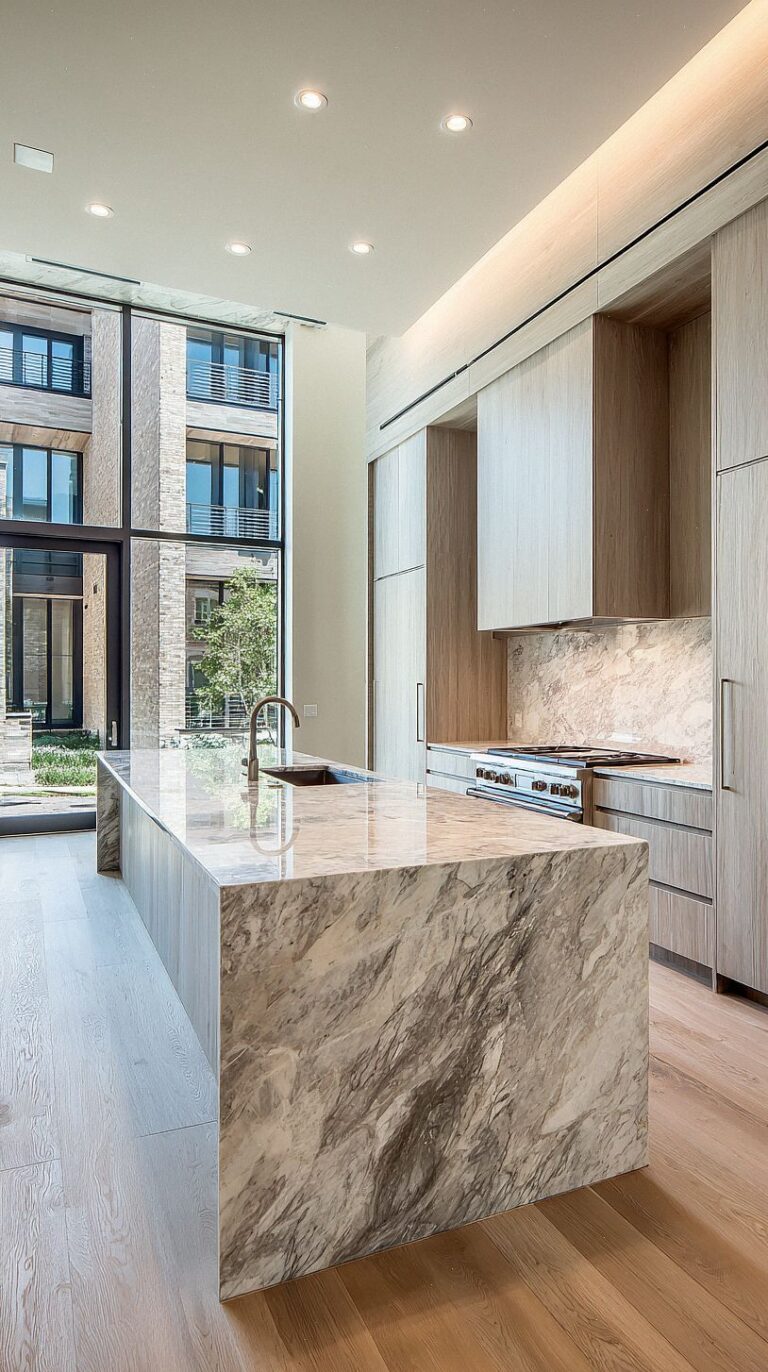
Think about countertops and work surfaces as the stage for your daily rituals. Warm, honed stone or leathered granite feels natural and lived-in while engineered quartz with subtle veining gives you low maintenance and a soft organic look; mixing a wide-plank butcher block island with a cool stone perimeter adds instant visual warmth and contrasts that still read modern. A waterfall edge or gently rounded profile keeps things streamlined and tactile, so your kitchen feels inviting the moment you touch it.
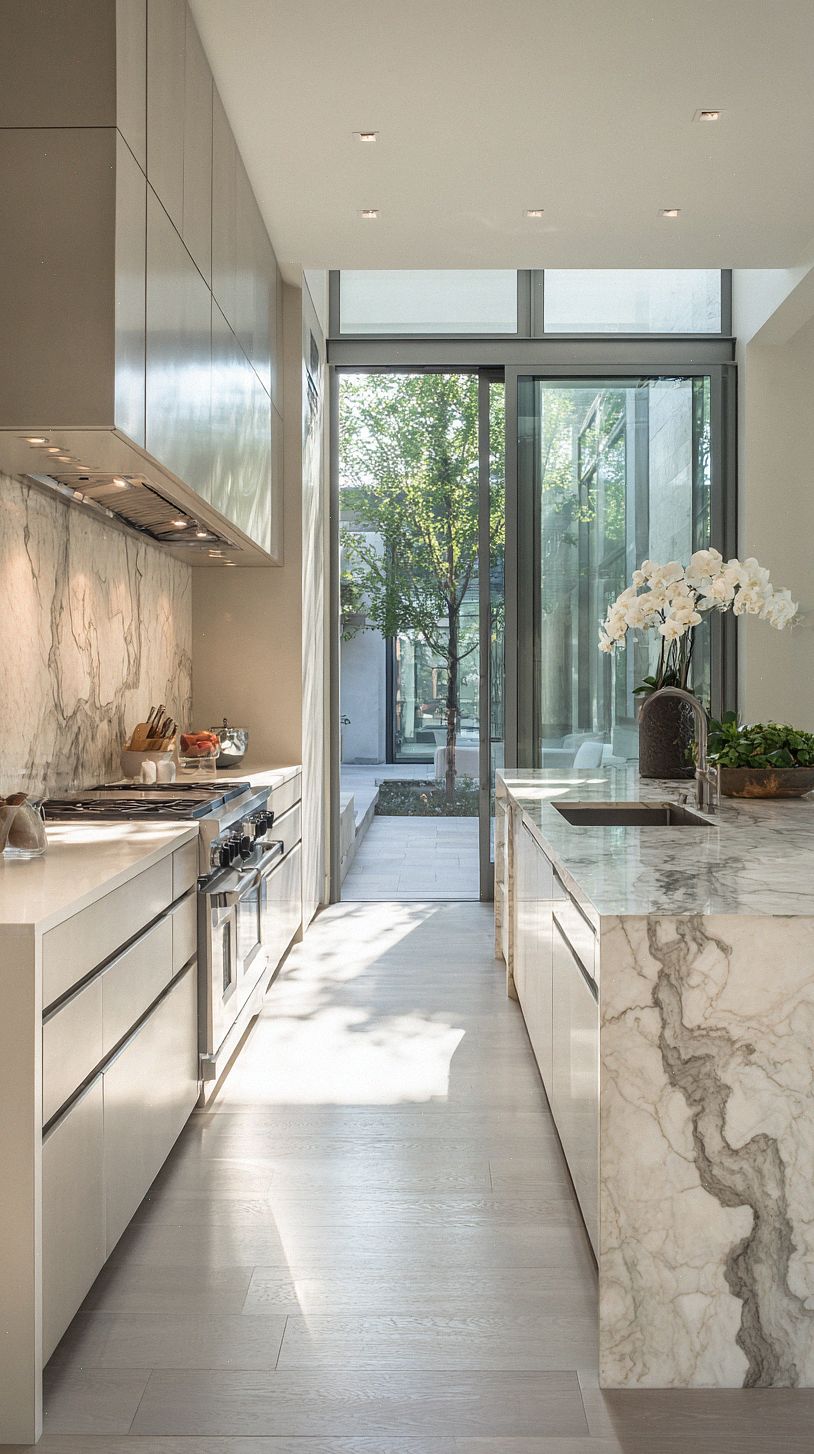
For backsplashes, consider a full-height slab of the same material to create calm continuity, or choose textured clay tiles or hand-finished subway tile to add subtle pattern and depth. Think practically too: seal porous surfaces, pick forgiving finishes where you cook the most, and match grout and edge details to the rest of your palette so cleaning is simple and the surfaces look intentionally natural.
Energy-efficient Appliances with a Minimalist Look
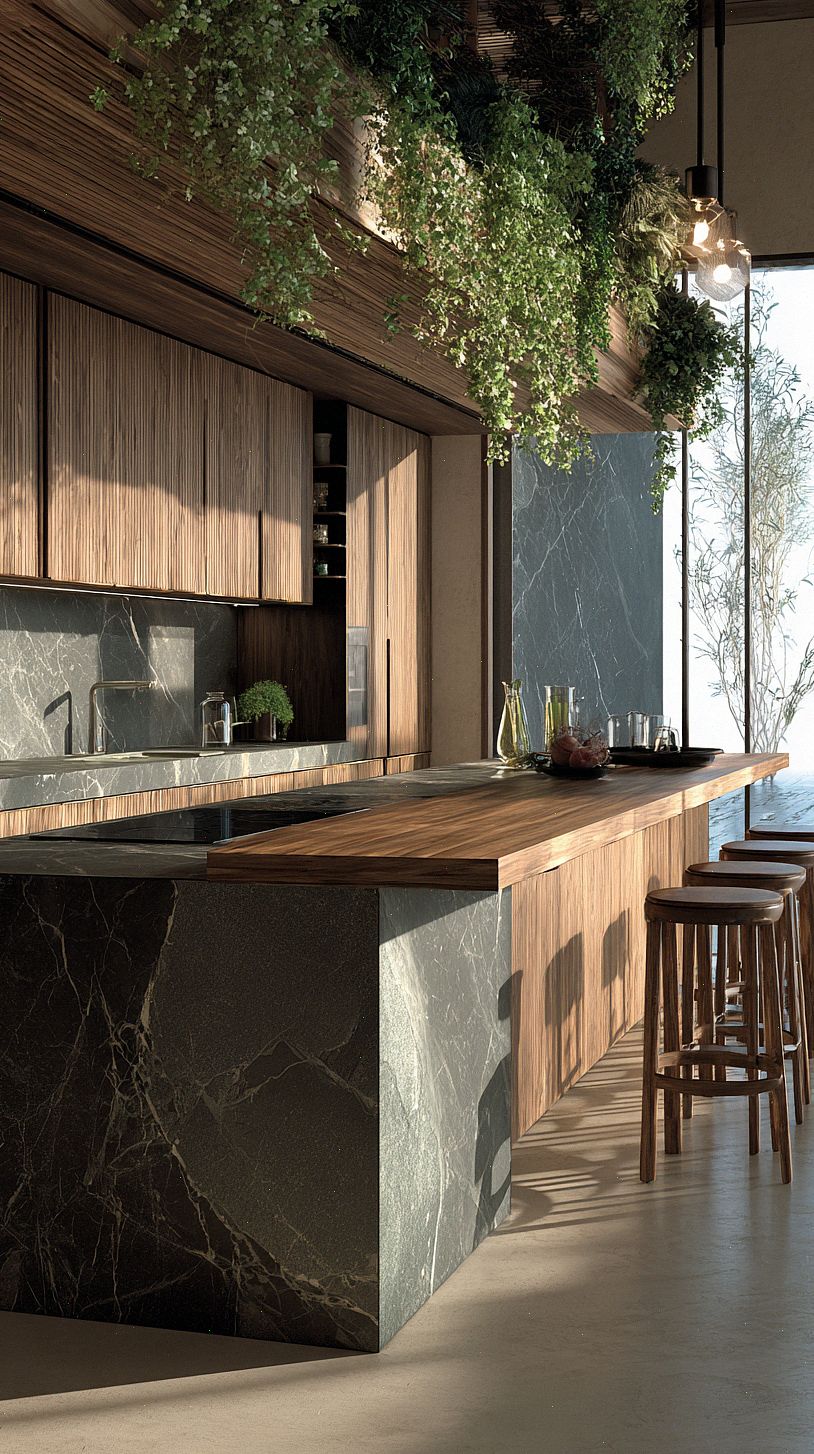
Choose appliances that carry Energy Star ratings and modern efficiency features like inverter compressors and induction cooktops so you save energy without sacrificing performance. Pick models with minimalist lines and muted finishes or panel-ready fronts that tuck into cabinetry, quiet operation, and touch or hidden controls to keep the visual focus on your wood and stone surfaces.
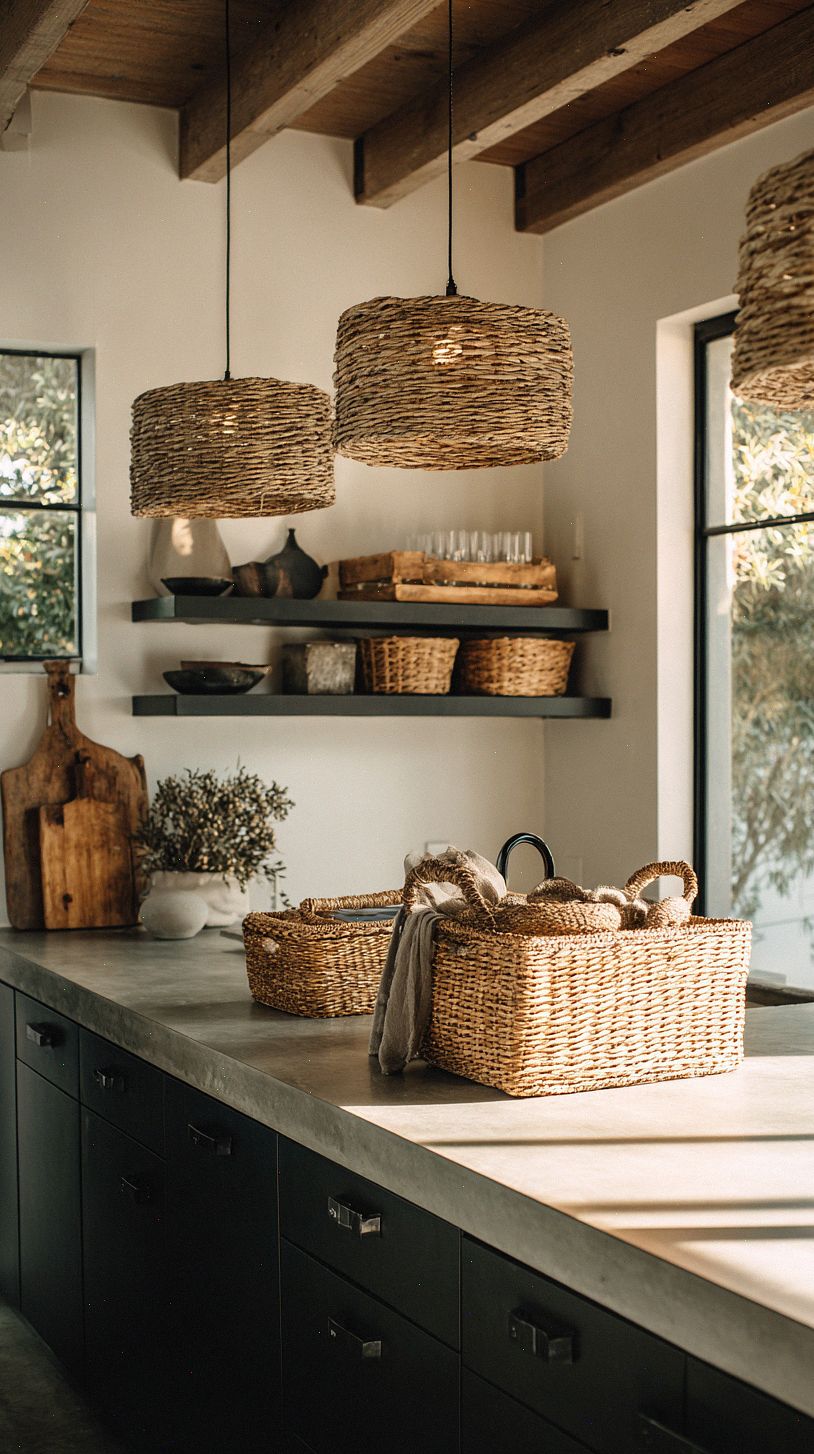
Lean toward multifunctional, durable pieces so you need fewer gadgets crowding countertops, and prioritize timeless colors like matte white, black, or stainless to maintain a calm, organic palette. Pay attention to scale and placement so your appliances feel integrated rather than imposed, letting natural warmth remain the star of the kitchen.
Lighting for Ambience and Task: Layered Approaches
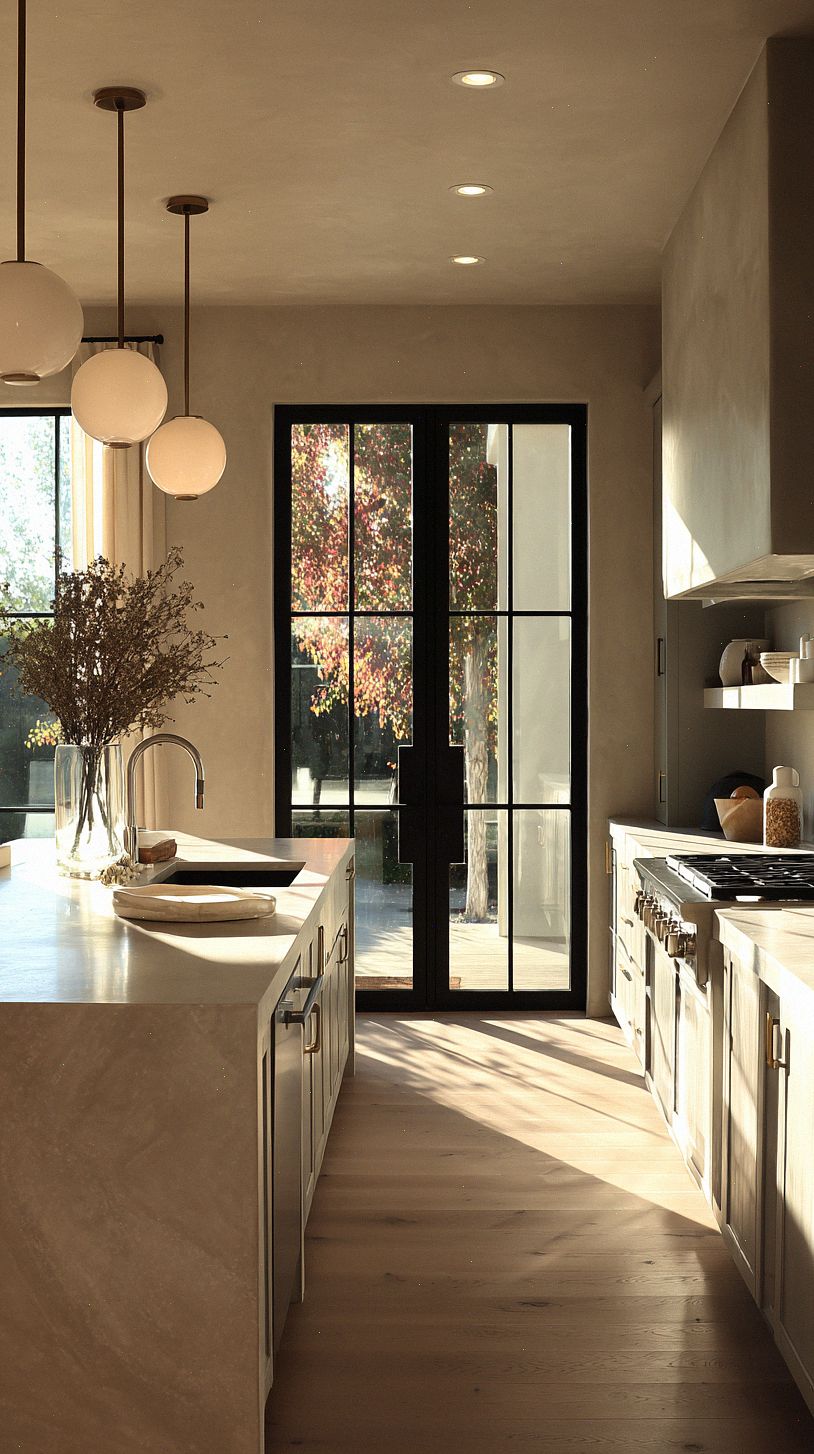
Think in layers: start with a warm ambient glow to fill the room, add focused task lighting for prep zones and the island, then tuck in accent lights to highlight open shelves, plants, or natural stone. Choose warm color temperatures around 2700–3000K and high CRI bulbs so wood tones and greenery look their best, and use dimmers or multiple switches so you can shift from bright work light to soft evening warmth.
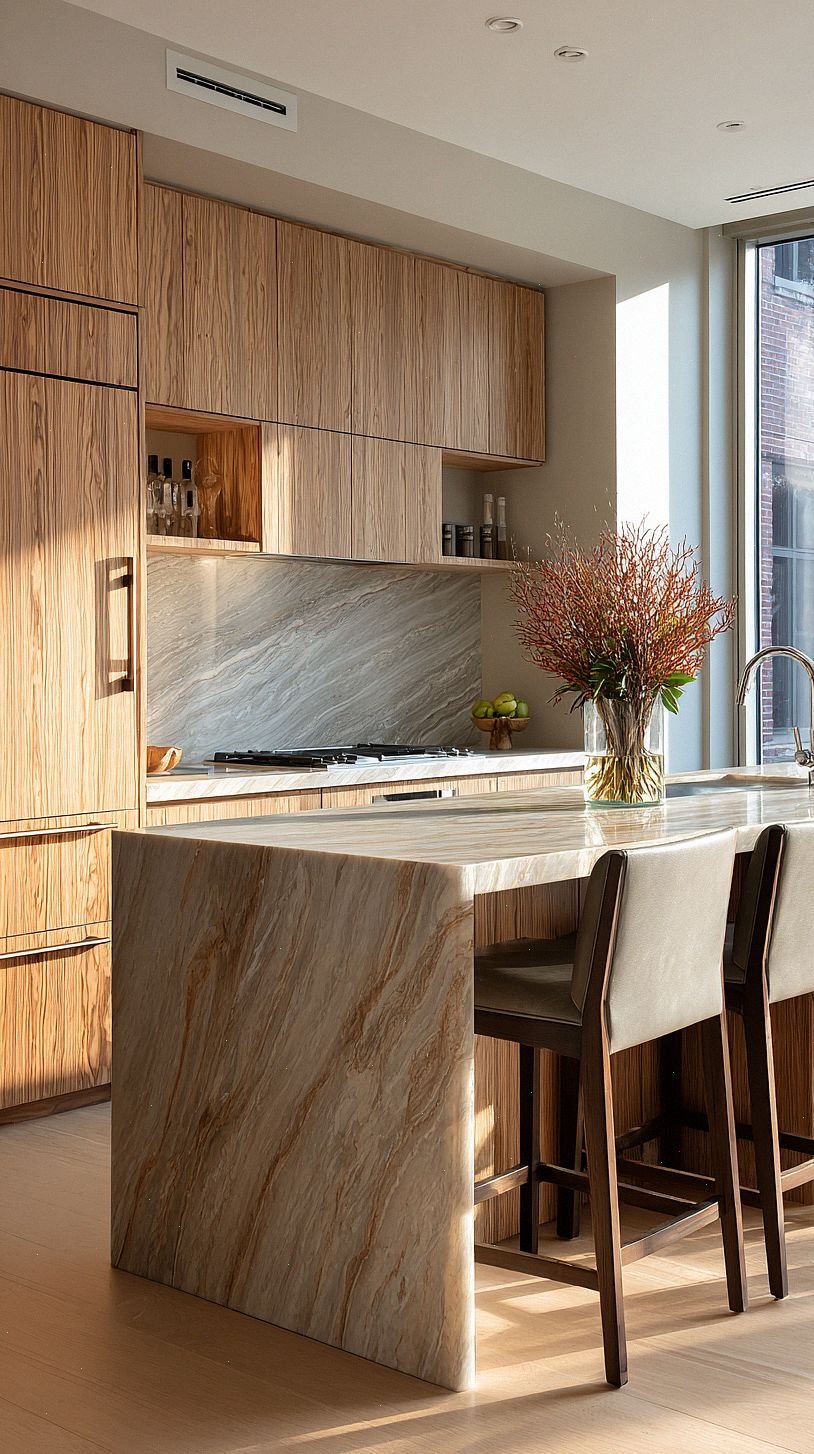
Place pendants over the island at a comfortable height and use under-cabinet LED strips to eliminate shadows on counters, while recessed or track fixtures keep the ceiling clean and uncluttered. Pick fixtures made from natural materials like rattan, wood, or brass to reinforce the organic vibe, and consider adjustable heads or directional accent lights so you can fine-tune the mood and function as your needs change.
Styling with Plants, Textiles, and Handmade Pieces
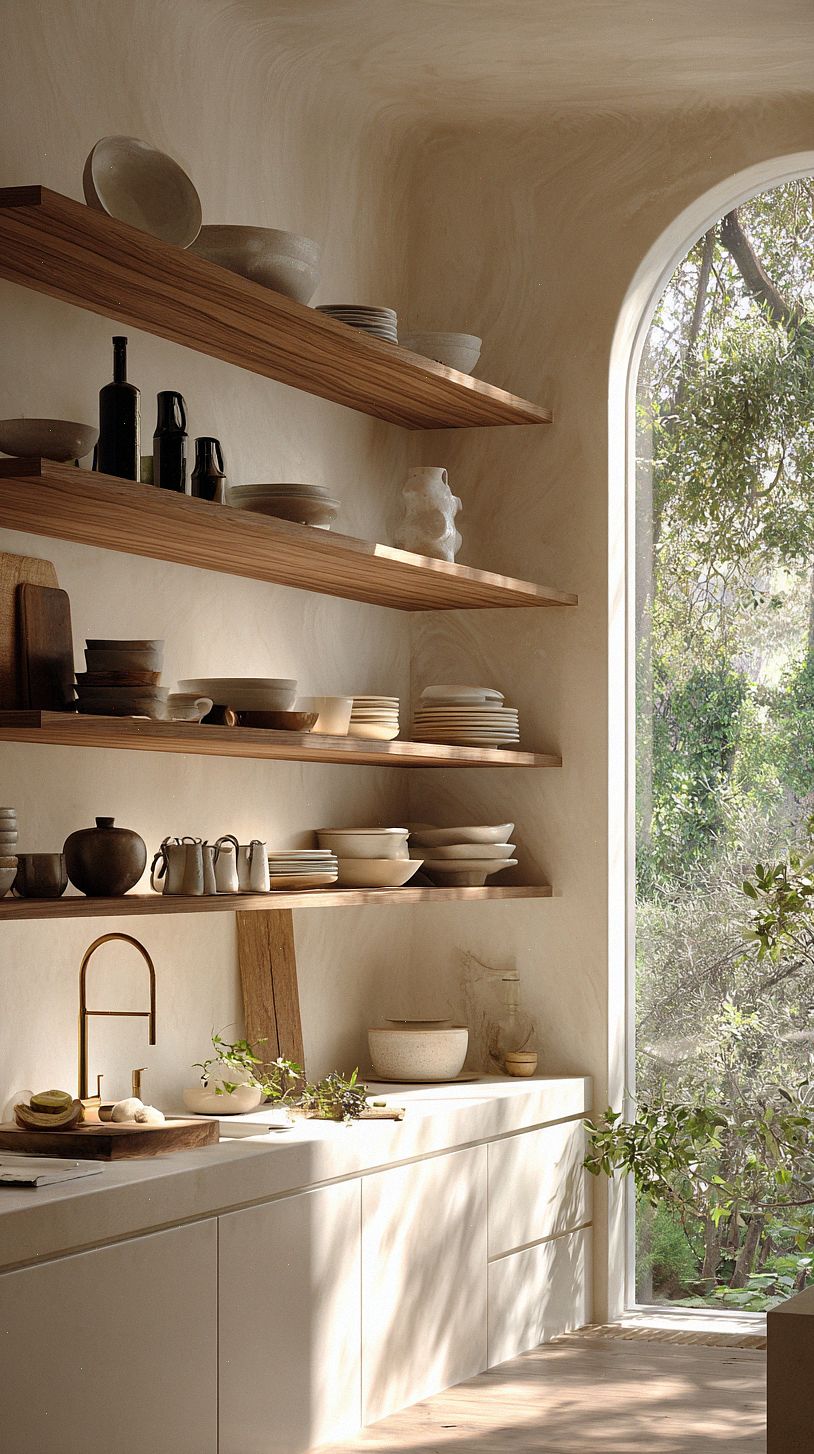
Think of plants as living accents you can move around to change the mood of the room. Line a sunny sill with herb pots for easy cooking, tuck a trailing pothos on an open shelf to soften sharp lines, and scatter a few succulents or a larger fiddle leaf fig in a corner to add height. Pick pots in terracotta, unglazed clay, or matte ceramics so the green really pops and feels grounded.
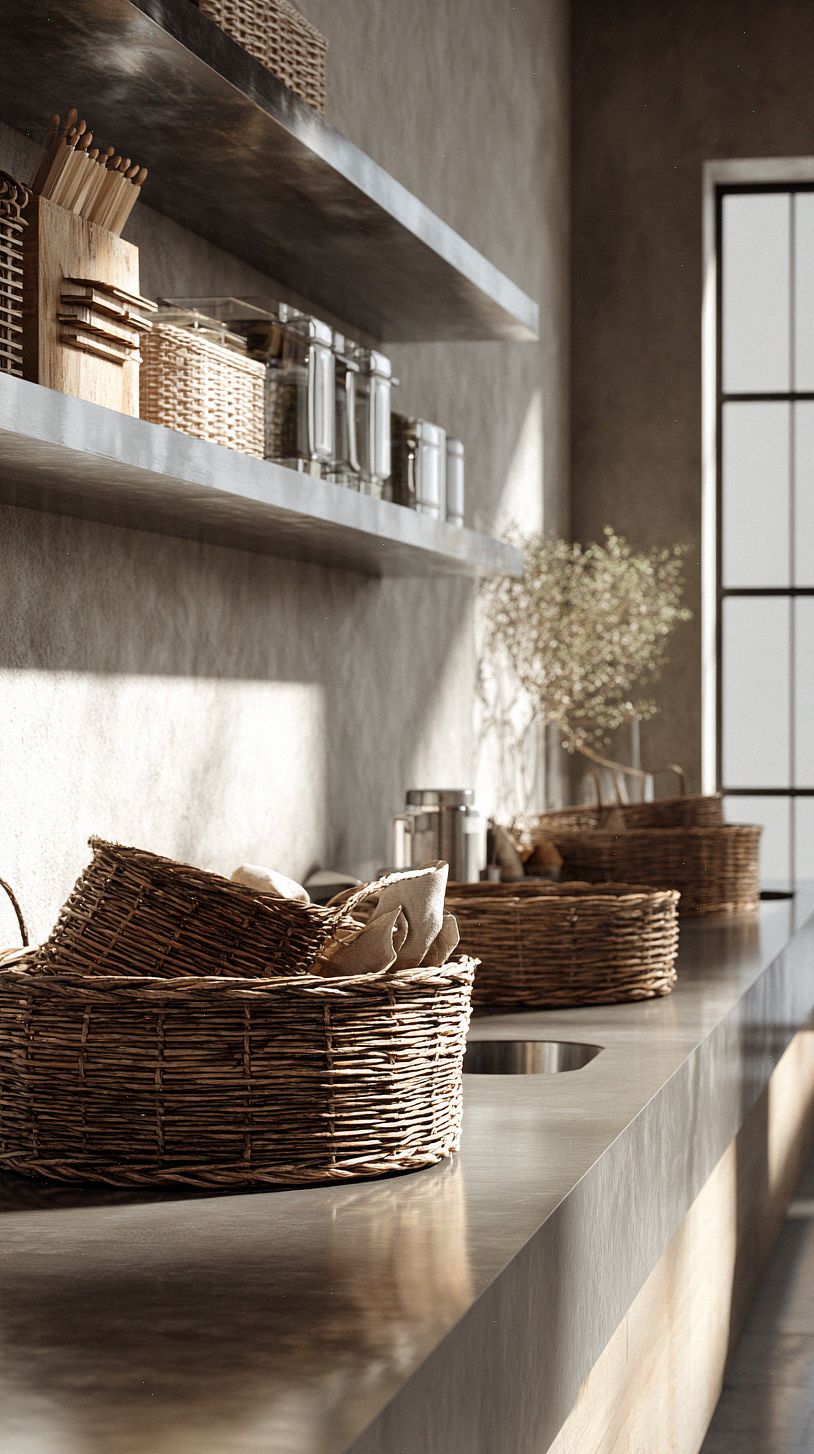
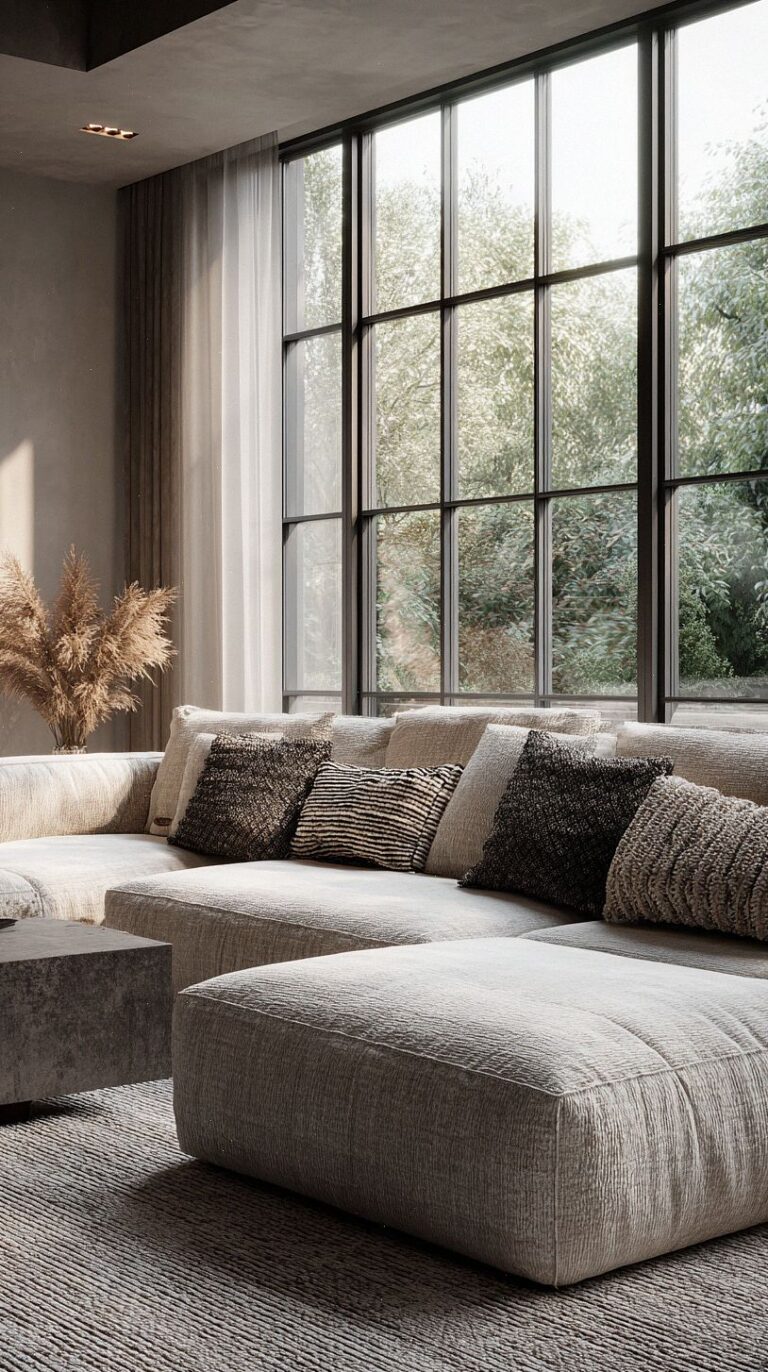
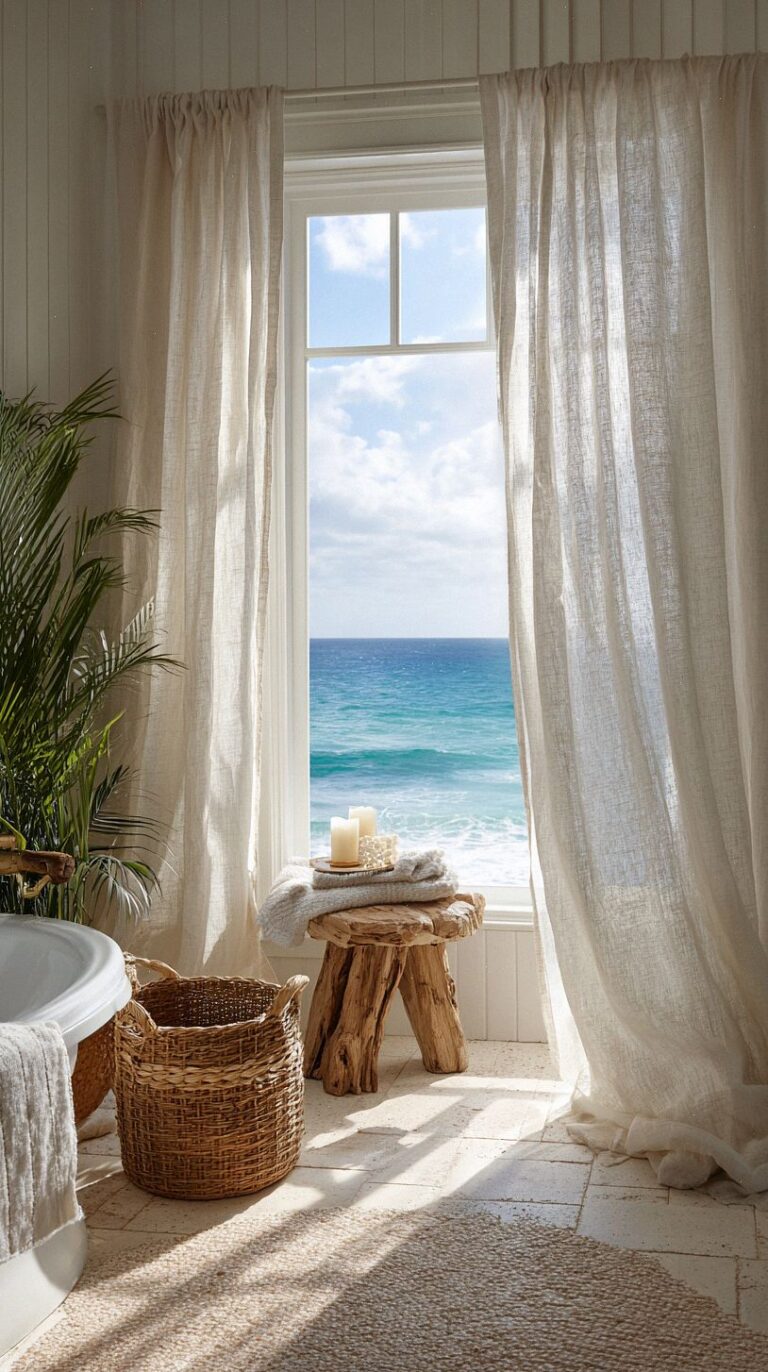
Layer in textiles and handmade pieces to add warmth and texture: linen tea towels, a natural fiber runner, woven baskets for storage, and a couple of hand thrown bowls or a carved wooden board left out on the counter. Stick to warm neutrals and a few muted accent tones, mix smooth and rough surfaces, and keep only the pieces you love visible so the kitchen feels curated rather than cluttered.
Practical Tips and Modern Trends for Longevity
Pick materials and finishes that actually stand up to real life: quartz or well-sealed concrete countertops, oil-finished or lacquered wood that you can refresh, and matte hardware that hides fingerprints. Opt for modular cabinetry and replaceable fittings so you can upgrade pieces instead of gutting the room, and choose energy- and water-efficient appliances and fixtures to cut long-term costs.
Lean into modern trends that boost longevity and comfort, like biophilic touches for better air and mood, smart controls for lighting and ventilation, and engineered floors such as cork or bamboo that resist wear while feeling warm underfoot. Mix closed storage with open shelving to keep clutter down, use non-toxic finishes, and layer warm, neutral textures so your kitchen stays both timeless and adaptable as your needs change.