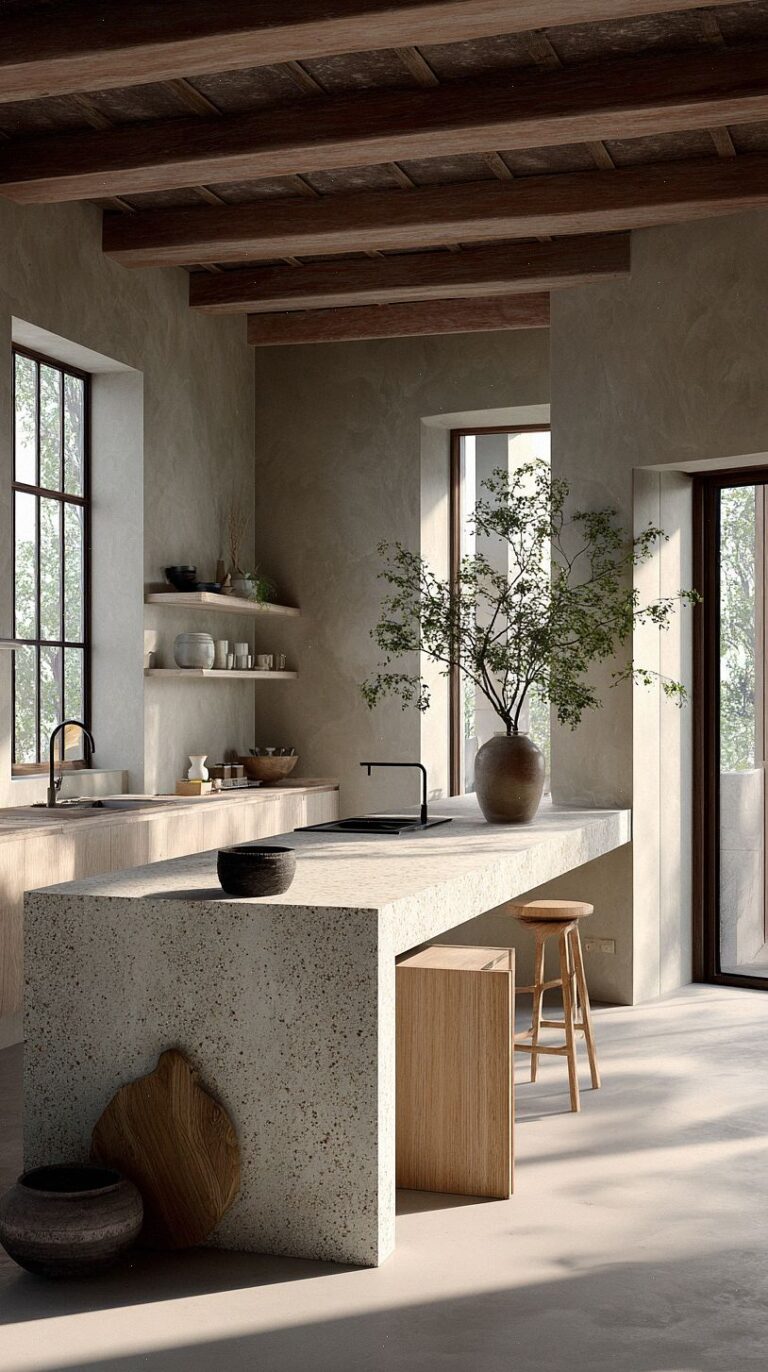
20 Stunning Dark Kitchen Ideas for Modern Dramatic Homes
We’ve always been drawn to kitchens that feel cinematic, bold, moody and somehow incredibly inviting. Dark kitchens don’t have to be cold or overpowering; when we balance rich hues with thoughtful finishes and the right accents, they become cozy stages for everyday life. In this article we’ll show you how to embrace drama without sacrificing warmth or function, turning shadowy surfaces into a statement that feels modern and luxurious.
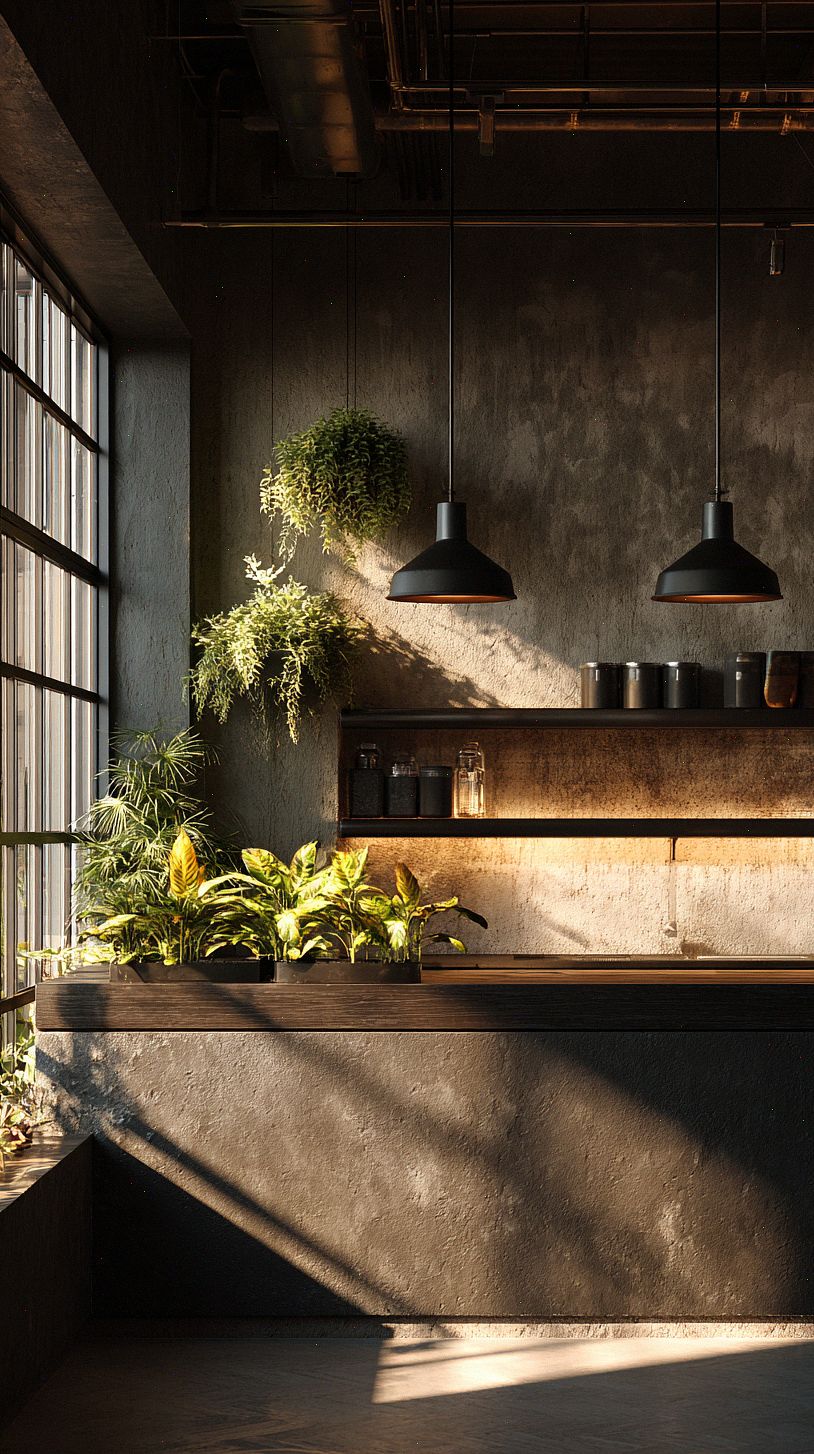
From choosing a sumptuous color palette and mixing matte and gloss finishes to layering textures, metallic hardware and standout lighting, we’ll walk through ten practical ideas that make dark kitchens sing. You’ll see how contrasting countertops, reflective backsplashes, streamlined cabinetry, show stopping islands, open shelving, and durable dark flooring all work together to create a sophisticated, livable experience.
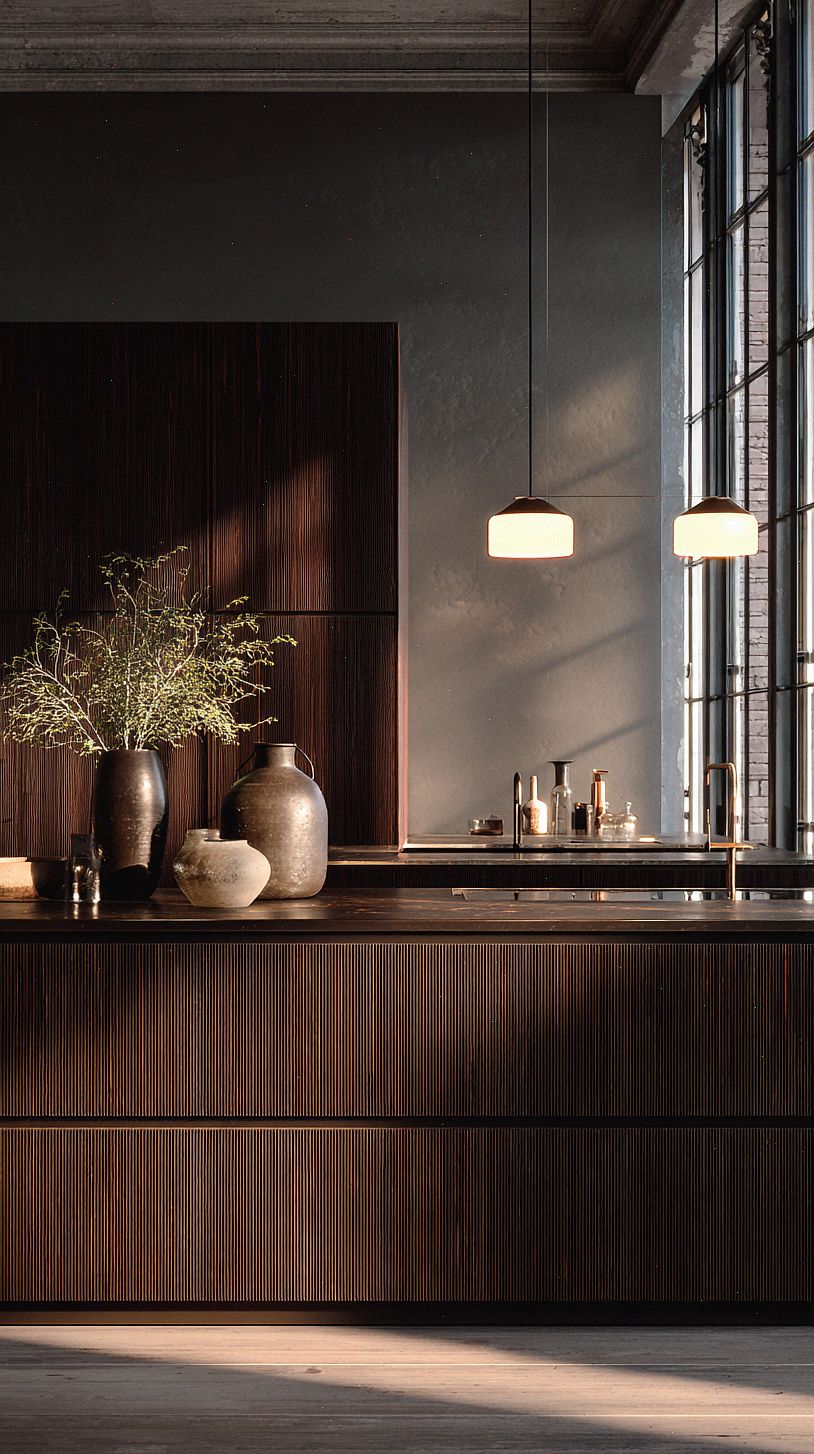
Choose a Rich Color Palette for Moody Elegance
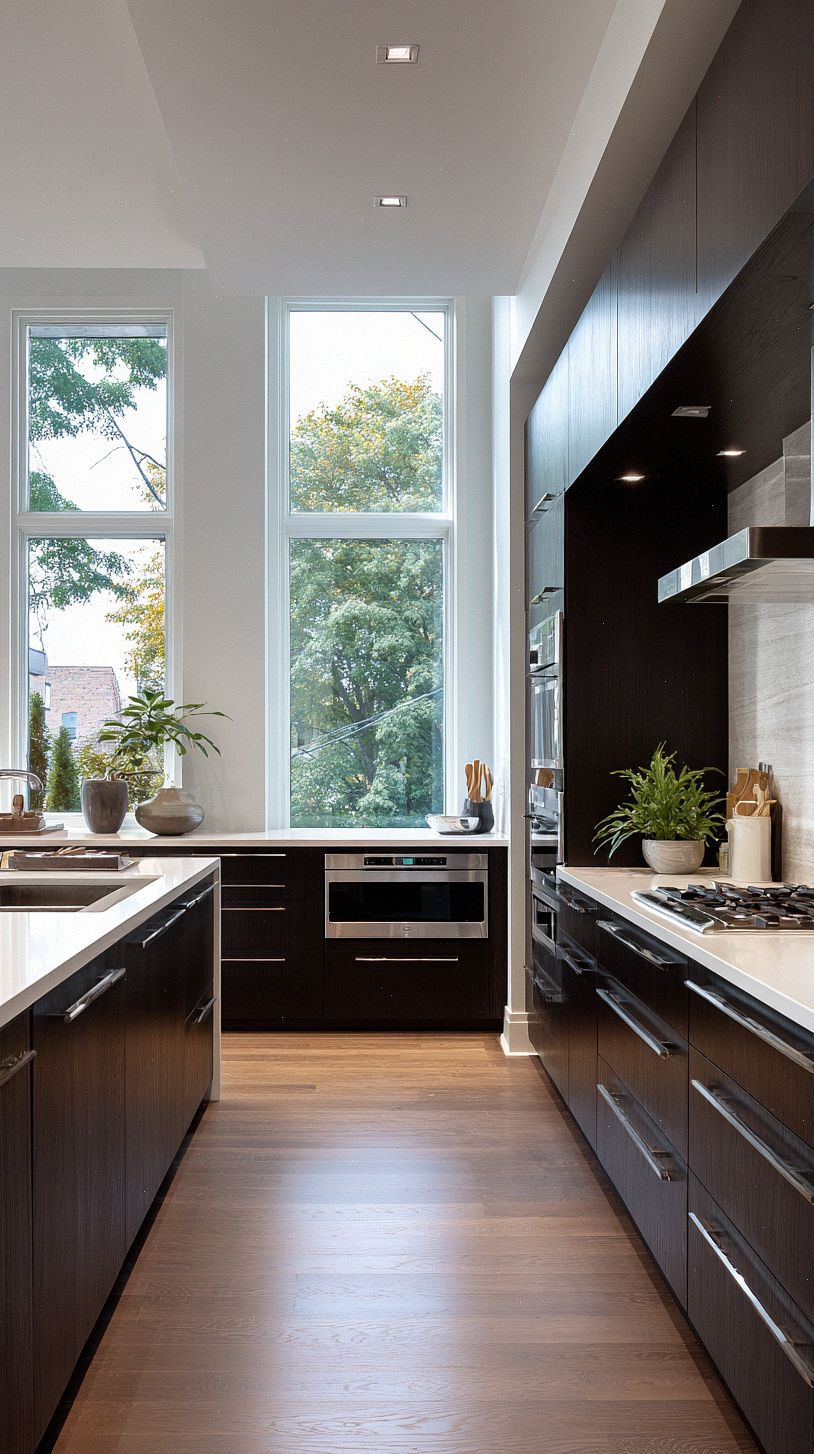
Opt for deep, saturated hues like charcoal, navy, forest green or espresso as your base and then layer in softer neutrals and warm metals so the room reads sophisticated instead of flat. Try the 60-30-10 rule, 60% your main color on walls or lower cabinets, 30% a coordinating shade for islands or upper cabinetry, and 10% in metallics or jewel-toned accents, to get that moody, curated balance. Always test swatches at different times of day so you can account for undertones and avoid a color that looks muddy under evening light.
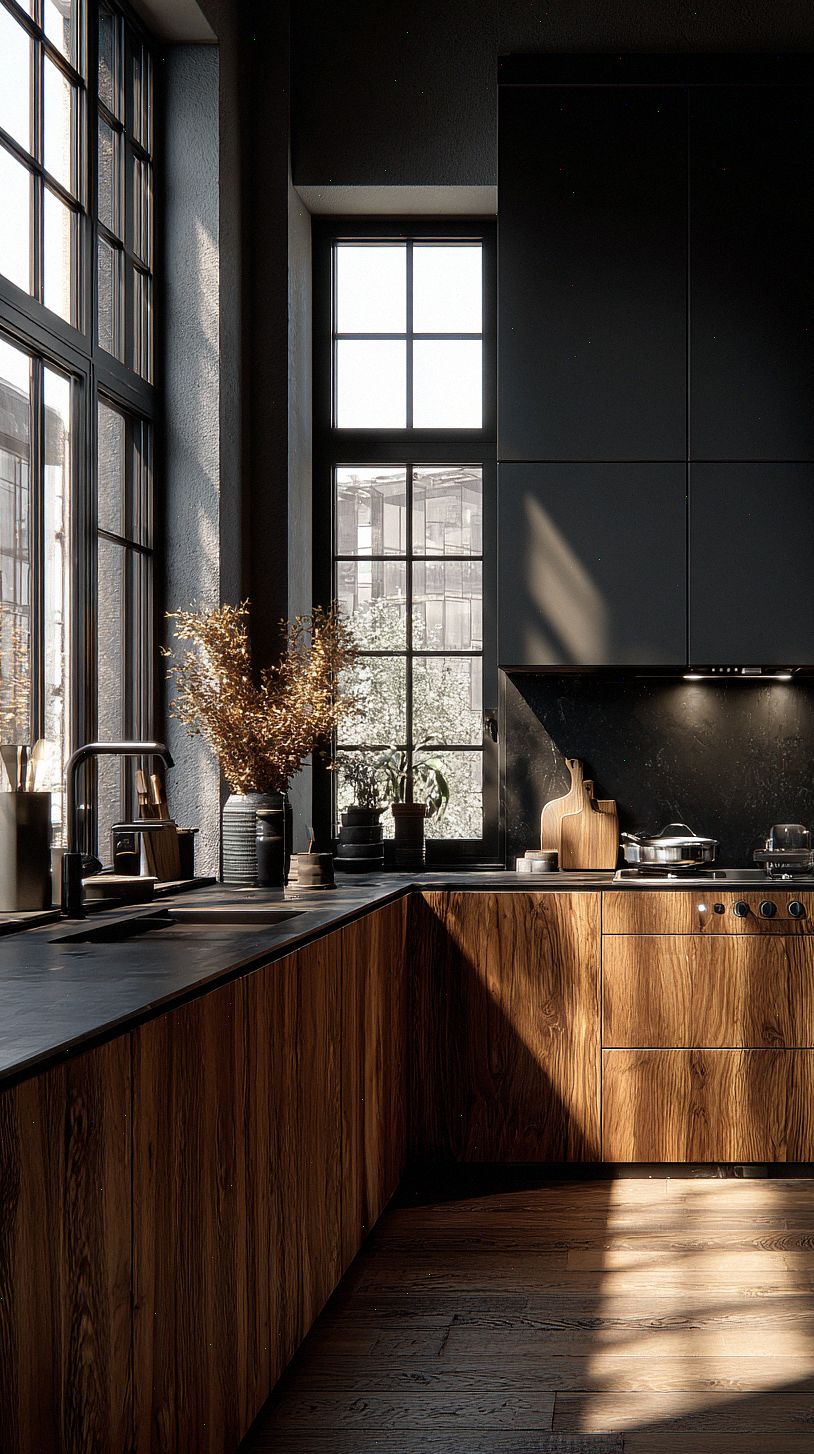
Think beyond paint: matte cabinetry, honed stone countertops, walnut floors and brass or aged bronze hardware add tactile richness and subtle contrast. Use warm, directional lighting, under cabinets, pendant mood lighting, to highlight textures and keep the space dramatic but usable, and add a single glossy or velvet accent (like a leather bar stool or jewel-toned tile) to catch the eye without breaking the elegance.
Mix Matte and Gloss Finishes to Add Depth
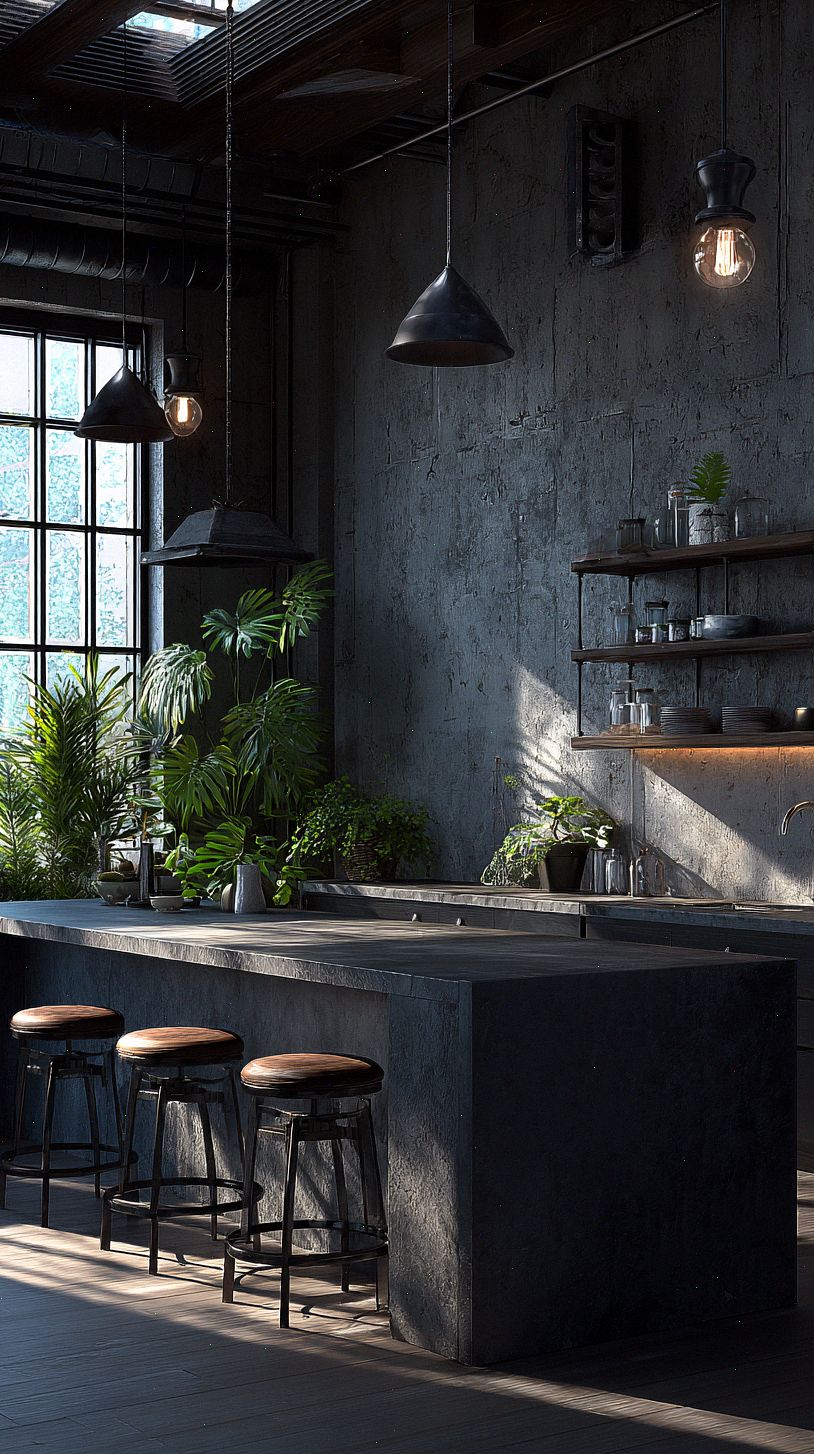
Pairing matte and gloss is an easy trick to give your dark kitchen dimension without changing colors. Use matte finishes on large planes like cabinetry or walls to absorb light and feel velvety, then add gloss on focal elements, an island front, backsplash tiles, or a lacquered hood, to catch reflections and create movement as you walk through the space.
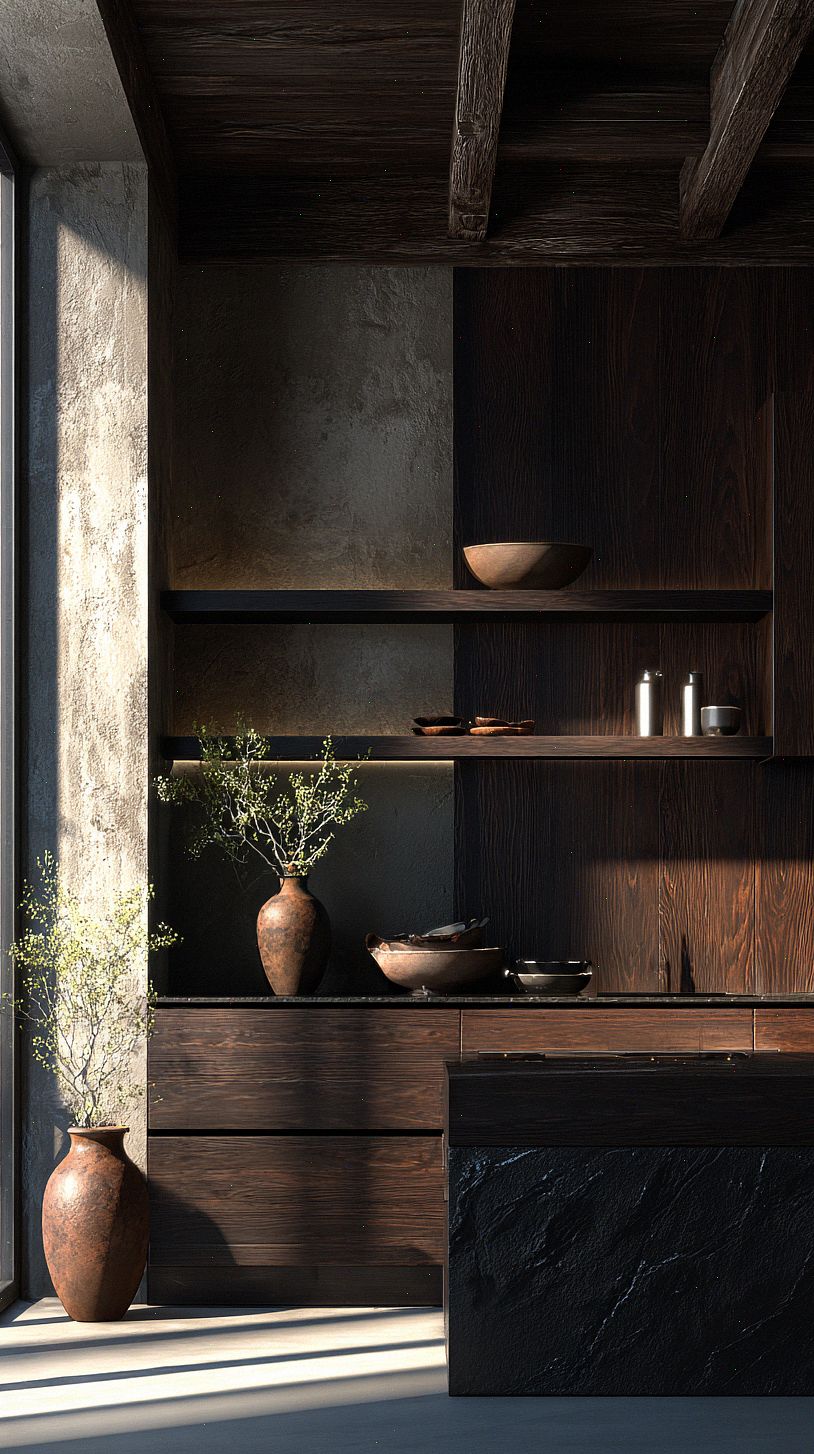
Be intentional: keep most surfaces matte for warmth and hide fingerprints, reserve high-gloss for accents that you want to pop, and choose contrasting hardware (brass or black chrome) to bridge the two. The result is a layered, tactile kitchen that feels modern and dramatic rather than flat or cold.
Install Statement Lighting to Lift Dark Surfaces
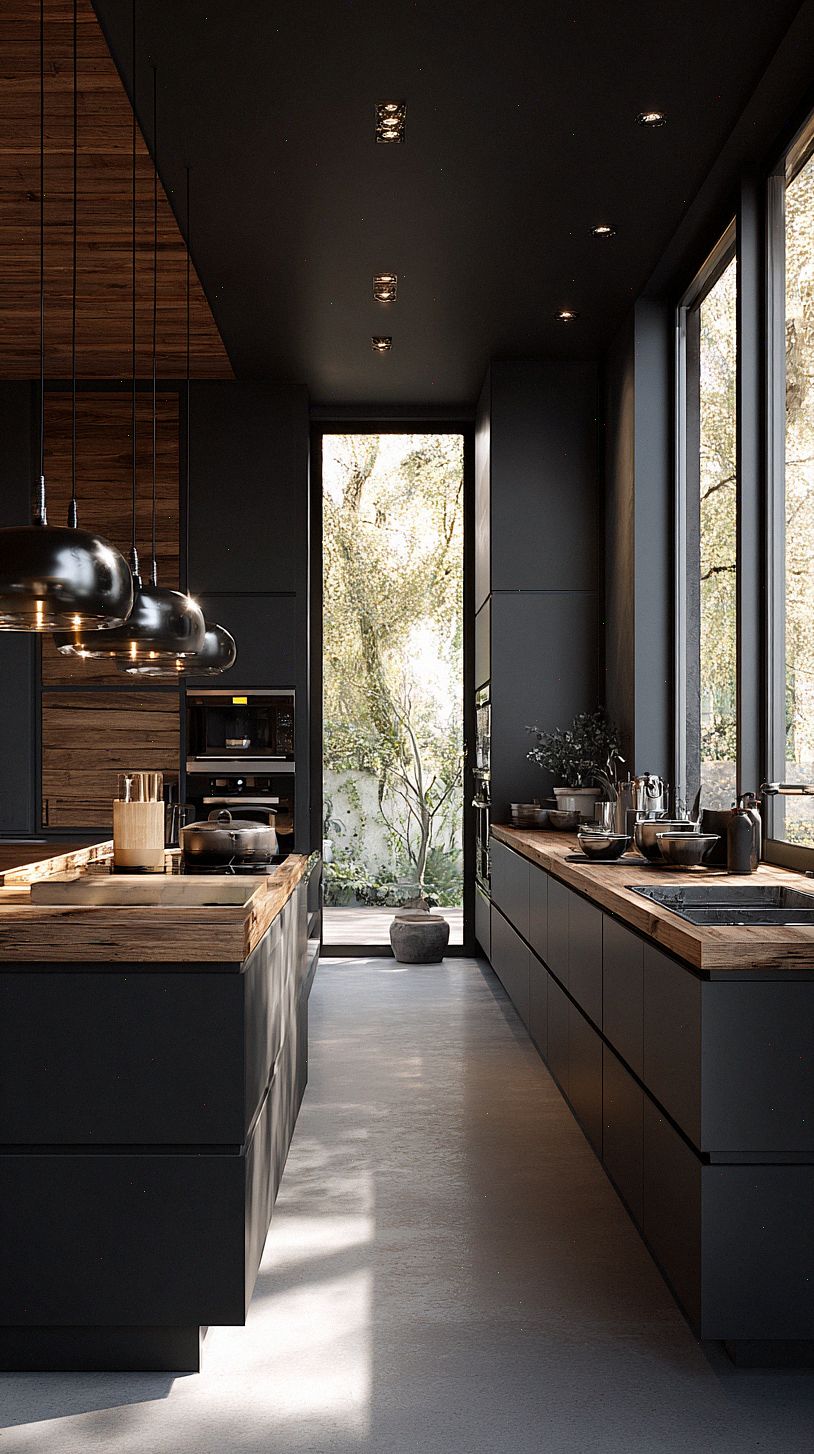
Dark kitchens can feel heavy, but a bold light fixture makes them sing. Install a sculptural pendant or oversized chandelier above your island to create a focal point that throws soft, reflective light across matte surfaces and brings out wood grain, veining, or metallic accents. Choose fixtures with warm interiors or glass diffusers so the glow lifts the darkness without glare.
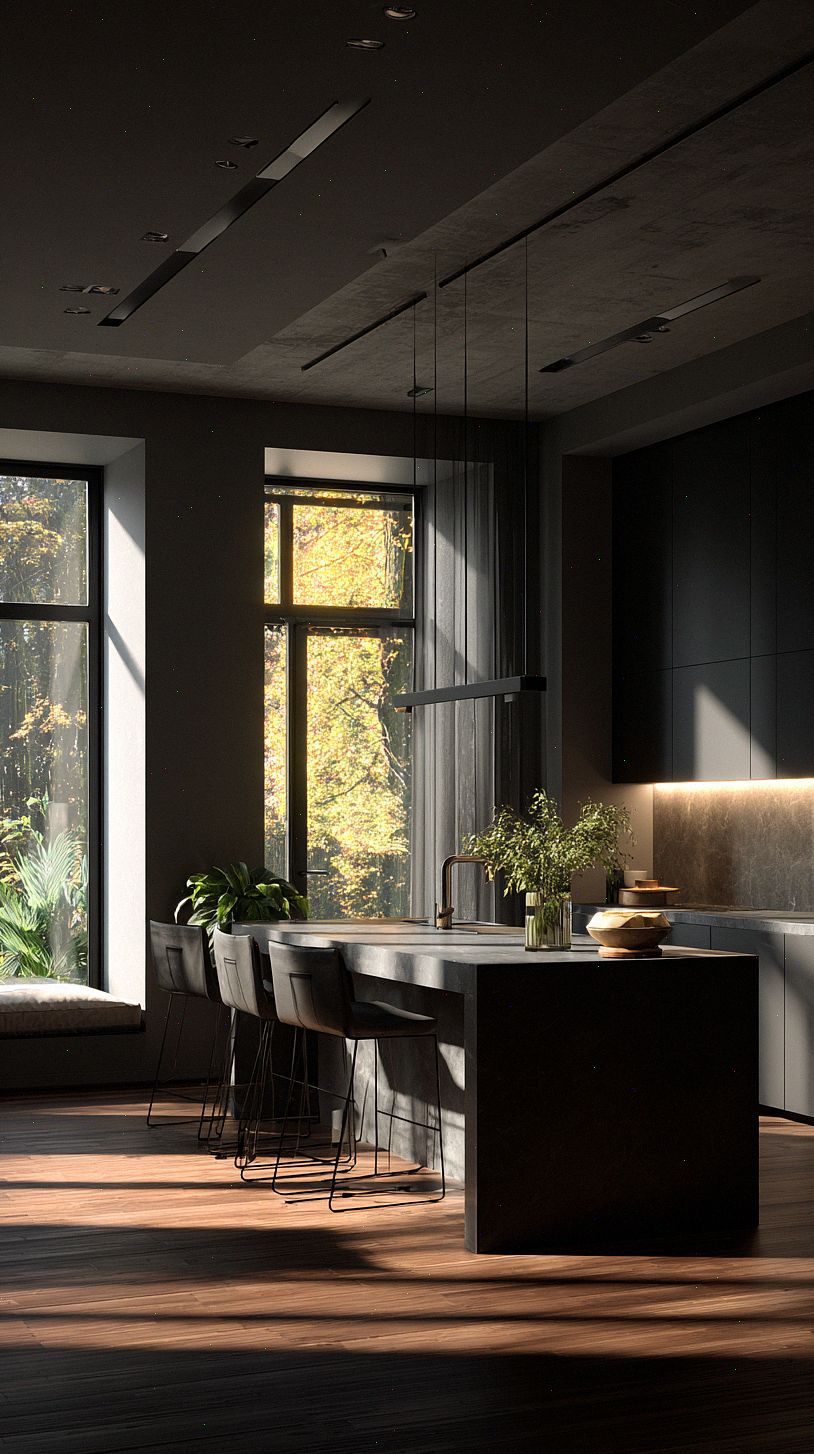
Layer that statement piece with recessed task lights and under-cabinet strips so you avoid shadows while keeping the mood dramatic; add dimmers to shift from bright prep to cozy entertaining. Pick finishes like aged brass, copper, or polished chrome to contrast and bounce light off dark cabinetry for an instantly elevated look.
Use Contrasting Countertops for Visual Interest
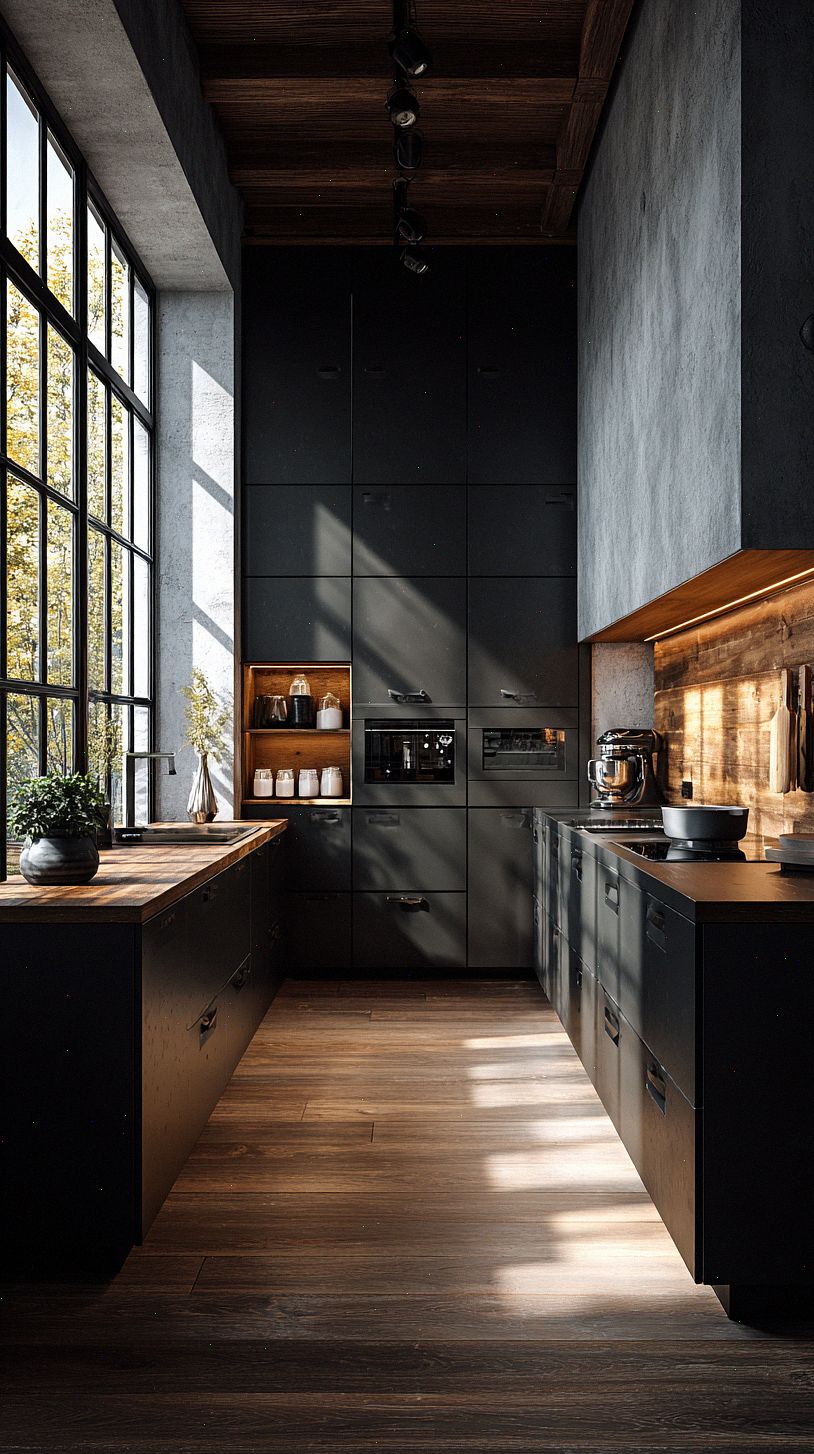
Pairing a light countertop with dark cabinets instantly gives your kitchen a focal point and prevents the space from feeling heavy. A white or veined marble waterfall island, pale quartz, or warm butcher block sitting against matte black or deep navy cabinetry creates striking contrast and a luxe, modern vibe you can see from across the room.
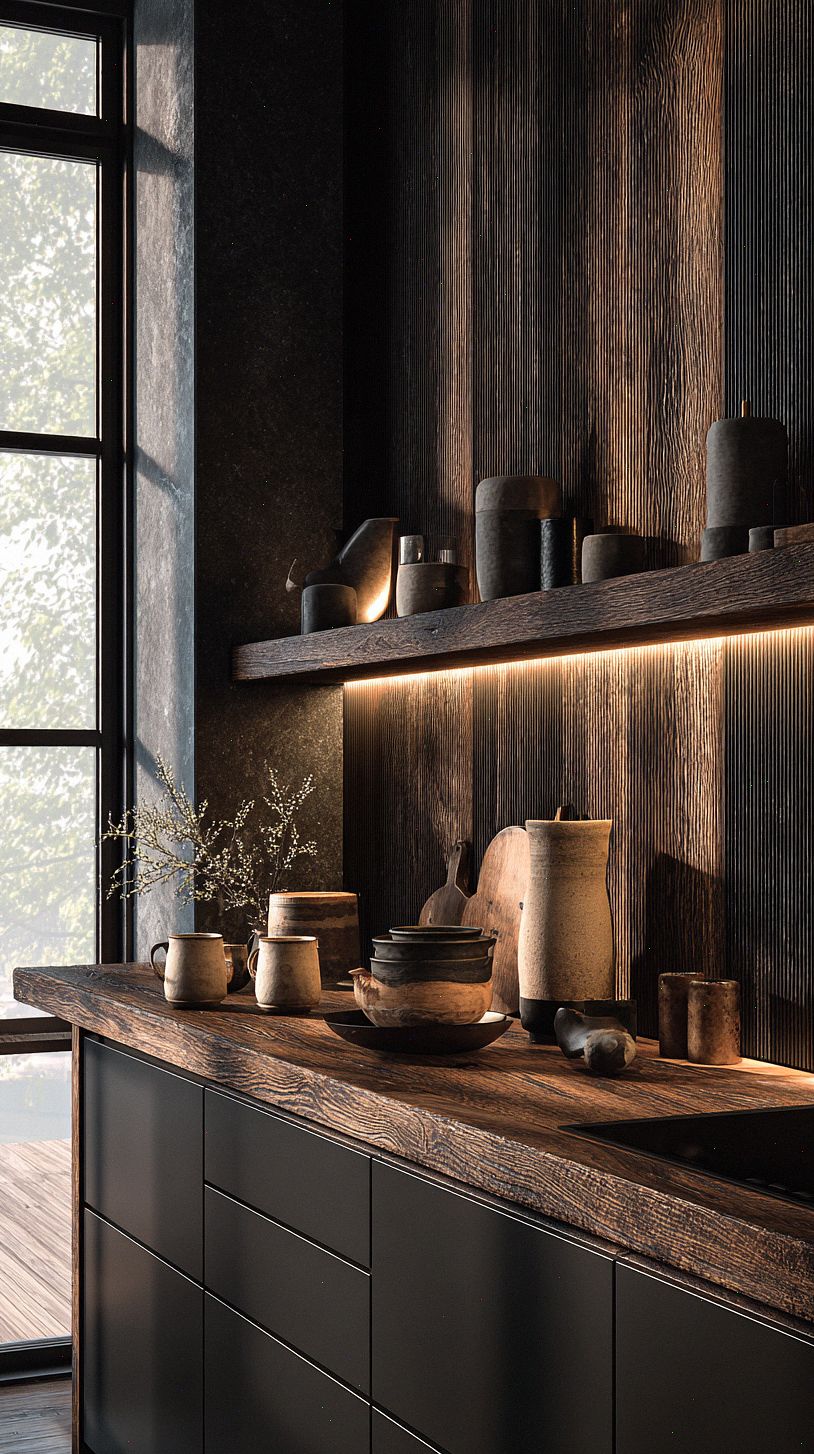
Think about texture and function as well: a honed stone adds subtle depth, polished surfaces bounce light, and wood softens the drama. Test samples in your kitchen lighting, choose an edge profile that complements the style, and consider matching the countertop to a slim backsplash or a metallic accent to tie the look together.
Add Reflective Backsplash Materials to Brighten
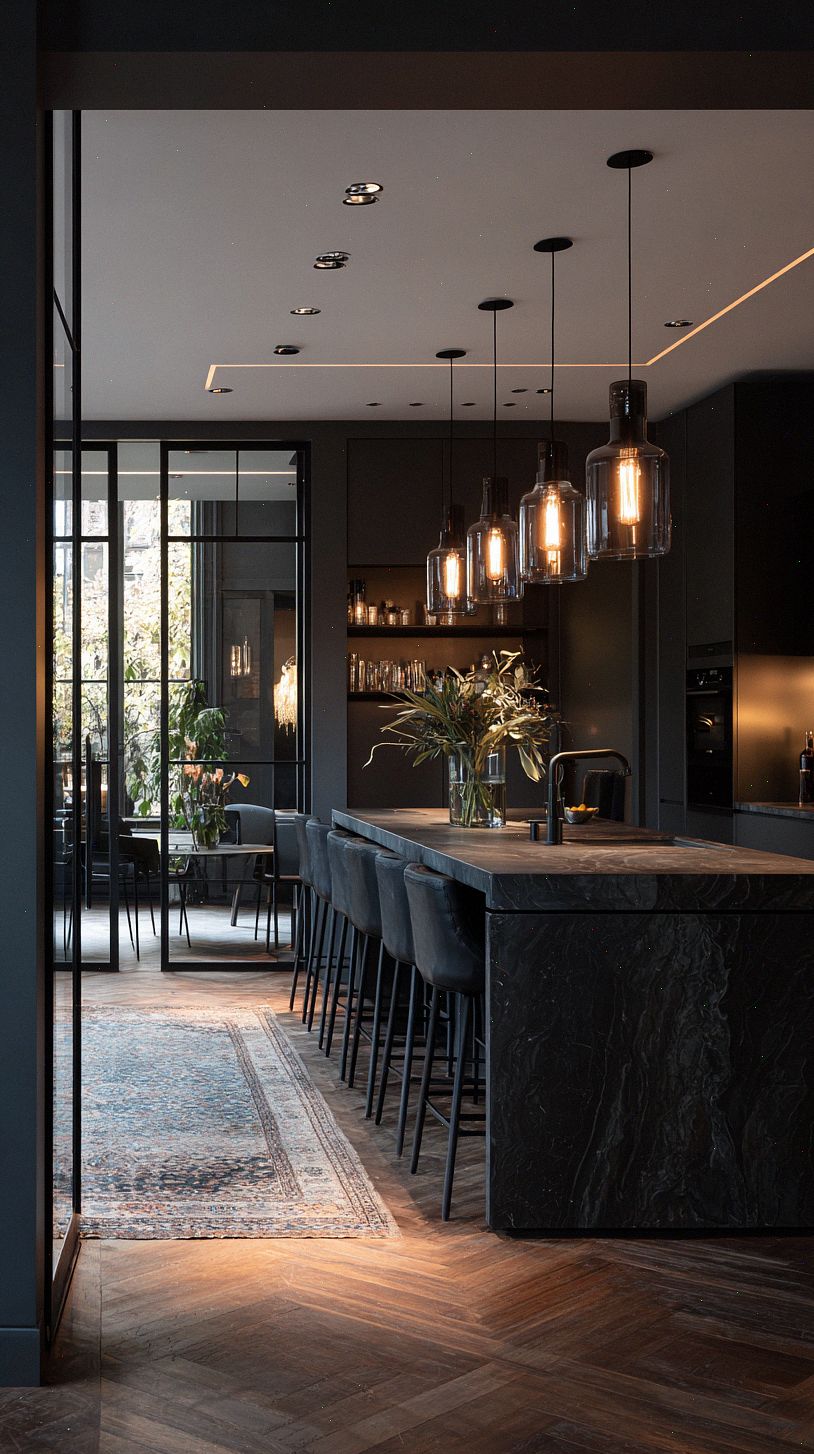
When you choose a reflective backsplash, you give a dark kitchen instant lift , those mirrored glass, polished stainless, or metallic tiles catch and scatter light so shadows soften and the space feels larger. Pick finishes like high-gloss ceramic or mother-of-pearl for subtle shimmer that complements matte cabinets rather than competing with them.
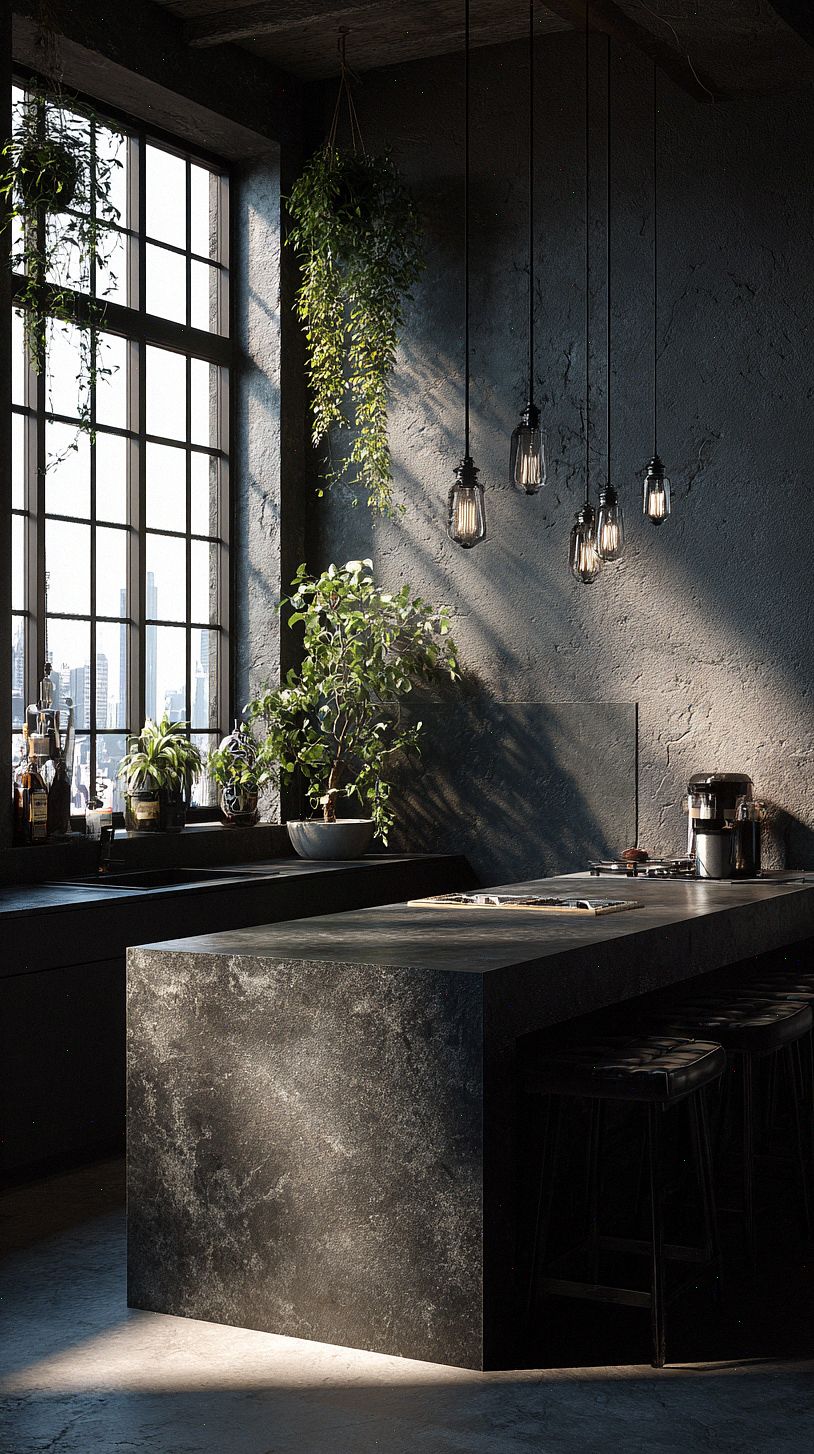
Amplify the effect with under-cabinet or toe-kick lighting so every reflective surface works harder, and keep grout and pattern simple to avoid visual clutter. Remember practicalities too: stainless shows fingerprints, tempered glass wipes clean, and pairing shiny backsplashes with matte countertops or wood keeps the drama balanced.
Opt for Streamlined Dark Cabinetry with Warm Wood Accents
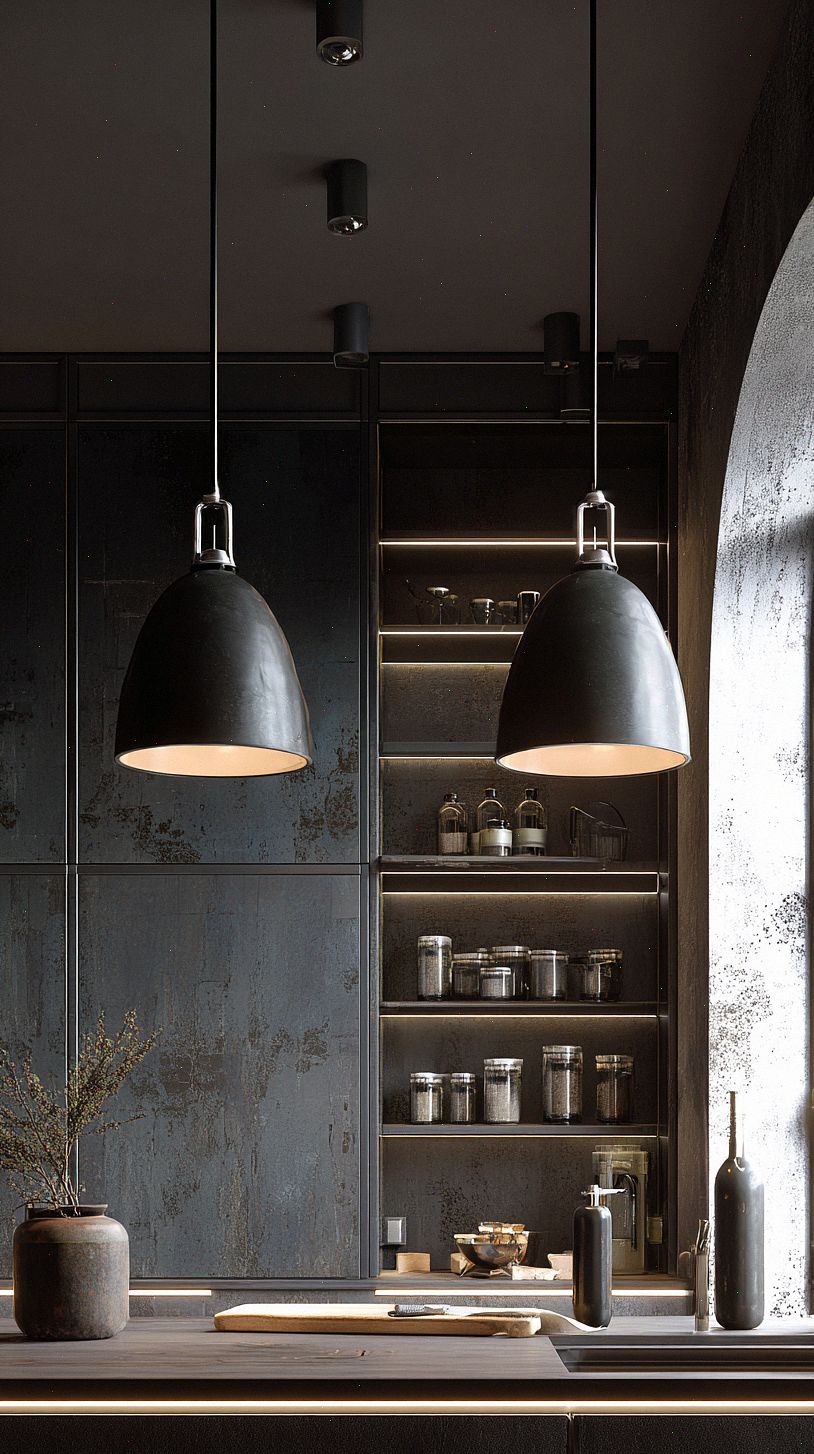
Choose streamlined dark cabinetry to give your kitchen instant drama without feeling heavy. Go for matte black or deep charcoal, flat-front or handleless doors, and clean continuous lines so the darkness reads modern and intentional. Built-in appliances and hidden storage keep the silhouette uncluttered, letting the cabinetry make a bold but measured statement.
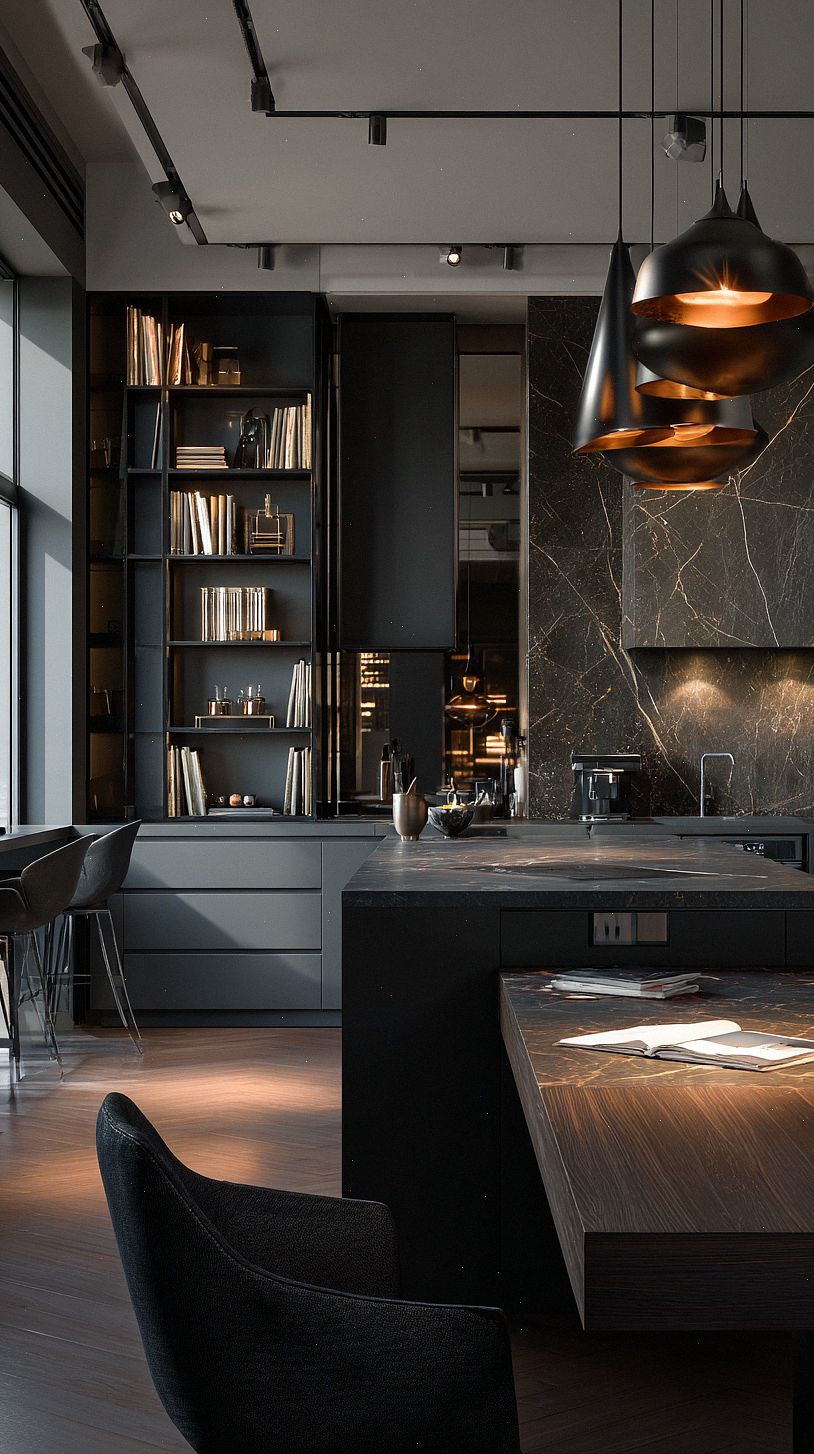
Warm wood accents bring that drama back to a cozy place, think walnut island faces, floating oak shelves, or a butcher-block prep area that softens the black. Pair with honed stone or light countertops, subtle brass pulls, and layered lighting so the wood grain glows and your space feels balanced, textured, and inviting rather than cold.
Create a Bold Kitchen Island as the Focal Point
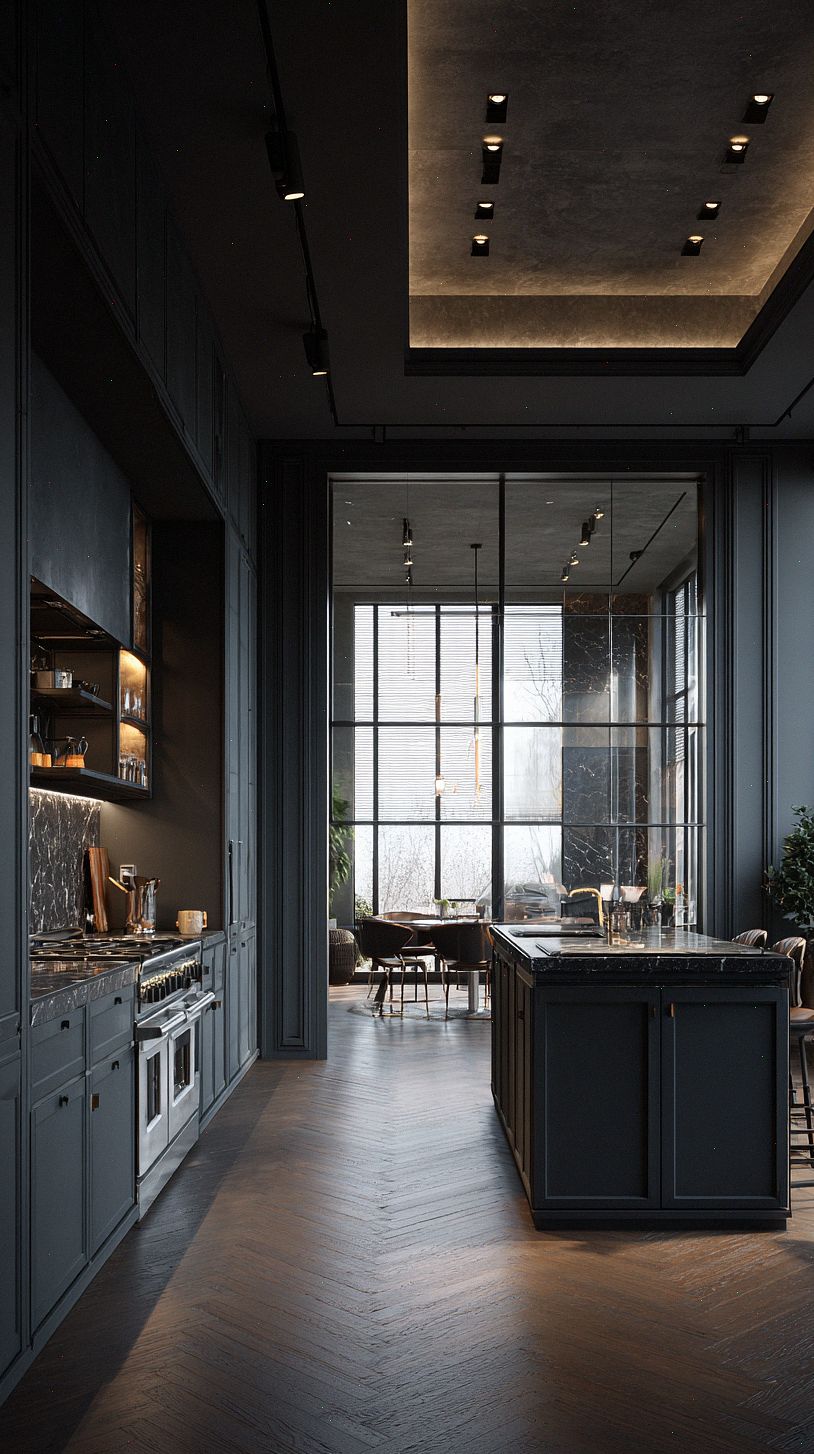
Your island should be the room’s main event , pick a deep, saturated finish like matte black, navy, or emerald and make it larger than you think you need so it reads as a statement. Anchor it with a contrasting countertop (white marble waterfall, warm oak slab, or textured concrete), bold hardware, and comfy counter stools to invite guests to gather.
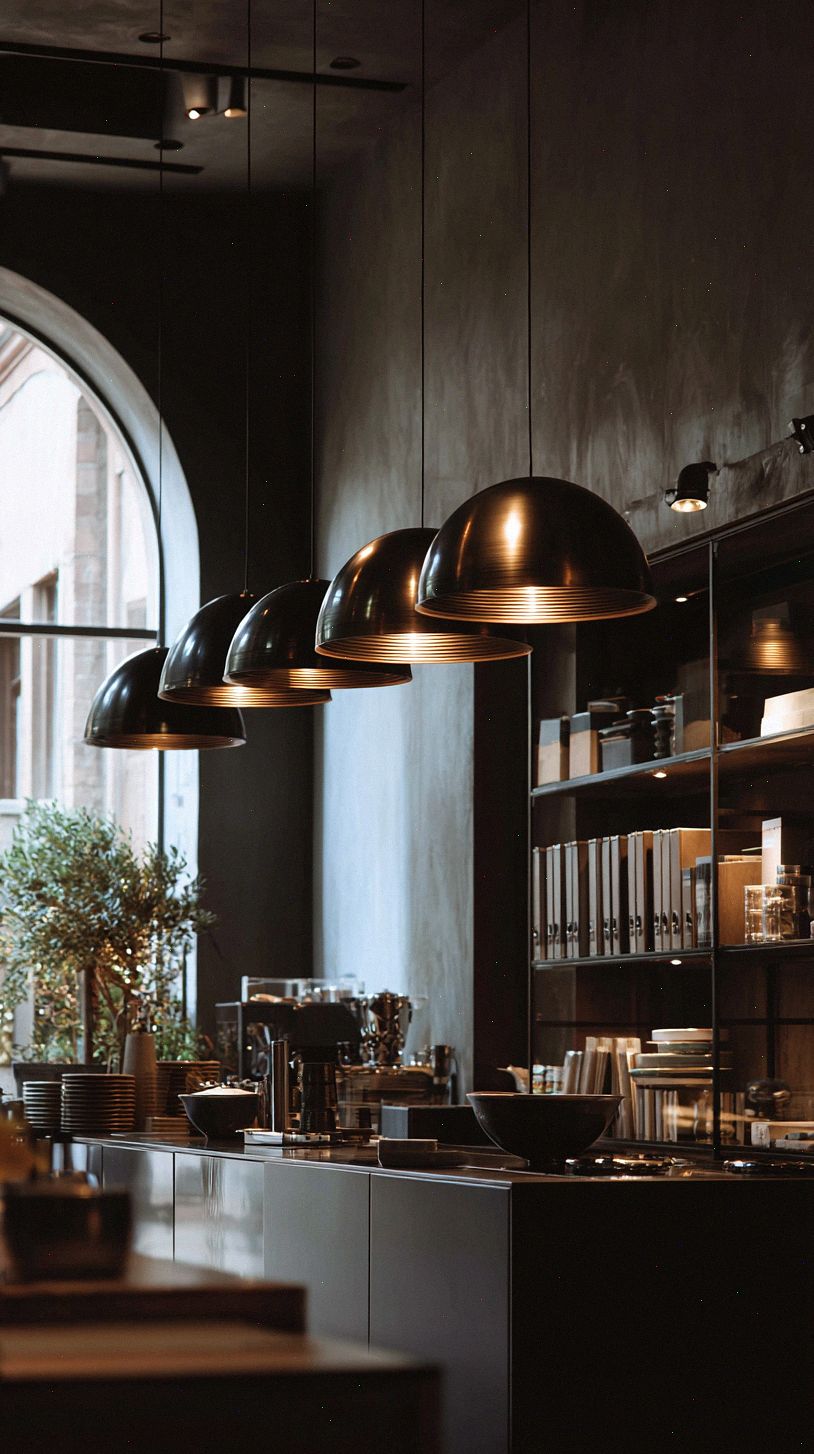
Use focused pendant lighting to spotlight the island and repeat small accents , a brass tap, matching bar chairs, or a dark open shelf , around the kitchen so the island feels intentional, not overwhelmed. Keep surrounding cabinetry simpler or lighter to let the island pop while maintaining good traffic flow and storage functionality.
Incorporate Open Shelving and Glass to Break Up Darkness
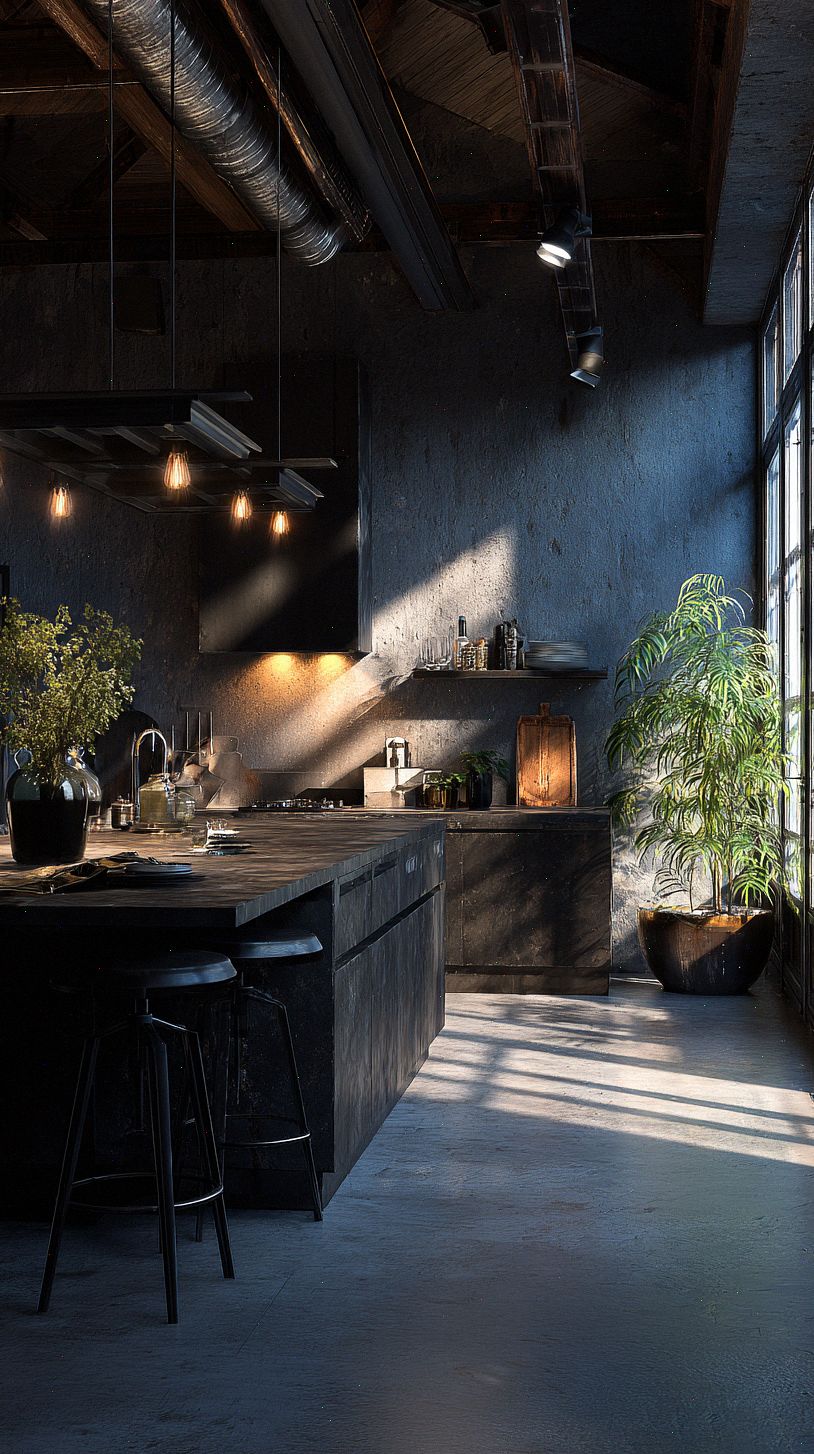
If your dark kitchen starts to feel too heavy, open shelving and glass-front cabinets act like visual breathers. Swap a run of upper cupboards for floating wood shelves or replace a few doors with clear glass to break up big swaths of black or charcoal while keeping the dramatic mood. Mix materials, reclaimed wood, slim brass brackets, matte black supports, to add warmth and modern texture.
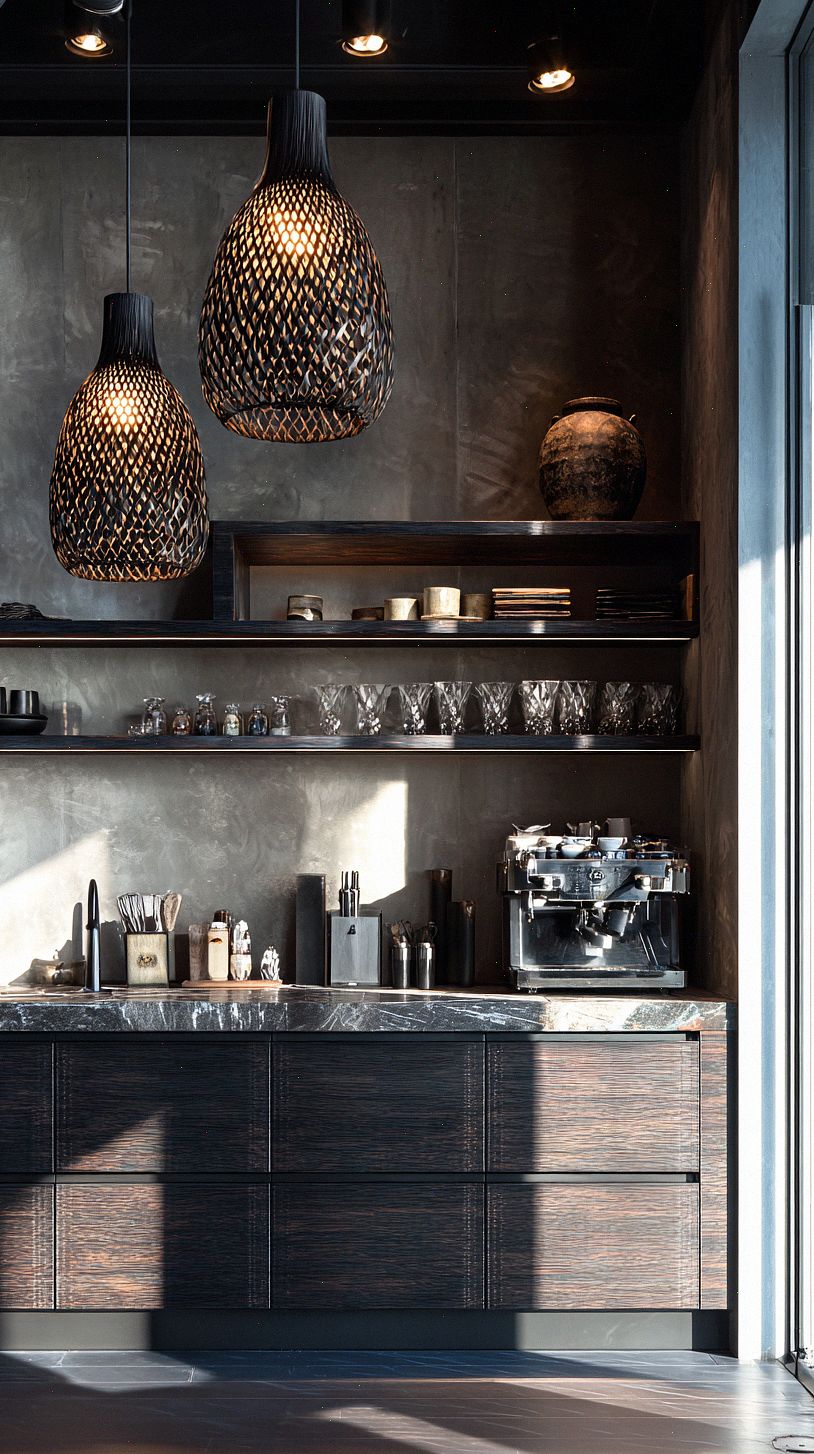
Style shelves with lighter or reflective pieces like white stoneware, clear glassware, woven baskets, and a couple of cookbooks to create contrast and rhythm. Add subtle LED strip lighting or interior cabinet lights behind glass to highlight textures and make the space feel layered and inviting, but leave negative space so the display reads intentional, not cluttered.
Select Durable Dark Flooring That Grounds the Room
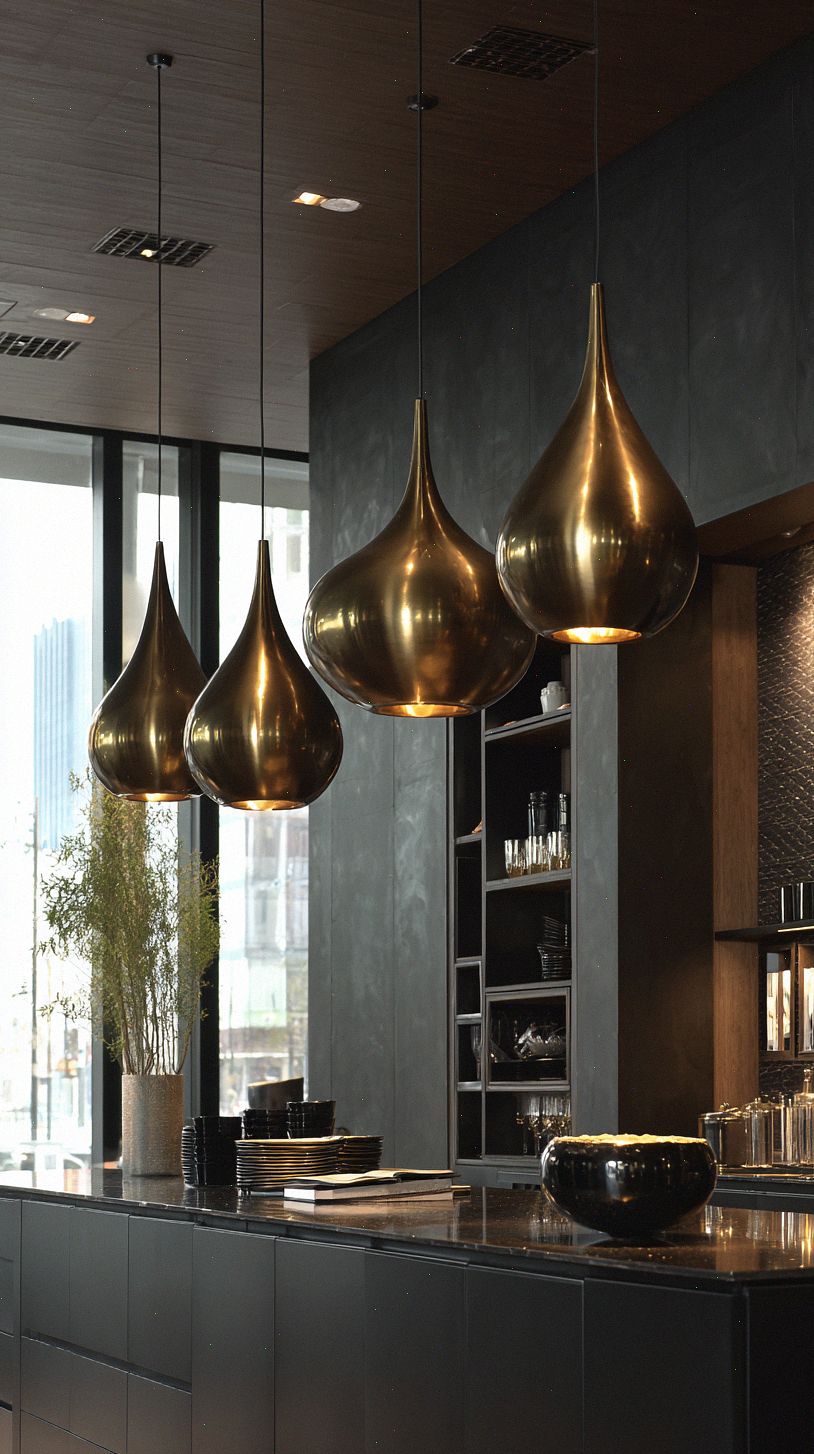
Choose a dark, durable floor that actually works in a busy kitchen, think wide-plank engineered wood, stained hardwood with a tough finish, or large-format matte porcelain tile that resists scratches and moisture. These options ground the space visually and stand up to spills, foot traffic, and the occasional dropped pan so your dramatic look stays beautiful over time.
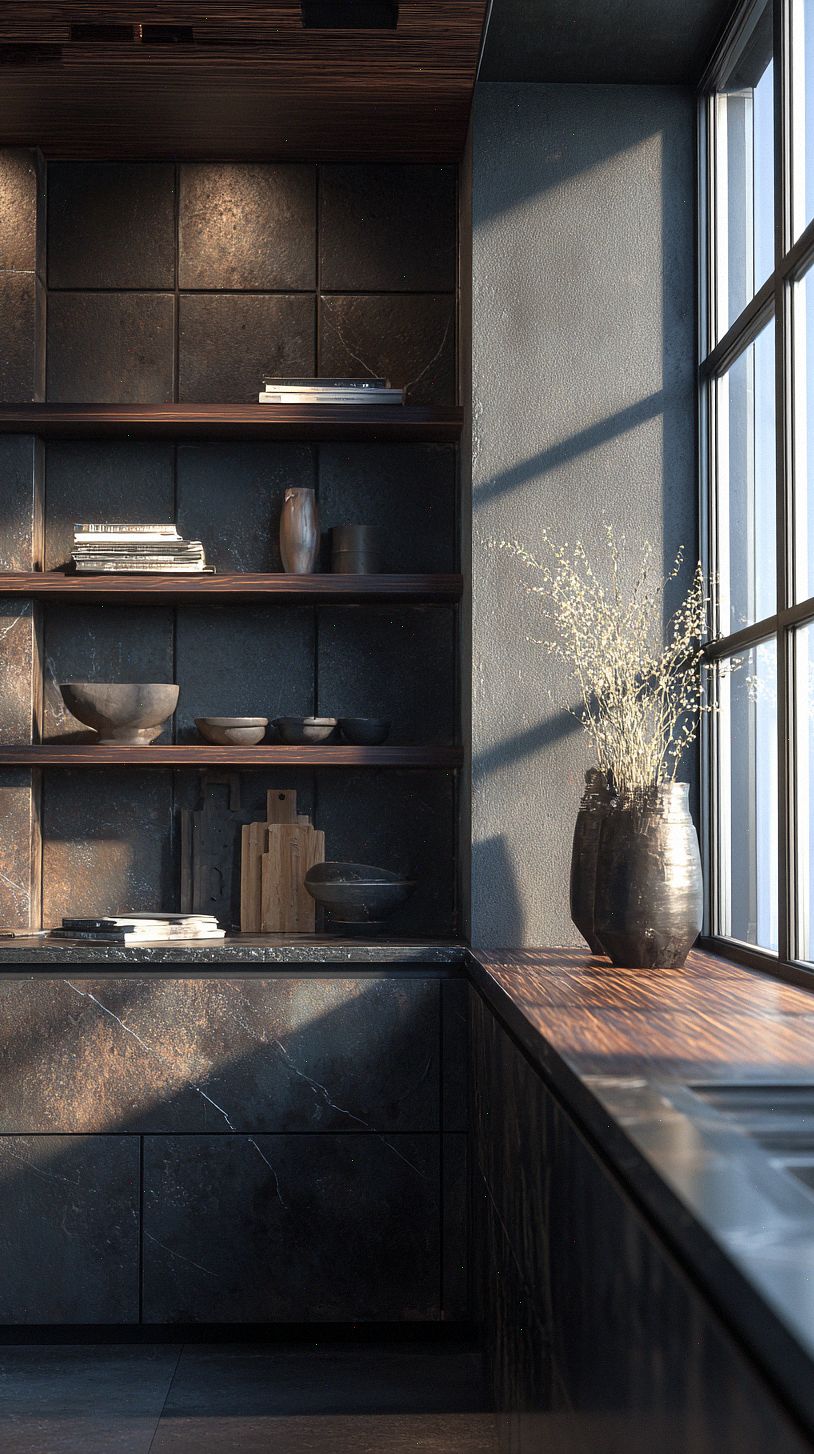
Pair the dark floor with lighter countertops or a pale island to create contrast and keep the room from feeling heavy; a low-sheen finish hides scratches and footprints better than glossy options. Add a textured pattern like herringbone or extra-wide planks to introduce movement, and keep care simple with regular sweeping and a quick mop for long-lasting drama.
Layer Textures and Metallic Hardware for Sophisticated Contrast
Layer rich textures so your dark kitchen feels layered, not flat. Pair matte cabinetry with glossy tile backsplashes, veined stone countertops, and fluted wood panels to catch light differently across surfaces. Add soft textiles, linen runners, woven baskets, a leather stool, to introduce warmth and tactile contrast that invites touch.
Let metallic hardware be your punctuation marks. Pick one dominant finish, like warm brushed brass, then introduce a secondary metal in small doses, aged bronze pulls, a satin-nickel faucet, or matte-black pendant stems, to add depth without clutter. Use scale strategically: larger metal fixtures for impact, small knobs and hooks for continuity, and focused lighting to make those metals sing against the dark backdrop.